








Tractor Intake Manifold: Gas & Diesel Replacement
The intake manifold is a critical component for your tractor's engine. Learn about common problems, replacement procedures, and where to find the right manifold for your gas or diesel tractor engine.
The intake manifold on your tractor is a critical component responsible for delivering air (and in some cases, a fuel-air mixture) to the engine's cylinders. A properly functioning intake manifold ensures optimal engine performance, fuel efficiency, and overall reliability. Whether you have a gas or diesel tractor, understanding the intake manifold's function, potential issues, and replacement procedures is crucial for maintaining your equipment. At Madison Tractor Company, we carry a wide selection of intake manifolds for various tractor models and brands, including John Deere, Case IH, Ford, New Holland, Massey Ferguson, Kubota, Allis Chalmers, Deutz, International Harvester, Oliver, White, Gleaner, Vermeer, Hesston, Mahindra and Zetor.
Recommended Parts for This Guide
10 parts we recommend — in stock, ships fast, one-click add to cart.
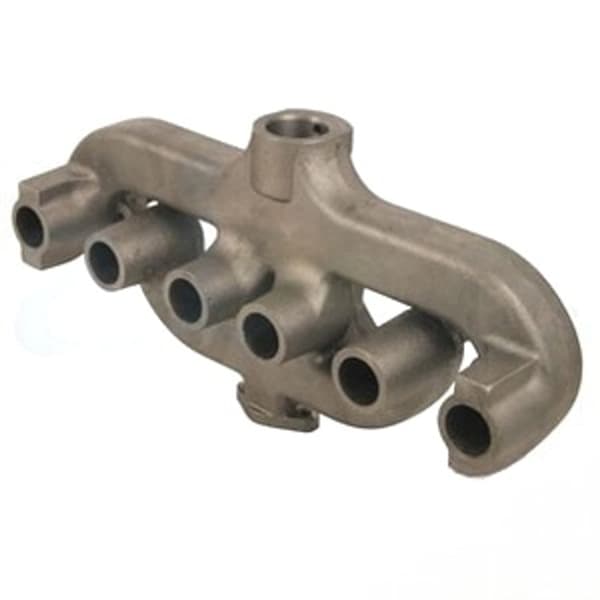
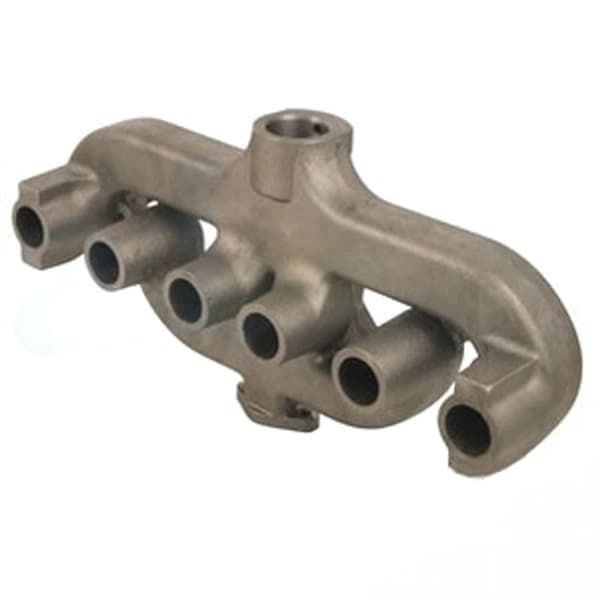
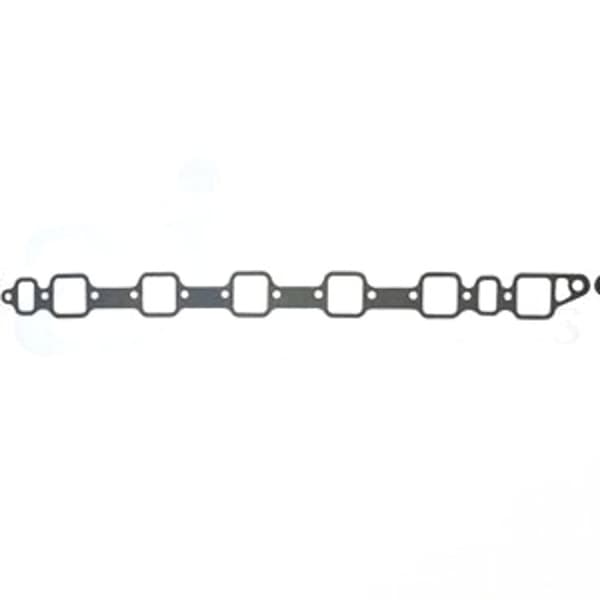
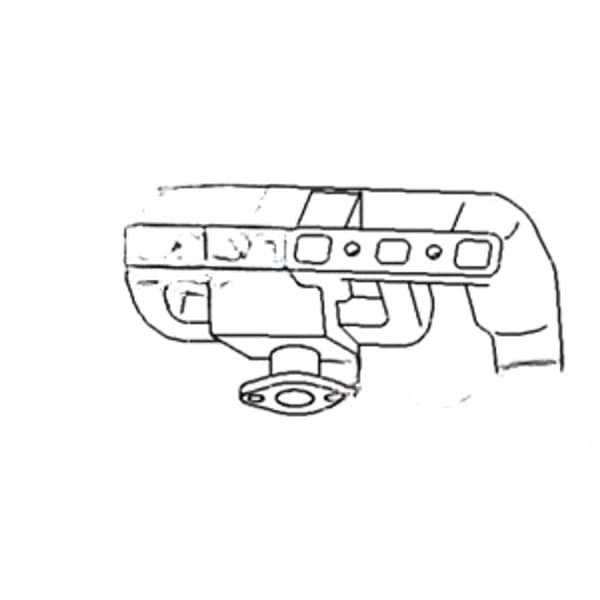
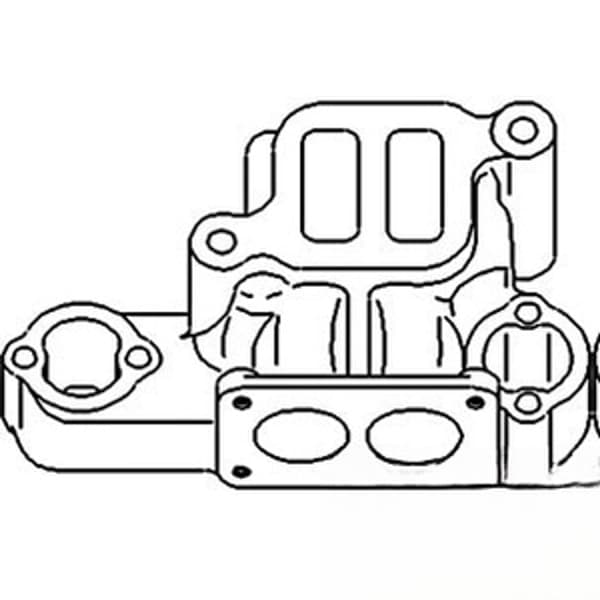
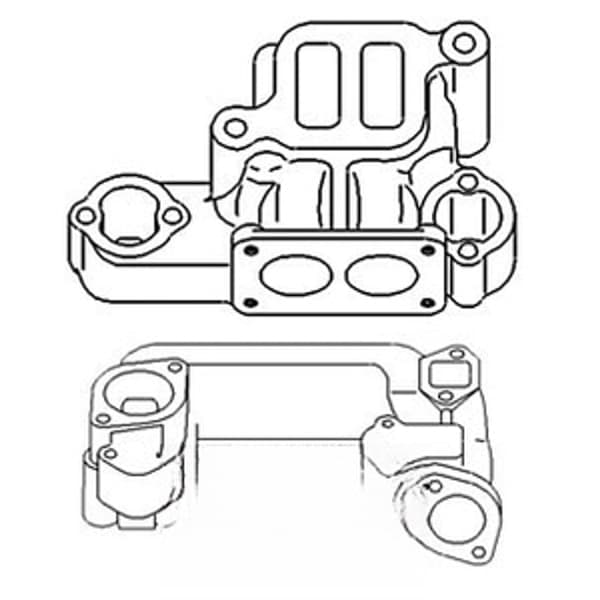
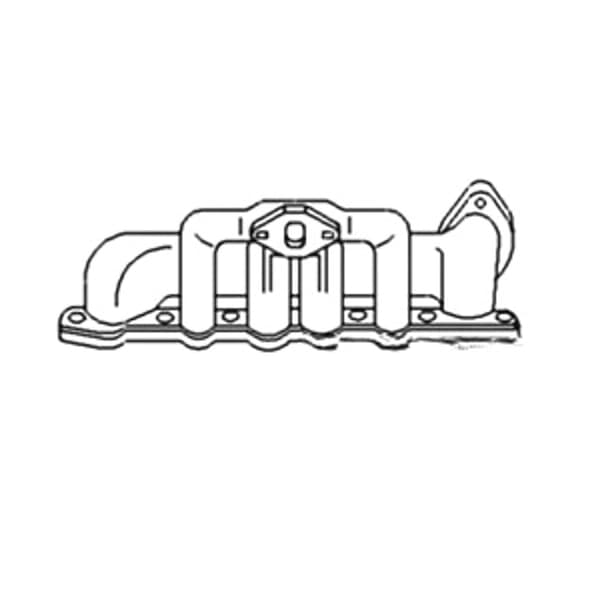
🔍 Looking for a specific part? Try our AI Part Finder — tell it your equipment and what you need, and it will find matching parts instantly.
What is a Tractor Intake Manifold?
The intake manifold is essentially a network of tubes that evenly distributes air to each cylinder in the engine. In gasoline engines, the intake manifold mixes air with fuel from the carburetor or fuel injectors before it enters the cylinders. In diesel engines, the intake manifold typically only delivers air; fuel is injected directly into the cylinders. The manifold is usually made of cast iron, aluminum, or composite materials, depending on the engine type and manufacturer.
Common Intake Manifold Problems
Several issues can arise with your tractor's intake manifold, leading to reduced performance or engine failure. Here are some of the most common problems:
- Leaks: Cracks, corrosion, or loose bolts can create air leaks in the intake manifold. These leaks disrupt the air-fuel mixture (in gasoline engines) or reduce the amount of air entering the cylinders (in diesel engines), resulting in poor engine performance, rough idling, and decreased fuel efficiency. Listen for a hissing sound when the engine is running, especially around the manifold's mating surfaces. Using a spray bottle with soapy water can help locate leaks; bubbles will form where air is escaping. Be cautious spraying near electrical components.
- Cracks and Corrosion: Exposure to extreme temperatures, vibrations, and corrosive elements can cause the intake manifold to crack or corrode. This is more common in older tractors or those operating in harsh environments.
- Clogging: Over time, deposits of carbon, oil, and dirt can accumulate inside the intake manifold, restricting airflow. This is especially common in gasoline engines with carburetors. Symptoms include reduced power, poor throttle response, and difficulty starting.
- Gasket Failure: The tractor head gasket that seals the intake manifold to the cylinder head can fail, leading to air leaks and coolant leaks (if the manifold has coolant passages). Signs of a failed gasket include coolant leaks around the manifold, white smoke from the exhaust, and overheating.
Identifying the Symptoms
Recognizing the symptoms of a faulty intake manifold is crucial for timely repairs and preventing further engine damage. Here are some telltale signs:
- Rough Idling: An air leak in the intake manifold can cause the engine to idle unevenly or stall.
- Reduced Power: If the engine isn't receiving enough air, it will lack power, especially under load.
- Poor Fuel Economy: An air leak or clogged manifold can disrupt the air-fuel mixture, leading to decreased fuel efficiency.
- Engine Misfires: A lean air-fuel mixture (too much air, not enough fuel) can cause engine misfires.
- Check Engine Light: On newer tractors with electronic engine management systems, a faulty intake manifold can trigger the check engine light.
- Hissing Sound: A hissing sound coming from the engine bay may indicate an air leak in the intake manifold.
Tools and Materials for Replacement
Replacing an intake manifold is a moderately complex job that requires some mechanical skill. Before you begin, gather the necessary tools and materials:
- New Intake Manifold: Purchase the correct intake manifold for your tractor model and engine type. Check your tractor's serial number and engine model to ensure you get the right part. We can help you find the correct intake manifold for your tractor at Madison Tractor Company.
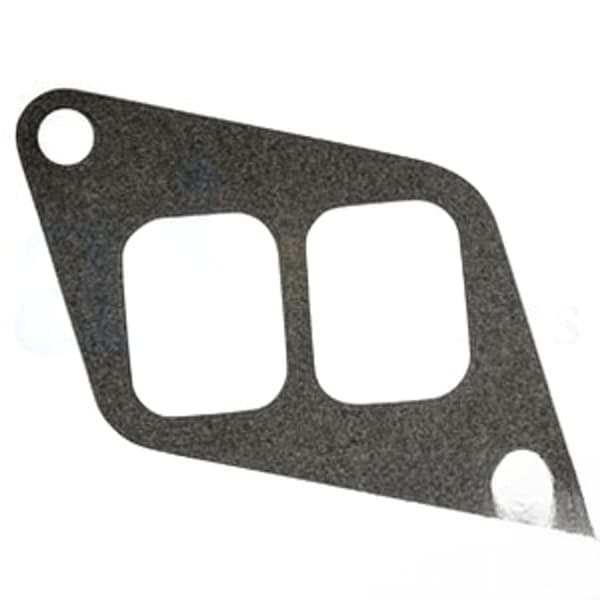
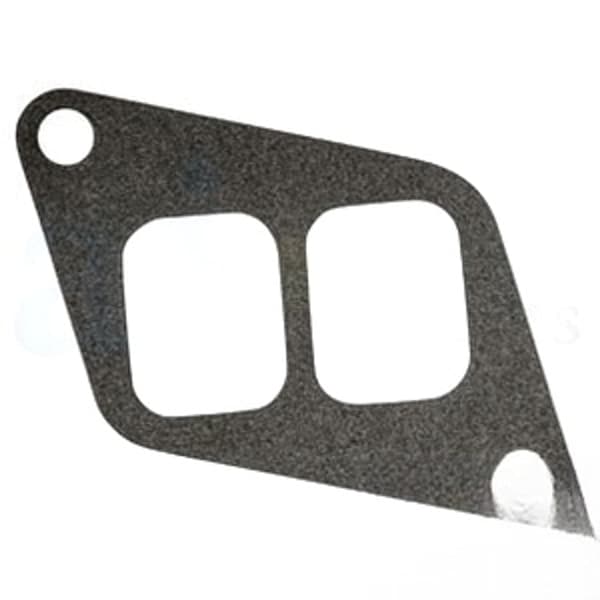
- Intake Manifold Gasket: Always replace the gasket when replacing the manifold. We offer various intake manifold gaskets, including specific ones that seal to the cylinder head, like the 82845241. We offer tractor head gasket sets specific to your engine.
- Socket Set and Wrenches: You'll need a variety of sockets and wrenches to remove and install the manifold bolts and other components.
- Torque Wrench: Using a torque wrench is essential for tightening the manifold bolts to the correct specification. This prevents leaks and ensures proper sealing.
- Screwdrivers: Various screwdrivers may be needed to disconnect hoses and other components.
- Pliers: Pliers are useful for disconnecting hoses and clamps.
- Penetrating Oil: Apply penetrating oil to any stubborn bolts or fittings to help loosen them.
- Scraper: Use a scraper to remove any old gasket material from the cylinder head and intake manifold.
- Cleaning Supplies: Clean the mating surfaces of the cylinder head and intake manifold with a solvent or degreaser to ensure a good seal.
- Coolant (if applicable): If the intake manifold has coolant passages, you'll need to drain and refill the cooling system. Check your tractor's manual for the correct coolant type and capacity. Don't forget to check your radiator and water pump too.
- Shop Rags: Keep plenty of shop rags on hand to clean up spills and wipe down parts.
- Safety Glasses and Gloves: Always wear safety glasses and gloves when working on your tractor.
- Service Manual: Refer to your tractor's service manual for specific instructions and torque specifications.
Safety Warning: Disconnect the battery before starting any work on the engine. Work in a well-ventilated area, and avoid smoking or using open flames near fuel or other flammable materials.
Intake Manifold Replacement Procedure
The following is a general guide to replacing an intake manifold. Always refer to your tractor's service manual for specific instructions and torque specifications.
- Preparation: Allow the engine to cool completely. Disconnect the battery. Drain the coolant if the intake manifold has coolant passages. Remove any components that obstruct access to the intake manifold, such as the air cleaner, carburetor (on gasoline engines), or fuel lines.
- Remove the Old Manifold: Loosen and remove the intake manifold bolts. Start with the bolts in the center and work your way outwards in a crisscross pattern. This will help prevent warping the manifold. Once all the bolts are removed, carefully remove the intake manifold.
- Clean the Mating Surfaces: Use a scraper and solvent to thoroughly clean the mating surfaces of the cylinder head and intake manifold. Remove all traces of old gasket material. Ensure the surfaces are clean, smooth, and free of any debris.
- Install the New Gasket and Manifold: Position the new intake manifold gasket onto the cylinder head. Ensure it is properly aligned. Carefully install the new intake manifold onto the cylinder head, aligning it with the gasket and bolt holes.
- Tighten the Bolts: Install the intake manifold bolts and tighten them to the torque specification listed in your tractor's service manual. Tighten the bolts in a crisscross pattern, starting with the center bolts and working your way outwards. Use a torque wrench to ensure proper tightening.
- Reassemble: Reinstall any components that you removed in step 1, such as the air cleaner, carburetor (on gasoline engines), or fuel lines. Reconnect the coolant hoses (if applicable). Refill the cooling system. Reconnect the battery.
- Test: Start the engine and check for any leaks. Listen for any unusual noises. Monitor the engine temperature and coolant level. Check for proper engine performance.
Torque Specifications: Always refer to your tractor's service manual for the correct torque specifications for the intake manifold bolts. Over-tightening can damage the manifold or cylinder head, while under-tightening can lead to leaks. For example, a John Deere 4020 (gasoline) typically requires a torque of 25-30 ft-lbs for the intake manifold bolts. A Ford 8N usually needs around 20-25 ft-lbs. Consult your specific model's manual for the most accurate data.
Gas vs. Diesel Intake Manifolds
While the fundamental purpose of an intake manifold remains the same for both gas and diesel engines – delivering air to the cylinders – there are some key differences:
- Air-Fuel Mixing: In gasoline engines, the intake manifold is often responsible for mixing air with fuel from the carburetor or fuel injectors. This mixture is then drawn into the cylinders. Diesel engines typically inject fuel directly into the cylinders, so the intake manifold only delivers air.
- Heating: Some diesel engines use intake manifold heaters to warm the incoming air during cold starts. This helps the engine start more easily in cold weather. These heaters can be electric resistance heaters or glow plugs located within the manifold.
- Materials: Diesel intake manifolds often need to be more robust to withstand the higher compression ratios and pressures of diesel engines.
If your tractor has a diesel engine and is hard to start in cold weather, check the intake manifold heater. A faulty heater can prevent the engine from starting.
Finding the Right Intake Manifold at Madison Tractor
At Madison Tractor Company, we understand the importance of using high-quality parts to keep your tractor running smoothly. We offer a wide selection of intake manifolds for various tractor models and brands, including John Deere (covering popular models like the 4020, 3020, and newer series), Case IH, Ford (including the 8N, 9N, and later models), New Holland, Massey Ferguson, Kubota, and many more. We also stock other essential engine parts like John Deere engine rebuild kits, Ford tractor engine rebuild kits, Perkins engine rebuild kits, Case IH engine rebuild kits, tractor head gaskets, fuel pumps, and injectors.
To find the right intake manifold for your tractor, you can search our website by part number, model number, or engine type. Our knowledgeable staff is also available to assist you with finding the correct part. When ordering, be sure to have your tractor's serial number and engine model readily available. For instance, if you're looking for a manifold for a John Deere 4020 diesel, knowing the engine's specific serial number can help ensure you receive the correct part. We can also help you source other parts you may need like starters, alternators, hydraulic pumps, cylinders, clutch kits, PTO parts, carburetors, filters, gaskets, piston rings, main bearings, seals, belts, chains, concaves and sickle sections. Don't forget to replace your air filter at the same time to ensure optimal engine performance!
Expert Advice from Madison Tractor
- Regular Inspection: Inspect your intake manifold regularly for cracks, leaks, and corrosion. Address any issues promptly to prevent further damage.
- Proper Maintenance: Keep your engine properly maintained to prevent clogging and deposit buildup in the intake manifold. Change your oil and filters regularly.
- Use Quality Parts: When replacing your intake manifold, use a high-quality part from a reputable supplier like Madison Tractor Company. This will ensure proper fit, performance, and durability.
Replacing your tractor's intake manifold can improve engine performance and fuel economy. If you have any questions or need assistance finding the right part, contact the experts at Madison Tractor Company today!
Shop with Confidence at Madison Tractor Company
At Madison Tractor Company, we are committed to providing our customers with the highest quality parts and exceptional service. Browse our wide selection of intake manifolds and other tractor parts today! Our team is ready to assist you in finding the perfect fit for your machine and getting you back to work quickly. You can also use our AI-Powered Part Finder to search for parts by your specific make and model.
Part of our comprehensive guide
Tractor Engine Rebuild Guide: Kits, Parts & When to Overhaul