








John Deere Tractor Turbo: Garrett, Schwitzer & BorgWarner
Maximize your John Deere tractor's performance with a properly functioning turbocharger. This guide covers common John Deere turbo models, maintenance, troubleshooting, and how to find the right replacement parts to keep your machine running at peak efficiency.
The turbocharger is a critical component in many modern John Deere tractors, boosting engine power and efficiency. Understanding how your turbo works, recognizing signs of trouble knowing where to source quality replacement parts is essential for maintaining optimal performance. At Madison Tractor Company, we specialize in providing a wide range of parts for John Deere and other major brands, including Case IH, Ford, New Holland, Massey Ferguson, Kubota more. This guide will help you navigate the world of John Deere tractor turbos.
Recommended Parts for This Guide
9 parts we recommend — in stock, ships fast, one-click add to cart.
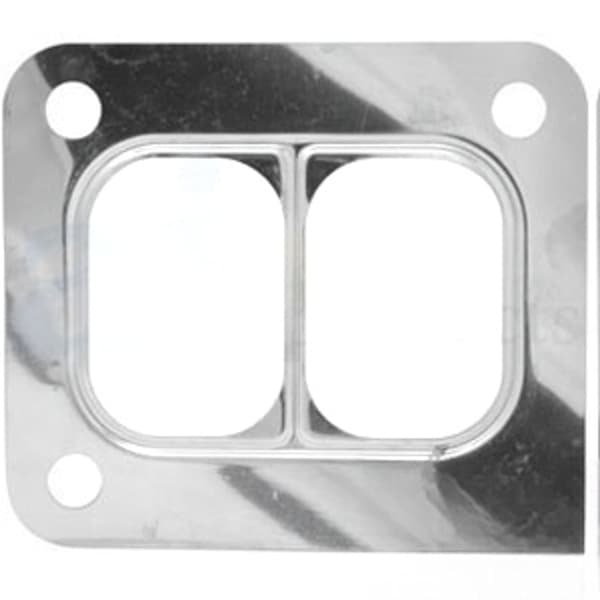
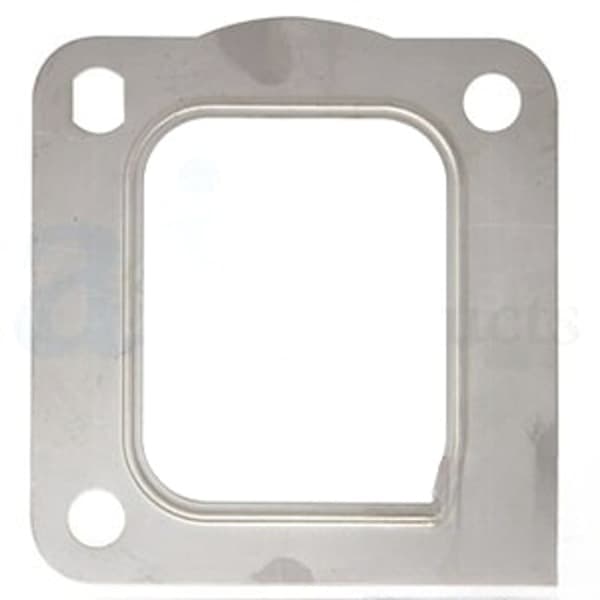
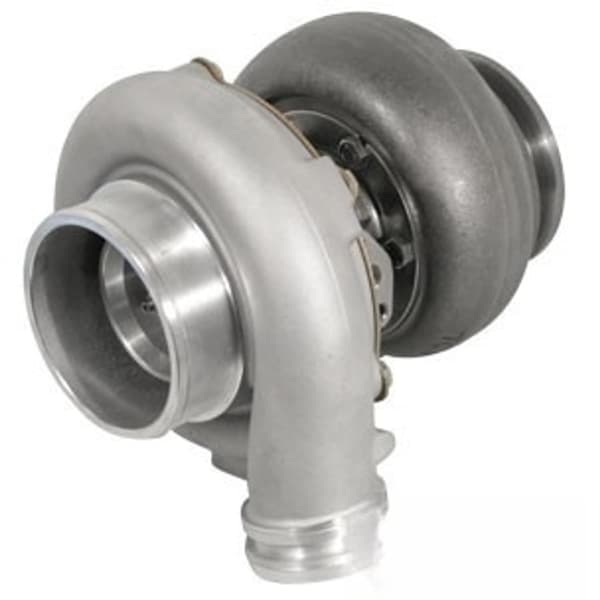
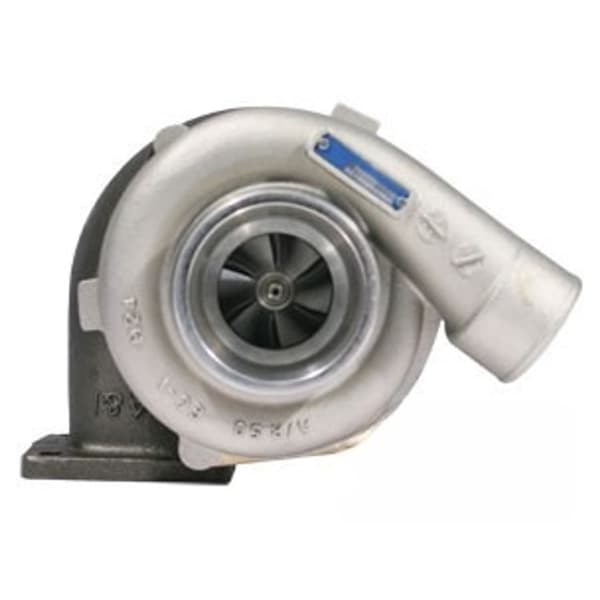
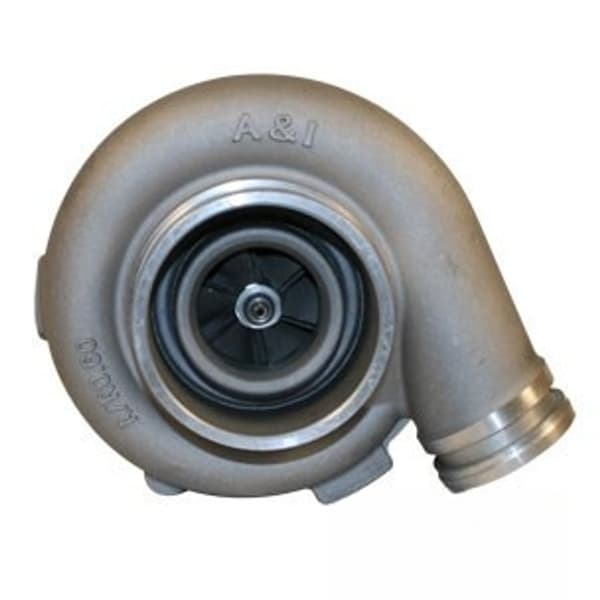
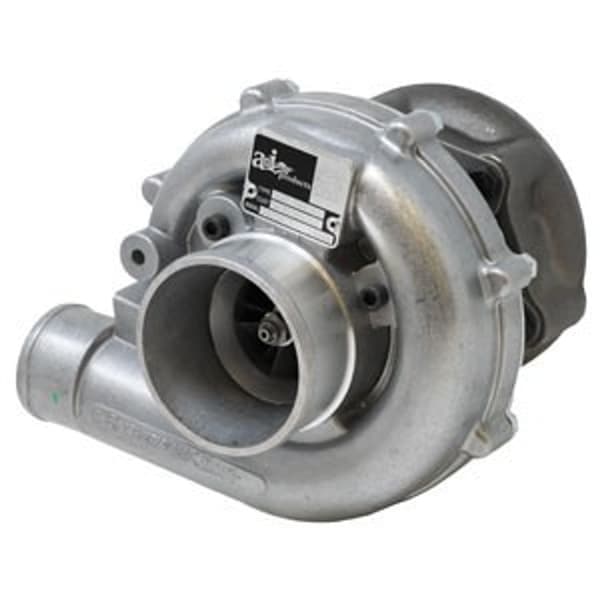
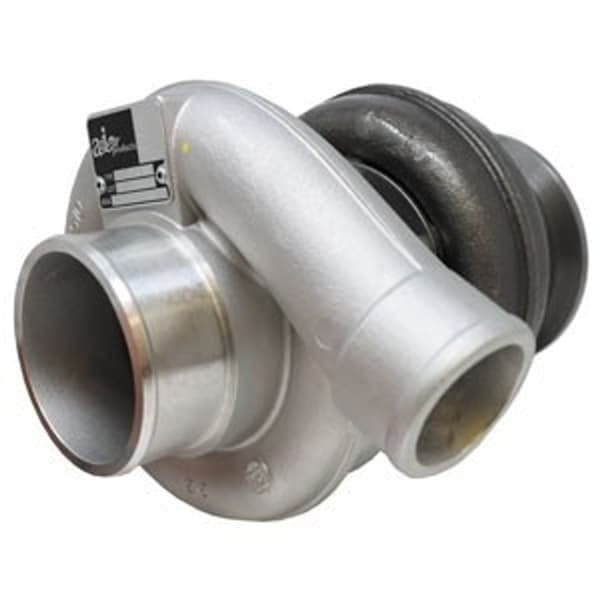
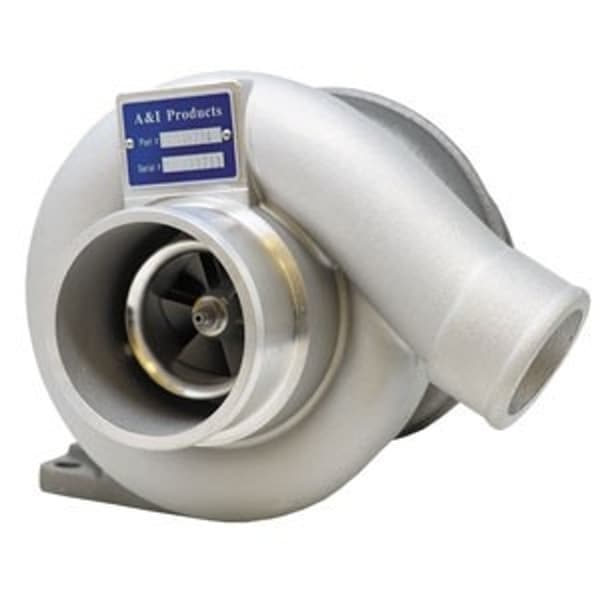
🔍 Looking for a specific part? Try our AI Part Finder — tell it your equipment and what you need, and it will find matching parts instantly.
What is a Turbocharger and Why is it Important?
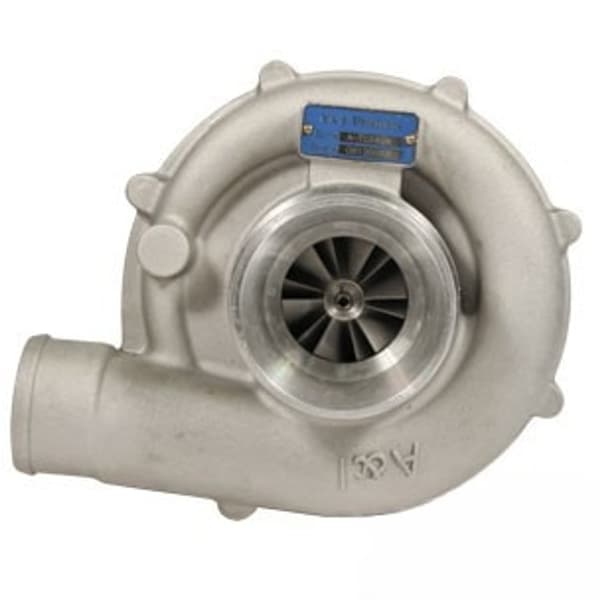
A turbocharger is essentially an air compressor driven by exhaust gases. It forces more air into the engine cylinders than atmospheric pressure alone, allowing for more fuel to be burned and thus increasing power output. This is especially important for tractors working in demanding conditions, such as plowing, tilling heavy hauling.
John Deere utilizes turbochargers across many of its tractor models, from smaller utility tractors to large agricultural machines. By increasing engine power and efficiency, turbos help reduce fuel consumption and improve overall productivity.
Common Turbocharger Brands in John Deere Tractors
John Deere sources turbochargers from several reputable manufacturers, including
- Garrett (Honeywell) Garrett is a well-known name in turbocharging, providing reliable and efficient turbochargers for a wide range of applications. Many older John Deere models use Garrett turbos.
- Schwitzer (BorgWarner) Schwitzer, now part of BorgWarner, is another major supplier of turbochargers to John Deere. Schwitzer turbos are known for their durability and performance in demanding environments.
- BorgWarner As mentioned above, BorgWarner acquired Schwitzer. They continue to manufacture and supply turbos for John Deere, incorporating advancements in turbocharger technology.
The specific turbocharger model used in your John Deere tractor will depend on the engine model and year of manufacture. For example, a John Deere 4020 might use a different turbo than a John Deere 8320R. Consult your tractor's service manual or contact us at Madison Tractor Company to determine the correct turbocharger for your machine. We can cross-reference OEM part numbers like RE26291 (a common John Deere turbo) to the correct replacement.
Signs of a Failing Turbocharger
Recognizing the signs of a failing turbocharger early can prevent further engine damage and costly repairs. Here are some common symptoms
- Loss of Power A noticeable decrease in engine power is a primary indicator. The turbocharger isn't delivering the boost it should be, resulting in reduced performance.
- Excessive Smoke Blue or black smoke from the exhaust can indicate oil leakage into the turbocharger or combustion chamber. White smoke can indicate coolant entering the combustion chamber, potentially due to a blown John Deere head gasket.
- Whining or Screeching Noises Unusual noises coming from the turbocharger area can indicate worn bearings or damaged turbine blades.
- Oil Leaks Oil leaks around the turbocharger housing or connecting lines are a clear sign of a problem.
- Increased Oil Consumption If you notice your tractor is consuming more oil than usual, it could be due to a leaking turbocharger.
- Turbocharger Lag A delay in power delivery after pressing the accelerator can indicate a malfunctioning turbocharger.
If you observe any of these symptoms, it's crucial to investigate the issue promptly. Ignoring these signs can lead to catastrophic engine failure.
Turbocharger Maintenance and Troubleshooting
Proper maintenance is key to extending the life of your John Deere turbocharger. Here are some essential tips
- Regular Oil Changes Use high-quality engine oil and change it according to the manufacturer's recommendations. Clean oil is critical for lubricating the turbocharger's bearings.
- air filter Maintenance Ensure the air filter is clean and properly sealed to prevent dirt and debris from entering the turbocharger. A clogged air filter can starve the turbo of air and damage its components. We carry replacement filters for John Deere and other brands.
- Avoid Sudden Engine Shutdowns After heavy use, allow the engine to idle for a few minutes before shutting it off. This allows the turbocharger to cool down and prevents oil coking (oil breaking down due to heat).
- Inspect Hoses and Connections Regularly check the turbocharger's hoses and connections for leaks or damage. Replace any worn or cracked hoses immediately.
- Check Turbocharger Pressure Use a boost gauge to monitor the turbocharger's pressure. Compare the readings to the manufacturer's specifications to identify any performance issues.
Troubleshooting Tips
- Check for Air Leaks Use a soapy water solution to check for air leaks in the turbocharger's intake and exhaust system. Bubbles indicate a leak.
- Inspect the Turbine Wheel Remove the turbocharger and inspect the turbine wheel for damage. Look for bent or broken blades.
- Check the Bearings Inspect the turbocharger's bearings for wear or play. Excessive play can indicate worn bearings.
- Examine Oil Lines Check the oil supply and return lines for blockages or kinks. A restricted oil supply can damage the turbocharger.
Replacing Your John Deere Turbocharger
If your turbocharger is damaged beyond repair, replacing it is the best option. Here's a general overview of the replacement process. Always consult your tractor's service manual for specific instructions and torque specifications.
- Safety First Disconnect the battery and allow the engine to cool down completely before starting the repair.
- Remove the Old Turbocharger Disconnect the air intake and exhaust connections. Carefully disconnect the oil supply and return lines, taking care not to spill any oil. Remove the mounting bolts and remove the turbocharger.
- Prepare the New Turbocharger Before installing the new turbocharger, prime it with clean engine oil. This will help lubricate the bearings during startup.
- Install the New Turbocharger Position the new turbocharger and secure it with the mounting bolts. Connect the oil supply and return lines, ensuring they are properly tightened. Connect the air intake and exhaust connections.
- Check for Leaks Start the engine and check for oil and exhaust leaks around the turbocharger. Tighten any loose connections as needed.
- Test the Turbocharger Monitor the turbocharger's pressure and performance. Ensure it is operating within the manufacturer's specifications.
Important Considerations
- Use the Correct Gaskets and Seals Always use new gaskets and seals when installing a new turbocharger to prevent leaks. We carry complete gasket sets for John Deere and other brands, making sure you get a proper seal.
- Proper Torque Use a torque wrench to tighten all bolts to the manufacturer's specified torque. Over-tightening or under-tightening bolts can damage the turbocharger.
- Cleanliness Keep all parts clean during the replacement process to prevent contamination.
If you're not comfortable replacing the turbocharger yourself, it's best to take your tractor to a qualified mechanic.
Related Engine Parts
Replacing a turbocharger is a good opportunity to inspect other engine components. Consider checking the condition of
- John Deere engine rebuild kit components, especially if the turbo failure was due to oil contamination.
- Tractor piston rings for excessive wear.
- Tractor main bearings for signs of damage.
- The engine's radiator and water pump to ensure proper cooling.
- Fuel injectors to ensure proper fuel delivery.
Madison Tractor Company also carries a wide selection of other parts for your John Deere, including clutch kits, PTO parts, fuel pumps more. We offer parts for a variety of other makes and models like Case IH, Ford, New Holland, Massey Ferguson, Kubota, Allis Chalmers, Deutz, International Harvester, Oliver, White, Gleaner, Vermeer, Hesston, Mahindra Zetor. Whatever your needs, we can help you keep your equipment running smoothly.
Finding the Right John Deere Turbo at Madison Tractor Company
Madison Tractor Company is your trusted source for high-quality John Deere turbochargers and other tractor parts. We offer a wide selection of turbos from leading manufacturers like Garrett, Schwitzer BorgWarner, ensuring you get the right part for your specific tractor model. Our knowledgeable staff can help you identify the correct turbocharger and provide technical support throughout the installation process.
We understand the importance of keeping your John Deere tractor running at peak performance. That's why we offer competitive pricing and fast shipping on all our parts. Browse our online catalog or contact us today to find the right turbocharger for your John Deere tractor and get back to work!
🔍 Can't Find Your Part?
Use our AI-Powered Part Finder to search by your equipment's make, model, and what you need. It's the fastest way to find the exact part for your machine.
Try the Part Finder →Part of our comprehensive guide
Tractor Engine Rebuild Guide: Kits, Parts & When to Overhaul