








John Deere Tractor Muffler: Vertical & Under Hood
Understanding the difference between vertical stack and under-hood mufflers on John Deere tractors is key for performance and noise control. This guide covers everything from choosing the right muffler to troubleshooting common issues.
John Deere tractor mufflers: Choosing the Right One
a properly functioning muffler is essential for any tractor, especially John Deere models. Beyond just reducing noise, the muffler plays a crucial role in engine performance and overall operation. This guide will walk you through the differences between common John Deere tractor muffler styles, helping you choose the right one for your needs and maintain it effectively.
Recommended Parts for This Guide
10 parts we recommend — in stock, ships fast, one-click add to cart.
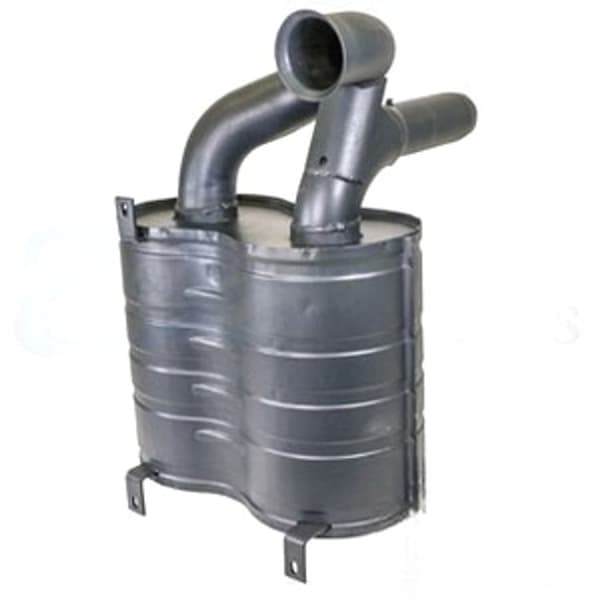
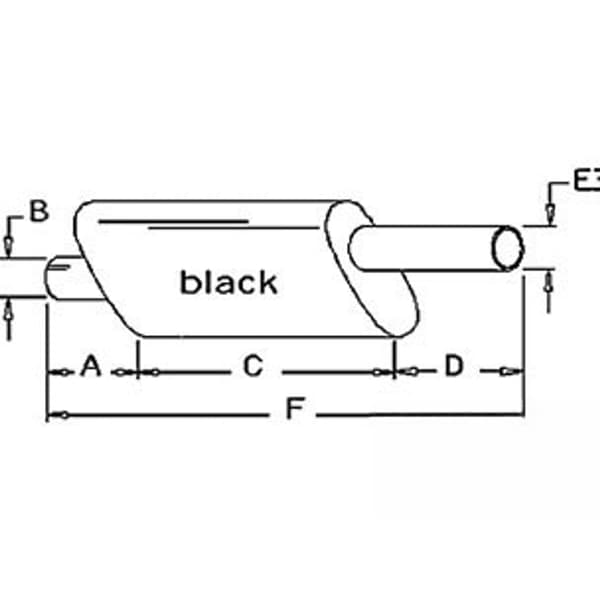
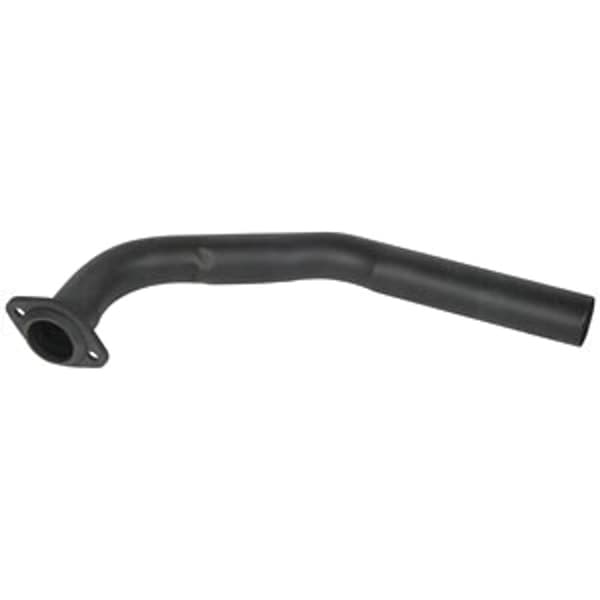
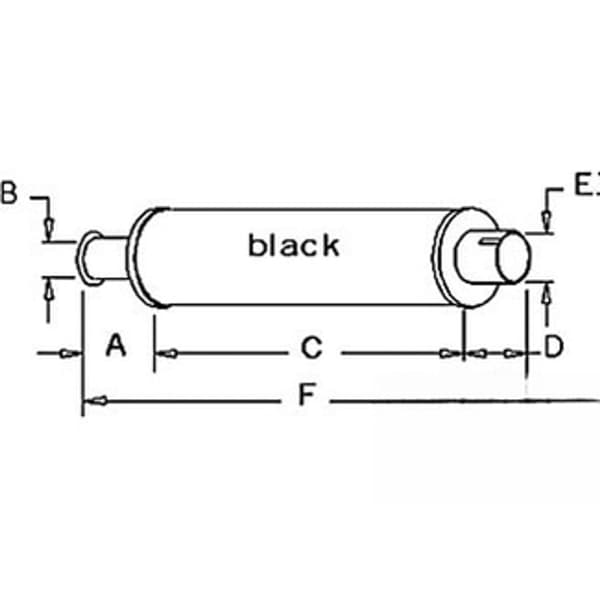
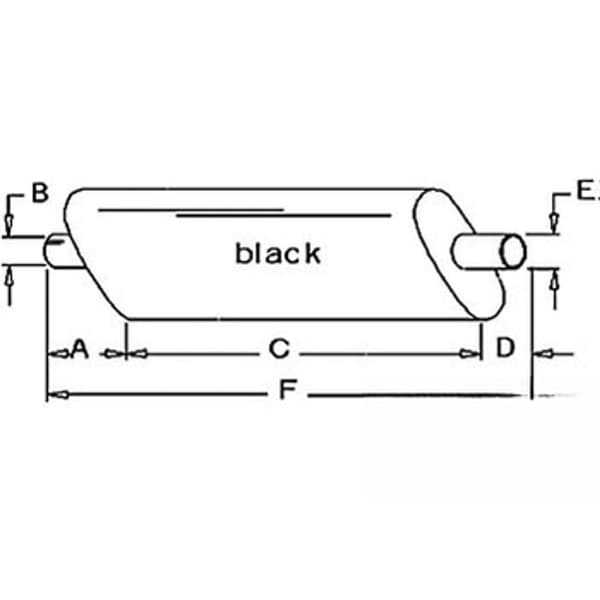
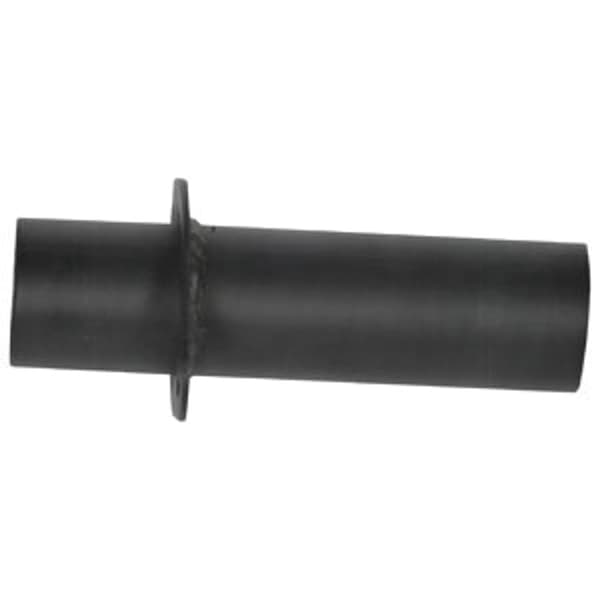
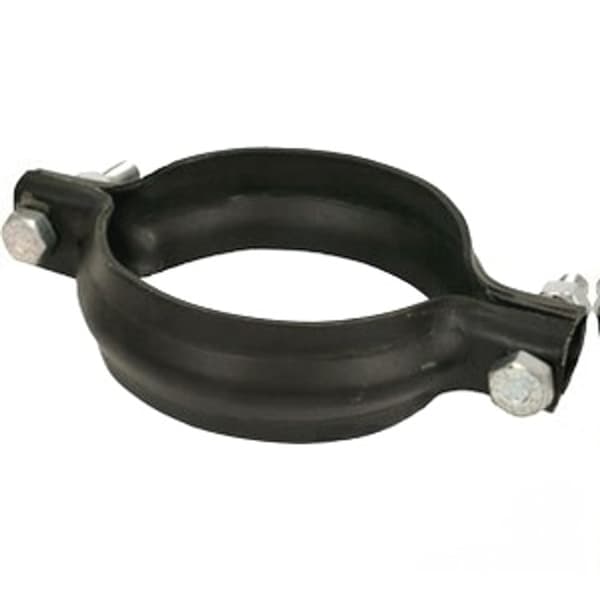
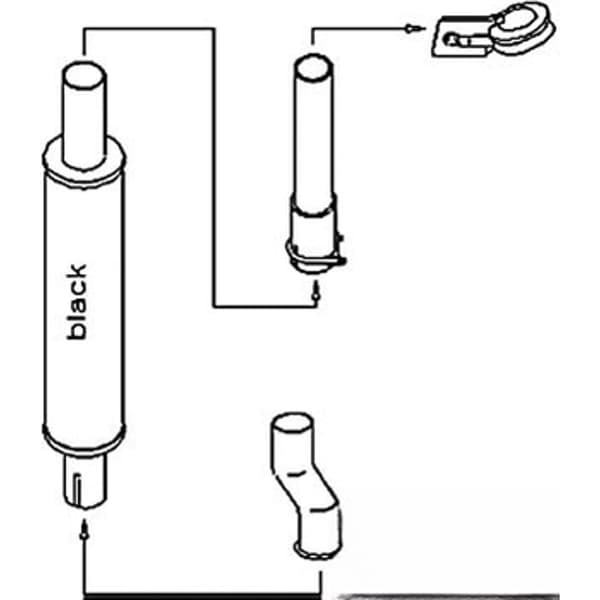
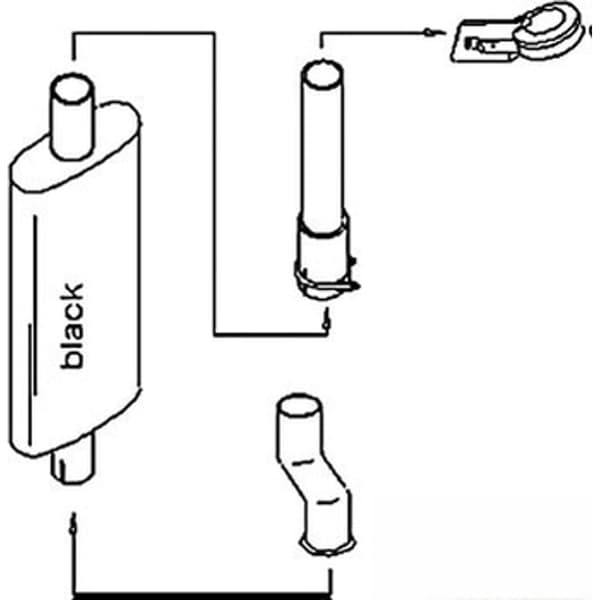
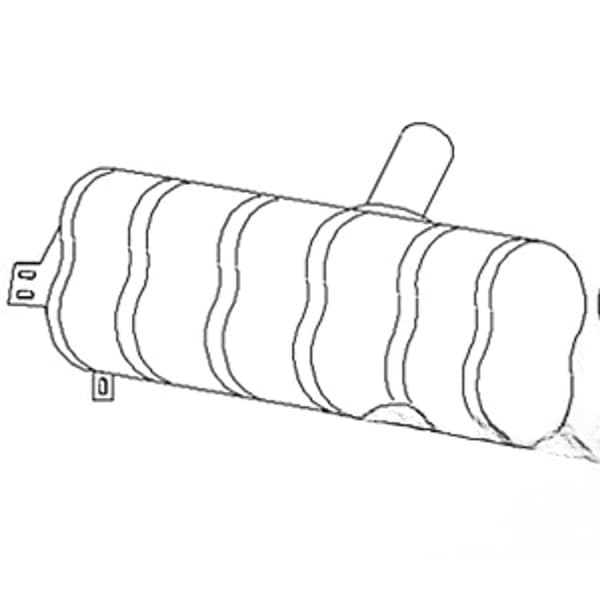
🔍 Looking for a specific part? Try our AI Part Finder — tell it your equipment and what you need, and it will find matching parts instantly.
At Madison Tractor Company, we understand the importance of quality replacement parts. We stock a wide range of John Deere tractor mufflers, along with other engine components like engine rebuild kits, radiators, water pumps, and much more. We also carry parts for other major brands like Case IH, Ford, New Holland, and Massey Ferguson.
Vertical Stack vs. Under-Hood Mufflers
John Deere tractors commonly use two main types of mufflers: vertical stack and under-hood. Each has its advantages and disadvantages. For those looking to convert an existing under-hood system to a vertical stack, we offer muffler & pipe conversion kits like the JD2150K or JD2950K.
Vertical Stack Mufflers
Vertical stack mufflers such as the AM3246T, AR86602, or AR38383 are easily recognizable as the tall, cylindrical mufflers that extend upwards from the tractor's engine compartment. They are frequently found on older models, but also available on newer models, offering improved noise reduction and exhaust dispersion.
Advantages of Vertical Stack Mufflers:
- Noise Reduction: Generally, vertical stack mufflers provide better noise reduction than under-hood models, directing exhaust fumes and sound away from the operator.
- Exhaust Dispersion: The height of the stack helps disperse exhaust fumes, reducing the amount of harmful gases inhaled by the operator, especially important when working in enclosed spaces.
- Reduced Fire Risk: By directing hot exhaust upwards, vertical stack mufflers minimize the risk of igniting dry grass or other flammable materials.
- Clearance: Keeps the exhaust away from implements and machinery, avoiding potential damage.
Disadvantages of Vertical Stack Mufflers:
- Visibility: Can obstruct the operator's view, especially when working in tight spaces.
- Damage Potential: More susceptible to damage from tree branches, low-hanging wires, or accidental collisions.
- Installation: May require more complex installation compared to under-hood mufflers.
Under-Hood Mufflers
Under-hood mufflers are located within the tractor's engine compartment, often mounted horizontally. These are common on newer John Deere tractors and offer a more compact design, such as the AL37167 and AL30338. The AT10899T horizontal muffler is another option.
Advantages of Under-Hood Mufflers:
- Improved Visibility: Do not obstruct the operator's view, providing better overall visibility.
- Protection: More protected from external damage due to their location within the engine compartment.
- Compact Design: Take up less space, allowing for a more streamlined tractor design.
Disadvantages of Under-Hood Mufflers:
- Noise: Can be louder than vertical stack mufflers as the exhaust is discharged closer to the operator.
- Heat Buildup: Can contribute to heat buildup within the engine compartment.
- Ground Clearance: Depending on mounting position, could slightly reduce ground clearance.
Choosing the Right Muffler for Your John Deere Tractor
The best muffler for your John Deere tractor depends on your specific needs and operating conditions. Consider the following factors:
- Application: If you frequently work in enclosed spaces or areas with dry vegetation, a vertical stack muffler (like the AM3246T, AR86602, or AR38383) might be the better choice due to its superior exhaust dispersion and reduced fire risk.
- Visibility: If visibility is a primary concern, an under-hood muffler is preferable.
- Noise Sensitivity: If noise reduction is crucial, a vertical stack muffler generally offers better performance.
- Tractor Model: Check your tractor's original configuration and consult your owner's manual for recommended muffler types. You'll find a variety of John Deere tractor parts suitable for your specific model and year.
Maintaining Your John Deere Tractor Muffler
Proper muffler maintenance is essential for optimal performance and longevity. Here are some tips:
- Regular Inspection: Inspect your muffler regularly for signs of rust, corrosion, cracks, or damage. Pay close attention to welds and mounting points.
- Cleaning: Clean the muffler periodically to remove dirt, debris, and carbon buildup. Use a wire brush or scraper to remove loose material.
- Tighten Connections: Ensure all connections are tight and secure. Loose connections can lead to exhaust leaks and reduced performance.
- Replace as Needed: If the muffler is severely damaged or corroded, replace it immediately. A damaged muffler can cause exhaust leaks, reduced engine performance, and increased noise.
Safety Warning: Always allow the engine and exhaust system to cool completely before performing any maintenance. Wear appropriate personal protective equipment, such as gloves and eye protection.
Troubleshooting Common Muffler Problems
Here are some common problems you might encounter with your John Deere tractor muffler:
- Exhaust Leaks: Exhaust leaks can be caused by loose connections, cracks in the muffler body, or corroded welds. Inspect the entire exhaust system for leaks and repair or replace damaged components. A new tractor head gasket may be necessary if the leak is originating from the engine block.
- Excessive Noise: Excessive noise can indicate a damaged or corroded muffler. Inspect the muffler for holes or cracks and replace it if necessary.
- Reduced Engine Performance: A clogged or damaged muffler can restrict exhaust flow, leading to reduced engine performance. Clean the muffler or replace it if necessary.
- Overheating: A restricted exhaust system can cause the engine to overheat. Check the muffler for blockages and ensure proper exhaust flow. Also verify proper function of the radiator, consider replacing the water pump, and ensure proper levels of coolant.
Finding the Right John Deere Tractor Muffler Part
When replacing your John Deere tractor muffler, it's crucial to find the correct part for your specific model and year. Here are some tips:
- Consult Your Owner's Manual: Your owner's manual will provide the correct part number for your tractor.
- Check Online Parts Catalogs: Online parts catalogs, like the ones available at Madison Tractor Company, allow you to search for parts by tractor model and year. We also offer essential components like muffler adapters and muffler pipes to complete your exhaust system.
- Cross-Reference Part Numbers: If you have an existing part number, you can cross-reference it with aftermarket manufacturers to find compatible replacements.
- Consult a Parts Expert: Our knowledgeable parts experts at Madison Tractor Company are always available to help you find the right part for your needs. We can assist with John Deere, Case IH, Ford, New Holland, Massey Ferguson, Kubota, Allis Chalmers, Deutz, International Harvester, Oliver, White, Gleaner, Vermeer, Hesston, Mahindra, Zetor, and other brands.
Example: A John Deere 4020 tractor might use a vertical stack muffler with a specific diameter and length. Knowing the tractor's year of manufacture is critical, as running changes might exist. Similarly, a John Deere 3032E might use a smaller under-hood muffler with a different mounting configuration.
When working on engine components, consider related maintenance. If you are replacing the muffler, it is wise to inspect other parts. We offer a variety of engine parts including John Deere engine rebuild kits, tractor piston rings, tractor main bearings, and tractor head gasket set. Consider replacing the muffler when undertaking other engine repair to maximize performance and reliability. You'll also need quality muffler clamps for a secure fit.
Torque Specifications
When installing a new muffler, it's important to use the correct torque specifications for all fasteners. Refer to your tractor's service manual for specific torque values. Over-tightening can damage the muffler or exhaust manifold, while under-tightening can lead to exhaust leaks.
General Guidelines:
- Exhaust manifold bolts: 25-35 ft-lbs
- Muffler mounting bolts: 15-25 ft-lbs
- Muffler clamp bolts: 10-15 ft-lbs
Note: These are general guidelines only. Always refer to your tractor's service manual for the correct torque specifications.
Shop John Deere Tractor Mufflers at Madison Tractor Company
At Madison Tractor Company, we are committed to providing high-quality replacement parts and exceptional customer service. We offer a wide selection of John Deere tractor mufflers and other engine components to keep your tractor running smoothly. Browse our online catalog or contact our parts experts today to find the right parts for your needs. We carry radiators, water pumps, starters, alternators, hydraulic pumps, cylinders, clutch kits, PTO parts, fuel pumps, carburetors, injectors, filters, gaskets, pistons, bearings, seals, belts, chains, concaves, sickle sections and many more parts for your tractor or combine!
🔍 Can't Find Your Part?
Use our AI-Powered Part Finder to search by your equipment's make, model, and what you need. It's the fastest way to find the exact part for your machine.
Try the Part Finder →Part of our comprehensive guide
Tractor Engine Rebuild Guide: Kits, Parts & When to Overhaul