








Tractor Push Rod: Bent Push Rod Replacement
A bent tractor push rod can cause serious engine problems. Learn how to identify, replace, and prevent push rod damage. Find the right replacement parts at Madison Tractor Company.
Introduction to Tractor Push Rods
The tractor push rod is a vital component in the valve train of many tractor engines, particularly in older models. It acts as a link between the camshaft and the rocker arm, transmitting the motion that opens and closes the engine valves. A bent or damaged push rod can disrupt this critical process, leading to poor engine performance, reduced power, and even significant engine damage. Understanding the function, potential problems, and replacement process for your tractor's push rods is essential for maintaining your equipment's reliability.
Recommended Parts for This Guide
7 parts we recommend — in stock, ships fast, one-click add to cart.
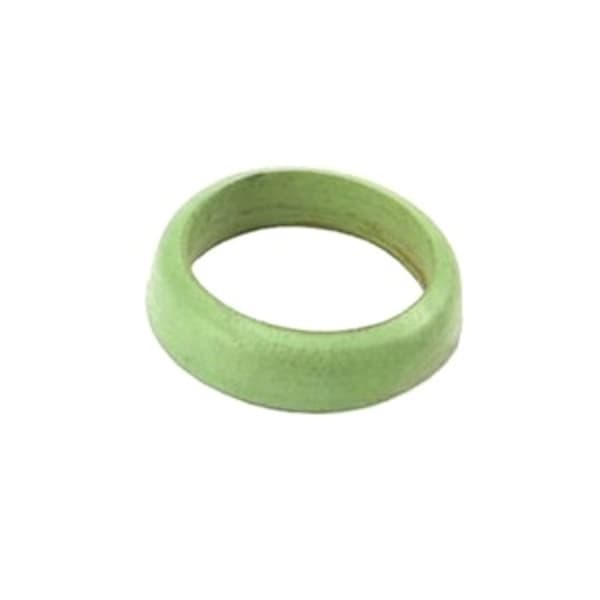
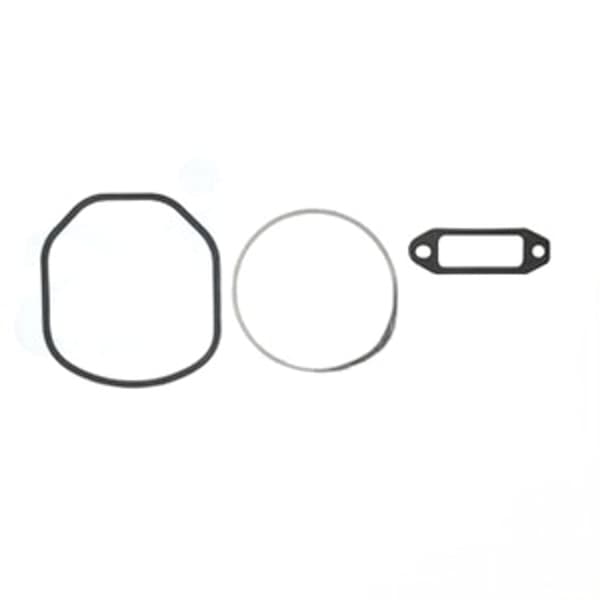
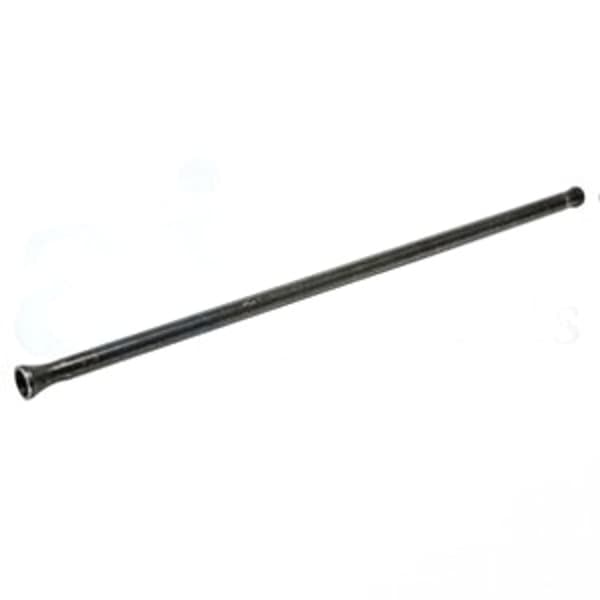
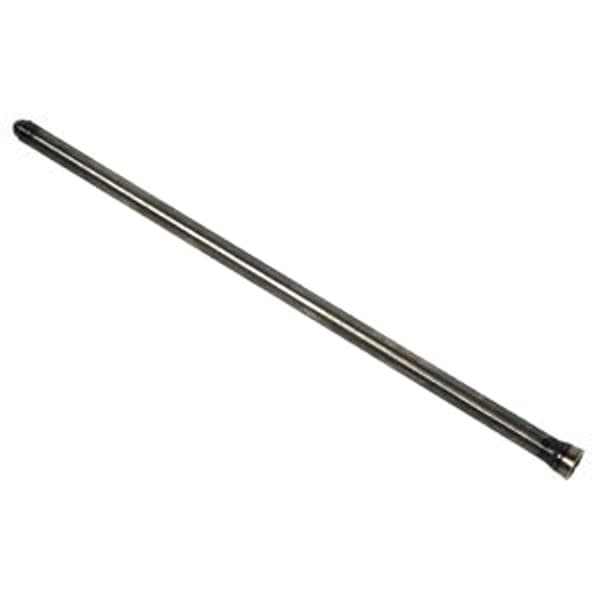
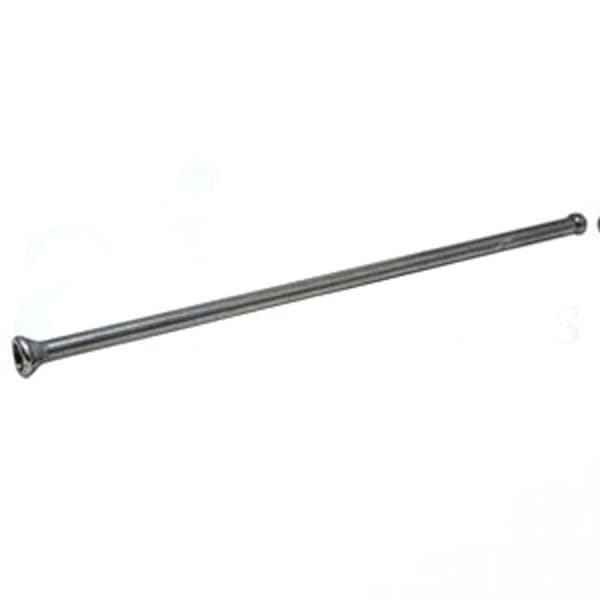
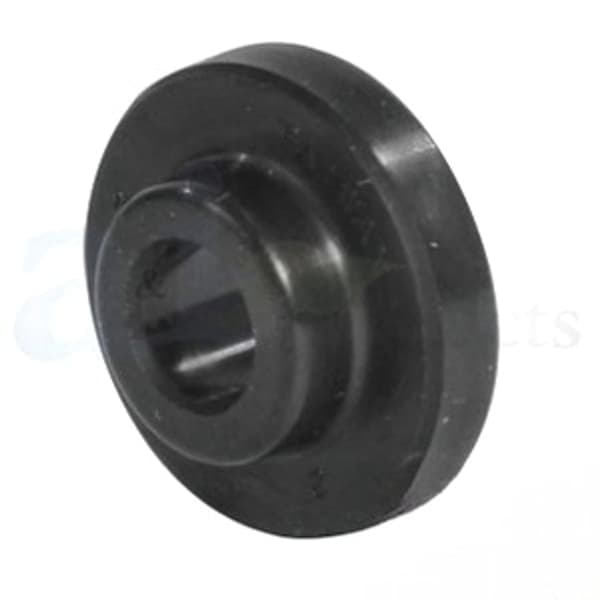
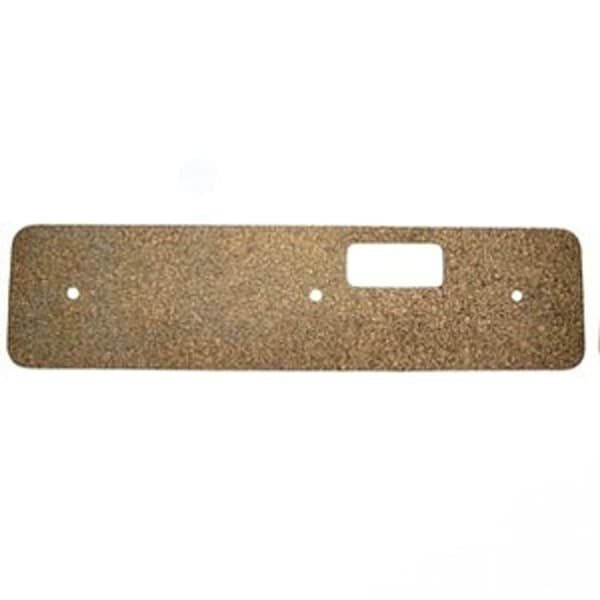
🔍 Looking for a specific part? Try our AI Part Finder — tell it your equipment and what you need, and it will find matching parts instantly.
Whether you're working on a classic John Deere, a reliable Ford, or a hardworking Case IH, push rod issues can arise. At Madison Tractor Company, we carry a wide selection of push rods for numerous brands, including New Holland, Massey Ferguson, Kubota, Allis Chalmers, Deutz, International Harvester, Oliver, White, Gleaner, Vermeer, Hesston, Mahindra, and Zetor. We also stock complete engine rebuild kits that include push rods and other essential components.
Identifying a Bent Tractor Push Rod
Recognizing the symptoms of a bent push rod early can prevent more extensive engine damage. Here are some common signs:
- Ticking or Clicking Noise: A noticeable tapping or clicking sound from the engine, often loudest at the valve cover, can indicate a bent push rod. This noise is caused by the increased valve lash resulting from the rod's deformation.
- Loss of Engine Power: A bent push rod can prevent the valve from opening fully or closing properly, leading to a decrease in cylinder compression and a corresponding reduction in engine power.
- Rough Idle: An engine with a bent push rod may exhibit a rough or uneven idle due to inconsistent combustion in one or more cylinders.
- Misfiring: Misfires can occur if the valve is not opening or closing correctly, resulting in unburned fuel in the exhaust.
- Visible Damage: Upon inspection, a bent push rod may show visible signs of bending or deformation.
Diagnosing a Bent Push Rod
If you suspect a bent push rod, follow these steps for diagnosis:
- Listen Carefully: Use a mechanic's stethoscope to pinpoint the source of the ticking or clicking noise. Focus on the valve cover area.
- Valve Cover Removal: Carefully remove the valve cover to expose the rocker arms and push rods. Safety Warning: Ensure the engine is cool before removing the valve cover.
- Visual Inspection: Visually inspect each push rod for signs of bending, wear, or damage. Rotate the engine manually to observe the movement of each push rod. Any deviation from a straight line indicates a problem.
- Rocker Arm Movement: Check the rocker arm movement for each valve. Uneven or restricted movement can indicate a bent push rod.
- Compression Test: Perform a compression test on each cylinder. Low compression in one or more cylinders can confirm a valve issue caused by a bent push rod.
Replacing a Bent Tractor Push Rod
Replacing a bent push rod is a relatively straightforward process, but it requires care and attention to detail. Here's a step-by-step guide:
- Gather Your Tools and Parts: You will need the following:
- New tractor push rod (ensure it's the correct part for your engine - see below for finding the right part)
- Valve cover gasket
- Wrench set
- Torque wrench
- Feeler gauges
- Clean rags
- Oil
- Prepare the Engine: Allow the engine to cool completely. Disconnect the negative battery cable for safety.
- Remove the Valve Cover: Carefully remove the valve cover, taking care not to damage the gasket. Clean the valve cover and the mating surface on the cylinder head.
- Identify the Bent Push Rod: Locate the bent push rod based on your earlier diagnosis.
- Loosen the Rocker Arm: Loosen the rocker arm nut or bolt associated with the bent push rod. This will allow you to remove the push rod.
- Remove the Push Rod: Carefully remove the bent push rod. Note its orientation to ensure proper installation of the new push rod.
- Inspect the Push Rod Socket: Inspect the push rod socket in the rocker arm and the lifter (tappet) for wear or damage. Clean the sockets thoroughly.
- Install the New Push Rod: Lubricate the new push rod with clean engine oil and carefully insert it into the push rod socket in the lifter and rocker arm. Ensure it is seated correctly.
- Adjust the Valve Lash: Adjust the valve lash according to your tractor's service manual specifications. Use feeler gauges to measure the clearance between the rocker arm and the valve stem. Torque specifications vary by engine model, but a typical valve lash adjustment for a John Deere 3020 diesel might be 0.016" for intake and exhaust, torqued to 20 ft-lbs. Always consult your service manual for accurate information.
- Reinstall the Valve Cover: Install a new valve cover gasket and carefully reinstall the valve cover. Torque the valve cover bolts to the specified torque, usually around 8-12 ft-lbs.
- Reconnect the Battery: Reconnect the negative battery cable.
- Start the Engine: Start the engine and listen for any unusual noises. Check for oil leaks around the valve cover.
- Verify Performance: Ensure the engine is running smoothly and that the misfiring or rough idle has been resolved.
Finding the Right Replacement Push Rod
Getting the correct replacement push rod is crucial for proper engine function. Here's how to find the right part:
- Consult Your Tractor's Service Manual: The service manual will provide the correct OEM part number for your specific engine model. For example, a Ford 8N tractor may use a specific push rod length different than a Ford 6600.
- Check Online Parts Catalogs: Many online parts catalogs allow you to search for parts by tractor model, engine type, or OEM part number.
- Contact Madison Tractor Company: Our experienced parts specialists can help you identify the correct push rod for your tractor. We can cross-reference OEM part numbers and provide expert advice. We stock push rods for a wide range of engines, including those found in John Deere, Case IH, Ford, New Holland, and Massey Ferguson tractors. We can help you locate hard-to-find parts for older models as well.
- Consider Aftermarket Options: High-quality aftermarket push rods can be a cost-effective alternative to OEM parts. Ensure that the aftermarket push rod meets or exceeds the specifications of the original part.
Preventing Future Push Rod Damage
Preventing push rod damage can save you time and money in the long run. Here are some tips:
- Proper Valve Adjustment: Regularly check and adjust the valve lash according to your tractor's service manual specifications. Incorrect valve lash can put excessive stress on the push rods.
- Clean Engine Oil: Use high-quality engine oil and change it regularly according to the manufacturer's recommendations. Dirty or contaminated oil can cause excessive wear on the lifters and push rods.
- Avoid Over-Revving: Avoid over-revving the engine, as this can cause valve float and potential push rod damage.
- Inspect Regularly: Periodically inspect the valve train components for signs of wear or damage. Replace worn parts promptly. Consider a complete tractor engine rebuild if multiple components show signs of wear or damage. We offer John Deere engine rebuild kits, Ford tractor engine rebuild kits, Perkins engine rebuild kits, and Case IH engine rebuild kits.
- Address Engine Issues Promptly: Address any engine issues, such as misfires or rough running, promptly. These issues can put additional stress on the valve train components. Make sure to also check other engine components like the tractor head gasket, tractor piston rings, and tractor main bearings.
Madison Tractor Company: Your Source for Tractor Parts
At Madison Tractor Company, we understand the importance of keeping your tractor running smoothly. We offer a comprehensive selection of tractor parts, including push rods, radiators, water pumps, starters, alternators, hydraulic pumps, cylinders, clutch kits, PTO parts, fuel pumps, carburetors, injectors, filters, gaskets, pistons, bearings, seals, belts, chains, concaves, and sickle sections, for all major brands.
Browse our online catalog or contact our knowledgeable parts specialists today to find the right parts for your tractor. We are committed to providing high-quality parts and exceptional customer service to keep your equipment running at its best. Don't let a bent tractor push rod sideline your operation. Shop with Madison Tractor Company and get back to work! You can also use our AI-Powered Part Finder to search for parts by your specific make and model.
Part of our comprehensive guide
Tractor Engine Rebuild Guide: Kits, Parts & When to Overhaul