








Tractor Oil Pump: Gear Pump Replacement by Brand
The oil pump is the heart of your tractor's lubrication system. Learn how to diagnose, repair, and replace your tractor oil pump with this comprehensive guide, covering common issues and brand-specific replacement tips.
Understanding Your tractor oil pump
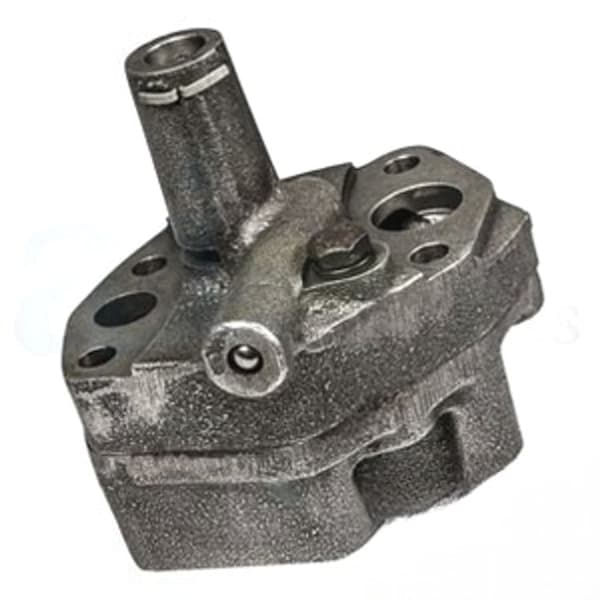
Your tractor's oil pump is a vital component, responsible for circulating oil throughout the engine to lubricate critical parts and prevent wear. A properly functioning oil pump ensures that components like pistons, bearings crankshafts receive the lubrication they need. Without it, engine damage is inevitable. Most tractor oil pumps are positive displacement gear pumps, known for their reliability and ability to maintain consistent pressure.
Recommended Parts for This Guide
10 parts we recommend — in stock, ships fast, one-click add to cart.
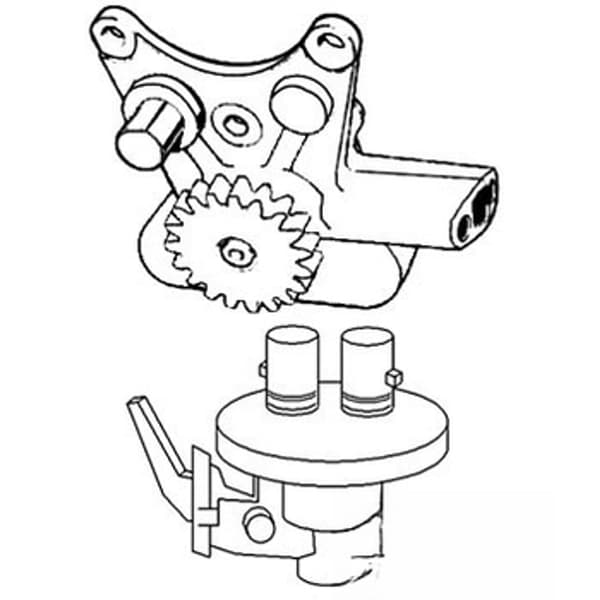
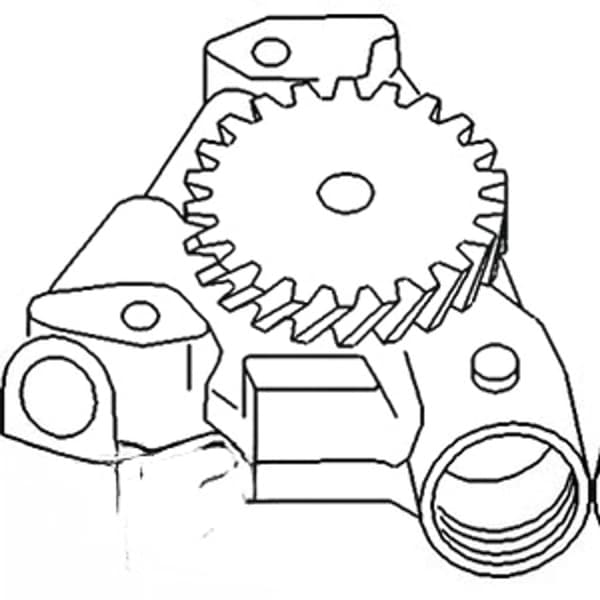
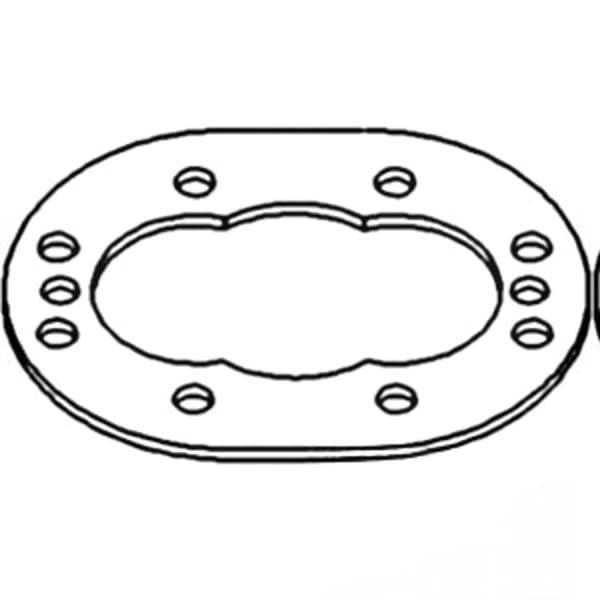
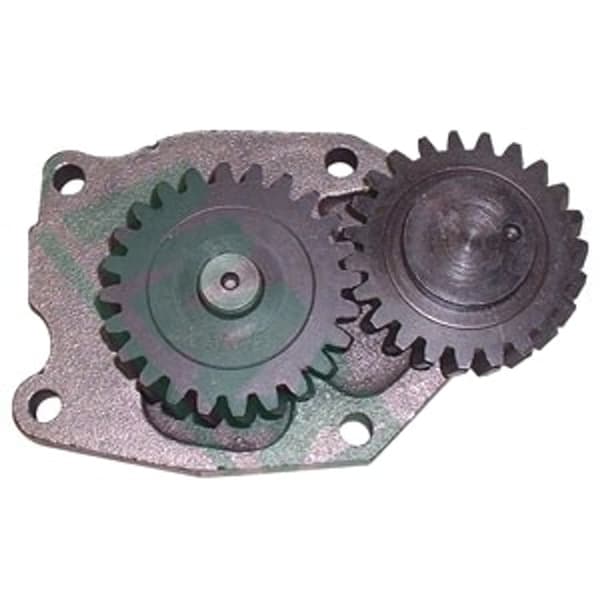
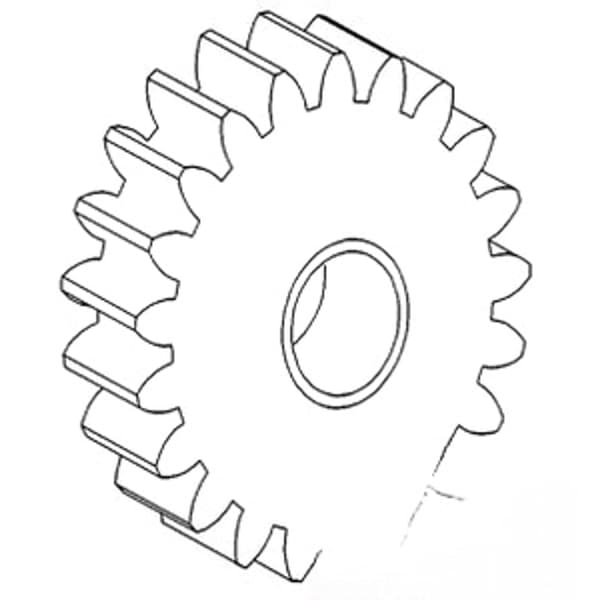
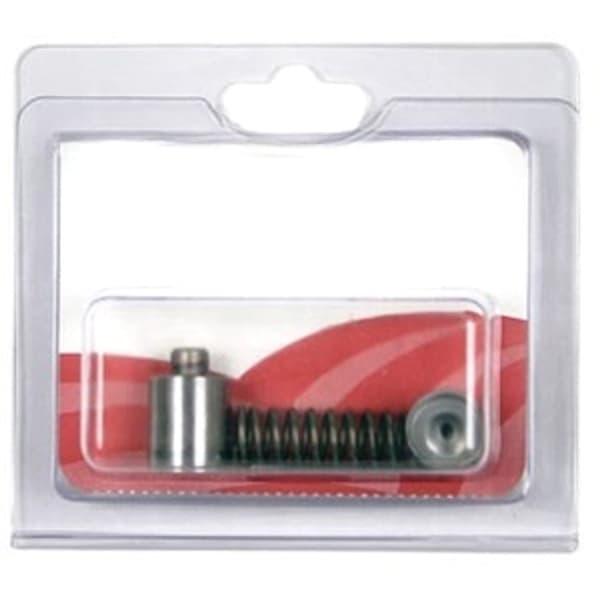
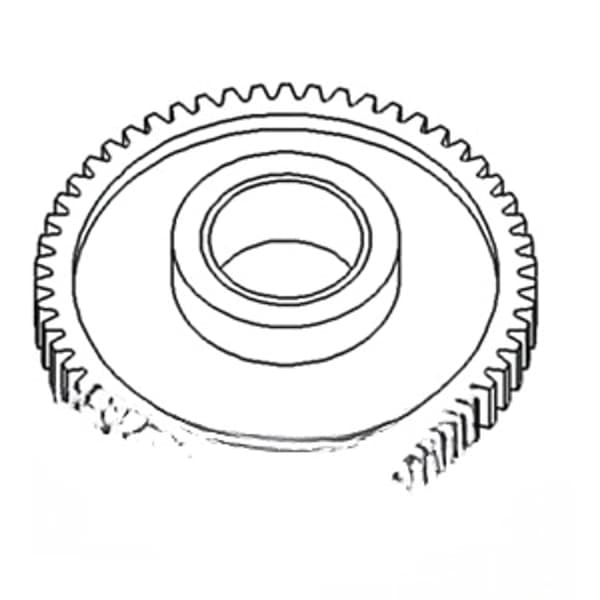
🔍 Looking for a specific part? Try our AI Part Finder — tell it your equipment and what you need, and it will find matching parts instantly.
This guide will cover common problems with tractor oil pumps, diagnosis methods replacement procedures, with specific notes for popular brands like John Deere, Case IH, Ford others. Remember to consult your tractor's service manual for specific instructions and torque specifications related to your model.
Don't forget to check out our wide selection of tractor engine parts, including John Deere, Case IHFord components at Madison Tractor Company.
Common Tractor Oil Pump Problems
Several issues can lead to oil pump failure. Identifying the root cause is crucial for effective repair
- Worn Gears The gears within the pump can wear down over time, reducing their ability to move oil efficiently. This is especially common in older tractors like Allis Chalmers or Oliver models where maintenance might have been neglected.
- Contamination Dirt, debris sludge can enter the oil pump, causing damage and restricting oil flow. Regular oil and filter changes are essential to prevent this.
- Cavitation Air bubbles in the oil can cause the pump to cavitate, leading to damage and reduced performance. This can be caused by a low oil level or a faulty oil pickup tube.
- Cracked or Damaged Housing The pump housing can crack or become damaged, leading to leaks and reduced pressure. This is more likely to happen during engine rebuilds if the pump is mishandled.
- Relief Valve Issues The oil pump relief valve regulates oil pressure. If it sticks open, it will cause low oil pressure if it sticks closed, it can cause excessive pressure.
Diagnosing Tractor Oil Pump Failure
Here's how to diagnose a failing oil pump
- Check Oil Pressure The most common symptom is low oil pressure, indicated by the oil pressure gauge on your tractor's dashboard. You can also use a mechanical oil pressure gauge to verify the reading.
- Listen for Unusual Noises A failing oil pump may produce whining or grinding noises.
- Inspect the Oil Check the oil for metal shavings or other debris, which indicates internal engine damage and potential oil pump problems.
- Check the Oil Filter Cut open the oil filter and inspect it for metal particles. A clogged filter can also contribute to low oil pressure.
- Bypass Test Some tractors have a bypass valve that allows you to run the engine without oil flowing through the pump. This can help determine if the pump is the source of the low-pressure reading. Warning Only perform this test briefly, as prolonged operation without oil pressure will damage your engine.
Tractor Oil Pump Replacement Procedure
Replacing a tractor oil pump generally involves the following steps. Always consult your tractor's service manual for specific instructions and torque specifications.
- Safety First Disconnect the battery to prevent accidental starting.
- Drain the Oil Drain the engine oil completely.
- Remove Obstacles Depending on the tractor model (e.g., certain Massey Ferguson or Kubota models), you may need to remove the front axle, oil pan, or other components to access the oil pump.
- Locate the Oil Pump The oil pump is typically located inside the oil pan, driven by the crankshaft or camshaft.
- Disconnect Oil Lines Carefully disconnect any oil lines connected to the pump.
- Remove the Pump Unbolt the oil pump from the engine block. Note the position of any shims or spacers.
- Inspect the Oil Pickup Tube Check the oil pickup tube for cracks or blockages. Replace if necessary.
- Install the New Pump Install the new oil pump, ensuring it is properly aligned. Use new gaskets and seals.
- Torque Specifications Tighten the bolts to the manufacturer's specified torque. Incorrect torque can lead to leaks or damage. For example, a John Deere 4020 might require a different torque than a newer John Deere 5075E.
- Reconnect Oil Lines Reconnect the oil lines securely.
- Reinstall Components Reinstall any components that were removed to access the pump, such as the oil pan or front axle.
- Refill with Oil Refill the engine with the correct type and quantity of oil. Refer to your tractor's manual for the appropriate oil type and capacity. A Ford 8N will have different requirements than a modern Case IH Magnum.
- Prime the Oil System Before starting the engine, prime the oil system by cranking the engine over with the starter for a few seconds.
- Check for Leaks Start the engine and check for any oil leaks around the pump and oil lines.
- Monitor Oil Pressure Monitor the oil pressure gauge to ensure the pump is functioning correctly.
Brand-Specific Considerations
Here are some brand-specific notes to consider when replacing a tractor oil pump
- John Deere John Deere oil pumps are generally reliable, but can suffer from wear over time, especially in older models like the 3020 or 4020. When replacing, ensure you use the correct part number for your specific engine (e.g., for certain 4045 engines). See our article on John Deere engine rebuild kit for related parts.
- Case IH Case IH oil pumps, especially in the older International Harvester models, are susceptible to contamination. Consider flushing the engine before installing a new pump. A Case IH 585 may have different pump requirements compared to a newer Magnum series. Explore our Case IH engine rebuild kit options.
- Ford/New Holland Ford tractor oil pumps are often gear-driven and robust. However, wear on the gears can cause low oil pressure. When replacing, inspect the crankshaft gear for wear as well. Ford 8N and 9N models are known to have unique oil pump designs. Browse our Ford tractor engine rebuild kit selection.
- Massey Ferguson Massey Ferguson oil pumps can be challenging to access on some models. Be sure to have the correct tools and follow the service manual closely.
- Kubota Kubota oil pumps are generally compact and efficient. However, they can be sensitive to contamination. Regular oil changes are essential.
- Perkins Found in many tractors (including Massey Ferguson and some Landini models), Perkins engines often have oil pumps integrated into the engine block. Proper alignment is crucial during installation. Refer to our Perkins engine rebuild kit article for more engine component information.
Remember to also inspect and, if necessary, replace other engine components during this process, such as tractor piston rings, tractor main bearings the tractor head gasket.
Choosing the Right Replacement Oil Pump
When selecting a replacement oil pump, consider the following
- OEM vs. Aftermarket OEM (Original Equipment Manufacturer) pumps are made to the exact specifications of the original pump. Aftermarket pumps can be a more affordable option, but ensure they meet quality standards.
- Flow Rate and Pressure Choose a pump with the correct flow rate and pressure for your engine. Using a pump with an insufficient flow rate can lead to engine damage.
- Warranty Look for a pump with a good warranty.
Madison Tractor Company offers a wide range of oil pumps for all major tractor brands. Our knowledgeable staff can help you select the correct pump for your needs.
Preventative Maintenance
The best way to avoid oil pump problems is to perform regular preventative maintenance
- Regular Oil and Filter Changes Change the oil and filter according to the manufacturer's recommendations.
- Use High-Quality Oil Use the correct type and viscosity of oil for your tractor.
- Monitor Oil Pressure Regularly check the oil pressure gauge and address any issues promptly.
- Keep the Engine Clean Prevent dirt and debris from entering the engine.
Other Engine Components to Consider
When working on your tractor's engine, consider also inspecting these components. We carry a wide range of replacement parts
- Radiators Ensure proper engine cooling.
- Water Pumps Keep coolant circulating effectively.
- Starters and Alternators Ensure reliable engine starting and charging.
- Hydraulic Pumps Maintain proper hydraulic system function.
- Fuel Pumps, Carburetors Injectors Ensure correct fuel delivery.
- Filters Keep fluids and air clean.
- Gaskets and Seals Prevent leaks.
Shop Tractor Oil Pumps at Madison Tractor Company
At Madison Tractor Company, we understand the importance of keeping your equipment running smoothly. We offer a wide selection of high-quality tractor oil pumps and other engine parts for all major brands, including John Deere, Case IH, Ford, New Holland, Massey Ferguson, Kubota more.
Browse our online catalog or contact our knowledgeable staff for assistance in finding the right parts for your tractor. We are committed to providing you with the best products and service to keep your farm running efficiently. Shop our selection of tractor engine parts today! You can also use our AI-Powered Part Finder to search for parts by your specific make and model.
Part of our comprehensive guide
Tractor Engine Rebuild Guide: Kits, Parts & When to Overhaul