








Tractor Flywheel: Ring Gear & Resurfacing Options
The tractor flywheel is a critical component. Learn to diagnose ring gear wear, determine when resurfacing is needed, and explore replacement options to keep your machine running smoothly.
The tractor flywheel is a heavy, rotating disc connected to the engine's crankshaft. Its primary function is to store rotational energy, smoothing out the power pulses from the engine's combustion process. This stored energy is then released to provide a more consistent power output, essential for tasks like pulling implements or operating PTO-driven equipment. The flywheel also houses the ring gear, crucial for starting the engine.
Recommended Parts for This Guide
6 parts we recommend — in stock, ships fast, one-click add to cart.
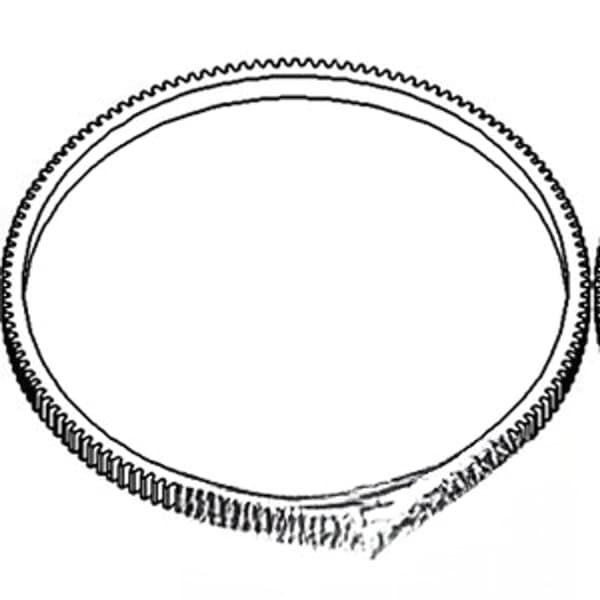
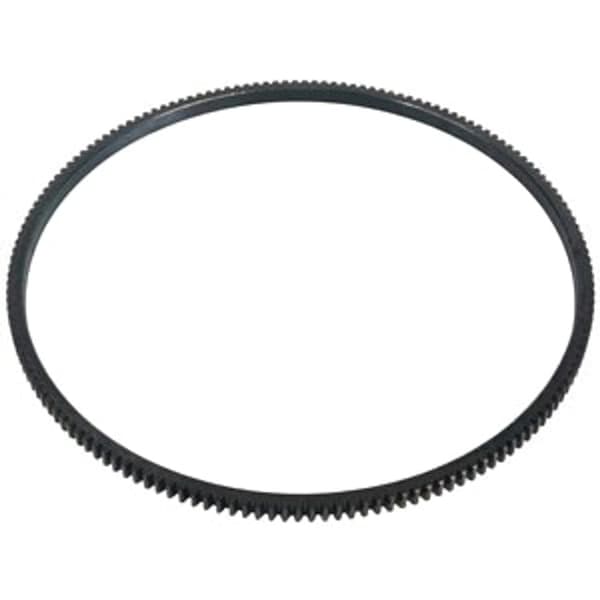
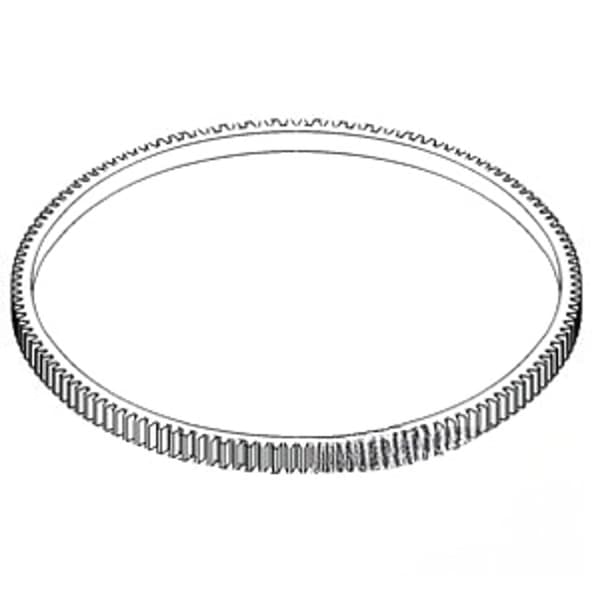
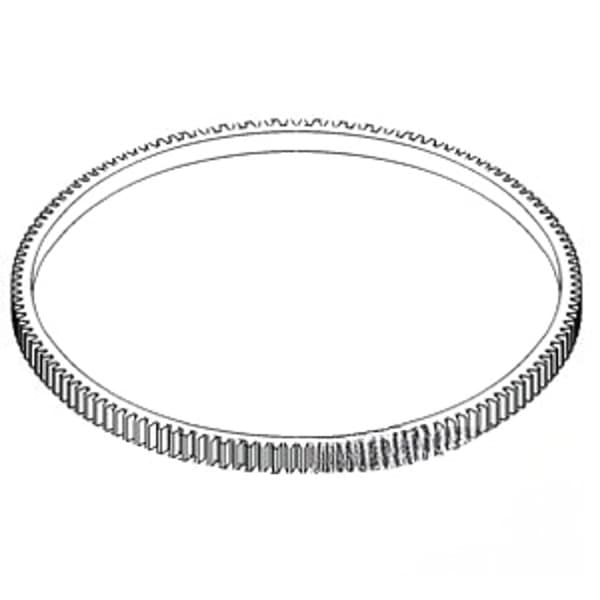
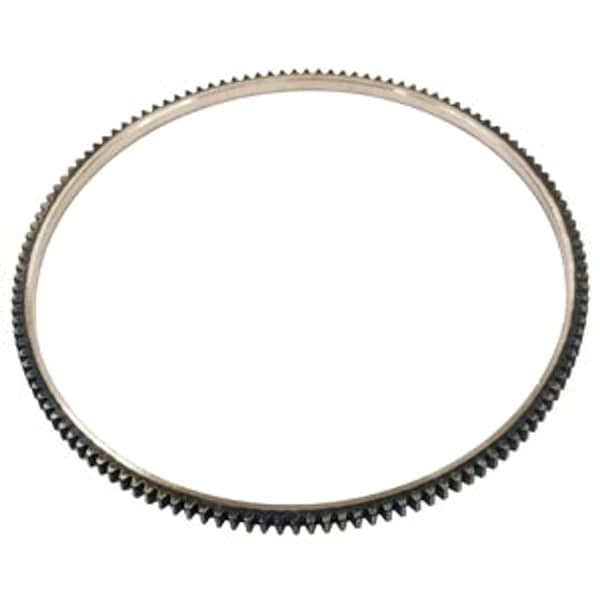
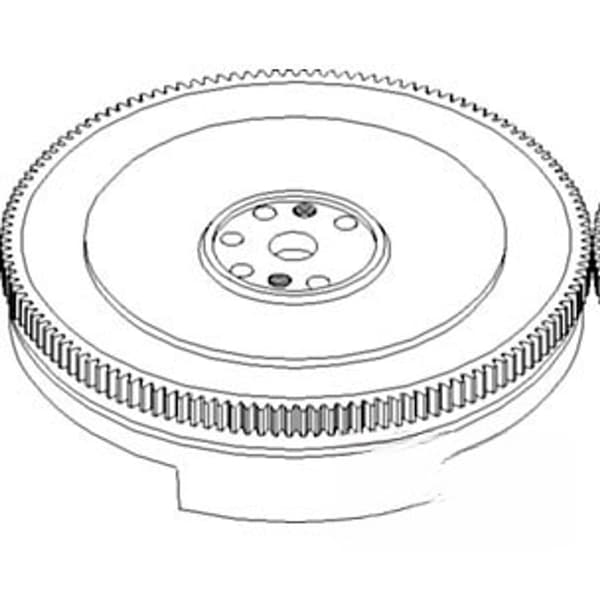
🔍 Looking for a specific part? Try our AI Part Finder — tell it your equipment and what you need, and it will find matching parts instantly.
Understanding Flywheel Function
Think of the flywheel as a mechanical battery. Each time a cylinder fires, it imparts energy to the flywheel, increasing its rotational speed. Between firing events, the flywheel releases this energy, maintaining a more constant speed than the engine could achieve on its own. This smoothing effect is crucial for:
- Consistent Power Delivery: Prevents jerky operation, especially under load.
- Easier Starting: Provides inertia for the starter motor to overcome compression.
- Reduced Engine Vibration: Dampens vibrations, extending engine life and improving operator comfort.
Flywheels are precision-engineered components. Any damage or imbalance can lead to serious engine problems. Regularly inspecting your John Deere engine, Ford tractor engine or other engine types is essential for preventative maintenance.
Diagnosing Ring Gear Problems
The ring gear is a toothed ring attached to the flywheel's outer diameter. The starter motor's pinion gear engages with the ring gear to crank the engine. Over time, the ring gear can experience wear and damage, leading to starting problems.
Common Symptoms of a Worn Ring Gear:
- Grinding Noise During Starting: This is the most common symptom, indicating that the starter pinion gear is slipping or not engaging properly with the ring gear teeth.
- Intermittent Starting Issues: The engine may start sometimes but fail to start at other times, especially in cold weather.
- Starter Motor Spins Freely: The starter motor may spin without engaging the engine, indicating severely damaged or missing ring gear teeth.
- Visible Damage: Inspect the ring gear teeth for wear, cracks, chips, or missing sections. This often requires removing the starter motor and visually inspecting the ring gear through the starter opening.
Troubleshooting Ring Gear Engagement Issues:
- Check the Starter Motor: Ensure the starter motor is functioning correctly. A weak or faulty starter motor can mimic ring gear problems. Check the solenoid and pinion gear for proper operation. Madison Tractor Company carries a wide range of starters and alternators for most major tractor brands, including John Deere, Case IH, and Ford.
- Inspect the Ring Gear Teeth: Visually inspect the ring gear teeth for wear, damage, or debris. A mirror and flashlight can be helpful for accessing hard-to-reach areas.
- Rotate the Flywheel: Rotate the engine manually (using a breaker bar on the crankshaft pulley) to inspect the entire ring gear circumference. Damage may be localized to a specific area.
Specific Ring Gear Considerations by Brand:
- John Deere: Search available parts
- Case IH: Case IH tractors, such as the Farmall series, may experience ring gear wear due to high-torque starting requirements.
- Ford/New Holland: Search available parts
- Massey Ferguson: Early Massey Ferguson models (e.g., MF 35, MF 135) are also known for ring gear issues due to age and operating conditions.
Flywheel Resurfacing and Replacement Options
If the flywheel surface (where the clutch disc contacts) is worn, scored, or heat-checked, resurfacing may be necessary. The goal of resurfacing is to restore a smooth, flat surface for optimal clutch performance. However, if the ring gear is damaged beyond repair, or if the flywheel is severely cracked or warped, replacement is the only option.
When to Resurface:
- Clutch Slippage: If you experience clutch slippage despite a properly adjusted clutch linkage, the flywheel surface may be glazed or uneven.
- Clutch Chatter: A rough or warped flywheel surface can cause clutch chatter during engagement.
- Visible Wear: Inspect the flywheel surface for deep grooves, heat cracks (hairline fractures caused by overheating), or excessive wear.
The Resurfacing Process:
- Removal: Remove the flywheel from the engine. This typically involves disconnecting the driveshaft, transmission, and clutch assembly.
- Inspection: Thoroughly inspect the flywheel for cracks, warping, and ring gear damage. If significant damage is present, replacement is recommended.
- Machining: Take the flywheel to a qualified machine shop. They will use a specialized lathe to grind the flywheel surface to a smooth, flat finish. It's crucial that the machine shop removes only the minimum amount of material necessary to restore the surface. Excessive material removal can weaken the flywheel.
- Reinstallation: Reinstall the resurfaced flywheel, ensuring it is properly torqued to the manufacturer's specifications. Refer to your tractor's service manual for the correct torque values. For example, a Ford 8N flywheel typically requires around 70-80 ft-lbs of torque. Use new gaskets and seals where applicable.
When to Replace:
- Cracked or Warped Flywheel: Any cracks or warping render the flywheel unsafe and necessitate replacement.
- Severely Damaged Ring Gear: If the ring gear has multiple missing or severely damaged teeth, replacement is the best option. Replacing the entire flywheel with a new ring gear saves time and ensures proper engagement.
- Excessive Material Removal: If the flywheel has been resurfaced multiple times, it may be too thin to provide adequate strength. In this case, replacement is recommended.
Flywheel Replacement Tips:
- Use the Correct Flywheel: Ensure you are using the correct flywheel for your specific engine model. Flywheels vary in size, weight, and bolt pattern.
- Torque to Specifications: Always torque the flywheel bolts to the manufacturer's specifications using a torque wrench. Incorrect torque can lead to vibration, bolt failure, and engine damage.
- Consider a New Clutch Kit: When replacing the flywheel, it's often a good idea to replace the clutch kit as well. This ensures that all components are in good condition and working together optimally. Consider replacing the flywheel bearing at the same time for comprehensive maintenance. Madison Tractor Company offers complete clutch kits for various tractor models.
Whether you need a tractor head gasket, tractor piston rings, tractor main bearings or a complete Perkins engine rebuild kit, ensure you have the right parts for the job. We stock parts for Allis Chalmers, Deutz, International Harvester, Oliver, White, Gleaner, Vermeer, Hesston, Mahindra, and Zetor tractors and equipment.
Safety Precautions
Working on a tractor flywheel involves potential hazards. Always follow these safety precautions:
- Disconnect the Battery: Before working on any electrical components, disconnect the negative battery cable to prevent accidental starting.
- Use Proper Lifting Equipment: Flywheels are heavy. Use a suitable hoist or lifting device to avoid injury.
- Wear Safety Glasses: Protect your eyes from flying debris when working with tools and machinery.
- Consult the Service Manual: Refer to your tractor's service manual for specific instructions and torque specifications.
By following these guidelines, you can effectively diagnose and address flywheel and ring gear problems, ensuring the reliable operation of your tractor. Don't forget to maintain other engine components like radiators, water pumps, fuel pumps, and regularly replace your filters.
Remember to consult your tractor's service manual for specific torque specifications and procedures related to your specific make and model. We often see folks overlooking the correct torque specs for the pressure plate bolts on a Case IH engine rebuild, which can lead to clutch failure.
Regular maintenance, including oil changes, coolant checks, and visual inspections, can help prevent flywheel and ring gear problems.
Shop Tractor Parts at Madison Tractor Company
At Madison Tractor Company, we understand the importance of keeping your equipment running smoothly. We offer a wide selection of high-quality tractor parts, including flywheels, ring gears, starters, alternators, clutch kits, and more, for all major brands. Browse our online catalog or contact our knowledgeable parts specialists for assistance in finding the right parts for your specific needs.
🔍 Can't Find Your Part?
Use our AI-Powered Part Finder to search by your equipment's make, model, and what you need. It's the fastest way to find the exact part for your machine.
Try the Part Finder →Part of our comprehensive guide
Tractor Engine Rebuild Guide: Kits, Parts & When to Overhaul