








Tractor Injector Nozzle: Diesel Spray Pattern & Testing
A properly functioning tractor injector nozzle is vital for efficient combustion and optimal engine performance. This guide explains diesel spray patterns, testing procedures, and troubleshooting common injector problems, helping you diagnose and maintain your tractor's fuel system.
The tractor injector nozzle, sometimes referred to simply as a fuel injector, is a critical component of your diesel engine's fuel system. It's responsible for atomizing and injecting fuel into the combustion chamber at precisely the right time and with the correct spray pattern. A malfunctioning injector nozzle can lead to a variety of problems, including reduced power, poor fuel economy, excessive smoke even engine damage. At Madison Tractor Company, we understand the importance of keeping your equipment running smoothly, which is why we offer a wide selection of injector nozzles and related components for all major brands, including John Deere, Case IH, Ford, New Holland, Massey Ferguson, Kubota, Allis Chalmers, Deutz, International Harvester, Oliver, White, Gleaner, Vermeer, Hesston, Mahindra Zetor.
Recommended Parts for This Guide
6 parts we recommend — in stock, ships fast, one-click add to cart.
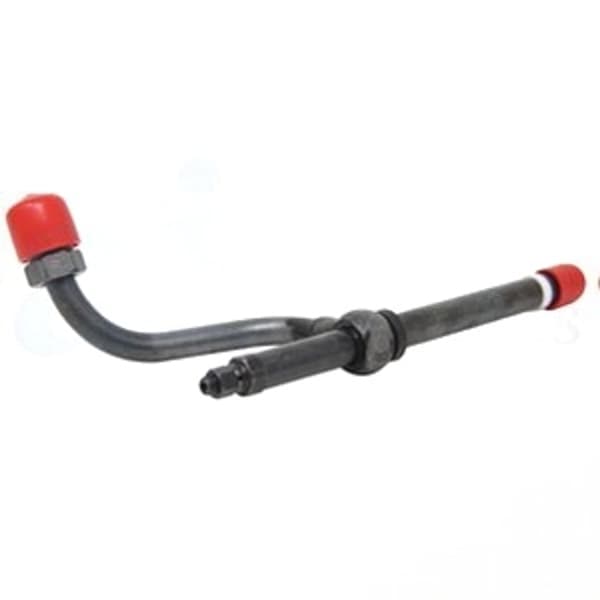
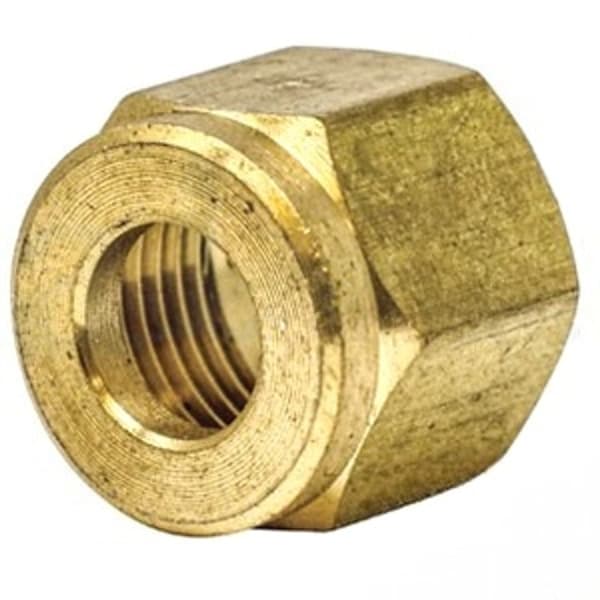
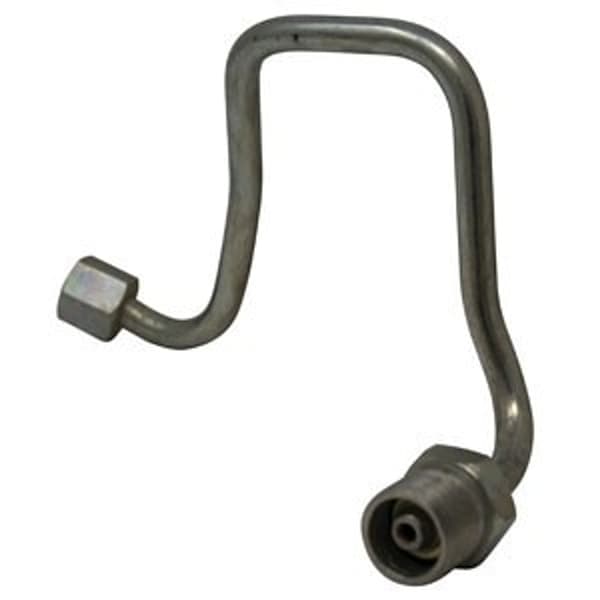
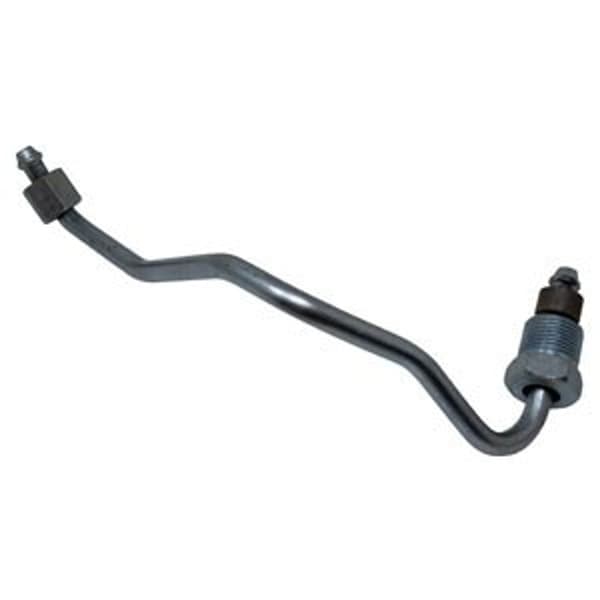
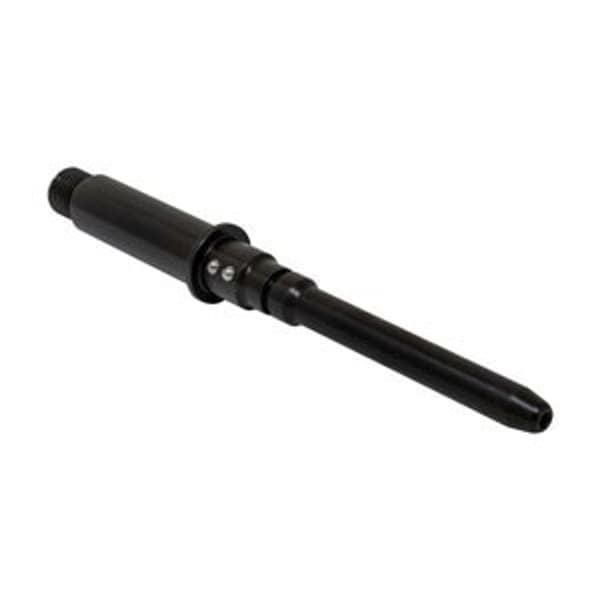
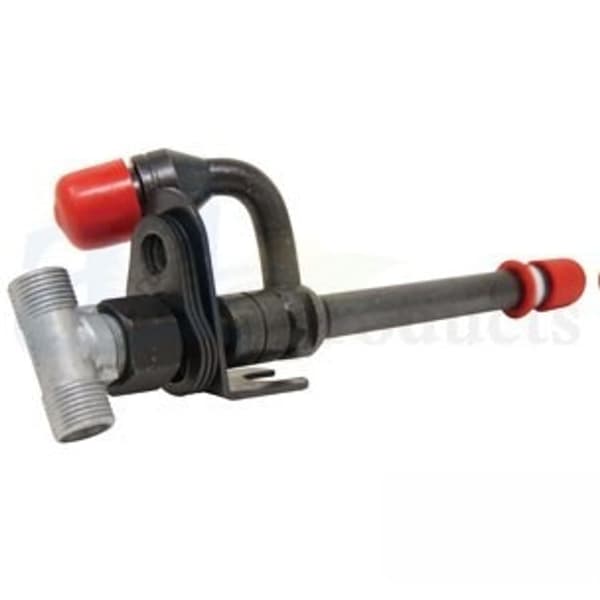
🔍 Looking for a specific part? Try our AI Part Finder — tell it your equipment and what you need, and it will find matching parts instantly.
Understanding Tractor Injector Nozzle Function
Diesel engines rely on compression ignition, meaning fuel ignites due to the heat generated by compressing air in the cylinder. The injector nozzle plays a key role in this process. It must
- Atomize the fuel Break the fuel into a fine mist for efficient combustion.
- Meter the fuel Deliver the correct amount of fuel for the engine's load and speed.
- Time the injection Inject the fuel at precisely the right moment in the combustion cycle.
- Distribute the fuel Spray the fuel in a specific pattern to ensure even distribution within the combustion chamber.
The spray pattern is crucial for complete and efficient combustion. Different engines and injector types require different spray patterns, which are precisely engineered by the manufacturer. Common spray patterns include cone, multi-hole pintle nozzles. Using the wrong nozzle can severely impact engine performance and longevity. For example, a John Deere tractor using a Bosch injector nozzle with a cross-reference number for a 6.8L engine requires a specific spray angle that is designed for that combustion chamber. Deviation can lead to piston wash and incomplete combustion. You can find replacement John Deere tractor parts here.
Common Symptoms of a Failing Tractor Injector Nozzle
Several symptoms can indicate a failing tractor injector nozzle. Identifying these early can prevent more serious engine damage.
- Excessive smoke Black smoke indicates too much fuel, while white or blue smoke can indicate unburnt fuel or burning oil.
- Reduced power A misfiring or poorly atomizing injector can significantly reduce engine power.
- Poor fuel economy Inefficient combustion wastes fuel.
- Rough idling A faulty injector can cause the engine to idle unevenly.
- Engine knocking or pinging Improper fuel injection can lead to pre-ignition or detonation.
- Difficulty starting A clogged or leaking injector can make the engine hard to start, especially in cold weather.
- Fuel dilution of engine oil Leaking injectors can allow diesel fuel to seep into the crankcase, contaminating the engine oil.
If you experience any of these symptoms, it's crucial to investigate the cause and address any issues with your fuel system promptly. Replacing your tractor injectors could be necessary.
Testing Tractor Injector Nozzles
Several methods can be used to test tractor injector nozzles. The most accurate method involves using a professional injector testing machine. However, some basic tests can be performed in the field.
Visual Inspection
Examine the injector nozzle for any signs of damage, such as cracks, leaks, or corrosion. Look for excessive carbon buildup around the nozzle tip.
Pop-Off Pressure Test
This test measures the pressure required to open the injector nozzle. A specialized injector tester is needed for this procedure. It's crucial to know the correct pop-off pressure specification for your specific injector. This information can usually be found in the tractor's service manual.
Safety Warning When performing pop-off pressure tests, always wear appropriate safety glasses and gloves. Diesel fuel is flammable and can be harmful to your skin and eyes.
Procedure
- Connect the injector to the tester.
- Slowly increase the pressure on the tester.
- Observe the pressure gauge when the injector starts to spray fuel.
- Compare the measured pressure to the manufacturer's specifications.
If the pop-off pressure is too low, the injector may be leaking or opening prematurely. If it's too high, the injector may be clogged or not opening properly. For instance, an injector from a Case IH tractor might require a pop-off pressure between 2800-3200 PSI. Check your service manual for exact specifications. If you need to replace it, you can find Case IH tractor parts on our website.
Spray Pattern Test
This test evaluates the quality and shape of the fuel spray. Again, an injector tester is required.
Safety Warning Conduct this test in a well-ventilated area, as diesel fuel fumes can be harmful. Wear appropriate safety gear.
Procedure
- Connect the injector to the tester.
- Actuate the tester to spray fuel into a container.
- Observe the spray pattern.
A good spray pattern should be finely atomized, evenly distributed free from drips or streams. Common spray pattern issues
- Dribbling Fuel leaking from the nozzle instead of spraying.
- Streaking Uneven spray pattern with distinct streams of fuel.
- Poor atomization Large droplets of fuel instead of a fine mist.
- Asymmetrical spray Uneven distribution of fuel.
Any of these issues indicate a problem with the injector nozzle and the need for repair or replacement. Sometimes, a faulty injector can be traced back to a failing fuel pump. Ensure proper fuel delivery before condemning the injectors.
Return Flow Test (for some injector types)
Some electronic or common rail diesel injectors have a return flow line. This test measures the amount of fuel that returns to the fuel tank. Excessive return flow indicates internal leakage within the injector. Special adapters and measuring devices are required for this test.
Cleaning vs. Replacing Injector Nozzles
In some cases, injector nozzles can be cleaned to restore proper function. However, cleaning is not always effective, especially if the nozzle is severely worn or damaged. Ultrasonic cleaning is often used to remove carbon deposits and varnish from the nozzle. However, this should only be done by a qualified professional with the proper equipment.
Generally, if an injector nozzle fails any of the tests described above or exhibits signs of significant wear, it's best to replace it with a new or remanufactured unit. At Madison Tractor Company, we recommend replacing all injector nozzles as a set to ensure consistent performance and avoid imbalances between cylinders. When rebuilding your engine, consider a John Deere engine rebuild kit, Ford tractor engine rebuild kit, Perkins engine rebuild kit or Case IH engine rebuild kit depending on the engine you have. Also, ensure you use a new tractor head gasket with the correct torque specifications to ensure proper sealing.
Installing New Tractor Injector Nozzles
Installing new injector nozzles requires careful attention to detail. Always follow the manufacturer's instructions and use the correct tools. Here are some general guidelines
- Cleanliness Ensure the area around the injector port is clean and free from debris. Contamination can damage the new injector.
- Seals and Washers Always use new seals, washers, and injector nozzle nuts when installing injector nozzles.
- Torque Specifications Tighten the injector nozzle to the manufacturer's specified torque. Over-tightening can damage the injector or the cylinder head. Use a torque wrench for accurate tightening.
- Fuel Lines Inspect the fuel lines and fittings for any damage or leaks. Replace any worn or damaged components.
- Bleeding the Fuel System After installing the new injectors, bleed the fuel system to remove any air. This is essential for proper engine starting and performance. Refer to your tractor's service manual for the correct bleeding procedure.
For example, a Massey Ferguson 240 tractor using a CAV injector requires a specific torque setting of 45-50 Nm (33-37 lb-ft). Consult the service manual for your specific model. While you're replacing injectors, consider checking the condition of your tractor piston rings, tractor main bearings other engine components.
Preventative Maintenance for Injector Nozzles
Regular preventative maintenance can help extend the life of your tractor injector nozzles.
- Use Clean Fuel Always use high-quality diesel fuel from a reputable source. Contaminated fuel can clog injector nozzles and damage other fuel system components.
- Fuel Filters Replace your fuel filters regularly according to the manufacturer's recommendations. Clean fuel filters prevent dirt and debris from reaching the injector nozzles. Be sure to use the correct filters for your application.
- Fuel Additives Consider using fuel additives designed to clean and protect fuel injectors. These additives can help remove carbon deposits and prevent corrosion.
- Regular Engine Service Follow the manufacturer's recommended service intervals for your tractor. Regular engine service can help identify and address potential fuel system issues before they become major problems.
By understanding the function of tractor injector nozzles, recognizing the symptoms of failure performing proper testing and maintenance, you can keep your tractor running smoothly and efficiently. Madison Tractor Company is your trusted source for all your tractor parts needs, from radiators and water pumps to starters and alternators, we've got you covered. Remember to check your John Deere head gasket set for any leaks or damage, as this can affect engine performance.
Shop Madison Tractor Company for Your Tractor Parts Needs!
At Madison Tractor Company, we are dedicated to providing high-quality tractor parts and exceptional customer service. We carry a wide selection of injector nozzles and other fuel system components for all major tractor brands. Browse our extensive online catalog or contact our knowledgeable team for assistance in finding the right parts for your equipment. Keep your tractor running strong with Madison Tractor Company! You can also use our AI-Powered Part Finder to search for parts by your specific make and model.
Part of our comprehensive guide
Tractor Engine Rebuild Guide: Kits, Parts & When to Overhaul