








Tractor Crankshaft: New, Reground & Exchange Programs
A tractor crankshaft is a critical engine component. Learn the differences between new, reground, and exchange crankshafts, how to inspect them, and find the right option for your tractor repair.
Understanding the Tractor Crankshaft
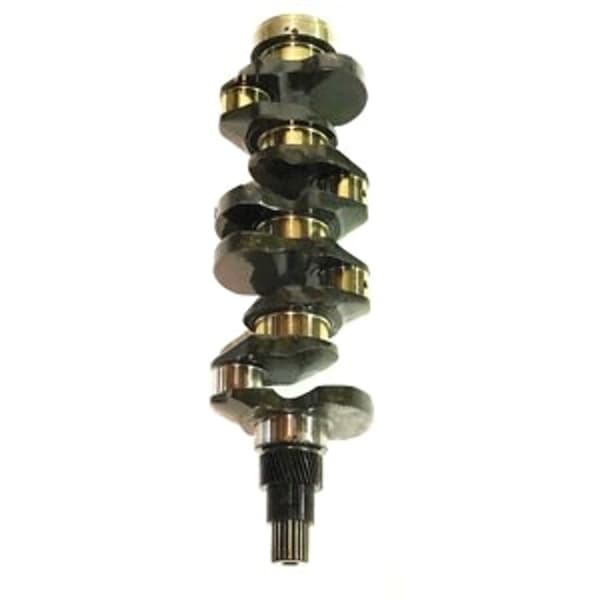
The crankshaft is the backbone of your tractor's engine, converting the linear motion of the pistons into rotational force that drives the transmission and ultimately, your wheels. When a crankshaft fails, your tractor is out of commission, impacting productivity and potentially leading to costly downtime. At Madison Tractor Company, we understand the urgency and offer various solutions to get you back in the field, including new, reground, and exchange crankshaft programs.
Recommended Parts for This Guide
9 parts we recommend — in stock, ships fast, one-click add to cart.
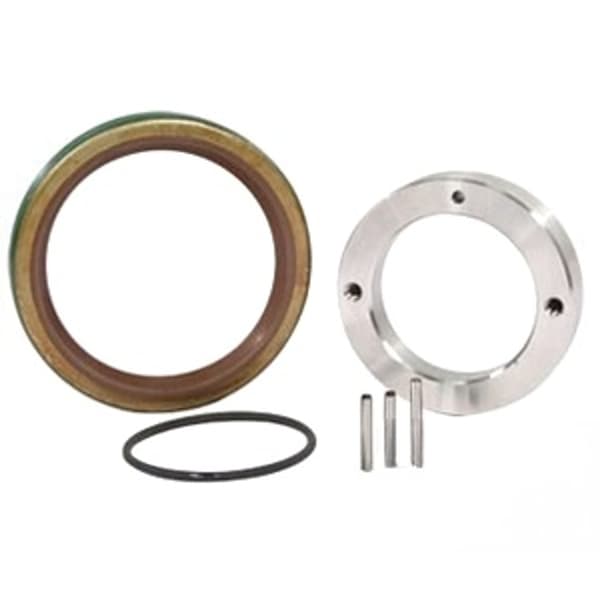
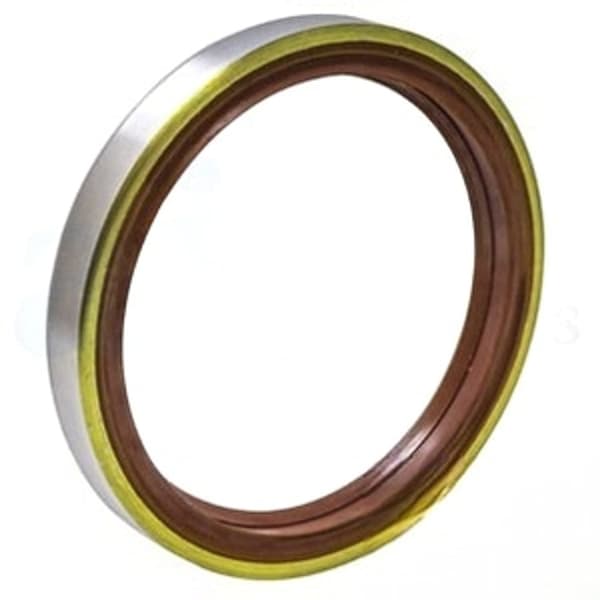
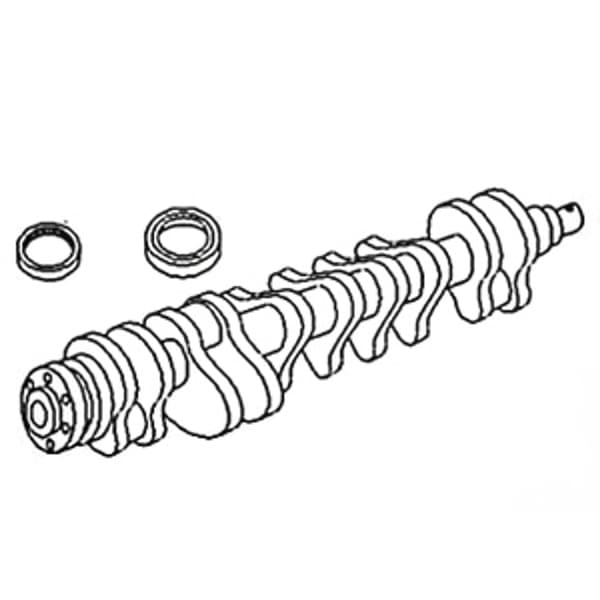
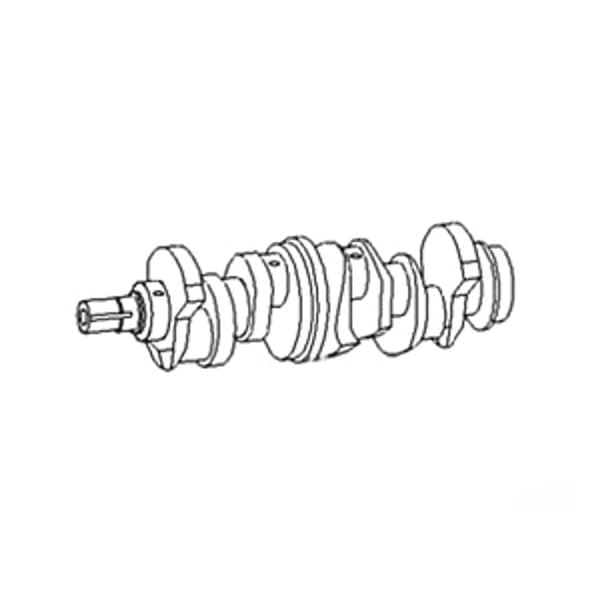
🔍 Looking for a specific part? Try our AI Part Finder — tell it your equipment and what you need, and it will find matching parts instantly.
This article will guide you through these options, helping you make an informed decision based on your needs, budget, and the condition of your engine. Whether you're working on a vintage Allis Chalmers or a modern John Deere, understanding your crankshaft options is crucial.
New Tractor Crankshafts
A new tractor crankshaft is exactly what it sounds like: a brand-new component manufactured to OEM specifications. This is often the preferred choice when:
- The existing crankshaft is severely damaged beyond repair (e.g., cracked, excessively worn).
- You're performing a complete engine rebuild and want the assurance of all-new components.
- Downtime is critical, and you need a fast and reliable solution.
Benefits of a New Crankshaft:
- Maximum lifespan and durability.
- Peace of mind knowing the component is free from previous wear and tear.
- Adherence to original factory specifications.
When to Consider a New Crankshaft:
- Significant damage: Cracks, deep scoring, or a bent crankshaft typically warrant replacement.
- Complete engine overhaul: A new crankshaft provides a fresh start and contributes to the longevity of the rebuilt engine. When completing a full rebuild, you may consider purchasing a Ford tractor engine rebuild kit, Perkins engine rebuild kit, or Case IH engine rebuild kit.
- High-hour engines: If your tractor has accumulated significant hours, a new crankshaft can be a worthwhile investment.
At Madison Tractor Company, we stock new crankshafts for a wide range of tractor brands, including John Deere, Case IH, Ford, New Holland, Massey Ferguson, Kubota, and more. We also carry essential engine components like radiators and water pumps.
Reground Tractor Crankshafts
A reground crankshaft is a used crankshaft that has been resurfaced to restore its original dimensions. This process involves:
- Inspection: The crankshaft is thoroughly inspected for cracks, excessive wear, and other damage.
- Grinding: The journals (the bearing surfaces) are ground down to a smaller, consistent diameter.
- Polishing: The journals are polished to a smooth finish.
- Balancing: The crankshaft is balanced to ensure smooth engine operation.
Benefits of a Reground Crankshaft:
- Cost-effective alternative to a new crankshaft.
- Environmentally friendly, as it reuses an existing component.
- Suitable for engines with moderate wear on the crankshaft journals.
When to Consider a Reground Crankshaft:
- Minor journal wear or scoring: If the crankshaft journals have some wear but are otherwise in good condition, regrinding can restore them to proper dimensions.
- Budget constraints: Regrinding is generally less expensive than purchasing a new crankshaft.
Important Considerations:
- Undersize Bearings: When a crankshaft is reground, the journals become smaller. You will need to use undersize main bearings and connecting rod bearings to compensate for the material removed during grinding. Madison Tractor Company carries a full range of undersize bearings to match your reground crankshaft.
- Professional Regrinding: It's crucial to have the crankshaft reground by a reputable machine shop with experience in tractor engines. Improper regrinding can lead to engine damage.
Tractor Crankshaft Exchange Programs
An exchange program is a hybrid approach that combines the benefits of both new and reground crankshafts. Here's how it works:
- You purchase a remanufactured crankshaft from Madison Tractor Company.
- You return your old crankshaft to us.
- Your core charge is refunded upon inspection of your core.
The crankshaft you receive has typically been:
- Inspected for damage
- Reground if necessary
- Polished
- Balancing
Benefits of an Exchange Program:
- Faster turnaround time compared to having your crankshaft reground locally.
- Cost-effective solution.
- Guaranteed to meet OEM specifications.
When to Consider an Exchange Program:
- You need a crankshaft quickly.
- You want a guaranteed quality remanufactured component.
- You have a core crankshaft to return.
Always ensure your returned core meets the specified criteria to avoid core charge deductions. Conditions vary, but typically the core should not be cracked or have undergone previous welding repairs.
Inspecting Your Tractor Crankshaft
Before deciding on a new, reground, or exchange crankshaft, carefully inspect your existing crankshaft for damage. Here's what to look for:
- Cracks: Use a magnifying glass and a bright light to check for cracks, especially around the journals and the fillet radii (the curved areas where the journals meet the crankshaft body). Cracks are a serious issue and typically warrant replacement.
- Journal Wear: Measure the diameter of each journal with a micrometer. Compare the measurements to the manufacturer's specifications. Excessive wear indicates the need for regrinding or replacement.
- Scoring: Look for deep scratches or grooves on the journal surfaces. Minor scoring can sometimes be addressed with regrinding, but severe scoring may require replacement.
- Bent Crankshaft: Use a dial indicator to check for runout (deviation from true rotation). Excessive runout indicates a bent crankshaft, which is often irreparable.
Consult your tractor's service manual for specific crankshaft specifications and inspection procedures. For example, a John Deere 4020 may have different specifications than a Massey Ferguson 135.
Choosing the Right Option
The best choice for your tractor crankshaft depends on several factors:
- Budget: new crankshafts are the most expensive, followed by exchange programs, and then regrinding.
- Engine Condition: If you're performing a complete engine overhaul, a new crankshaft is generally recommended.
- Downtime: Exchange programs offer the fastest turnaround time.
- Crankshaft Condition: The severity of the damage to your existing crankshaft will dictate whether regrinding is a viable option.
Maintaining Your Tractor Crankshaft
Proper maintenance can significantly extend the life of your tractor crankshaft:
- Regular Oil Changes: Use high-quality engine oil and change it at the recommended intervals. Clean oil provides proper lubrication and reduces wear on the crankshaft journals. Regularly inspect your front crankshaft seal and rear crankshaft seal for leaks to ensure optimal engine performance.
- Maintain Proper Cooling System: Overheating can damage the crankshaft. Ensure your cooling system is functioning correctly. Check and replace hoses as needed, and ensure the radiator is clean and free of debris.
- Avoid Overloading the Engine: Excessive loads can strain the crankshaft and lead to premature failure.
- Use Correct Torque Specifications: When reassembling the engine, use the correct torque specifications for all bolts and fasteners, especially the connecting rod bolts and head gasket bolts. Refer to your tractor's service manual for these specifications.
Torque Specifications and Fluid Capacities
Always refer to your tractor's service manual for specific torque specifications and fluid capacities. Here are some examples:
- Ford 8N: Connecting rod bolt torque: 30-35 ft-lbs. Oil capacity: 5 quarts.
- John Deere 4020: Connecting rod bolt torque: 55-60 ft-lbs. Oil capacity: 8 quarts.
- Case IH 580C: Connecting rod bolt torque: 65-70 ft-lbs. Oil capacity: 9 quarts.
Using the correct torque prevents damage and ensures proper sealing. When replacing a head, using a proper John Deere head gasket is crucial.
Additional Engine Parts to Consider
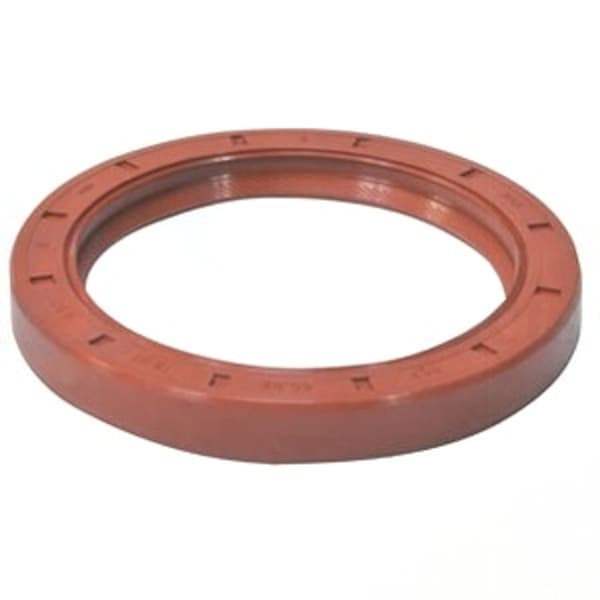
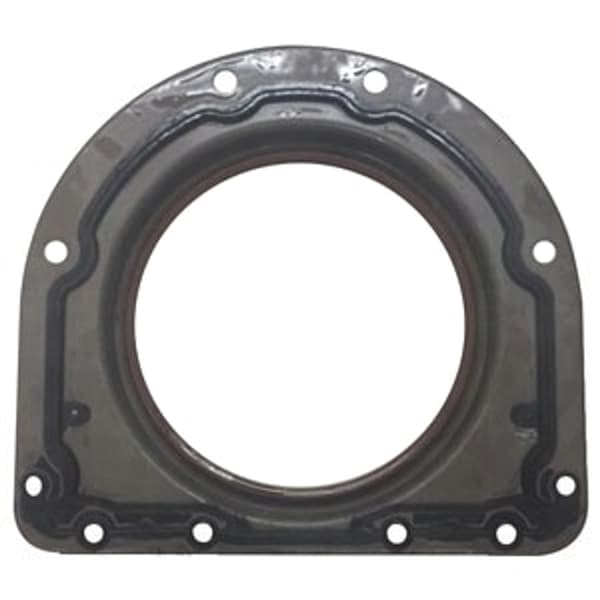
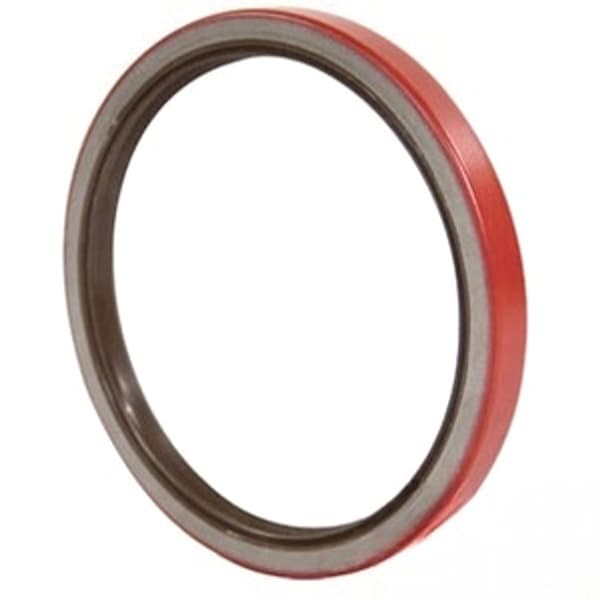
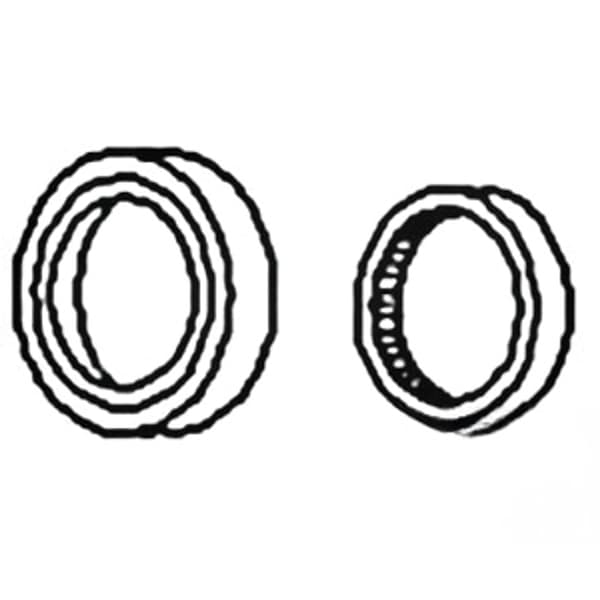
When addressing crankshaft issues, it's wise to inspect other engine components that may have been affected or are nearing the end of their service life. This includes tractor piston rings, pistons, fuel pumps, injectors, and critical sealing components like the front crankshaft seal (such as AL2653T) and a front crankshaft seal kit, and the rear crankshaft seal (like 3138701R91 or 2418F701), along with its associated wear sleeve. For optimal performance, always use appropriate filters and gaskets during reassembly.
Safety Warning
Working on tractor engines can be dangerous. Always disconnect the battery before working on any electrical components. Use proper lifting equipment when handling heavy parts. Wear safety glasses and gloves to protect yourself from injury. Consult your tractor's service manual for specific safety precautions.
For older tractors, such as Oliver and White models, finding the correct parts can sometimes be challenging. Madison Tractor Company specializes in hard-to-find parts for vintage tractors, including crankshafts, clutch kits, and PTO parts.
Find Your Tractor Crankshaft at Madison Tractor
At Madison Tractor Company, we're committed to providing high-quality tractor parts and expert advice to keep your equipment running smoothly. Whether you need a new crankshaft, a reground crankshaft, or want to explore our exchange program, we have the solution for you. Browse our extensive online catalog or contact our knowledgeable team today. We carry a wide selection of engine parts, including crankshafts like the 4785106 or 1C050-23010, head gasket sets, alternators, starters, and more for John Deere, Case IH, Ford, New Holland, Massey Ferguson, Kubota, Allis Chalmers, Deutz, International Harvester, Oliver, White, Gleaner, Vermeer, Hesston, Mahindra, and Zetor tractors. Let us help you get your tractor back to work! You can also use our AI-Powered Part Finder to search for parts by your specific make and model.
Part of our comprehensive guide
Tractor Engine Rebuild Guide: Kits, Parts & When to Overhaul