








Tractor Muffler: Exhaust Pipe & Elbow Replacement
Is your tractor muffler rattling, rusted, or leaking? This guide covers everything you need to know about tractor exhaust systems, including how to choose the right muffler, exhaust pipe, and elbow for your specific model.
Introduction to Tractor Exhaust Systems
A properly functioning exhaust system is crucial for your tractor's performance, safety and the operator's well-being. The tractor muffler is a key component, responsible for reducing noise levels and directing exhaust gases away from the operator. Over time, mufflers, exhaust pipes and elbows can corrode, crack, or become damaged, leading to reduced efficiency, increased noise and potential safety hazards. At Madison Tractor, we understand the importance of reliable tractor parts, offering a wide selection of mufflers, pipes and elbows for all major brands including John Deere, Case IH, Ford, New Holland, Massey Ferguson, Kubota, Allis Chalmers, Deutz, International Harvester, Oliver, White, Gleaner, Vermeer, Hesston, Mahindra and Zetor.
Recommended Parts for This Guide
10 parts we recommend — in stock, ships fast, one-click add to cart.
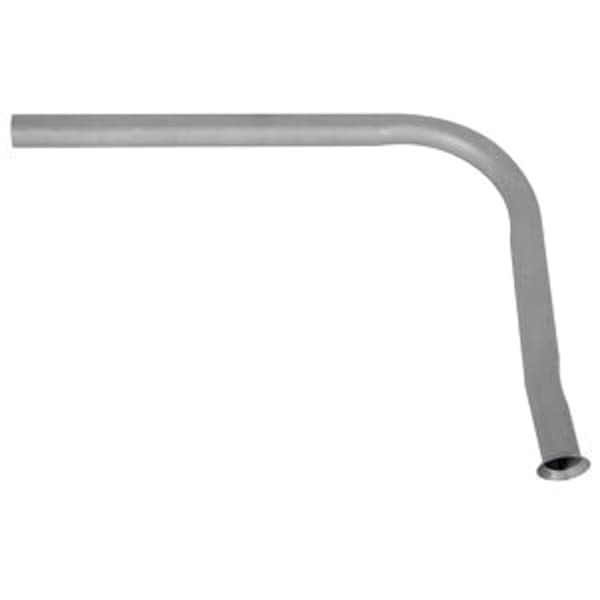
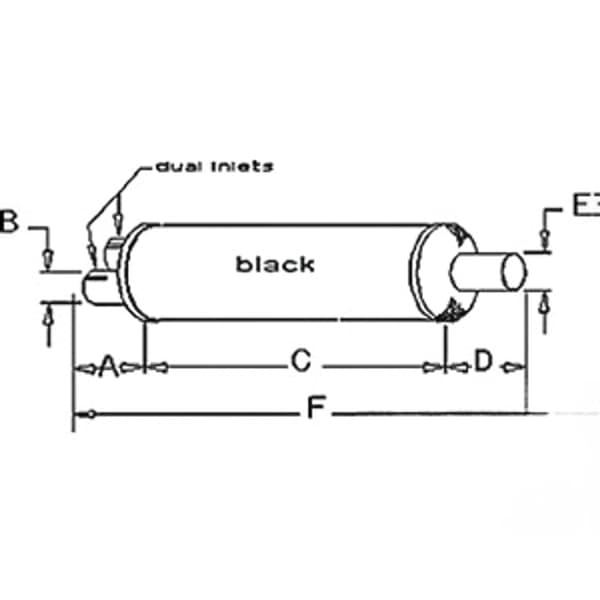
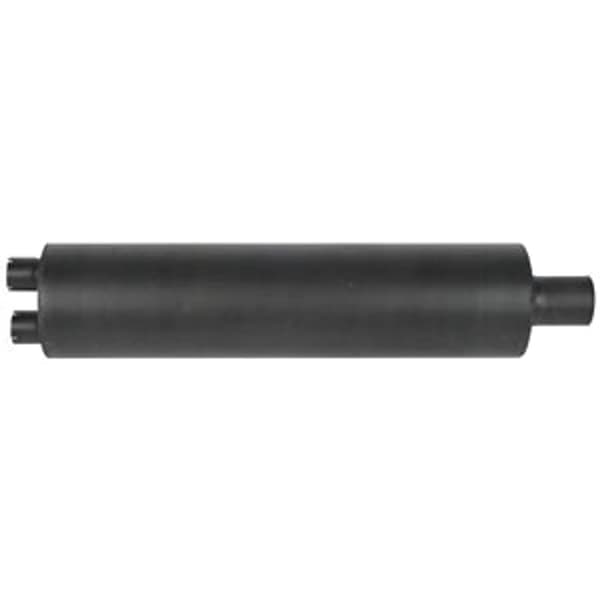
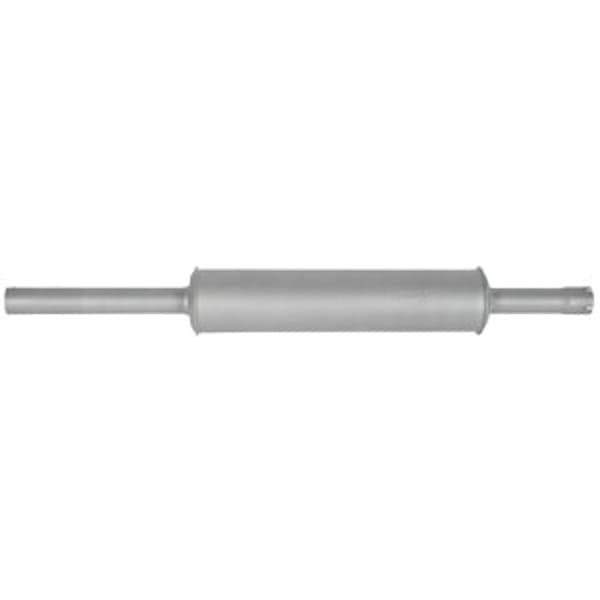
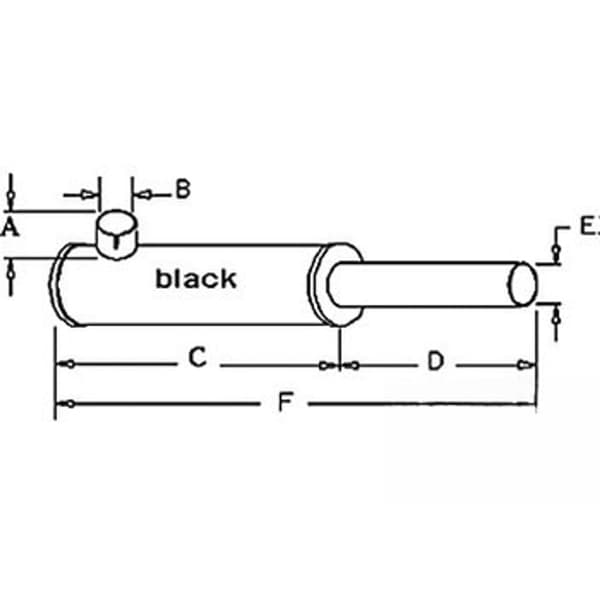
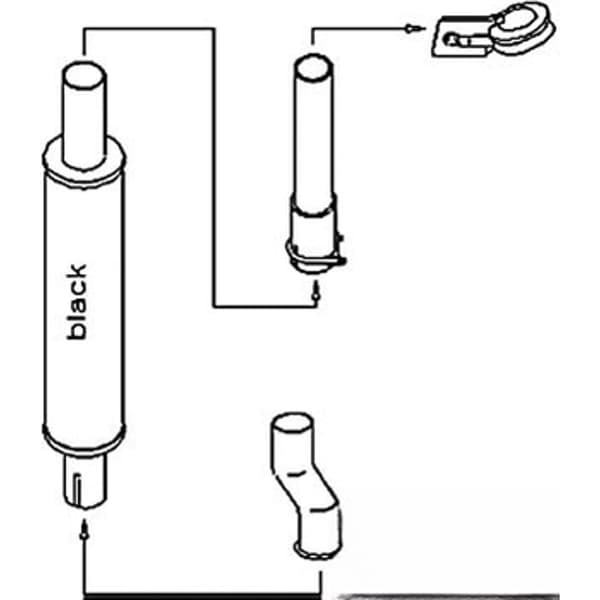
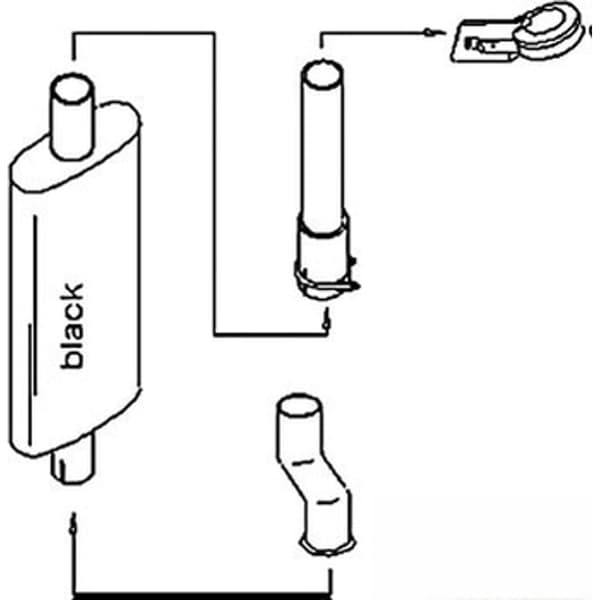
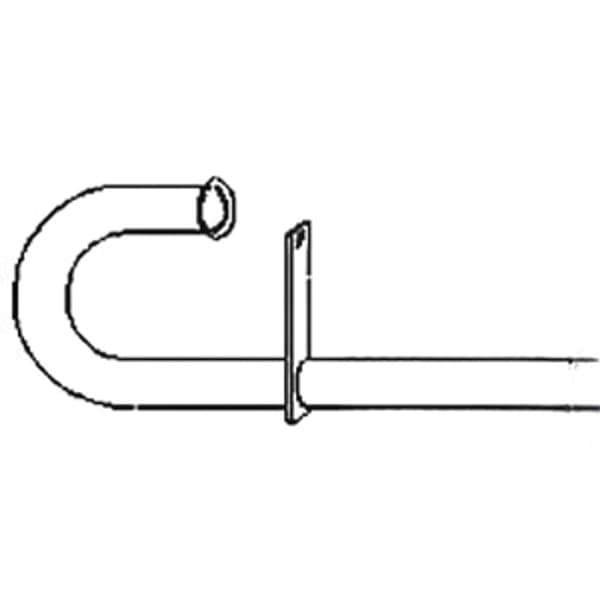
🔍 Looking for a specific part? Try our AI Part Finder — tell it your equipment and what you need, and it will find matching parts instantly.
Identifying Exhaust System Problems
Recognizing the signs of a failing exhaust system is the first step in addressing the issue. Here are some common indicators
- Excessive Noise A noticeably louder exhaust sound is a clear indication of a leak or damage to the muffler or exhaust pipe.
- Visible Damage Inspect the muffler, exhaust pipes and elbows for rust, cracks, holes, or dents. Pay close attention to joints and connections.
- Reduced Engine Performance A restricted exhaust flow can negatively impact engine power and fuel efficiency. If you've recently performed a tractor engine rebuild, you'll want to verify proper exhaust flow.
- Exhaust Fumes in the Cab This is a serious safety hazard and requires immediate attention. It can be caused by leaks in the exhaust system, allowing harmful gases to enter the operator's area.
- Soot Buildup Excessive soot around exhaust joints or the muffler itself indicates a leak.
Choosing the Right Tractor Muffler
Selecting the correct replacement tractor muffler is essential for optimal performance and proper fit. Consider these factors
- Tractor Make and Model The most important factor is ensuring the muffler is specifically designed for your tractor. Use our online parts finder to search by make, model and year. For example, a John Deere 4020 might require a different muffler than a John Deere 5075E.
- Engine Type Diesel and gasoline engines have different exhaust requirements. Make sure the muffler is compatible with your engine type.
- Outlet Diameter The muffler's outlet diameter must match the existing exhaust pipe for a secure connection.
- Physical Dimensions Ensure the muffler's size and shape will fit within the available space on your tractor. Check for any obstructions or interference with other components.
- Noise Reduction Level Different mufflers offer varying levels of noise reduction. Consider your operating environment and personal preferences when choosing a muffler.
- Material Mufflers are typically made from steel or stainless steel. Stainless steel offers superior corrosion resistance and a longer lifespan, especially in harsh environments.
When replacing your muffler, consider replacing other exhaust system components as well. Old or rusted exhaust pipes and elbows can reduce the lifespan of your new tractor muffler and impact performance.
Selecting the Correct Exhaust Pipe and Elbow
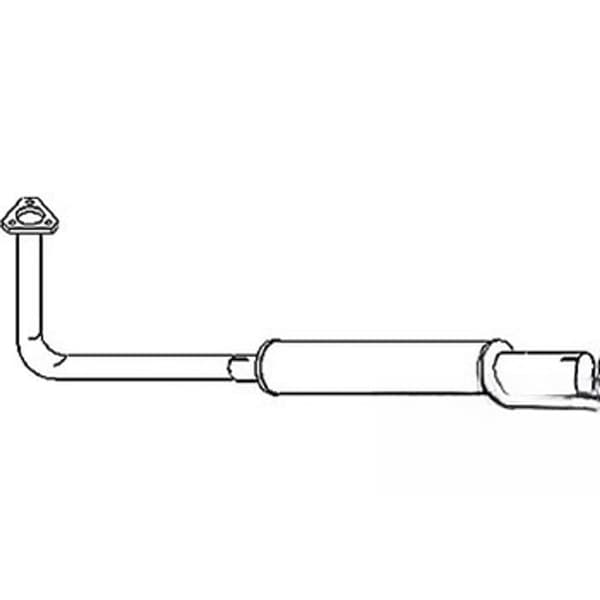
The exhaust pipe connects the engine's exhaust manifold to the tractor muffler. The elbow provides the necessary angles to route the exhaust gases safely. Here's how to choose the right replacements
- Proper Fit Just like the muffler, the exhaust pipe and elbow must be specifically designed for your tractor model. Use our parts lookup tool to find the correct parts. Common part types needed alongside exhaust repairs include gaskets and seals.
- Material Exhaust pipes and elbows are typically made from steel. Opt for high-quality, heavy-gauge steel for increased durability and longevity.
- Diameter and Length The pipe's diameter must match the exhaust manifold and muffler connections. The length and bend of the elbow must match the original configuration for proper exhaust routing.
- Thread Type (if applicable) Some exhaust pipes and elbows have threaded connections. Ensure the thread type and size match the corresponding components.
Installation Tips and Best Practices
Installing a new tractor muffler, exhaust pipe, or elbow is a straightforward process, but following these tips will ensure a successful installation
- Safety First Always allow the engine to cool completely before working on the exhaust system. Wear gloves and eye protection to prevent burns and injury.
- Preparation Gather all necessary tools and replacement parts. This might include wrenches, sockets, penetrating oil, a wire brush, new gaskets.
- Removal Use penetrating oil to loosen any rusted bolts or nuts. Carefully remove the old muffler, exhaust pipe and elbow. Take note of the orientation of each component for easy reinstallation.
- Cleaning Clean the mating surfaces on the exhaust manifold and muffler connections. Remove any rust, dirt, or debris with a wire brush.
- Gaskets Always use new gaskets when installing a new muffler or exhaust pipe. This will ensure a tight, leak-free seal. See our article on tractor head gaskets for more information on gasket materials.
- Assembly Install the new exhaust pipe and elbow, ensuring proper alignment. Tighten the bolts and nuts to the manufacturer's specified torque. For instance, some older Ford tractor exhaust manifold bolts require a torque of 25-30 ft-lbs. Consult your tractor's service manual for specific torque specifications.
- Muffler Installation Install the new tractor muffler, ensuring it is securely mounted, perhaps with a new muffler clamp. Double-check all connections for tightness.
- Testing Start the engine and check for any exhaust leaks. Listen for unusual noises or vibrations.
Safety Warning Carbon monoxide is a colorless, odorless gas that can be fatal. Always operate your tractor in a well-ventilated area. Never run the engine in an enclosed space.
Troubleshooting Exhaust System Issues
Even with proper installation, exhaust system problems can still occur. Here are some common issues and their solutions
- Exhaust Leaks Tighten all connections and replace any damaged gaskets. If leaks persist, inspect the muffler and exhaust pipe for cracks or holes.
- Excessive Noise Ensure the muffler is securely mounted and that there are no obstructions in the exhaust pipe. A clogged muffler can also cause excessive noise.
- Reduced Engine Power A restricted exhaust flow can impact engine performance. Check for obstructions in the muffler or exhaust pipe. Also, ensure proper air intake, as restricted airflow can also impact performance. Related systems like the fuel system may also need inspection; consider replacing the fuel pump or other fuel components.
- Vibrations Ensure the muffler and exhaust pipe are properly supported. Loose or missing mounting brackets can cause vibrations.
OEM Part Numbers and Cross-References
Finding the exact replacement part can be simplified by using OEM part numbers or cross-reference numbers. For example
- A typical Ford tractor 8N muffler assembly might be referenced as 8N15500.
Consult your tractor's parts manual or use our online database to find the correct part numbers for your specific model. Keep in mind that if you are working on the engine itself, you might need components such as tractor piston rings or a tractor main bearings.
Maintaining Your Tractor Exhaust System
Regular maintenance can extend the life of your tractor's exhaust system
- Regular Inspections Inspect the muffler, exhaust pipe and elbows regularly for signs of rust, damage, or leaks.
- Cleaning Clean the exhaust system periodically to remove dirt, debris and soot buildup.
- Tighten Connections Check and tighten all connections regularly.
- Rust Prevention Apply a rust-inhibiting coating to the muffler and exhaust pipe to prevent corrosion.
- Address Issues Promptly Address any exhaust system problems as soon as they are detected.
Madison Tractor: Your Source for Tractor Parts
At Madison Tractor Company, we are committed to providing high-quality tractor parts and expert advice to keep your equipment running smoothly. Whether you need a new tractor muffler, exhaust pipe, elbow, or any other part for your John Deere, Case IH, Ford, or other tractor, we have you covered. Browse our extensive online catalog or contact our knowledgeable staff for assistance. We also stock essential parts for comprehensive engine work like John Deere head gasket sets and Ford tractor engine rebuild kits. Shop with confidence at Madison Tractor!
🔍 Can't Find Your Part?
Use our AI-Powered Part Finder to search by your equipment's make, model, and what you need. It's the fastest way to find the exact part for your machine.
Try the Part Finder →Part of our comprehensive guide
Tractor Engine Rebuild Guide: Kits, Parts & When to Overhaul