








Tractor Valve Job: Guides, Seats & Spring Kit
A tractor valve job is a crucial part of engine maintenance. This guide covers everything you need to know about valve guides, seats, springs, and kits, helping you keep your tractor running smoothly. Learn about the process and parts needed for a successful valve job.
Understanding the Tractor Valve Job
A tractor valve job is a critical engine maintenance procedure that involves inspecting, repairing, or replacing the valve train components in your tractor's cylinder head. This includes the valves themselves, valve guides, valve seats, and valve springs. Over time, these parts wear down due to heat, friction, and combustion byproducts, leading to decreased engine performance, increased fuel consumption, and potential engine damage.
Recommended Parts for This Guide
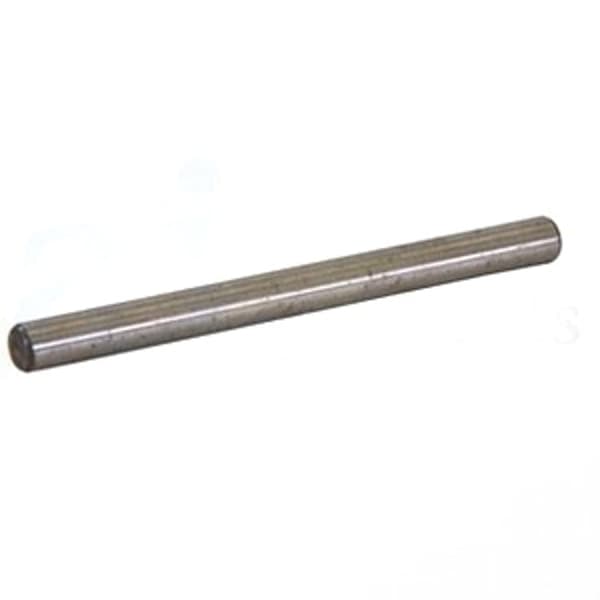
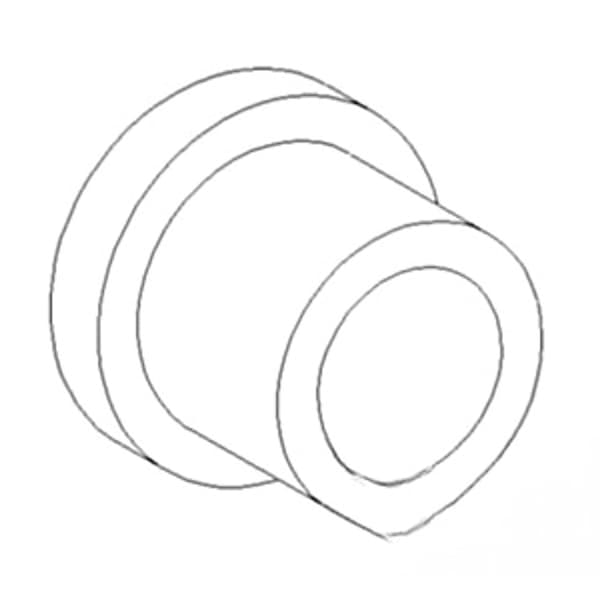
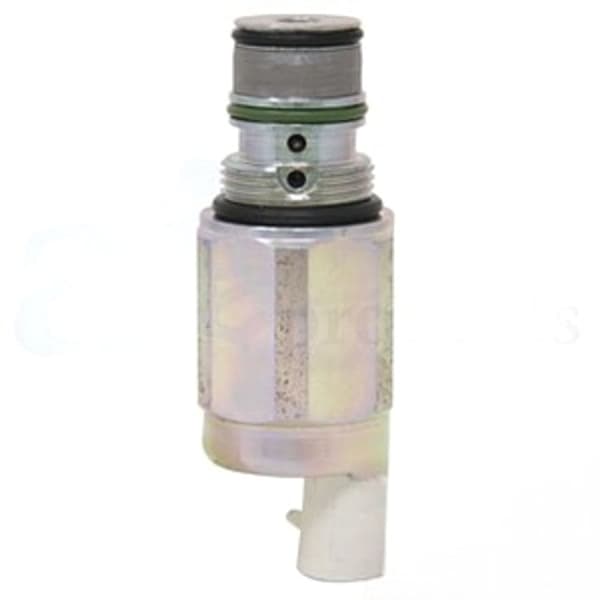
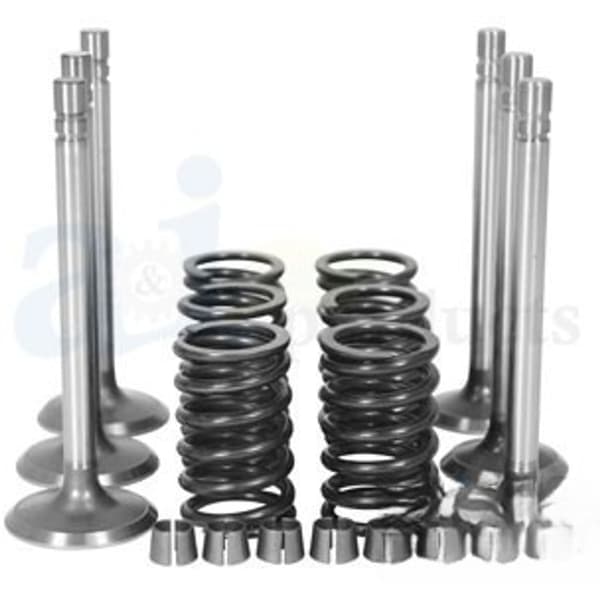
9 parts we recommend — in stock, ships fast, one-click add to cart.
🔍 Looking for a specific part? Try our AI Part Finder — tell it your equipment and what you need, and it will find matching parts instantly.
Whether you're working on a John Deere, Ford, Case IH, Massey Ferguson, or any other brand, understanding the valve train is essential for maintaining peak engine performance.
Why Perform a Tractor Valve Job?
Several factors can indicate the need for a tractor valve job:
- Loss of Power: A worn valve train can lead to poor cylinder sealing, resulting in reduced compression and power.
- Increased Fuel Consumption: Leaky valves can cause incomplete combustion, wasting fuel.
- Rough Idling: Irregular combustion due to valve issues can cause the engine to idle roughly.
- Excessive Smoke: Blue smoke from the exhaust often indicates oil leaking past worn valve guides or seals.
- Valve Noise: Ticking or clattering noises from the valve train can signal worn or damaged components.
Ignoring these symptoms can lead to more severe engine problems, such as burnt valves, damaged cylinder heads, and even complete engine failure. Addressing these issues promptly with a valve job can save you significant time and money in the long run. If you're already considering a more extensive overhaul, explore options like a John Deere engine rebuild kit, Ford tractor engine rebuild kit, Perkins engine rebuild kit, or Case IH engine rebuild kit.
Essential Components of a Tractor Valve Job
A thorough tractor valve job typically involves replacing or reconditioning the following components:
Valve Guides
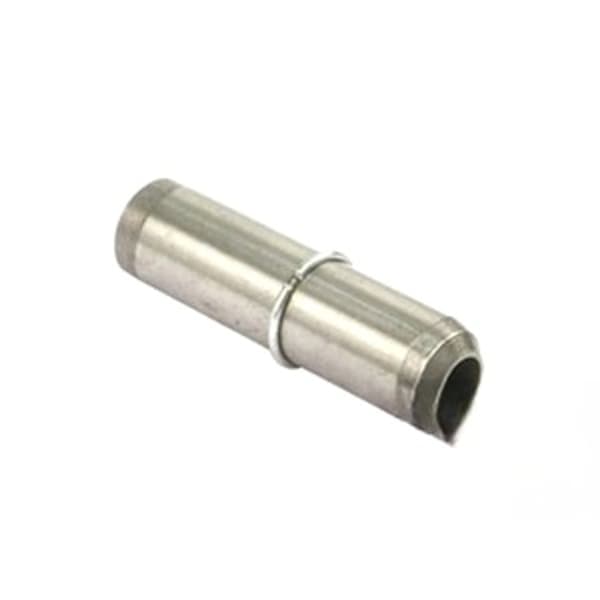
Valve guides are cylindrical bushings that support the valve stem and ensure proper valve alignment. Worn valve guides allow the valve to wobble, leading to poor sealing and increased oil consumption. Replacement valve guides are available for many tractor models, including John Deere, Case IH, Ford, and Massey Ferguson. When selecting valve guides, ensure they are compatible with your tractor's cylinder head and valve stem diameter. Some valve guides may require reaming to achieve the correct internal diameter. Check your service manual for correct tolerances.
Valve Seats
Valve seats are hardened metal rings that provide a sealing surface for the valves. Over time, valve seats can become worn, cracked, or pitted, leading to poor compression and valve sealing. Depending on the severity of the damage, valve seats can be re-faced or replaced. Replacing valve seats requires specialized tools and expertise. If you’re working on older equipment like an Oliver or Allis Chalmers, finding suitable valve seats might require cross-referencing OEM part numbers to aftermarket options. For example, an OEM seat number for a John Deere 4020 might cross-reference to an aftermarket part available here.
Valve Springs
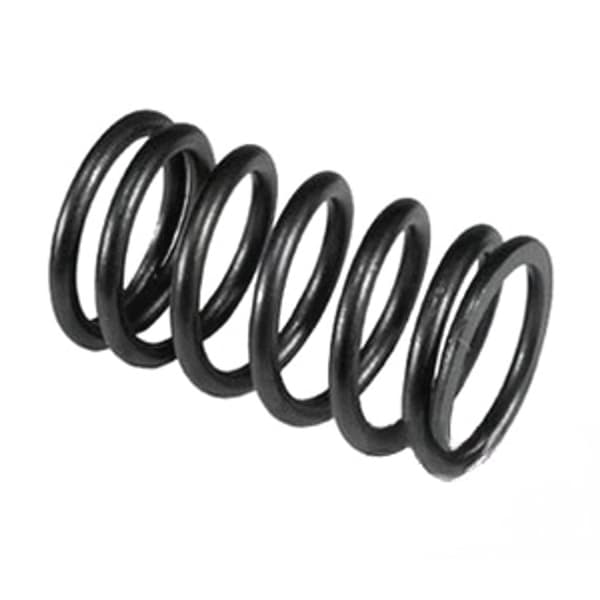
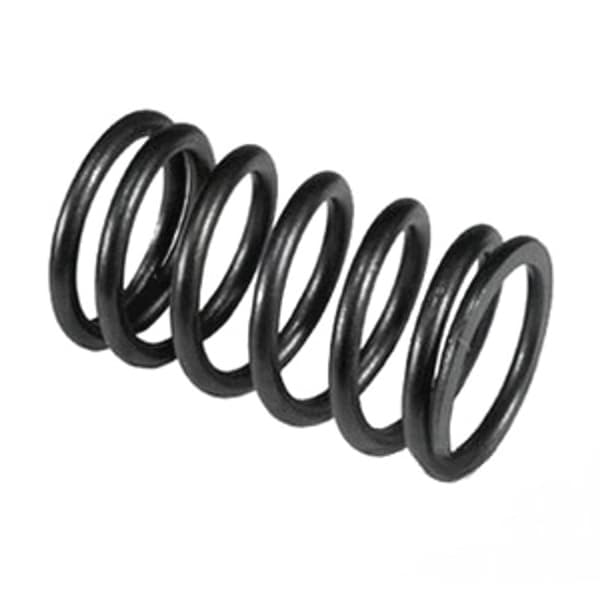
Valve springs control the valve closing speed and maintain valve seating pressure. Weak or broken valve springs can cause valve float, leading to reduced engine performance and potential valve damage. Always replace valve springs in matched sets to ensure consistent performance across all cylinders. Valve spring kits often include valve spring retainers and valve stem seals.
Valve Stem Seals
Valve stem seals prevent oil from leaking down the valve stem and into the combustion chamber. Worn or damaged valve stem seals are a common cause of blue smoke from the exhaust. Replacing valve stem seals is a relatively simple task that can significantly improve engine performance and reduce oil consumption. Be sure to use the correct type of seal for your specific engine model; materials like Viton offer enhanced resistance to heat and oil.
Complete Valve Spring Kits
For convenience and reliability, consider using a complete valve spring kit. These kits typically include all the necessary components, such as valve springs, retainers, keepers, and valve stem seals, ensuring proper fit and performance. Brands like Elgin and Sealed Power offer high-quality valve spring kits for various tractor models, including Kubota, New Holland, and Massey Ferguson. Make sure the kit you choose is compatible with your engine’s specifications.
Tools and Materials Needed
Before starting a tractor valve job, gather the necessary tools and materials:
- Valve Spring Compressor
- Valve Grinder or Lapping Tool
- Valve Seat Cutter or Grinder (for seat reconditioning)
- Valve Guide Reamer (if replacing valve guides)
- Socket, Hydraulic Valve Chamber Valve Guide (for specialized applications)
- Micrometer or Caliper (for measuring valve and guide dimensions)
- Torque Wrench
- Gasket Scraper
- Cleaning Solvent
- New Valves, Valve Guides, Valve Seats, Valve Springs, and Valve Stem Seals
- Tractor Head Gasket Set
- Engine Assembly Lube
- Shop Rags
Step-by-Step Guide to Performing a Tractor Valve Job
Safety First: Always disconnect the battery and allow the engine to cool completely before starting any work. Wear appropriate safety glasses and gloves.
- Remove the Cylinder Head: Follow your tractor's service manual for instructions on removing the cylinder head. This typically involves draining the coolant, disconnecting hoses and wires, and removing the intake and exhaust manifolds. Don't forget to thoroughly inspect the radiator and water pump while you're at it, as these are often overlooked during engine work.
- Disassemble the Valve Train: Use a valve spring compressor to compress the valve springs and remove the valve retainers and keepers. Carefully remove the valves, valve springs, and valve stem seals. Keep all components organized to ensure proper reassembly.
- Inspect the Components: Thoroughly inspect each valve for cracks, burns, or excessive wear. Measure the valve stem diameter and compare it to the manufacturer's specifications. Inspect the valve guides for wear and check the valve seats for pitting or cracks. Discard any damaged components.
- Recondition or Replace Valve Guides: If the valve guides are worn beyond acceptable limits, they should be replaced. Heat the cylinder head evenly (as per the manufacturer's instructions) before pressing out the old guides and pressing in the new ones. Ream the new valve guides to the correct internal diameter using a valve guide reamer.
- Recondition or Replace Valve Seats: Valve seats can be reconditioned using a valve seat cutter or grinder. This involves removing a small amount of material to create a smooth, even surface. If the valve seats are severely damaged, they should be replaced. This requires specialized equipment and expertise.
- Grind or Lap the Valves: Use a valve grinder or lapping tool to create a proper seal between the valves and valve seats. Apply lapping compound to the valve face and rotate the valve against the valve seat until a uniform contact pattern is achieved. Clean the valves and cylinder head thoroughly after lapping.
- Install New Valve Stem Seals: Lubricate the valve stem and install new valve stem seals. Ensure the seals are properly seated and oriented.
- Assemble the Valve Train: Install the valves, valve springs, and valve spring retainers. Use a valve spring compressor to compress the valve springs and install the keepers.
- Reinstall the Cylinder Head: Install a new John Deere head gasket (or appropriate brand) and reinstall the cylinder head. Torque the head bolts to the manufacturer's specifications in the correct sequence.
- Adjust Valve Clearance: Adjust the valve clearance according to your tractor's service manual. This ensures proper valve timing and engine performance.
- Reassemble Engine: Reconnect all hoses, wires, intake and exhaust manifolds, and other components. Refill the coolant and engine oil.
Important Torque Specifications: Always consult your tractor's service manual for specific torque specifications for head bolts, manifold bolts, and other critical fasteners. Using the correct torque is essential to prevent leaks and ensure proper engine operation. A typical head bolt torque for a John Deere 4020 is around 90-100 ft-lbs, but always verify with the manual.
Valve Jobs on Specific Tractor Brands & Models
The general principles of a valve job remain the same, but specific procedures and part numbers will vary depending on the tractor brand and model. Here are some considerations for popular brands:
- John Deere: Many John Deere models, such as the 4020, 3020, and various utility tractors, use specific valve train components. Check OEM part numbers carefully when ordering replacements.
- Case IH: Case IH tractors often require specific valve seat angles and valve stem clearances. Refer to the service manual for detailed specifications.
- Ford/New Holland: Ford and New Holland tractors, particularly the older models, may require special valve spring compressors or valve guide installation tools.
- Massey Ferguson: Massey Ferguson engines often use unique valve stem seal designs. Ensure you use the correct type for your engine.
- Kubota: Kubota engines are known for their precision engineering. Pay close attention to valve clearance adjustments during reassembly.
Keep an eye on other wear items when performing this type of repair. Tractor piston rings, tractor main bearings and other internal engine parts are likely experiencing similar wear.
Troubleshooting Common Issues
- Engine Misfires After Valve Job: Check valve clearances, spark plugs, and ignition timing.
- Oil Consumption Remains High: Ensure valve stem seals are properly installed and sealing correctly. Check for worn cylinder walls and piston rings.
- Loss of Compression: Verify valve sealing by performing a cylinder leak-down test. Check for head gasket leaks.
Shop Tractor Parts at Madison Tractor Company
Performing a tractor valve job can significantly improve your engine's performance and extend its lifespan. Madison Tractor Company offers a wide selection of high-quality valve train components, including valves, valve guides, valve seats, valve springs, and valve stem seals, for all major tractor brands, including John Deere, Case IH, Ford, New Holland, Massey Ferguson, and more. We also stock a complete line of other tractor parts, including radiators, water pumps, starters, and alternators. Browse our online catalog or contact our knowledgeable parts specialists today to find the right parts for your tractor. We're here to help you keep your equipment running smoothly for years to come! From complete engine rebuild kits to individual components, we have everything you need to get the job done right. You can also use our AI-Powered Part Finder to search for parts by your specific make and model.
Part of our comprehensive guide
Tractor Engine Rebuild Guide: Kits, Parts & When to Overhaul