








Tractor Turbocharger: Replacement & Upgrade Options
A failing turbocharger can significantly impact your tractor's performance. This guide covers diagnosing turbo issues, choosing the right replacement, and even exploring performance upgrades for your farm equipment.
A turbocharger can significantly boost the power and efficiency of your tractor. But like any component, it can wear out or fail. Knowing how to diagnose problems, choose the right replacement, and even consider performance upgrades will keep your tractor running strong. At Madison Tractor Company, we offer a wide selection of turbochargers and related components for various tractor brands, including John Deere, Case IH, Ford, New Holland, Massey Ferguson, Kubota, and more.
Recommended Parts for This Guide
10 parts we recommend — in stock, ships fast, one-click add to cart.
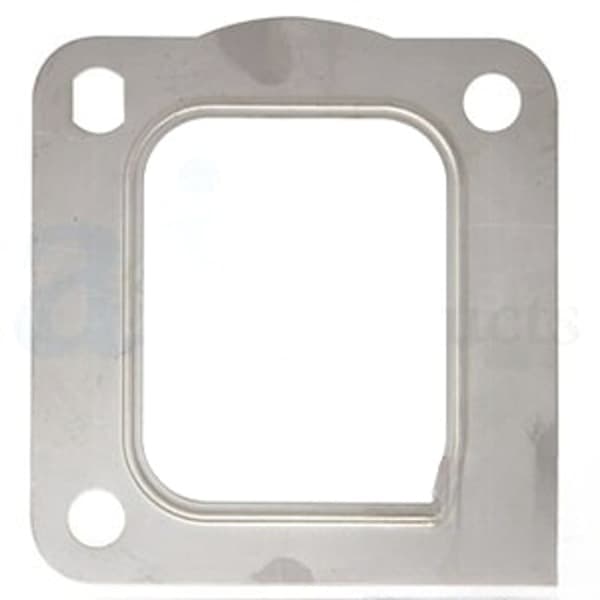
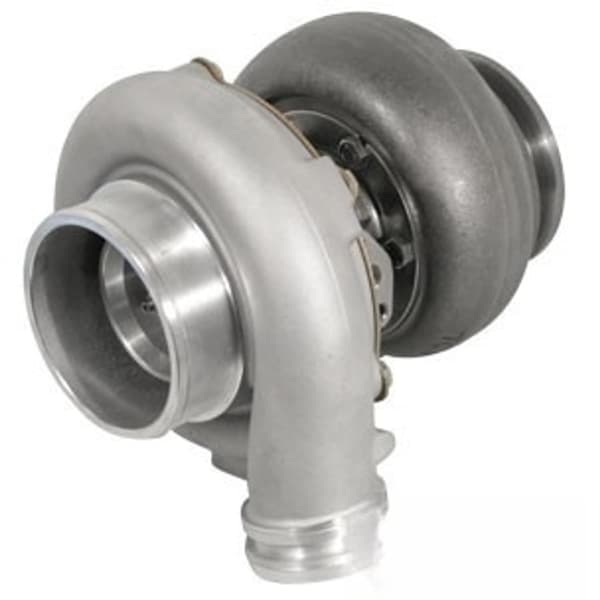
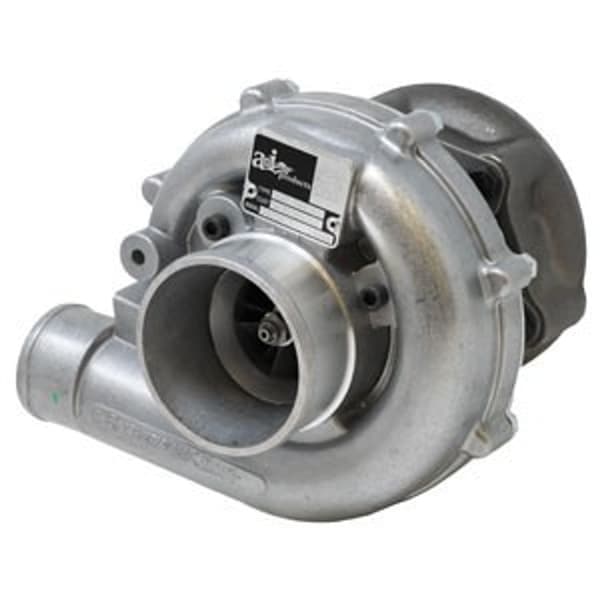
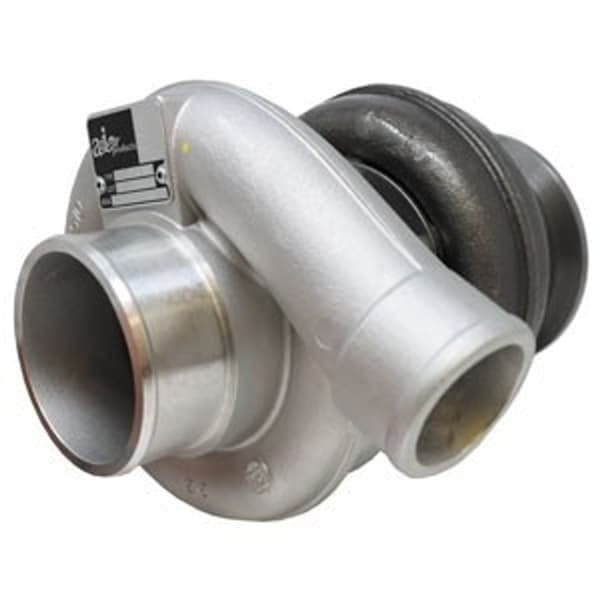
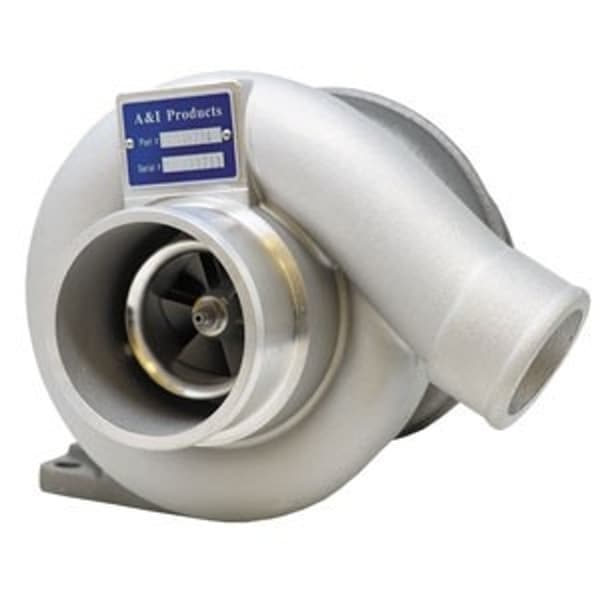
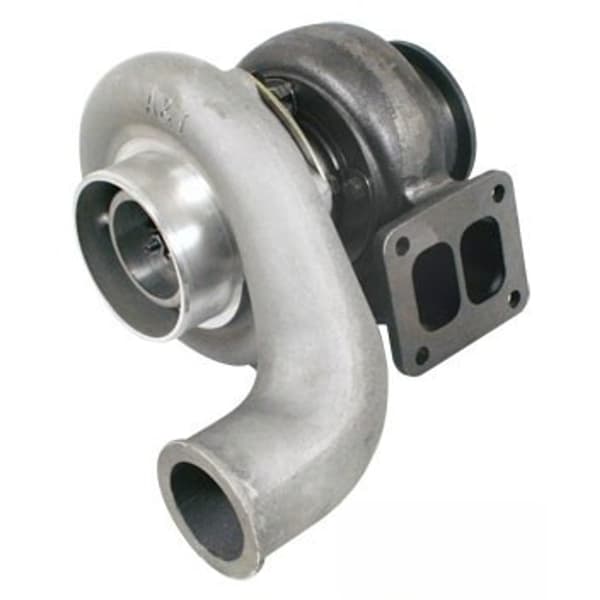
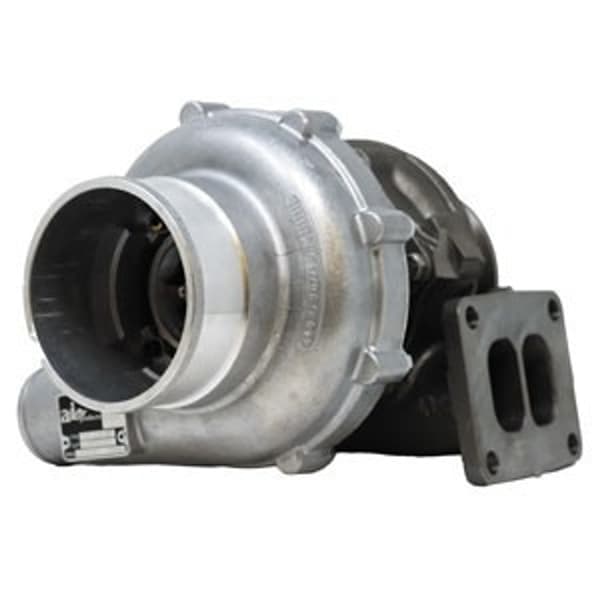
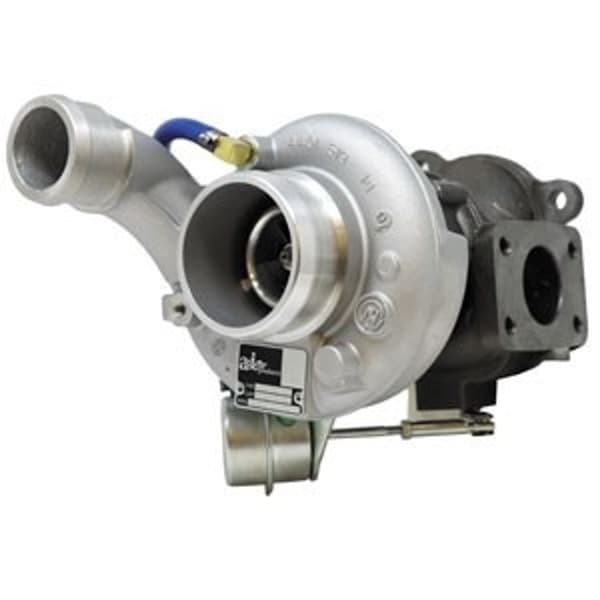
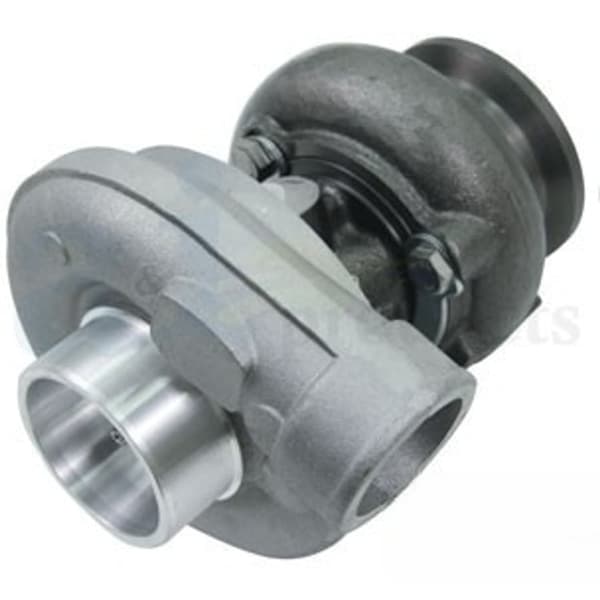
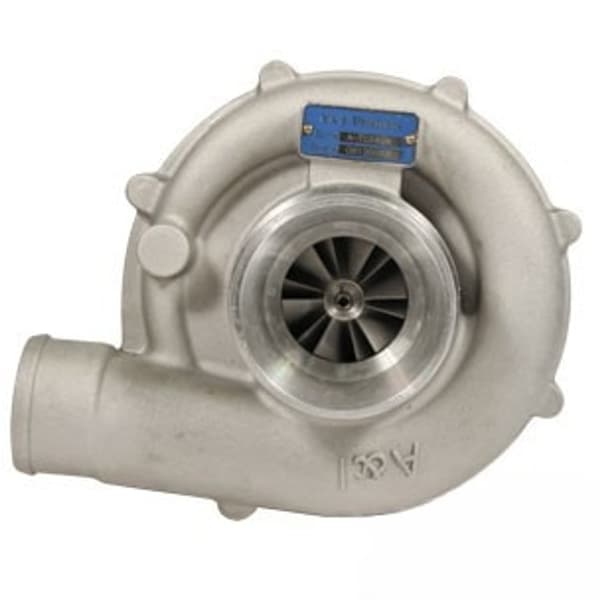
🔍 Looking for a specific part? Try our AI Part Finder — tell it your equipment and what you need, and it will find matching parts instantly.
Understanding Your Tractor Turbocharger
The turbocharger's primary function is to force more air into the engine cylinders. By compressing the intake air, the engine can burn more fuel, resulting in increased horsepower and torque. Turbochargers are commonly found on diesel engines due to their efficiency in boosting power at lower RPMs, making them ideal for heavy-duty agricultural applications.
Key Components of a Turbocharger:
- Turbine Wheel: Driven by exhaust gases, spinning the compressor wheel.
- Compressor Wheel: Compresses intake air.
- Center Housing Rotating Assembly (CHRA): Contains the turbine shaft, bearings, and seals.
- Wastegate: Regulates boost pressure to prevent over-boosting.
- Actuator: Controls the wastegate.
Signs of a Failing Tractor Turbocharger
Recognizing the symptoms of a failing turbocharger early can save you from more extensive (and expensive) repairs. Here are some common indicators:
- Reduced Power: Noticeably less power, especially when pulling heavy loads.
- Excessive Smoke: Blue or black smoke emitting from the exhaust. Blue smoke often indicates oil burning, while black smoke signifies incomplete combustion.
- Unusual Noises: Whining, screeching, or grinding sounds coming from the turbocharger area.
- High Oil Consumption: A failing turbo seal can allow oil to leak into the exhaust or intake system.
- Check Engine Light: Depending on your tractor model, a malfunctioning turbocharger can trigger the check engine light.
- Boost Pressure Issues: Use a boost gauge (if equipped) to monitor pressure. Low or erratic readings can indicate problems.
Diagnosing Turbocharger Problems
If you suspect a turbocharger issue, a thorough inspection is crucial before replacing parts. Here's a step-by-step diagnostic approach:
- Visual Inspection: Check for oil leaks around the turbocharger, intake and exhaust connections, and intercooler (if equipped). Look for damaged or cracked hoses.
- Check for Shaft Play: Remove the intake duct and carefully check for excessive play in the turbine shaft. A small amount of play is normal, but excessive movement indicates worn bearings. Safety Warning: Ensure the engine is off and cool before performing this check.
- Inspect the Compressor and Turbine Wheels: Look for damaged blades, signs of foreign object damage (FOD), or excessive carbon buildup.
- Check Wastegate Function: Ensure the wastegate actuator moves freely and isn't sticking.
- Boost Pressure Test: Use a boost gauge to verify boost pressure under load. Compare the reading to the manufacturer's specifications.
- Examine Air Filter: A clogged air filter can restrict airflow and negatively impact turbocharger performance. Replace the air filter if necessary.
- Check Oil Supply and Drain Lines: Ensure the oil supply line to the turbocharger is clean and unobstructed. A restricted oil supply can lead to turbocharger failure. Also, check the drain line for any blockages that can cause oil to back up into the turbo.
Tractor Turbocharger Replacement Options
Once you've confirmed a turbocharger failure, you have a few replacement options:
- New OEM Turbocharger: Search available parts
- Remanufactured Turbocharger: A remanufactured turbocharger has been rebuilt with new or refurbished parts. It's a more cost-effective option than a New OEM Turbocharger. Ensure the remanufacturer is reputable and offers a warranty.
- Aftermarket Turbocharger: Aftermarket turbochargers can offer performance upgrades or cost savings. However, quality can vary significantly. Choose a reputable brand known for its quality and reliability.
When selecting a replacement, consider the following:
- Tractor Make and Model: Ensure the turbocharger is specifically designed for your tractor.
- Engine Type: Diesel engines require different turbochargers than gasoline engines.
- Horsepower Rating: Choose a turbocharger that matches your engine's horsepower requirements.
- Warranty: Look for a turbocharger with a comprehensive warranty.
For example, if you're working on a Ford 8N tractor (although those models did not originally come with turbos), you'd need to explore aftermarket options carefully designed for that engine family. While not a direct replacement, some users adapt turbos from other applications. For larger models like the New Holland T8 series, we stock direct replacement turbos to get you back to work quickly.
Installation Tips and Best Practices
Installing a turbocharger requires careful attention to detail. Here are some essential tips:
- Cleanliness is Key: Ensure all mating surfaces are clean and free of debris.
- Use New Gaskets and Seals: Always use new gaskets and seals to prevent leaks. A new tractor head gasket might also be wise during this repair.
- Prime the Turbocharger: Before starting the engine, prime the turbocharger with fresh engine oil by disconnecting the fuel supply and cranking the engine for 15-20 seconds. This ensures the bearings are lubricated before startup.
- Torque Specifications: Follow the manufacturer's torque specifications for all bolts and fasteners. Using the correct torque is crucial to prevent leaks and damage.
- Check for Leaks: After installation, start the engine and carefully check for oil and exhaust leaks.
- Break-In Period: Follow the manufacturer's recommended break-in procedure for the new turbocharger. This typically involves running the engine at varying speeds and loads for a specified period.
Important Torque Values: Always consult your tractor's service manual for specific torque values. As an example, the oil supply line to a turbocharger on a John Deere 6068 engine typically requires a torque of 18-22 Nm (13-16 lb-ft). Failure to adhere to proper torque specs can cause oil starvation and catastrophic turbo failure.
When you are already working on engine components, it can be advantageous to inspect other related parts. Consider checking the radiator, water pump, and fuel pump. This preventative maintenance can save you time and money in the long run. If you are undertaking a significant engine repair, exploring a John Deere engine rebuild kit, Ford tractor engine rebuild kit or a Perkins engine rebuild kit might be appropriate.
Turbocharger Upgrade Options for Increased Performance
If you're looking to boost your tractor's performance beyond the original specifications, consider these turbocharger upgrade options:
- Larger Turbocharger: A larger turbocharger can flow more air, resulting in increased horsepower and torque. However, it may also introduce turbo lag (delay in boost response).
- Variable Geometry Turbocharger (VGT): VGTs use adjustable vanes to optimize airflow at different engine speeds, reducing turbo lag and improving responsiveness.
- Intercooler Upgrade: An intercooler cools the compressed air before it enters the engine, increasing its density and further improving performance.
- Performance Exhaust System: A less restrictive exhaust system can improve exhaust flow and reduce backpressure, allowing the turbocharger to spool up faster.
Important Considerations for Upgrades:
- Engine Compatibility: Ensure the upgrade is compatible with your engine and won't cause damage.
- Fuel System: You may need to upgrade your fuel injectors or fuel pump to supply enough fuel to match the increased airflow.
- Engine Management System: The engine management system may need to be recalibrated to optimize performance with the upgraded turbocharger.
Preventative Maintenance for Longevity
Regular maintenance is crucial to extending the life of your turbocharger. Here are some key preventative measures:
- Regular Oil Changes: Use high-quality engine oil and change it according to the manufacturer's recommendations.
- Clean Air Filter: Replace the air filter regularly to prevent dirt and debris from entering the turbocharger.
- Monitor Oil Pressure: Ensure the engine has adequate oil pressure to properly lubricate the turbocharger.
- Avoid Over-Boosting: Excessive boost pressure can damage the turbocharger and engine.
- Cool-Down Period: Allow the engine to idle for a few minutes before shutting it off after heavy use. This allows the turbocharger to cool down and prevents oil coking (oil baking onto the bearings).
For older tractors like Allis Chalmers models or International Harvester models, finding the right turbocharger may require careful cross-referencing of part numbers. Don't hesitate to contact our expert team at Madison Tractor; we can help you find the correct parts.
Whether you need tractor piston rings, tractor main bearings, or even a complete Case IH engine rebuild kit, Madison Tractor Company is your trusted source for agricultural parts.
Shop Tractor Turbo Parts at Madison Tractor Company
At Madison Tractor Company, we understand the importance of keeping your equipment running smoothly. We offer a wide selection of high-quality turbochargers and related components for all major tractor brands, including John Deere, Case IH, Ford, New Holland, Massey Ferguson, Kubota, Allis Chalmers, Deutz, International Harvester, Oliver, White, Gleaner, Vermeer, Hesston, Mahindra, and Zetor. Our knowledgeable staff can help you find the right parts for your specific needs and budget. Shop our online catalog or contact us today for expert assistance. We also offer a wide variety of other parts, including cylinders, clutch kits, PTO parts, injectors, belts, and more. Madison Tractor Company has you covered from concaves to sickle sections. You can also use our AI-Powered Part Finder to search for parts by your specific make and model.
Part of our comprehensive guide
Tractor Engine Rebuild Guide: Kits, Parts & When to Overhaul