








Tractor Oil Cooler: Engine & Transmission Cooling
A tractor oil cooler is crucial for maintaining optimal engine and transmission temperatures, extending component life and preventing costly breakdowns. Learn how they work, troubleshoot common problems, and when replacement is necessary to keep your tractor running smoothly.
Introduction to Tractor Oil Coolers
Tractors work hard. Whether you're pulling a plow, running a baler, or operating a loader, your tractor's engine and transmission generate a lot of heat. Excessive heat leads to premature wear, reduced performance, and potentially catastrophic failures. The tractor oil cooler is a critical component designed to dissipate this heat, maintaining optimal operating temperatures for both the engine and transmission.
Recommended Parts for This Guide
10 parts we recommend — in stock, ships fast, one-click add to cart.
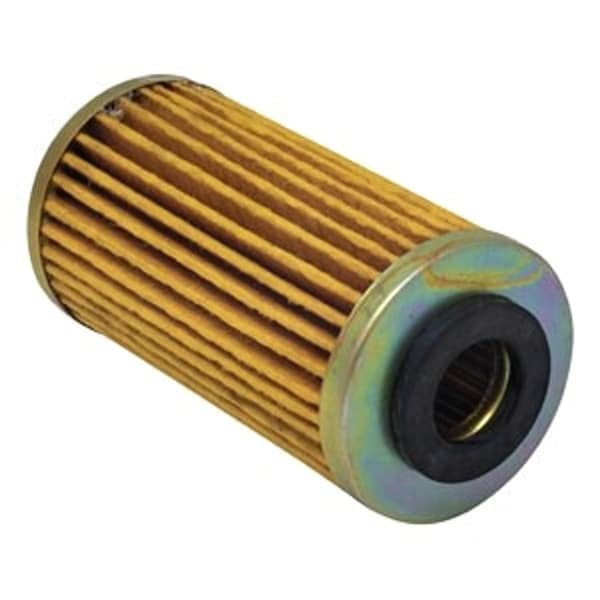
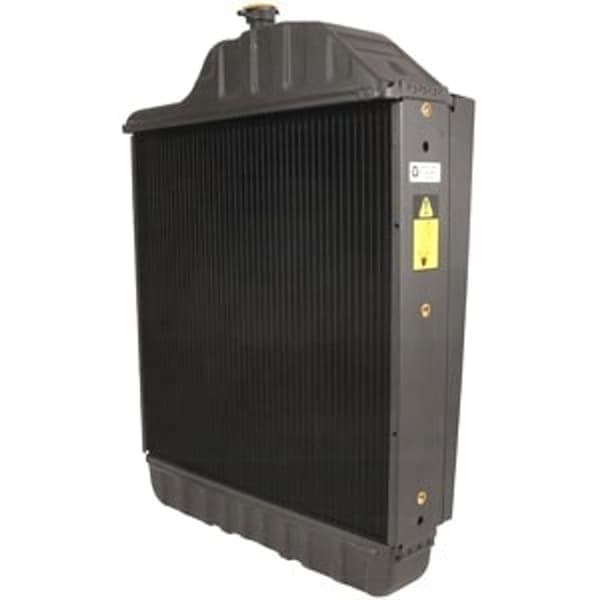
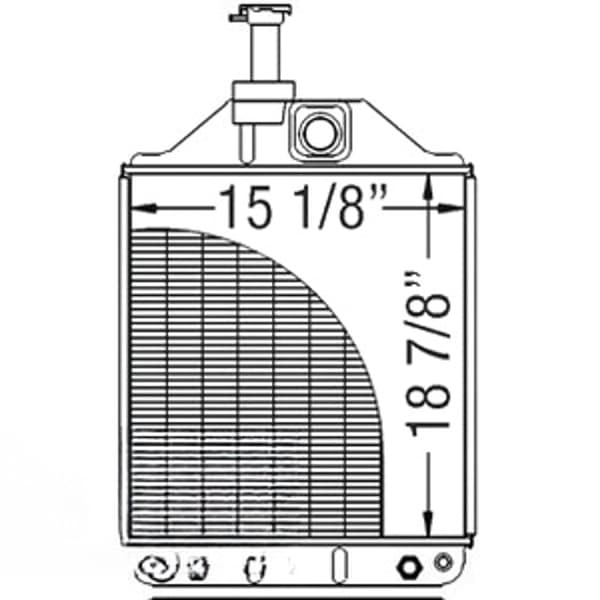
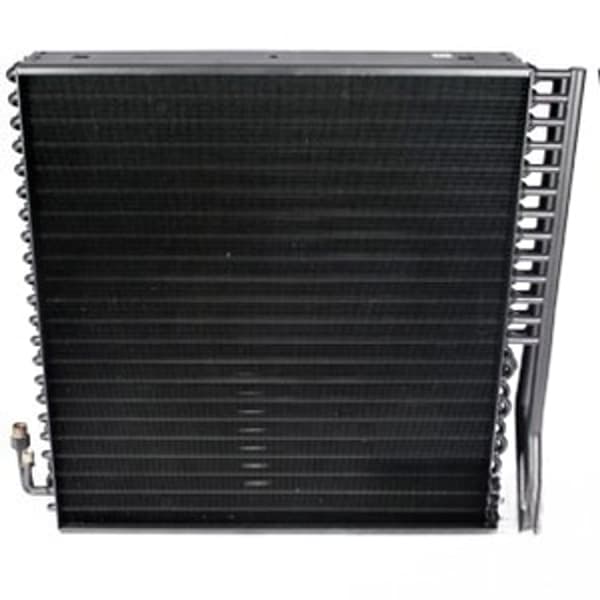
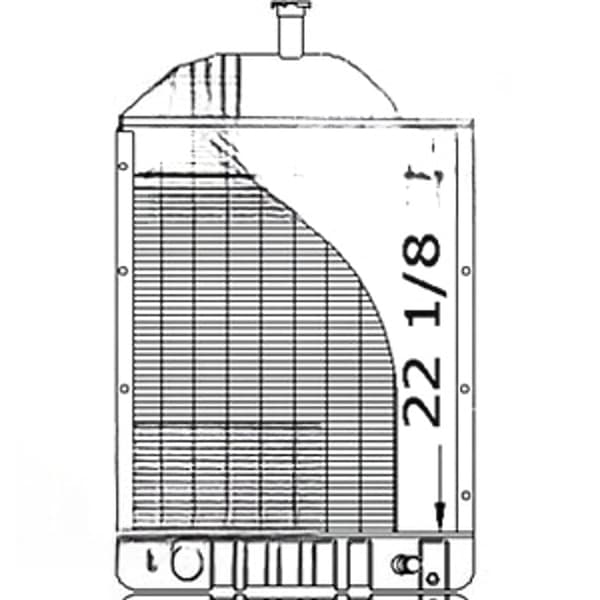
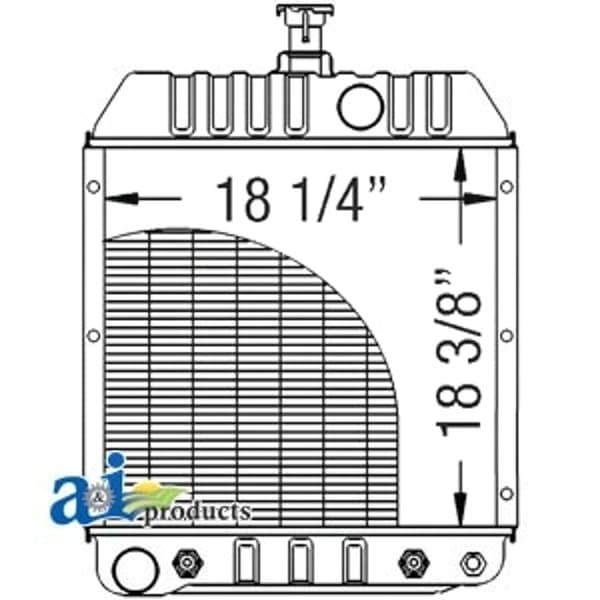
🔍 Looking for a specific part? Try our AI Part Finder — tell it your equipment and what you need, and it will find matching parts instantly.
Think of it like this: your tractor's engine is like an athlete pushing their limits. Without proper cooling, they'll overheat and break down. The oil cooler is the hydration and ventilation system for your machine, ensuring it stays in peak condition.
The Vital Role of Engine oil coolers
Engine oil serves several vital functions: lubrication, cooling, cleaning, and sealing. As the oil circulates through the engine, it absorbs heat from the pistons, bearings, and other moving parts. Without an oil cooler, the oil would quickly overheat, losing its viscosity and lubricating properties. This can lead to:
- Increased friction and wear
- Reduced engine power
- Oil sludge formation
- Engine seizure
The oil cooler, typically mounted near the radiator, acts as a heat exchanger. It allows the hot oil to transfer its heat to the surrounding air, or in some cases, to the engine coolant itself. This cooled oil then returns to the engine, ready to continue its vital work. Many modern tractors, especially those with turbocharged engines, rely heavily on efficient oil cooling to prevent coking (oil breakdown due to extreme heat) and ensure reliable operation. This is even more crucial when considering a John Deere engine rebuild kit or similar – ensuring your rebuilt engine has proper cooling for years to come.
Transmission oil coolers: Protecting Your Drivetrain
Similar to the engine, the transmission generates significant heat through friction between gears, clutch packs, and hydraulic components. Transmission oil, or hydraulic fluid, is used to lubricate these parts and transmit power. Overheating can cause:
- Reduced hydraulic pressure
- Clutch slippage
- Gear damage
- Premature seal failure
- Transmission failure
Transmission oil coolers are designed to prevent these problems. They function similarly to engine oil coolers, dissipating heat from the transmission fluid as it circulates. Many larger tractors, combines, and self-propelled harvesters incorporate transmission oil coolers as standard equipment. If you're noticing sluggish shifting or overheating issues, especially in demanding conditions, a failing transmission oil cooler could be the culprit.
Types of Tractor Oil Coolers
There are two primary types of tractor oil coolers:
- Air-to-Oil Coolers: These coolers resemble small radiators and are typically mounted in front of the main radiator or in a location where they receive ample airflow. They rely on air passing over the cooling fins to dissipate heat.
- Liquid-to-Oil Coolers: These coolers use engine coolant to cool the oil. They are typically more compact than air-to-oil coolers and are often integrated into the engine block or radiator. They are particularly common on tractors where space is limited, or more precise temperature control is needed.
The choice between these types depends on the specific tractor model, engine design, and operating conditions. For example, a heavy-duty Case IH engine rebuild kit might necessitate a larger, more robust oil cooler system.
Common Oil Cooler Problems and Troubleshooting
Several issues can affect the performance of your tractor's oil cooler:
- Clogging: Debris, dirt, and insects can accumulate on the cooler's fins, reducing airflow and hindering heat transfer.
- Internal Blockage: Sludge and deposits can build up inside the cooler, restricting oil flow.
- Leaks: Cracks, corrosion, or damaged seals can cause oil leaks, leading to reduced oil pressure and overheating.
- Damage: Physical damage from impacts or accidents can impair the cooler's function.
Troubleshooting Steps:
- Visual Inspection: Check for any visible signs of damage, leaks, or debris buildup. Clean the cooler fins with compressed air or a soft brush.
- Temperature Check: Use an infrared thermometer to measure the oil temperature entering and exiting the cooler. A significant difference in temperature indicates proper cooling. A small difference suggests a problem.
- Pressure Testing: Consult your tractor's service manual for instructions on pressure testing the oil cooler. This can help identify internal blockages or leaks.
- Coolant Inspection: If you have a liquid-to-oil cooler, check the coolant level and condition. Contaminated or low coolant can affect the cooler's performance.
Oil Cooler Maintenance Tips
Regular maintenance can significantly extend the life of your tractor's oil cooler:
- Regular Cleaning: Clean the cooler fins regularly, especially during dusty or dirty conditions.
- Oil Changes: Follow the manufacturer's recommended oil change intervals. Using high-quality oil and filters helps prevent sludge buildup.
- Coolant Flushes: For liquid-to-oil coolers, flush the cooling system periodically to remove contaminants and maintain proper coolant performance.
- Inspect Hoses and Fittings: Regularly inspect the hoses and fittings connected to the oil cooler for cracks, leaks, or damage. Replace them as needed.
- Monitor Temperatures: Keep an eye on your tractor's temperature gauge and be alert for any signs of overheating.
Replacing Your Tractor Oil Cooler
If your oil cooler is damaged, leaking, or severely clogged, it's best to replace it. Here's a general overview of the replacement process (always consult your tractor's service manual for specific instructions):
- Drain the Oil (Engine or Transmission): Ensure the system is cool before draining.
- Disconnect Hoses/Lines: Carefully disconnect the oil lines from the cooler, taking note of their orientation. Have drain pans ready to catch any spilled oil.
- Remove the Old Cooler: Unbolt or unfasten the old cooler from its mounting bracket.
- Install the New Cooler: Mount the new cooler in the same location and secure it with the appropriate hardware.
- Reconnect Hoses/Lines: Reconnect the oil lines, ensuring they are properly tightened.
- Refill with Oil: Refill the engine or transmission with the correct type and amount of oil, as specified in your tractor's manual. Check fluid levels after running the engine and top off as needed.
- Check for Leaks: Start the engine and check for any leaks around the cooler and hose connections.
Safety Warning: Always disconnect the battery before working on electrical components. When working with hot oil or coolant, wear appropriate protective gear, such as gloves and eye protection. Dispose of used oil and coolant properly.
When replacing, consider upgrading to a more efficient aftermarket cooler, especially if you frequently operate your tractor under heavy loads or in hot weather. We carry a wide selection of oil coolers for various tractor models, including John Deere, Case IH, Ford, New Holland, Massey Ferguson, Kubota, Allis Chalmers, Deutz, International Harvester, Oliver, White, Gleaner, Vermeer, Hesston, Mahindra, and Zetor.
When selecting a replacement, it's crucial to find the right part for your specific tractor model. Look for the OEM part number on the old cooler or consult your tractor's parts catalog. For example, a common John Deere oil cooler part number might be AR96902 (a hydraulic oil cooler for John Deere models), while a Case IH equivalent could be 87301588. Cross-reference these numbers to ensure compatibility.
Related Components and Systems
The oil cooler is part of a larger system, and its performance is affected by other components. Consider these related items:
- Radiator: A clogged or damaged radiator can reduce overall cooling efficiency, placing extra strain on the oil cooler.
- Water Pump: A failing water pump can reduce coolant flow, affecting the performance of liquid-to-oil coolers. Consider replacing your water pump when performing major engine work.
- Thermostat: A malfunctioning thermostat can prevent the engine from reaching its optimal operating temperature, affecting oil viscosity and cooling efficiency.
- Oil Filter: A clogged oil filter can restrict oil flow, reducing cooling efficiency and potentially damaging the oil cooler. Be sure to keep your filters fresh.
- Coolant Hoses: Leaky or damaged coolant hoses can reduce coolant levels, affecting the performance of liquid-to-oil coolers.
Addressing issues with these related components can help optimize the performance of your oil cooler and extend its lifespan. Consider replacing your tractor head gasket, tractor piston rings, and tractor main bearings during a comprehensive engine overhaul.
Conclusion
A properly functioning tractor oil cooler is essential for maintaining optimal engine and transmission performance, preventing costly breakdowns, and extending the life of your equipment. By understanding how these coolers work, performing regular maintenance, and addressing any problems promptly, you can keep your tractor running smoothly for years to come. Remember, regular maintenance and timely repairs are key to maximizing the return on your investment and ensuring your equipment is ready to tackle any job.
Shop Tractor Oil Coolers and More at Madison Tractor Company
At Madison Tractor Company, we understand the importance of reliable parts for your agricultural equipment. We offer a wide selection of high-quality tractor oil coolers, radiators, water pumps, filters, and other essential components for all major brands. Whether you need a replacement oil cooler for your Ford tractor engine rebuild kit or a new water pump for your Perkins engine, we have the parts you need to keep your equipment running smoothly. Browse our online catalog or contact our experienced parts specialists today for assistance. You can also use our AI-Powered Part Finder to search for parts by your specific make and model.
Part of our comprehensive guide
Tractor Engine Rebuild Guide: Kits, Parts & When to Overhaul