








Allis Chalmers Engine Rebuild Kit: WD, WD45 & D17
Considering an engine rebuild for your Allis Chalmers WD, WD45, or D17? This comprehensive guide covers everything you need to know about Allis Chalmers engine rebuild kits, helping you choose the right one and get your tractor back in top shape. We'll cover parts, procedures, and important considerations.
Introduction to Allis Chalmers Engine Rebuilds
The Allis Chalmers WD, WD45, and D17 tractors are known for their durability and reliability. However, even the toughest machines eventually require engine maintenance or a complete overhaul. If your Allis Chalmers tractor is showing signs of engine wear, such as excessive smoke, low power, or unusual noises, an engine rebuild may be the best solution. At Madison Tractor Company, we offer a wide range of Allis Chalmers parts, including complete engine rebuild kits, to help you restore your tractor to its original performance.
Recommended Parts for This Guide
2 parts we recommend — in stock, ships fast, one-click add to cart.
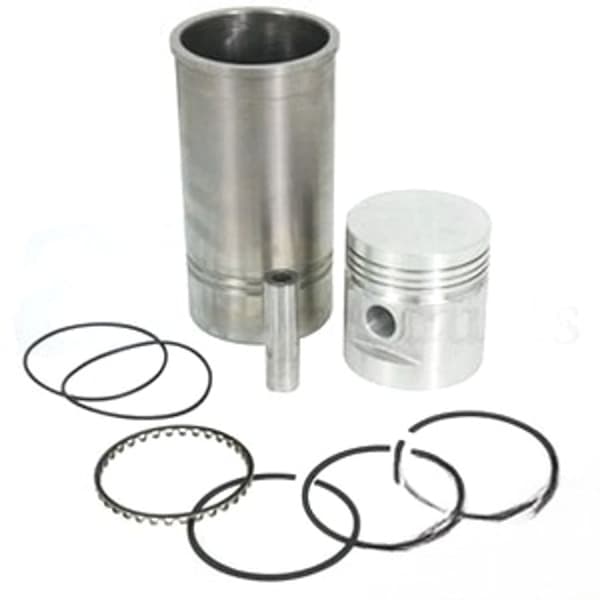
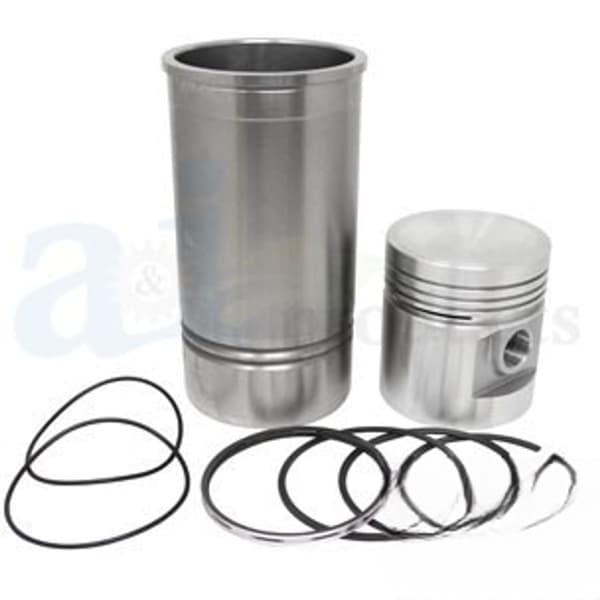
🔍 Looking for a specific part? Try our AI Part Finder — tell it your equipment and what you need, and it will find matching parts instantly.
This guide will walk you through the process of selecting the right Allis Chalmers engine rebuild kit, focusing on common models like the WD, WD45, and D17. We'll also discuss the key components included in these kits and offer some essential tips for a successful rebuild.
Identifying the Need for an Engine Rebuild
Before diving into an engine rebuild, it's important to accurately diagnose the problem. Here are some common signs that indicate your Allis Chalmers engine may need a rebuild:
- Low Compression: A compression test will reveal if your cylinders are losing pressure, indicating worn piston rings or valves.
- Excessive Oil Consumption: Burning oil can be a sign of worn piston rings, valve stem seals, or cylinder walls.
- Blue Smoke: Blue smoke from the exhaust is a telltale sign of burning oil.
- Low Power: A significant decrease in engine power, especially under load, suggests internal engine wear.
- Unusual Noises: Knocking, tapping, or rattling sounds can indicate worn bearings, pistons, or other internal components.
- High Blow-by: Excessive crankcase pressure, often indicated by smoke or pressure coming from the crankcase breather, is a sign of worn piston rings and cylinder walls.
If you are experiencing these symptoms, it's time to consider an engine rebuild.
Choosing the Right Allis Chalmers engine rebuild kit
Selecting the correct engine rebuild kit is crucial for a successful rebuild. We offer Allis Chalmers engine rebuild kits for many models, including WD, WD45, D17, and more. When choosing a kit, consider the following:
- Model and Year: Ensure the kit is specifically designed for your tractor model and year. Engine designs can vary even within the same model line. For example, a WD45 built in 1953 may have different engine components than one built in 1957. Double-check your serial number for verification.
- Engine Type: Identify the engine type in your tractor (e.g., gasoline, diesel). Kits are specific to engine type.
- Kit Contents: Review the contents of the kit to ensure it includes all the necessary components for your rebuild. A typical Allis Chalmers engine rebuild kit may include:
- Pistons
- Piston Rings (see our article on tractor piston rings)
- Cylinder Liners (if applicable)
- Wrist Pins
- Main Bearings (see our article on tractor main bearings)
- Connecting Rod Bearings
- Thrust Washers
- Gasket Set (including head gasket - see our article on tractor head gasket)
- Seals
- Quality: Choose a kit from a reputable supplier like Madison Tractor Company. We offer high-quality components designed to meet or exceed OEM specifications. We carry parts for many brands, including John Deere, Case IH, Ford, New Holland, Massey Ferguson, Kubota, Deutz, International Harvester, Oliver, White, Gleaner, Vermeer, Hesston, Mahindra, and Zetor.
- Oversized Components: If your engine has been previously rebuilt or shows significant wear, you may need oversized pistons or bearings. Measure your cylinders and crankshaft to determine the correct size.
For Allis Chalmers WD, WD45, and D17 models, common OEM part numbers to reference include (but always verify fitment based on your specific tractor's serial number):
- WD Piston: 70207792 (verify size - standard, .020, .030, .040)
- WD45 Piston: 70207792 (verify size - standard, .020, .030, .040)
- D17 Piston: 70224514 (verify size - standard, .020, .030, .040)
- WD/WD45/D17 Main Bearing Set: Verify based on serial number and size (standard, .010, .020, .030)
Essential Steps for a Successful Engine Rebuild
An engine rebuild is a complex process that requires careful attention to detail. Here are some essential steps to follow:
- Disassembly: Carefully disassemble the engine, labeling and organizing all parts. Take photos as you disassemble to help with reassembly.
- Cleaning: Thoroughly clean all engine components, removing dirt, grime, and carbon deposits. Use a parts washer or solvent tank for best results.
- Inspection: Inspect all components for wear, damage, or cracks. Pay close attention to the cylinder walls, crankshaft, connecting rods, and valve train. Replace any worn or damaged parts.
- Machining: Have the cylinder head checked and resurfaced by a qualified machine shop. If necessary, have the cylinder block bored or honed to accommodate oversized pistons. The crankshaft may also need to be ground if it's worn or damaged.
- Assembly: Carefully reassemble the engine, following the manufacturer's specifications for torque and clearances. Use new gaskets and seals throughout the assembly process.
- Lubrication: Lubricate all moving parts with engine oil or assembly lube during assembly.
- Torque Specifications: Follow the correct torque specifications for all bolts and fasteners. Incorrect torque can lead to engine damage. For example, typical WD/WD45/D17 head bolt torque is around 85-95 ft-lbs, but consult your service manual for the exact value.
- Initial Start-up: After completing the rebuild, prime the oil system and start the engine. Monitor the oil pressure and temperature closely. Let the engine run at idle for several minutes to allow the components to break in.
- Break-in Period: Follow the manufacturer's recommendations for the engine break-in period. Avoid heavy loads and high RPMs during the initial break-in period. Change the oil and filter after the break-in period to remove any contaminants.
Safety Warning: Always disconnect the battery before working on the electrical system. Wear safety glasses and gloves to protect yourself from fluids and sharp objects. Use proper lifting equipment when handling heavy engine components.
Specific Considerations for WD, WD45, and D17 Models
Allis Chalmers WD
The Allis Chalmers WD is known for its inline four-cylinder gasoline engine. When rebuilding a WD engine, pay close attention to the valve train. Inspect the valves, valve seats, and valve guides for wear. Replace any worn components to ensure proper valve sealing.
Allis Chalmers WD45
The WD45 is an upgraded version of the WD, often featuring a larger engine and improved hydraulics. When rebuilding a WD45 engine, ensure that you use the correct piston rings for the specific engine type. Different WD45 engines may use different ring configurations. Also, check the condition of the carburetor and fuel pump.
Allis Chalmers D17
The D17 is a more modern tractor than the WD and WD45, often featuring a diesel engine option. If you're rebuilding a D17 diesel engine, pay close attention to the fuel injection system. Have the injectors tested and rebuilt if necessary. Also, check the condition of the water pump and radiator to ensure proper cooling. Be sure to reference related articles like Perkins Engine Rebuild Kit: 3.152, 4.236 & 1000 Series, John Deere Engine Rebuild Kit: 3-Cyl, 4-Cyl & 6-Cyl and Ford Tractor Engine Rebuild Kit: 3-Cyl & 4-Cyl Diesel for guidance on similar engine configurations and rebuild processes. The article Case IH Engine Rebuild Kit: All Diesel Models may be helpful if you are familiar with those platforms.
Beyond the Engine: Other Important Components
While rebuilding your engine, it's a good idea to inspect and address other related components:
- Cooling System: Check the radiator, water pump, and hoses for leaks or damage. Replace any worn components to prevent overheating.
- Fuel System: Clean or rebuild the carburetor or fuel injectors. Replace the fuel filter and check the fuel lines for leaks.
- Electrical System: Inspect the starter, alternator, and wiring harness. Replace any worn or damaged components.
- Hydraulic System: Check the hydraulic pump and cylinders for leaks or damage. Replace any worn seals or components.
- Clutch: If your tractor has a manual transmission, inspect the clutch disc, pressure plate, and throwout bearing. Replace any worn components to ensure proper clutch operation.
Conclusion
Rebuilding an Allis Chalmers engine can be a rewarding project that restores your tractor to its former glory. By choosing the right engine rebuild kit and following the essential steps outlined in this guide, you can ensure a successful rebuild. Remember to consult your tractor's service manual for specific instructions and torque specifications.
At Madison Tractor Company, we are committed to providing high-quality parts and exceptional customer service. We offer a wide range of Allis Chalmers engine rebuild kits and other tractor parts to meet your needs. Contact us today to find the right parts for your Allis Chalmers tractor!
🔍 Can't Find Your Part?
Use our AI-Powered Part Finder to search by your equipment's make, model, and what you need. It's the fastest way to find the exact part for your machine.
Try the Part Finder →Part of our comprehensive guide
Tractor Engine Rebuild Guide: Kits, Parts & When to Overhaul