








Ford Tractor Oil Pump: 2000-5000 Series Parts
Maintaining proper oil pressure in your Ford tractor is crucial for engine longevity. This guide helps you diagnose oil pump problems in 2000-5000 series Ford tractors and find the correct replacement parts. Learn about common issues, troubleshooting steps, and where to find high-quality Ford tractor oil pumps.
Introduction: The Heart of Your Ford Tractor's Lubrication System
The oil pump is the unsung hero of your Ford tractor's engine. It circulates vital oil, providing lubrication to all the moving parts, from the crankshaft and connecting rods to the camshaft and valve train. Without a properly functioning oil pump, engine wear accelerates dramatically, leading to costly repairs or even complete engine failure. This guide focuses on the oil pumps found in Ford 2000, 3000, 4000, and 5000 series tractors, offering troubleshooting tips and information on finding the right replacement parts.
Recommended Parts for This Guide
10 parts we recommend — in stock, ships fast, one-click add to cart.
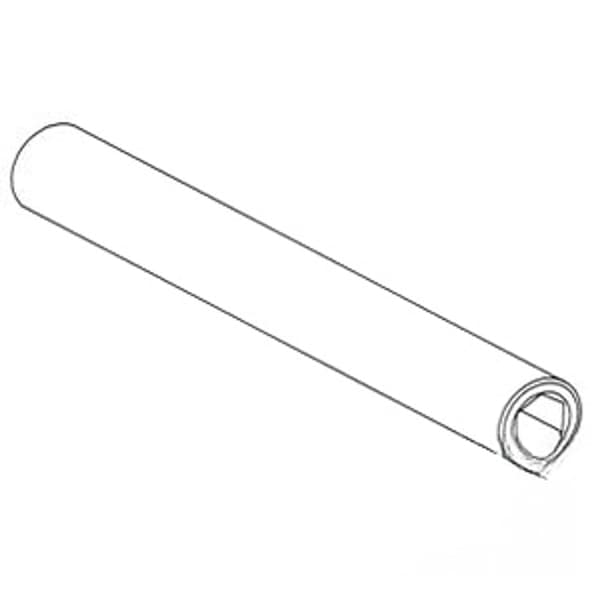
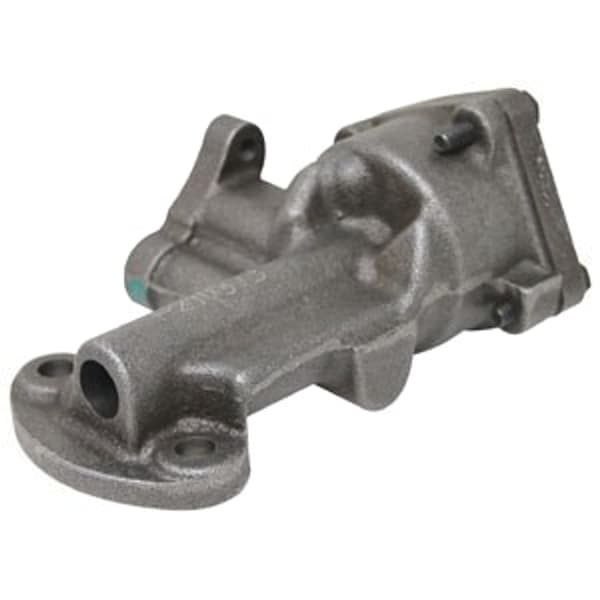
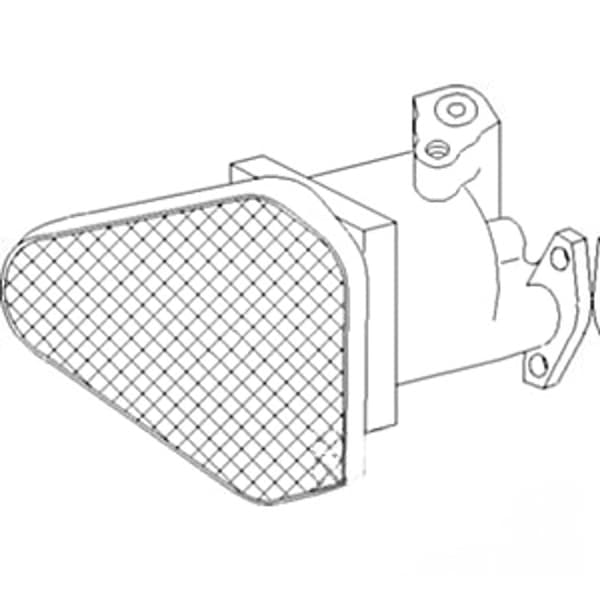
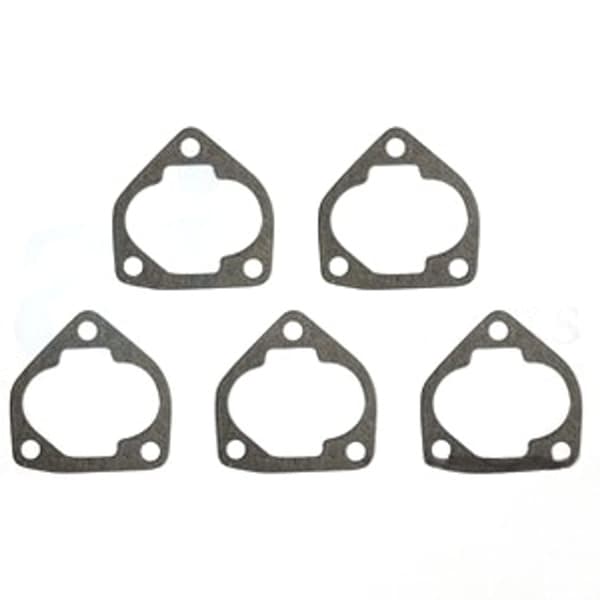
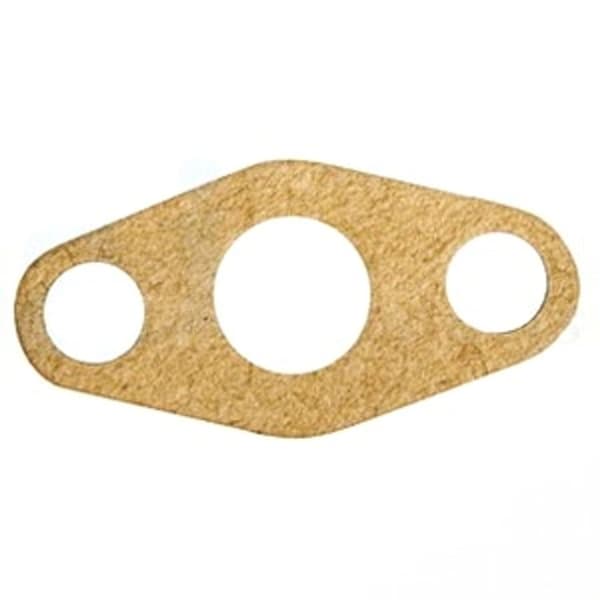
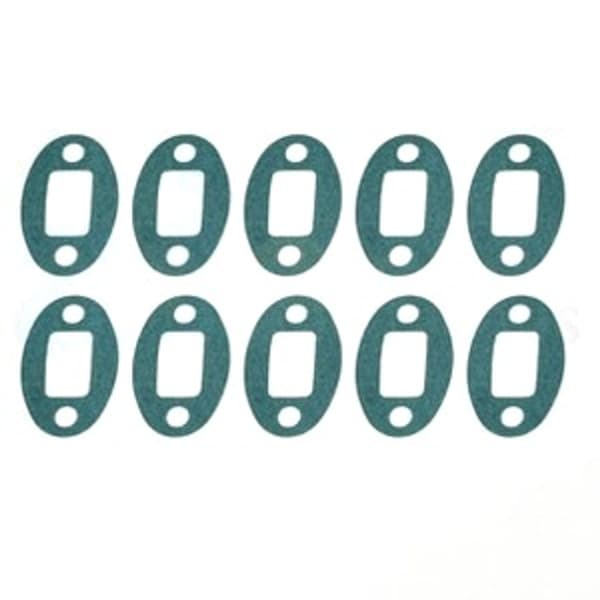
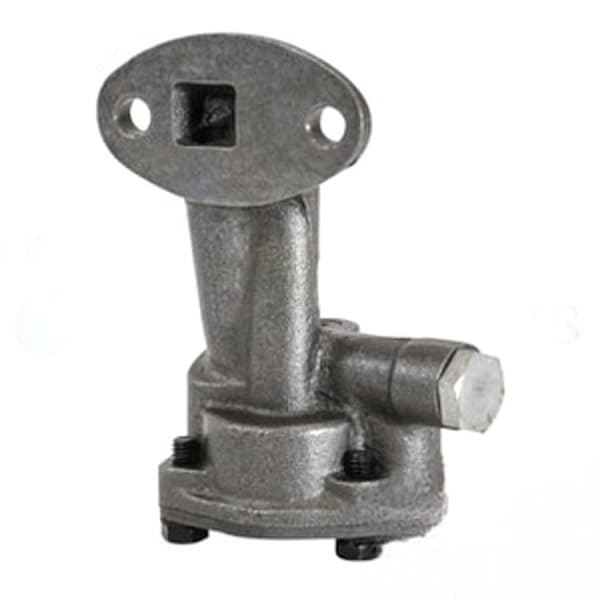
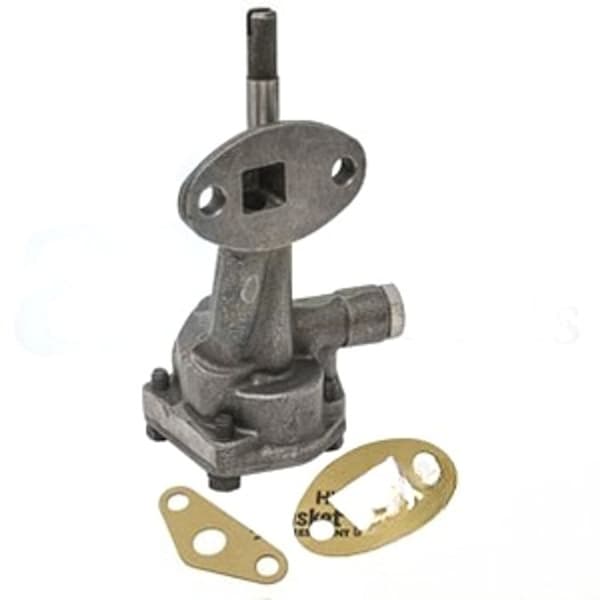
🔍 Looking for a specific part? Try our AI Part Finder — tell it your equipment and what you need, and it will find matching parts instantly.
At Madison Tractor Company, we understand the importance of keeping your Ford tractor running smoothly. We stock a wide range of parts for Ford tractors, including oil pumps, Ford tractor engine rebuild kits, tractor head gaskets, tractor piston rings, and tractor main bearings. We also carry parts for other major brands like John Deere, Case IH, New Holland, Massey Ferguson, and Kubota. Whether you need a complete engine overhaul or just a few replacement parts, we've got you covered.
Identifying Your Ford tractor oil pump Type
Ford tractors, particularly the 2000-5000 series, used various oil pump designs depending on the specific engine and model year. It's crucial to identify the correct oil pump for your tractor to ensure proper fit and function. Here's how to determine the oil pump type:
- Check Your Tractor's Model and Year: This is the first step. The 2000, 3000, 4000, and 5000 series tractors were produced over a long period, with variations in engine design. Knowing the exact model and year will help narrow down the possibilities.
- Engine Type: Is your Ford tractor powered by a gasoline or diesel engine? Different engines often use different oil pumps.
- Visual Inspection: Once you have access to the oil pump (usually after removing the oil pan), carefully examine its design. Note the following:
- Mounting Style: How does the pump attach to the engine block?
- Drive Mechanism: How is the pump driven? (e.g., gear-driven off the crankshaft or camshaft)
- Inlet and Outlet Locations: Where are the oil inlet and outlet ports located?
- OEM Part Number: If possible, locate the OEM (Original Equipment Manufacturer) part number stamped on the oil pump itself. This is the most reliable way to identify the correct replacement. Common OEM part numbers you might encounter include E1ADD-9350-AA, C5NN-6600-C, and D8NN-6600-AA.
- Consult Your Tractor's Service Manual: Your tractor's service manual is an invaluable resource for identifying parts and specifications. If you don't have one, consider purchasing a reprint or digital copy.
Note: Always double-check the part number and specifications before ordering a replacement oil pump. If you're unsure, contact our knowledgeable parts specialists at Madison Tractor Company for assistance.
Common Ford Tractor Oil Pump Problems and Symptoms
Several issues can lead to oil pump failure in your Ford tractor. Recognizing the symptoms early can prevent further engine damage.
- Low Oil Pressure: This is the most common symptom. A low oil pressure reading on the gauge (or a lit warning light) indicates that the oil pump is not delivering sufficient oil flow. Check your oil level first, but if the problem persists, suspect the oil pump.
- Engine Noise: Insufficient lubrication can cause engine knocking or rattling noises, especially at startup or under heavy load. This is a serious sign that needs immediate attention.
- Overheating: Inadequate lubrication increases friction, which generates excessive heat. If your engine is running hotter than usual, it could be related to a failing oil pump.
- Oil Leaks: Leaks around the oil pump housing or seals can indicate a problem with the pump or its gaskets. Specifically, check the oil pump cover inlet gasket and the oil pump to block gasket.
- Contaminated Oil: Debris in the oil (e.g., metal shavings, dirt) can damage the oil pump and reduce its efficiency. This can happen after an engine failure, and the pump may need replacing when rebuilding the engine with a ford tractor engine rebuild kit.
Safety Warning: Low oil pressure can quickly lead to catastrophic engine damage. If you suspect an oil pump problem, stop operating the tractor immediately and investigate the issue.
Troubleshooting Your Ford Tractor Oil Pump
Before replacing the oil pump, perform the following troubleshooting steps to rule out other potential causes of low oil pressure:
- Check Oil Level and Condition: Ensure the oil level is correct and that the oil is clean and free of contaminants. Change the oil and filter if necessary.
- Inspect Oil Pressure Relief Valve: The oil pressure relief valve regulates oil pressure. A stuck or malfunctioning valve can cause low or high oil pressure. It's typically located on the oil pump housing or engine block. Clean and inspect the valve for any damage.
- Check Oil Pump Suction Tube and Screen: The suction tube draws oil from the oil pan to the pump. A clogged or damaged suction tube or screen can restrict oil flow. Remove and clean the suction tube and screen thoroughly. Replace if damaged.
- Check Oil Filter: A clogged oil filter can restrict oil flow and reduce oil pressure. Replace the oil filter with a new one. We carry oil filters for many tractor models, including Ford, John Deere, Case IH, and more. Don't forget to properly lubricate the filter gasket before installation!
- Perform an Oil Pressure Test: Use an oil pressure gauge to verify the oil pressure at the engine. Compare the reading to the specifications in your tractor's service manual. Ford 2000-5000 series tractors typically require a minimum oil pressure of 25-45 PSI at operating temperature.
If these steps don't resolve the low oil pressure issue, the oil pump itself is likely the problem and needs replacement.
Replacing Your Ford Tractor Oil Pump: A Step-by-Step Guide
Replacing the oil pump is a relatively straightforward task, but it requires some mechanical knowledge and the right tools. Always consult your tractor's service manual for specific instructions and torque specifications.
- Gather Your Tools and Supplies: You'll need sockets, wrenches, screwdrivers, a torque wrench, new oil pump, new oil pan gasket, new oil filter, engine oil, drain pan, and cleaning supplies.
- Drain the Engine Oil: Remove the drain plug from the oil pan and allow the oil to drain completely into a drain pan.
- Remove the Oil Pan: Disconnect any wires or hoses that may be attached to the oil pan. Remove the bolts that secure the oil pan to the engine block. You may need to gently tap the oil pan with a rubber mallet to loosen it. Be careful not to damage the oil pan or engine block.
- Remove the Old Oil Pump: Disconnect the oil pump suction tube. Remove the bolts that secure the Old Oil Pump to the engine block. Carefully remove the old oil pump.
- Inspect the Suction Tube and Screen: Clean the suction tube and screen thoroughly. Replace if damaged.
- Install the New Oil Pump: Install the New Oil Pump in the reverse order of removal. Ensure the oil pump is properly aligned and that the bolts are tightened to the specified torque. Typically, these bolts are torqued to around 15-20 ft-lbs, but always refer to your service manual.
- Install the Oil Pan: Install a new oil pan gasket. Install the oil pan and tighten the bolts to the specified torque. Over-tightening can damage the gasket.
- Install the Oil Filter: Install a new oil filter. Lubricate the filter gasket with clean engine oil before installation.
- Refill the Engine with Oil: Refill the engine with the correct amount of new engine oil. Refer to your tractor's service manual for the correct oil capacity. For many Ford 2000-5000 series tractors, the oil capacity is between 6-8 quarts.
- Start the Engine and Check for Leaks: Start the engine and check for any oil leaks around the oil pan, oil pump, and oil filter. Monitor the oil pressure gauge to ensure the oil pressure is within the normal range.
Important Torque Specifications: Always refer to your tractor's service manual for specific torque specifications. Using the wrong torque can lead to leaks or damage to the components.
Safety Warning: Always disconnect the battery before working on the electrical system to prevent accidental shorts. Wear safety glasses and gloves to protect yourself from oil and other fluids.
Choosing the Right Ford Tractor Oil Pump Replacement
When selecting a replacement oil pump, consider the following factors:
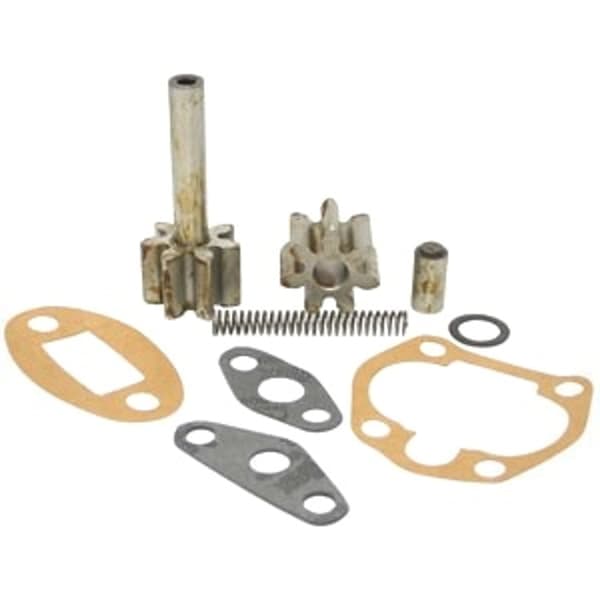
- OEM vs. Aftermarket: OEM (Original Equipment Manufacturer) oil pumps are generally considered to be the highest quality, but they can be more expensive. Aftermarket oil pumps can be a more affordable option, but it's important to choose a reputable brand. Madison Tractor Company offers both OEM and high-quality aftermarket oil pumps for Ford tractors, including models like the early series oil pump with gaskets for 1955-1964 applications.
- Material and Construction: Look for an oil pump made from durable materials, such as cast iron or steel. The pump should be well-constructed and have tight tolerances to ensure proper performance.
- Warranty: Choose an oil pump that comes with a warranty. This provides peace of mind and protection against defects.
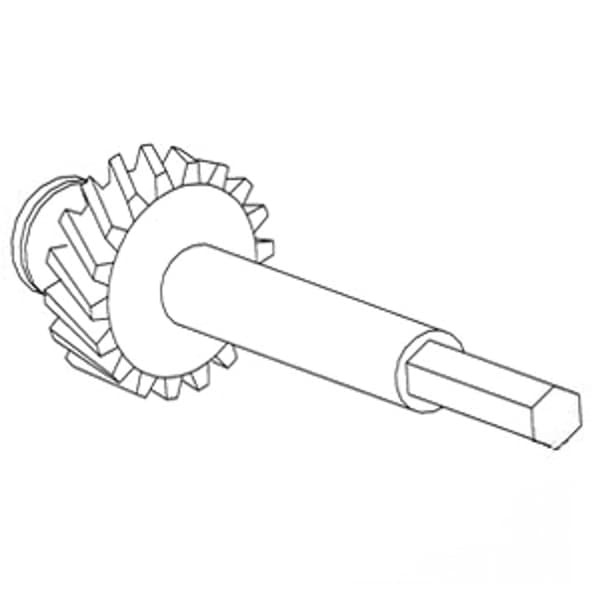
If only specific components are failing, you might consider an oil pump repair kit, which often includes gears, shafts, and gaskets. We also offer individual components such as the oil pump gear with shaft and the oil pump shaft separately.
When browsing our selection, you'll find pumps compatible with models ranging from the Ford 8N to more modern tractors. We also carry related parts like radiators, water pumps, starters, alternators, hydraulic pumps, cylinders, clutch kits, PTO parts, fuel pumps, carburetors, injectors, filters, gaskets, pistons, bearings, seals, and belts.
Preventative Maintenance for Your Ford Tractor's Oil Pump
Proper maintenance is key to extending the life of your Ford tractor's oil pump. Follow these tips:
- Regular Oil Changes: Change the engine oil and filter at the recommended intervals. This removes contaminants that can damage the oil pump.
- Use the Correct Oil Type: Use the oil type recommended in your tractor's service manual. Using the wrong oil can lead to inadequate lubrication and premature wear.
- Monitor Oil Pressure: Regularly monitor the oil pressure gauge. If you notice any changes, investigate the cause immediately.
- Address Leaks Promptly: Repair any oil leaks as soon as possible. Leaks can lead to low oil pressure and engine damage.
- Consider Oil Analysis: Periodic oil analysis can reveal potential problems before they become serious.
Other Related Engine Components
When addressing oil pump issues, it's often wise to consider other related engine components. For example, if you're experiencing low oil pressure and have an older tractor, it might be time to inspect or replace the tractor main bearings. Worn bearings can contribute to low oil pressure. Similarly, consider the condition of your tractor piston rings, as worn rings can allow oil to bypass into the combustion chamber.
If you are performing a more extensive engine overhaul, you might consider purchasing a Ford tractor engine rebuild kit. These kits include many of the necessary components for a complete engine rebuild, ensuring that all parts are compatible and work together seamlessly. We also offer rebuild kits for other brands such as John Deere, Case IH, and Perkins.
Shop Ford Tractor Oil Pumps at Madison Tractor Company
At Madison Tractor Company, we're committed to providing you with the highest quality parts and expert advice for your Ford tractor. Browse our extensive selection of Ford tractor oil pumps and other engine components. Our knowledgeable parts specialists are always available to assist you with your parts needs. We carry parts for a wide range of Ford tractor models, including the 2000, 3000, 4000, 5000 series, and many more. Trust Madison Tractor Company to keep your Ford tractor running strong for years to come!
🔍 Can't Find Your Part?
Use our AI-Powered Part Finder to search by your equipment's make, model, and what you need. It's the fastest way to find the exact part for your machine.
Try the Part Finder →Part of our comprehensive guide
Tractor Engine Rebuild Guide: Kits, Parts & When to Overhaul