








Ford Tractor Head Gasket: 3-Cyl & 4-Cyl Diesel
Replacing a Ford tractor head gasket on a 3-cylinder or 4-cylinder diesel engine is a significant task. This guide covers symptoms, part selection, and essential steps. Find head gaskets and other engine parts at Madison Tractor.
Introduction: Understanding Your Ford tractor head gasket
Your Ford tractor is a workhorse, and the engine is its heart. The head gasket plays a vital role in maintaining engine compression and preventing leaks between the cylinder head and the engine block. A failing ford tractor head gasket can lead to reduced power, overheating, and costly engine damage. This guide will walk you through the common symptoms of a failing head gasket, the selection of a suitable replacement, and key steps in the replacement process for 3-cylinder and 4-cylinder diesel Ford tractors.
Recommended Parts for This Guide
10 parts we recommend — in stock, ships fast, one-click add to cart.
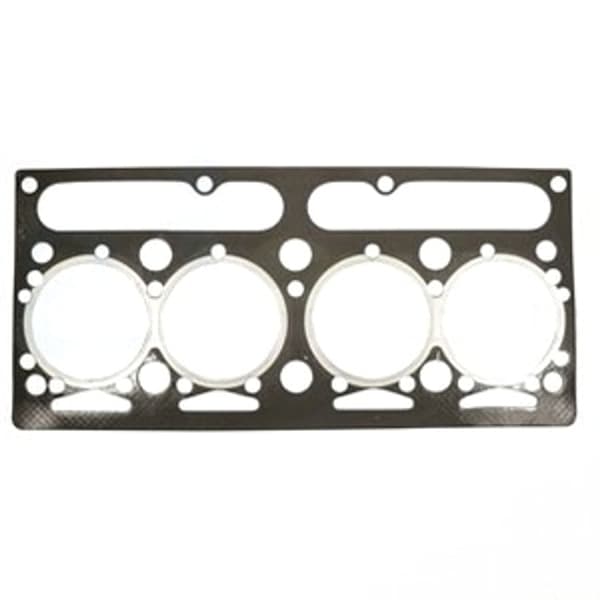
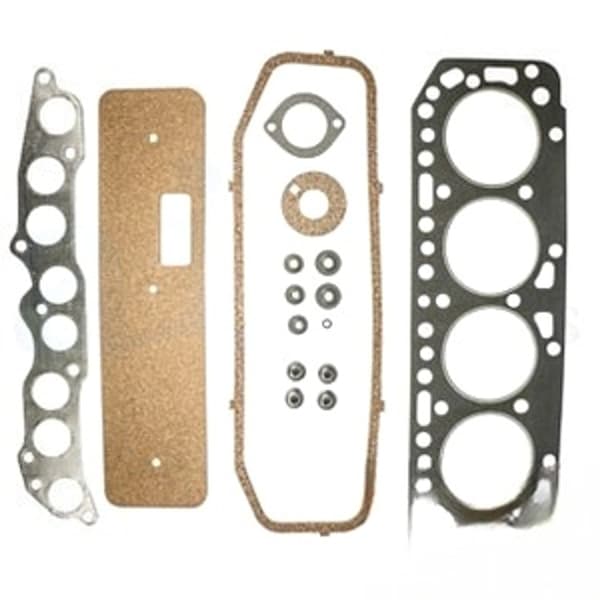
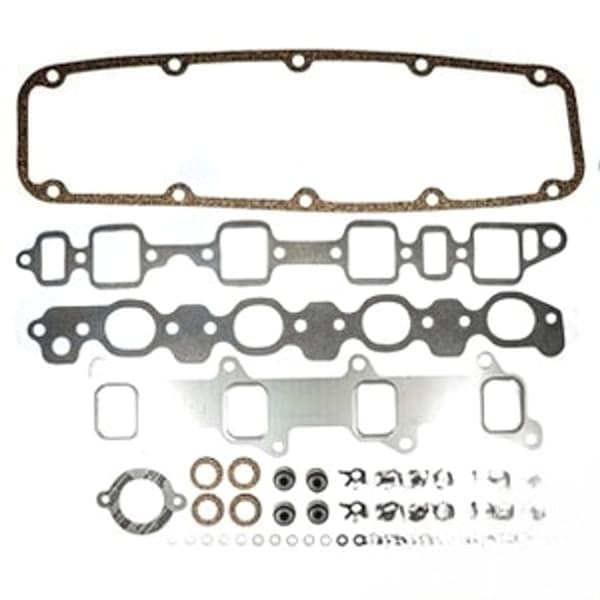
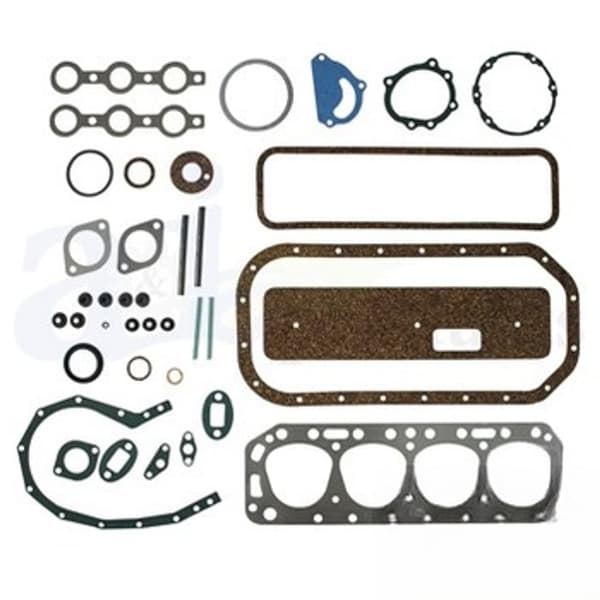
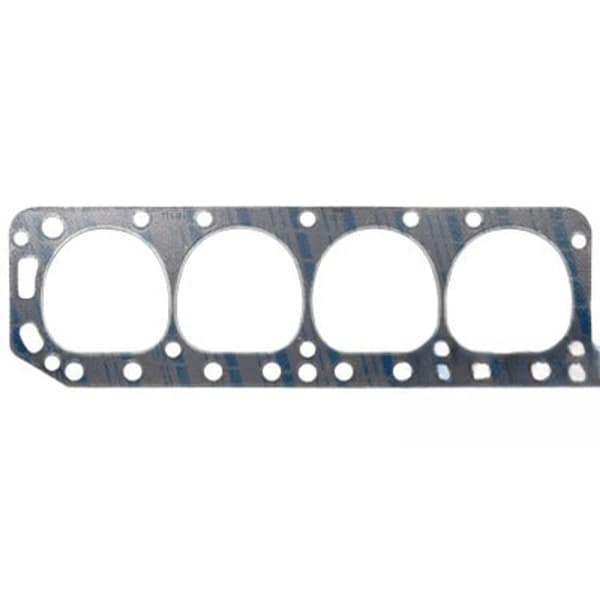
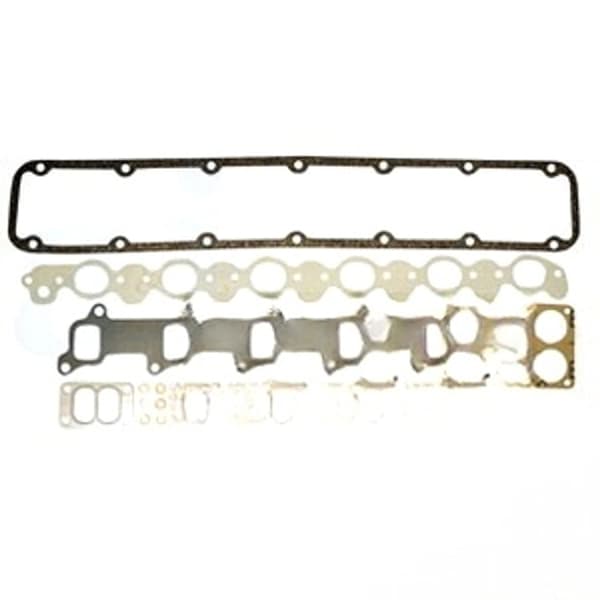
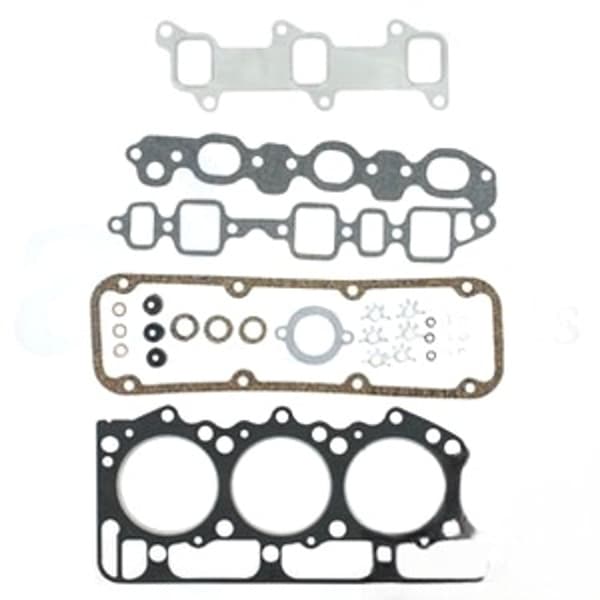
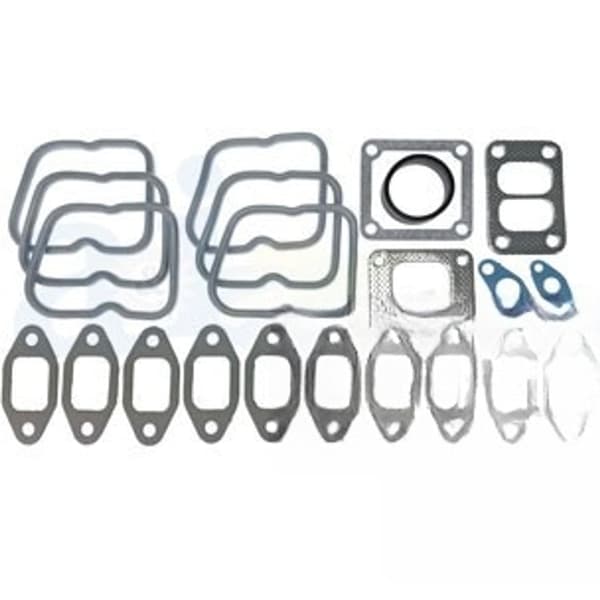
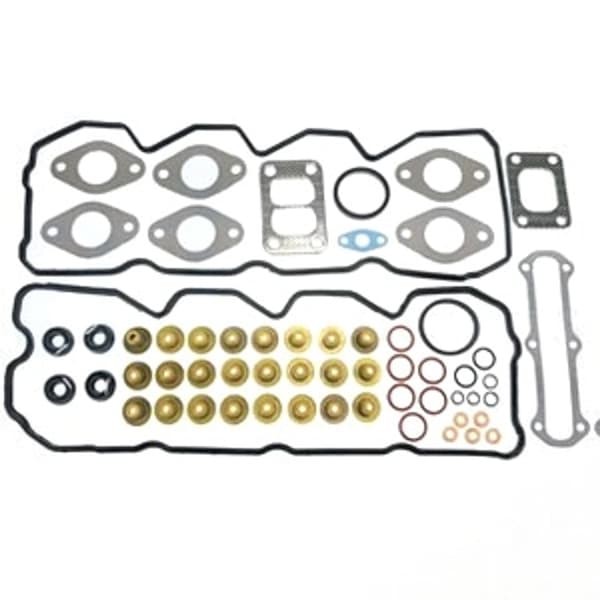
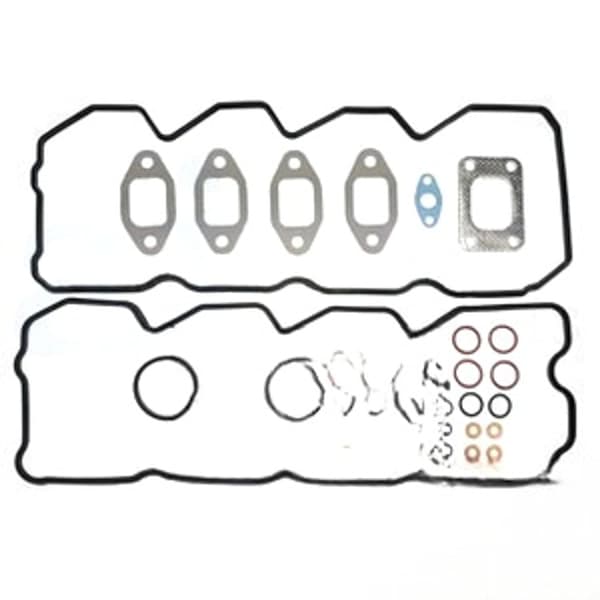
🔍 Looking for a specific part? Try our AI Part Finder — tell it your equipment and what you need, and it will find matching parts instantly.
At Madison Tractor Company, we understand the importance of having the right parts for the job. We carry a wide range of parts for various tractor brands, including Ford, New Holland, John Deere, Case IH, Massey Ferguson, Kubota, Allis Chalmers, Deutz, International Harvester, Oliver, and White. We stock everything from radiators and water pumps to complete Ford tractor engine rebuild kit options.
Recognizing a Failing Ford Tractor Head Gasket
Early detection of a head gasket problem can save you time and money. Here are some common symptoms to watch out for:
- Overheating: This is a classic sign. A blown head gasket can disrupt the cooling system's efficiency.
- White Smoke from Exhaust: Indicates water or coolant entering the combustion chamber.
- Bubbles in Radiator: With the engine running and the radiator cap removed (exercise caution - hot coolant!), look for bubbles rising in the coolant. This suggests combustion gases are leaking into the cooling system.
- Milky Oil: Coolant mixing with oil turns the oil a milky brown color. Check the dipstick regularly.
- Loss of Power: Reduced compression in one or more cylinders will result in a noticeable loss of power.
- External Leaks: You might observe coolant or oil leaking from the head gasket area.
- Hard Starting: If coolant is leaking into a cylinder while the engine is off, it can make starting difficult.
Safety First: Always allow your engine to cool completely before attempting to diagnose or repair any cooling system issues. Wear safety glasses and gloves.
Choosing the Right Ford Tractor Head Gasket
Selecting the correct head gasket is crucial for a successful repair. Here's what to consider:
- Engine Model: Identify your engine model. Common 3-cylinder Ford diesel engines include the ones found in the Ford 2000, 3000, and 3600 series tractors. 4-cylinder diesels are frequently found in Ford 4000, 4600, and 5000 series tractors. The engine model number is usually stamped on the engine block.
- Bore Size: Measure the cylinder bore diameter. Head gaskets come in different sizes to match the bore. Using the wrong size will lead to leaks.
- Gasket Material: Common materials include composite, copper, and steel. Composite gaskets are generally suitable for most applications. Copper and steel gaskets are often used in high-performance or turbocharged engines.
- OEM vs. Aftermarket: Consider the quality and reputation of the manufacturer. We carry high-quality aftermarket gaskets and can often provide original equipment (OEM) parts.
Common Ford Tractor Head Gasket Part Numbers (Examples):
- Ford 3-Cylinder Diesel (e.g., 2000, 3000, 3600): Often uses a gasket similar to part number E1ADD567AA, but always confirm with your specific engine model.
- Ford 4-Cylinder Diesel (e.g., 4000, 4600, 5000): Might use a gasket like C5NE6051A, but again, verification is key.
Always double-check the part number against your tractor's service manual or consult with our experienced parts specialists at Madison Tractor to ensure proper fitment. We can also help you find a suitable tractor head gasket if you aren't sure what you need.
Ford Tractor Head Gasket Replacement: Key Steps
Replacing a head gasket is a complex task that requires mechanical skills and patience. If you're not comfortable performing this repair, consult a qualified mechanic. Here's a general overview of the process:
- Preparation: Gather the necessary tools (sockets, wrenches, torque wrench, etc.), replacement head gasket, coolant, oil, and a repair manual specific to your tractor model. Drain the coolant and oil. Disconnect the battery.
- Disassembly: Remove the hood, fuel tank (if necessary), air cleaner, exhaust manifold, intake manifold, fuel lines, and any other components that obstruct access to the cylinder head.
- Cylinder Head Removal: Carefully loosen and remove the cylinder head bolts in the reverse order of the tightening sequence specified in the repair manual. Lift the cylinder head off the engine block.
- Cleaning and Inspection: Thoroughly clean the cylinder head and engine block surfaces. Inspect the cylinder head for cracks or warpage. Have the head professionally resurfaced if necessary. Clean the pistons and cylinder walls.
- Gasket Installation: Place the new head gasket on the engine block, ensuring it is properly aligned.
- Cylinder Head Installation: Carefully lower the cylinder head onto the gasket and engine block.
- Torquing the Head Bolts: Install the cylinder head bolts and tighten them in the sequence and to the torque specifications outlined in the repair manual. Use a torque wrench for accurate tightening. This is CRITICAL. Most Ford tractor head bolts are torqued in stages, so read the manual carefully. For example, a typical sequence might be:
- Stage 1: 40 ft-lbs
- Stage 2: 60 ft-lbs
- Stage 3: 80 ft-lbs
- Reassembly: Reinstall all the components you removed during disassembly.
- Fluid Refill: Refill the engine with fresh oil and coolant.
- Start and Test: Start the engine and check for leaks. Monitor the temperature gauge to ensure the engine is not overheating.
- Retorque (If Required):12 Some head gaskets require a retorque after a certain period of operation. Consult the gasket manufacturer's instructions or the repair manual.
Important Torque Specifications: Always refer to your tractor's service manual for the exact torque specifications for your specific engine model. Using the correct torque is essential to prevent leaks and ensure proper head gasket sealing. A 4-cylinder Ford 4000 diesel, for instance, will have different torque specs than a 3-cylinder Ford 3000 diesel.
Consider Replacing These Parts
When replacing a head gasket, it's a good idea to inspect and potentially replace other related parts, such as:
- Head Bolts: Head bolts stretch over time and may not provide adequate clamping force if reused.
- Thermostat: A faulty thermostat can contribute to overheating.
- Water Pump: Ensure the water pump is functioning correctly to maintain proper coolant flow.
- Radiator Hoses: Replace any cracked or deteriorated hoses.
- tractor piston rings: If you are already this deep into the engine, it may be prudent to replace the tractor piston rings, too.
- tractor main bearings: If you are rebuilding the whole engine, make sure to replace the tractor main bearings for longevity.
- Injectors: Consider having your diesel injectors tested and cleaned or replaced.
- Valve Cover Gasket: Always inspect the valve cover gasket for leaks and replace if necessary.
We offer a wide selection of John Deere, Case IH, and other parts including clutch kits, PTO parts, fuel pumps, carburetors, injectors, filters, gaskets, pistons, bearings, seals, and belts.
Related Engine Repairs and Considerations
If you're dealing with a blown head gasket, it might be a sign of other underlying engine issues. Consider these related repairs:
- Engine Overhaul: If the engine has high hours or shows signs of wear, consider a complete engine overhaul. This involves replacing all major engine components, such as pistons, rings, bearings, and valves.
- Cooling System Flush: Clean out the cooling system to remove any debris or contaminants that may have contributed to the overheating.
- Check for Cylinder Head Cracks: Cylinder heads, particularly in older tractors, are prone to cracking. Have the head professionally inspected before reassembly.
- Consult a Professional: For complex engine issues, seeking the advice of a qualified mechanic is always recommended.
We offer complete Perkins engine rebuild kits and Case IH engine rebuild kits as well. If your Ford engine is experiencing issues, consider a Ford tractor engine rebuild kit to restore your engine to like-new condition. We also carry John Deere head gasket set options.
Conclusion
Replacing a ford tractor head gasket is a challenging but manageable task with the right knowledge and parts. By understanding the symptoms of a failing head gasket, selecting the correct replacement, and following the proper procedures, you can restore your Ford tractor to its optimal performance. Remember to consult your tractor's service manual and, when in doubt, seek professional assistance. Always prioritize safety and take your time to ensure a successful repair.
Madison Tractor Company is your trusted source for all your agricultural and outdoor power equipment parts needs. We carry a wide range of parts for Ford, New Holland, Massey Ferguson, Kubota, and many other brands. From basic maintenance items like filters and belts to complex engine components, we have you covered.
Shop Ford Tractor Parts at Madison Tractor Company Today!
🔍 Can't Find Your Part?
Use our AI-Powered Part Finder to search by your equipment's make, model, and what you need. It's the fastest way to find the exact part for your machine.
Try the Part Finder →Part of our comprehensive guide
Tractor Engine Rebuild Guide: Kits, Parts & When to Overhaul