








Tractor Connecting Rod & Rod Bearing Replacement
A worn or damaged connecting rod can cause serious engine damage. This guide provides a step-by-step process for replacing your tractor's connecting rod and bearings, ensuring optimal engine performance and longevity.
Introduction to Tractor Connecting Rods & Bearings
The connecting rod, often called a 'rod,' is a critical component in your tractor's engine. It connects the piston to the crankshaft, converting the reciprocating motion of the piston into the rotational motion that powers your tractor. The connecting rod bearings sit between the rod and the crankshaft, allowing for smooth rotation and minimizing friction. Over time, these bearings can wear down, leading to engine knocking, reduced performance, and eventually, serious engine damage. If you're seeing signs of engine trouble or are undertaking a full engine rebuild using a tractor engine rebuild kit, inspecting and potentially replacing the connecting rods and bearings is essential.
Recommended Parts for This Guide
8 parts we recommend — in stock, ships fast, one-click add to cart.
🔍 Looking for a specific part? Try our AI Part Finder — tell it your equipment and what you need, and it will find matching parts instantly.
Symptoms of Worn Connecting Rod Bearings
Recognizing the symptoms of worn connecting rod bearings early can prevent catastrophic engine failure. Here are some common signs to watch out for:
- Engine Knocking: A distinct knocking sound, often described as a rhythmic tapping or hammering, that increases with engine speed. This is the most common symptom.
- Low Oil Pressure: Worn bearings increase clearances, leading to a drop in oil pressure. Check your tractor's oil pressure gauge frequently.
- Metallic Debris in Oil: When changing your oil, inspect it carefully for metallic particles. These particles indicate bearing wear and potential damage to other engine components.
- Reduced Engine Performance: Loss of power, sluggish acceleration, and difficulty starting can also be signs of worn connecting rod bearings.
Tools and Materials Needed
Before you begin, gather the necessary tools and materials. This will ensure a smooth and efficient repair process:
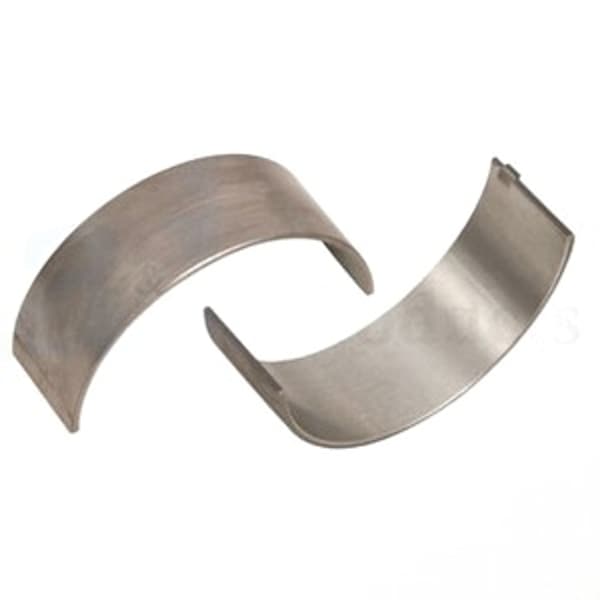
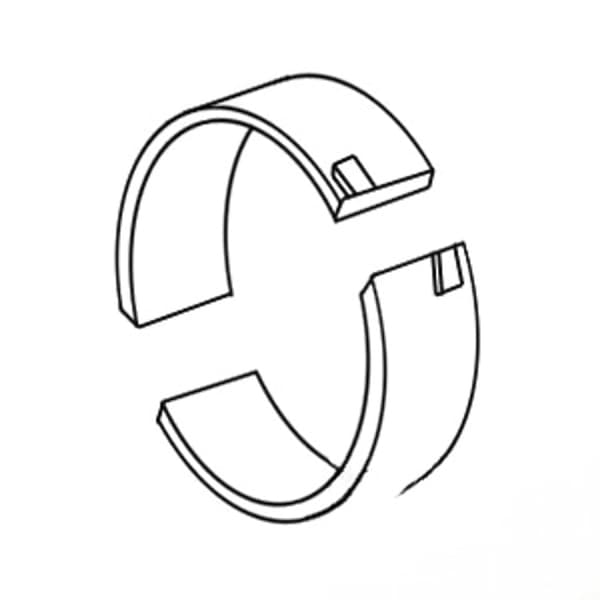
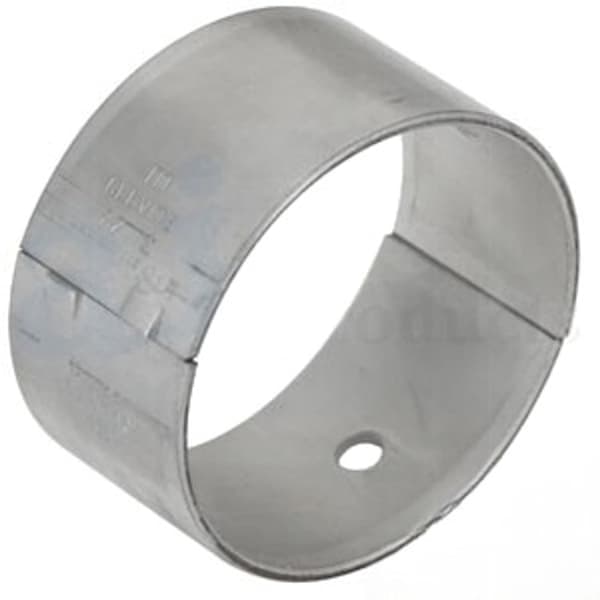
- New Connecting Rod Bearings: Purchase the correct size and type for your tractor model. Madison Tractor Company carries a wide selection of connecting rod bearings, including standard (SKU 367777R11, SKU 8093882) and undersized options like RE529318A to fit your specific needs.
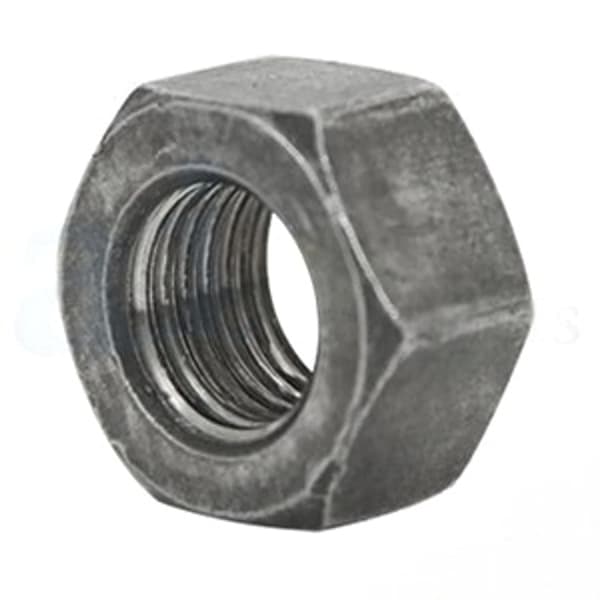
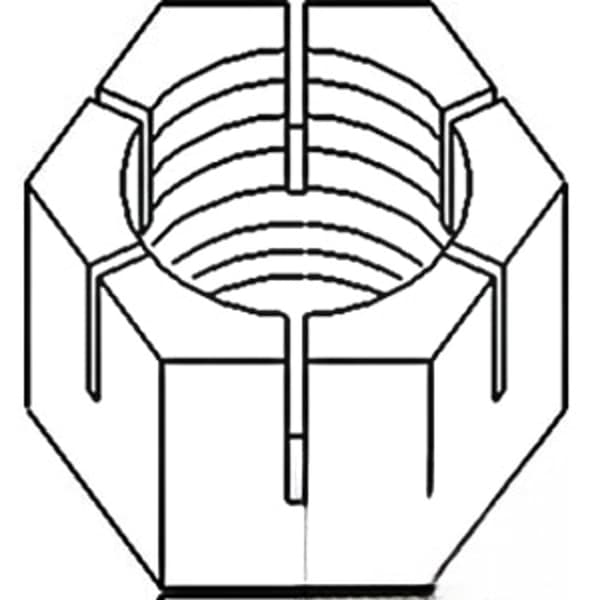
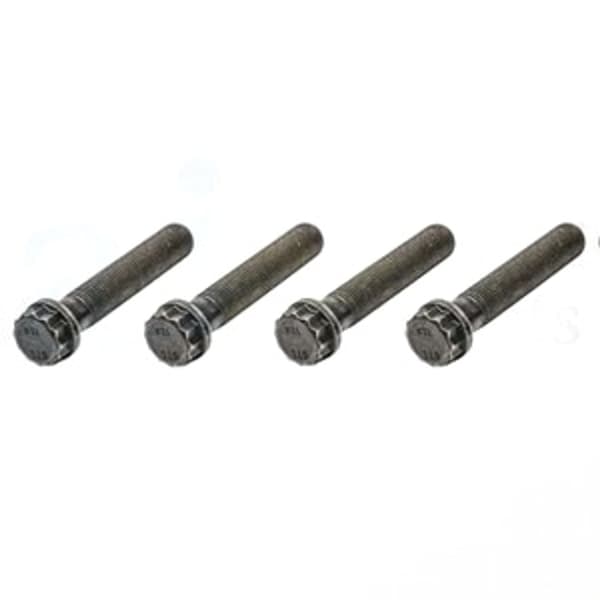
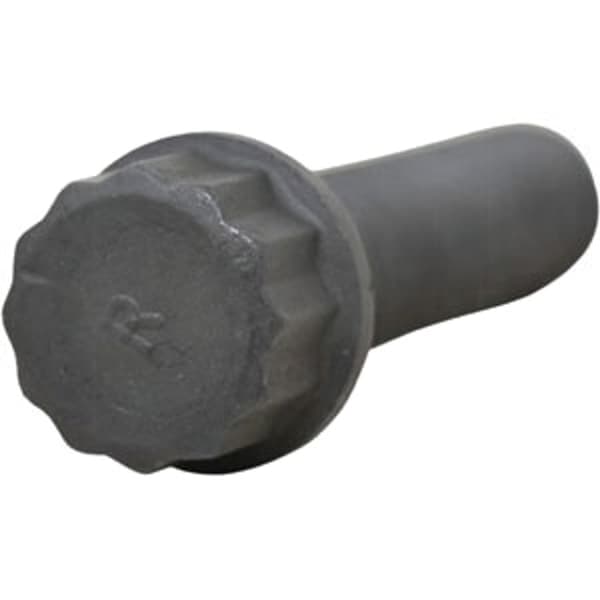
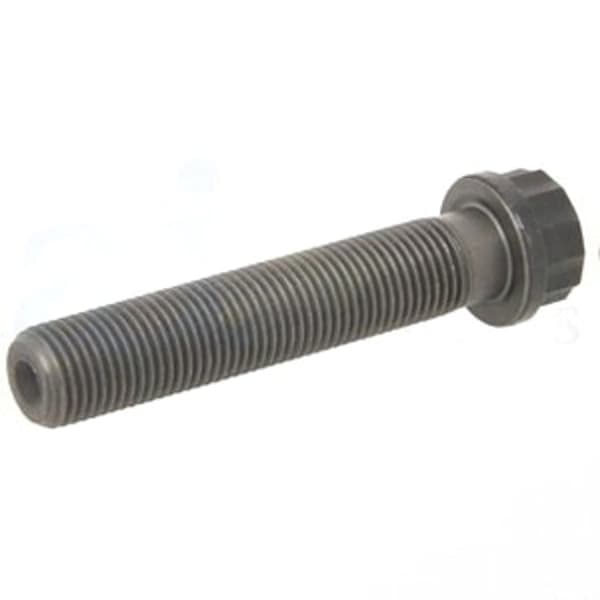
- New Connecting Rod Bolts/Nuts: These are often torque-to-yield and should always be replaced when removing the connecting rods. Consider specific types like bolts for fracture split rods, another fracture split bolt option, or capscrews for machine split rods, along with appropriate connecting rod nuts like SKU 33221327 or SKU 385279S2.
- Torque Wrench: An accurate torque wrench is crucial for tightening the connecting rod bolts to the manufacturer's specifications.
- Socket Set and Wrenches: A comprehensive set of sockets and wrenches is necessary for disassembling and reassembling the engine.
- Piston Ring Compressor: This tool is essential for reinstalling the pistons into the cylinders without damaging the tractor piston rings.
- Engine Assembly Lube: Use engine assembly lube on the bearings and other moving parts during reassembly to prevent damage during initial startup.
- Gasket Scraper: For removing old gasket material.
- Cleaning Supplies: Parts cleaner, rags, and brushes for cleaning engine components.
- Service Manual: Consult your tractor's service manual for specific instructions and torque specifications.
- Safety Glasses and Gloves: Always wear safety glasses and gloves when working on engines.
Step-by-Step Connecting Rod & Bearing Replacement
Safety First: Disconnect the battery and ensure the engine is cool before starting any work. Drain the engine oil and coolant.
- Remove the Oil Pan: Drain the oil and remove the oil pan. This will provide access to the connecting rods and crankshaft.
- Remove the Cylinder Head: Before you can remove the pistons and connecting rods, you will need to remove the cylinder head. Be sure to replace the tractor head gasket upon reassembly. You might consider a John Deere head gasket set if working on a John Deere.
- Inspect the Cylinder Bore: Look for scoring, cracks, or excessive wear. If the cylinder is damaged, it may need to be honed or bored.
- Remove the Connecting Rod Caps: Locate the connecting rod caps on the crankshaft. Loosen and remove the bolts or nuts securing the caps. Mark each cap with the cylinder number to ensure proper reassembly.
- Push the Piston and Connecting Rod Out: Use a wooden dowel or similar tool to gently push the piston and connecting rod assembly out of the cylinder bore. Be careful not to damage the cylinder walls or the piston rings.
- Inspect the Connecting Rods: Check the connecting rods for any signs of bending, cracking, or damage. If the connecting rod is damaged, it must be replaced.
- Remove the Old Bearings: Remove the old connecting rod bearings from the connecting rod and connecting rod cap. Clean the connecting rod and cap thoroughly.
- Install the New Bearings: Install the new connecting rod bearings into the connecting rod and cap. Ensure the bearings are properly seated and aligned. Lightly lubricate the bearings with engine assembly lube.
- Install the Piston Rings: If you are replacing the piston rings, install them onto the piston using a piston ring expander tool. Be sure to stagger the ring end gaps according to the manufacturer's specifications. If you need new rings, check out the selection of tractor piston rings at Madison Tractor Company.
- Reinstall the Piston and Connecting Rod: Use a piston ring compressor to compress the piston rings and carefully insert the piston and connecting rod assembly back into the cylinder bore. Ensure the connecting rod is oriented correctly.
- Reinstall the Connecting Rod Cap: Reinstall the connecting rod cap onto the connecting rod. Ensure the cap is oriented correctly and matches the cylinder number you marked earlier.
- Torque the Connecting Rod Bolts/Nuts: Tighten the connecting rod bolts or nuts to the manufacturer's specified torque. Use a torque wrench to ensure accurate tightening. Refer to your service manual for the correct torque specifications. This is *critical* to prevent bearing failure.
- Repeat for Remaining Cylinders: Repeat steps 4-12 for the remaining cylinders.
- Reinstall the Cylinder Head: Place a new head gasket onto the engine block and carefully reinstall the cylinder head. Tighten the cylinder head bolts to the manufacturer's specified torque in the correct sequence.
- Reinstall the Oil Pan: Clean the oil pan and install a new oil pan gasket. Reinstall the oil pan and tighten the bolts to the manufacturer's specified torque.
- Refill Fluids: Refill the engine with the correct type and amount of oil and coolant.
- Start the Engine: Start the engine and check for any leaks or unusual noises. Monitor the oil pressure closely.
Important Considerations and Tips
- Bearing Clearance: Checking bearing clearance is critical. Plastigauge is a common tool for this. Consult your service manual for acceptable clearance ranges.
- Crankshaft Condition: Inspect the crankshaft journals for wear or damage. If the journals are worn, the crankshaft may need to be ground or replaced. Using a tractor main bearing set designed for an undersized crank journal might be necessary.
- Connecting Rod Alignment: Check the connecting rod alignment to ensure it is straight and not bent. A bent connecting rod can cause engine damage.
- Torque Specifications: Always use the correct torque specifications when tightening engine components. Overtightening or undertightening can lead to component failure.
- Cleanliness: Maintaining cleanliness throughout the entire process is crucial. Dirt and debris can cause engine damage.
- Service Manual: Always refer to your tractor's service manual for specific instructions and torque specifications. These can vary widely between models. For example, a John Deere engine rebuild kit procedure will be very different from that of a Ford tractor engine rebuild kit.
Troubleshooting
- Engine Knocking After Replacement: This could indicate improper bearing clearance, incorrect torque, or a damaged crankshaft.
- Low Oil Pressure: Check the oil pump, oil filter, and oil pressure sending unit.
- Oil Leaks: Inspect all gaskets and seals for leaks.
Brand-Specific Considerations
While the general process for replacing connecting rods and bearings is similar across different brands, there may be specific considerations for certain manufacturers. For example:
- John Deere: John Deere tractors often use specific bolt tightening sequences and torque specifications. Refer to your John Deere service manual for detailed instructions. Madison Tractor Company offers a wide range of John Deere parts, including connecting rods, bearings, and John Deere head gasket sets.
- Case IH: Case IH tractors may have unique connecting rod designs. Ensure you use the correct connecting rod and bearing for your specific model. A Case IH engine rebuild kit can be a good option for a full overhaul.
- Ford/New Holland: Early Ford tractors had somewhat unique engine designs, so always double-check the part numbers against your specific model year.
- Massey Ferguson: Massey Ferguson tractors are known for their durability, but regular maintenance is still essential. Inspect the connecting rods and bearings during routine maintenance.
Madison Tractor Company carries parts for these brands and many others, including Kubota, Allis Chalmers, Deutz, International Harvester, Oliver, White, Gleaner, Vermeer, Hesston, Mahindra, and Zetor.
Maintenance and Prevention
Regular maintenance is key to preventing connecting rod bearing failure. Change your oil and filter regularly, and monitor your oil pressure. Address any unusual engine noises promptly. Consider an engine oil analysis to check for excessive wear metals.
Shop Tractor Parts at Madison Tractor Company
At Madison Tractor Company, we understand the importance of keeping your tractor running smoothly. That's why we offer a wide selection of high-quality tractor parts, including connecting rods, bearings, pistons, gaskets, water pumps, and more. Whether you're working on a John Deere, Case IH, Ford, or any other major brand, we have the parts you need to get the job done right. Shop our online catalog today and experience the Madison Tractor Company difference. You can also use our AI-Powered Part Finder to search for parts by your specific make and model.
Part of our comprehensive guide
Tractor Engine Rebuild Guide: Kits, Parts & When to Overhaul