








Is your trusty tractor wheezing its last breaths? A tractor engine swap might be the answer to avoid a costly replacement. Whether your original engine is beyond repair or you’re looking for a power upgrade, a well-planned engine swap can significantly extend the lifespan of your farm equipment. But it’s not as simple as dropping in any old engine; careful planning and research are essential.
Tractor Engine Swap: What Fits & Conversion Tips
Swapping a tractor engine can breathe new life into your machine, but it's crucial to choose the right replacement. This guide covers engine compatibility, conversion considerations, and practical tips for a successful swap.
Recommended Parts for This Guide
3 parts we recommend — in stock, ships fast, one-click add to cart.
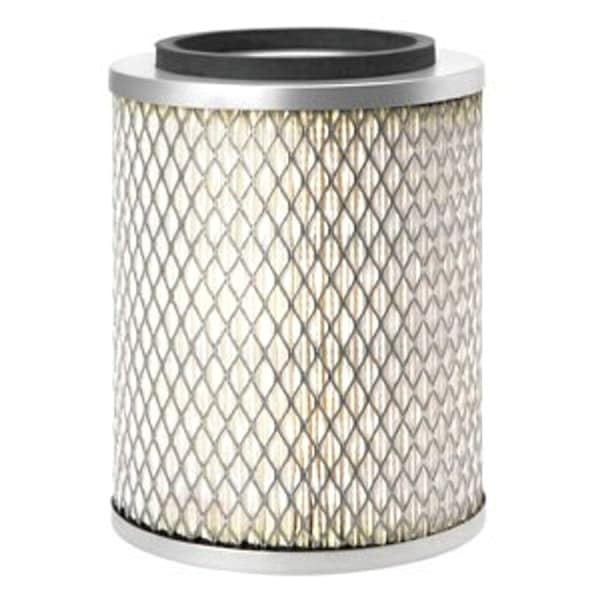
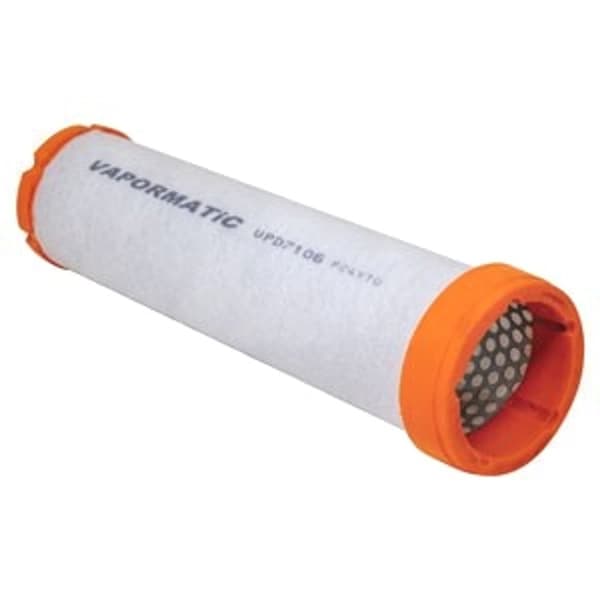
🔍 Looking for a specific part? Try our AI Part Finder — tell it your equipment and what you need, and it will find matching parts instantly.
Assessing Your Needs and Options
Before diving in, honestly assess your needs. What do you use your tractor for? What horsepower do you require? Are you simply trying to get back to original performance, or are you looking for more power for heavier implements?
Consider these factors:
- Horsepower Requirements: Match the new engine's horsepower to your needs. More isn't always better; excessive power can stress other components.
- Budget: Engine swaps can range from relatively inexpensive to quite costly. Factor in the price of the engine itself, plus any necessary conversion parts, labor (if you're not doing it yourself), and potential unexpected expenses.
- Mechanical Skill: Be realistic about your abilities. Engine swaps can be complex. If you're not comfortable with advanced mechanical work, consider hiring a qualified mechanic.
- Availability of Parts: Choose an engine for which parts are readily available. This will save you time and money in the long run. Madison Tractor Company carries a wide range of parts for many common tractor engines, including John Deere, Case IH, Ford, and Massey Ferguson.
Engine Compatibility: What Fits?
The most straightforward engine swap involves replacing the old engine with the same model or a very similar one. This minimizes the need for modifications. However, if you're considering a different engine, compatibility becomes critical.
Direct Replacements
Look for engines that were originally offered in your tractor model. For example, certain John Deere tractors, like the 4020, may have been available with different engine options. Finding a higher-horsepower engine that was a factory option is often the easiest swap. Check your tractor's original parts manual for a list of available engines. You can often find these manuals online or at your local John Deere dealer.
Engine Families
Engines within the same family often share similar mounting points and dimensions. For instance, a 3-cylinder Ford diesel engine from a 3000 series tractor might be compatible with a 4000 series tractor, although modifications may still be necessary. We stock a wide range of Ford tractor engine rebuild kits.
adapters and Modifications
If you're considering an engine that's not a direct replacement, you'll likely need adapters to connect the engine to the transmission, hydraulic pump, and other components. Companies specialize in manufacturing these adapters. Keep in mind that modifications can be time-consuming and require specialized tools and knowledge.
Checking Engine Dimensions
Before committing to an engine, carefully measure the available space in your tractor's engine bay. Compare these measurements to the dimensions of the proposed engine. Pay attention to the length, width, and height, as well as the location of mounting points and accessory drives. A larger engine might require significant modifications to the tractor's frame or hood.
Conversion Considerations: Key Components & Modifications
Swapping engines involves more than just bolting in a new powerplant. Here are some key components to consider during the conversion process:
- Transmission Compatibility: The engine must be compatible with your tractor's transmission. Ensure the engine's flywheel housing matches the transmission's input shaft and bolt pattern. Adapters may be needed.
- Cooling System: The new engine may require a different radiator or modifications to the existing cooling system. Ensure the radiator has sufficient capacity to cool the engine, especially under heavy load. Madison Tractor Company offers a variety of radiators for many tractor models. You may also need a new water pump assembly. For cold weather starting, consider an engine block heater.
- Electrical System: The engine's electrical system must be compatible with your tractor's wiring harness. You may need to modify the wiring or replace the starter, alternator, or other electrical components. For example, older tractors might have a 6V system, while newer engines use 12V.
- Fuel System: Ensure the fuel system is compatible with the engine. Diesel engines require a different fuel system than gasoline engines. You may need to replace the fuel pump, fuel lines, and fuel filter. Depending on your engine, you may need a new carburetor or injectors.
- Hydraulic System: If your tractor uses an engine-driven hydraulic pump, ensure the new engine can accommodate it. The pump's mounting points and drive mechanism must be compatible. We also stock hydraulic pumps for many tractor models.
- Exhaust System: You'll need to fabricate or modify the exhaust system to fit the new engine. Ensure the exhaust system is properly sealed to prevent leaks.
- Mounting Brackets: Custom mounting brackets may be needed to secure the engine to the tractor's frame. These brackets should be strong enough to support the engine's weight and withstand vibrations. Consider also upgrading your engine mount isolators for smoother operation.
Practical Tips for a Successful Tractor Engine Swap
- Do Your Research: Gather as much information as possible about the engine you're considering and the potential modifications required. Online forums, tractor clubs, and experienced mechanics can be valuable resources.
- Take Photos and Notes: Before disassembling the old engine, take plenty of photos and notes. This will help you remember how everything goes back together.
- Label Everything: Label all wires, hoses, and other components as you disconnect them. This will prevent confusion during reassembly.
- Clean Everything: Clean all parts thoroughly before reassembling them. This will improve performance and prevent premature wear.
- Use the Right Tools: Use the correct tools for the job. This will prevent damage to the engine and tractor. Always consult your service manual for the correct torque specifications. For example, a John Deere head gasket requires a specific torque sequence and value for proper sealing.
- Double-Check Your Work: Before starting the engine, double-check all connections and adjustments. Make sure all fluids are at the correct levels.
- Start with Low Expectations: Expect some troubleshooting. It's rare for an engine swap to go perfectly smoothly. Be patient and persistent.
Safety First
Engine swaps can be dangerous if not performed properly. Here are some safety precautions to keep in mind:
- Disconnect the Battery: Always disconnect the battery before working on the electrical system.
- Use Jack Stands: Never work under a tractor supported only by a jack. Use jack stands to support the tractor's weight.
- Wear Safety Glasses: Wear safety glasses to protect your eyes from flying debris.
- Use Gloves: Wear gloves to protect your hands from grease, oil, and sharp edges.
- Work in a Well-Ventilated Area: Work in a well-ventilated area to avoid breathing harmful fumes.
- Consult a Professional: If you're not comfortable performing an engine swap yourself, consult a qualified mechanic.
Specific Brands & Models to Consider
While general guidelines apply, here are some brand-specific considerations:
- John Deere: Known for their reliable engines, John Deere engine swaps are often straightforward if you stick within the same engine family. Popular models for swaps include the 4020, 3020, and 4230. Consider a John Deere engine rebuild kit if you're working with an older engine.
- Ford/New Holland: Ford engines are relatively easy to work on and parts are readily available. Common swap candidates include the 8N, 9N, and 3000 series. A Ford tractor engine rebuild kit can be a great starting point.
- Case IH/International Harvester: IH engines are known for their durability. Swapping engines within the same family, such as the D282 or D301, is often a good option. We carry a wide range of Case IH engine rebuild kits.
- Massey Ferguson: Massey Ferguson tractors often utilize Perkins engines. Replacing a worn-out Perkins with a similar model is a common upgrade. Don't forget to check our selection of Perkins engine rebuild kits.
- Kubota: Kubota engines are compact and efficient. Swapping to a newer Kubota engine can provide a significant power boost.
These are just a few examples. With careful planning and research, you can find the right engine for your Allis Chalmers, Deutz, International Harvester, Oliver, White, Gleaner, Vermeer, Hesston, Mahindra, or Zetor tractor.
Beyond the Engine: Other Essential Parts
While focused on the engine, remember other vital parts. Check the condition of your tractor head gasket, tractor piston rings, and bearings. Ensure proper sealing with the right seals and gaskets. Inspect your clutch kit and PTO parts, as well as fuel and air filters, like this air filter. Don't overlook belts and chains, especially in hay equipment like concaves and sickle sections.
A well-executed tractor engine swap can provide years of reliable service. By carefully assessing your needs, researching your options, and following these tips, you can breathe new life into your trusted machine.
Disclaimer: This article provides general guidance only. Consult with a qualified mechanic before attempting an engine swap.
Ready to start your tractor engine swap? Madison Tractor Company is your one-stop shop for all your tractor parts needs. Browse our extensive selection of engines, engine rebuild kits, and related components to keep your farm running smoothly.
🔍 Can't Find Your Part?
Use our AI-Powered Part Finder to search by your equipment's make, model, and what you need. It's the fastest way to find the exact part for your machine.
Try the Part Finder →Part of our comprehensive guide
Tractor Engine Rebuild Guide: Kits, Parts & When to Overhaul