








Tractor Freeze Plug Replacement: Cast Iron Block Repair
Replacing freeze plugs in your tractor's engine block is crucial for preventing coolant leaks and costly engine damage. This guide provides a step-by-step approach to replacing freeze plugs, ensuring your tractor stays in top condition.
Introduction to Tractor Freeze Plugs
Tractor freeze plugs, also known as expansion plugs or core plugs, are small, metal caps that are pressed into the engine block and cylinder head. Their primary function isn't actually to prevent freezing, although that's a common misconception. While they can pop out if the coolant freezes and expands, their main purpose during the manufacturing process is to seal the sand casting cores used to create the internal coolant passages. Over time, these plugs can corrode and leak, leading to coolant loss and potential engine overheating. Replacing them is a common maintenance task, especially on older tractors.
Recommended Parts for This Guide
10 parts we recommend — in stock, ships fast, one-click add to cart.
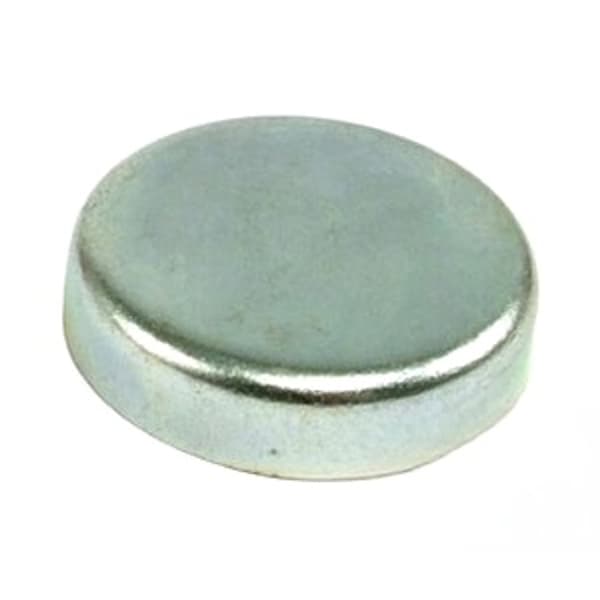
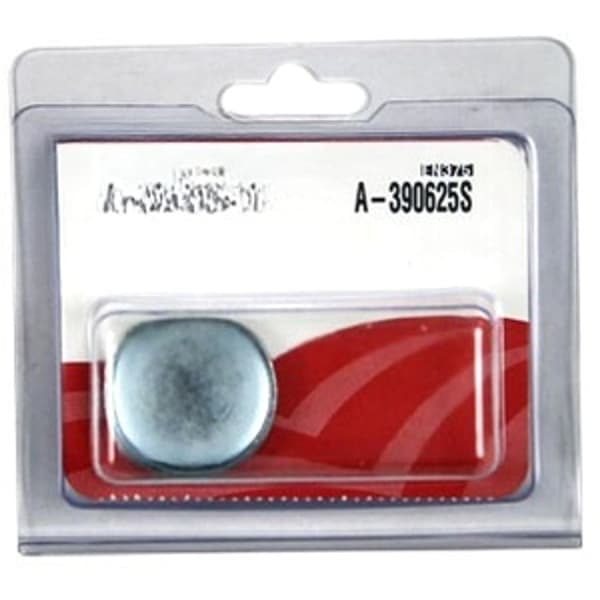
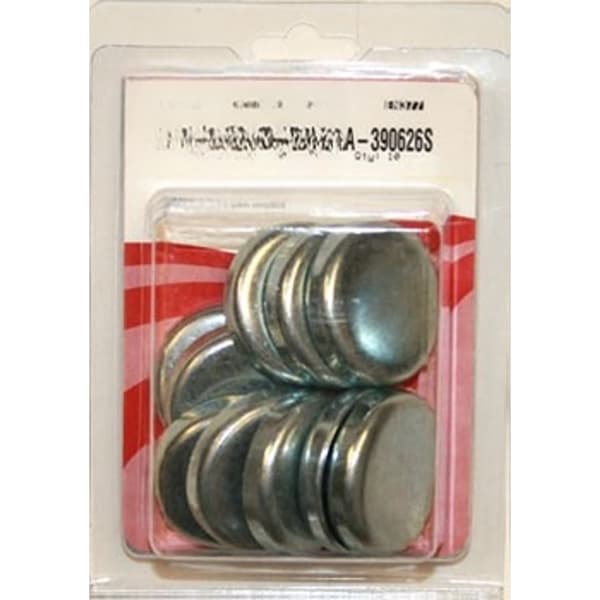
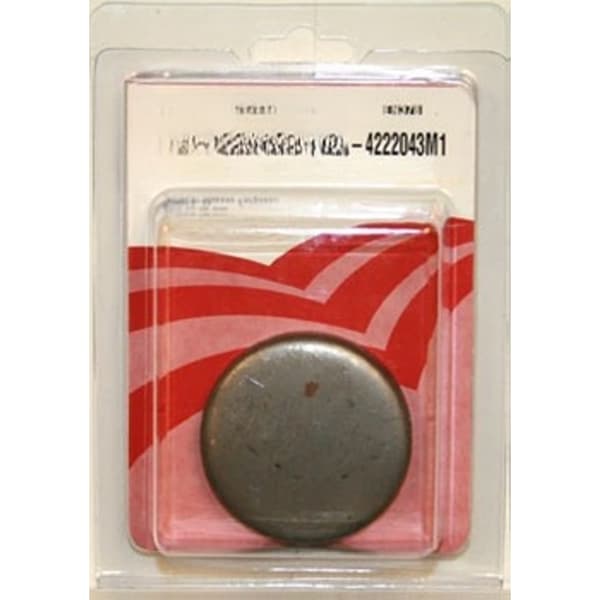
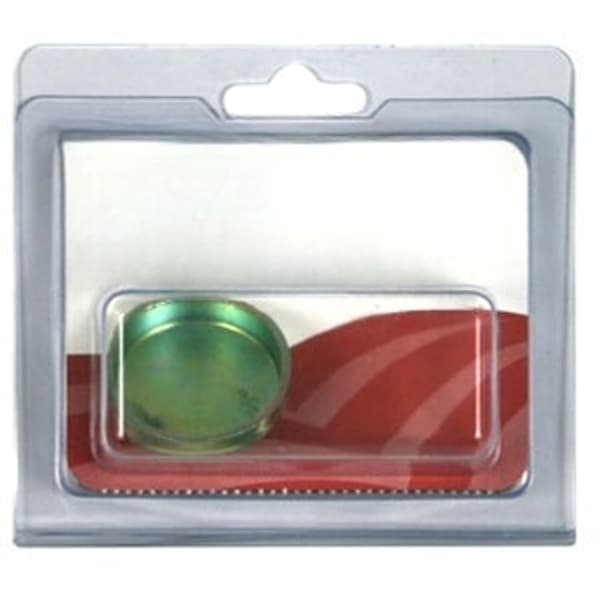
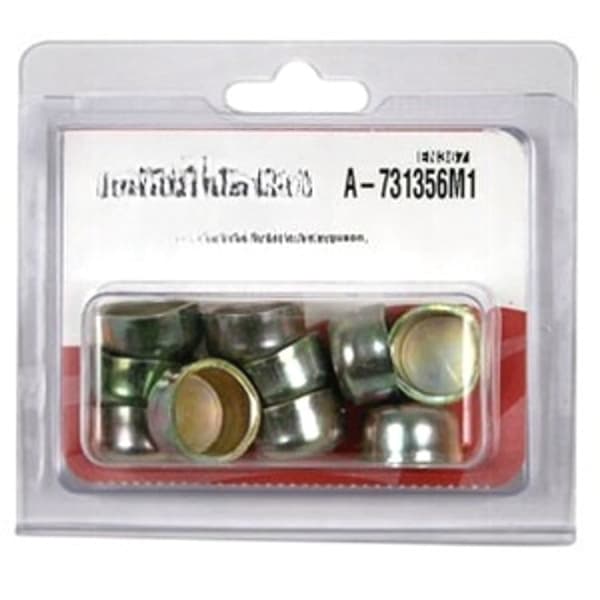
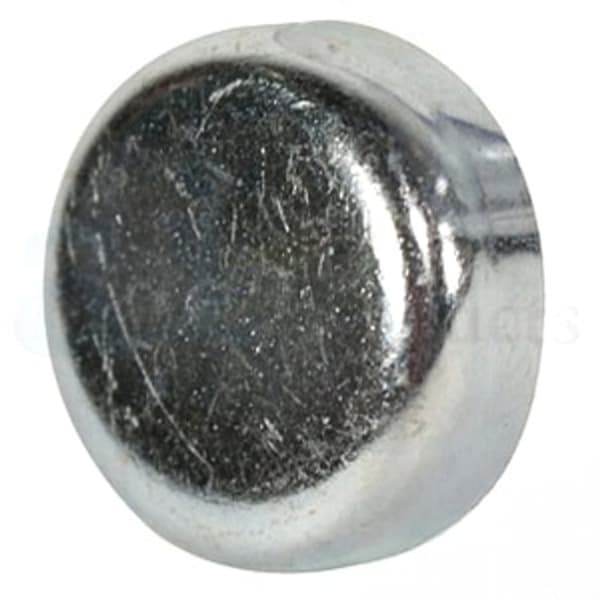
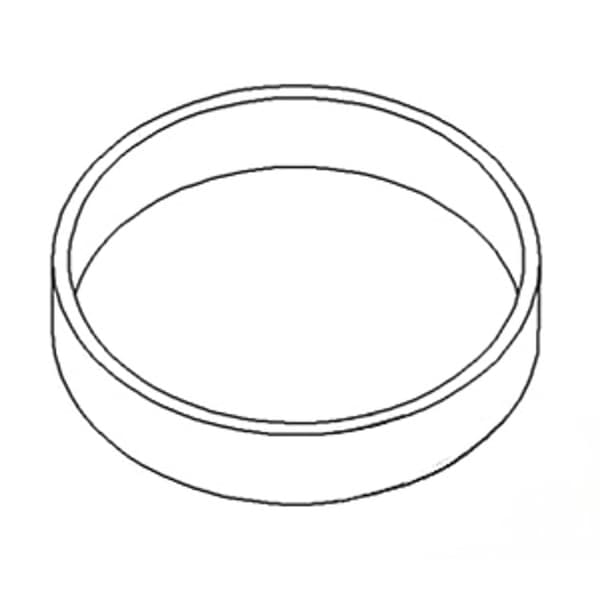
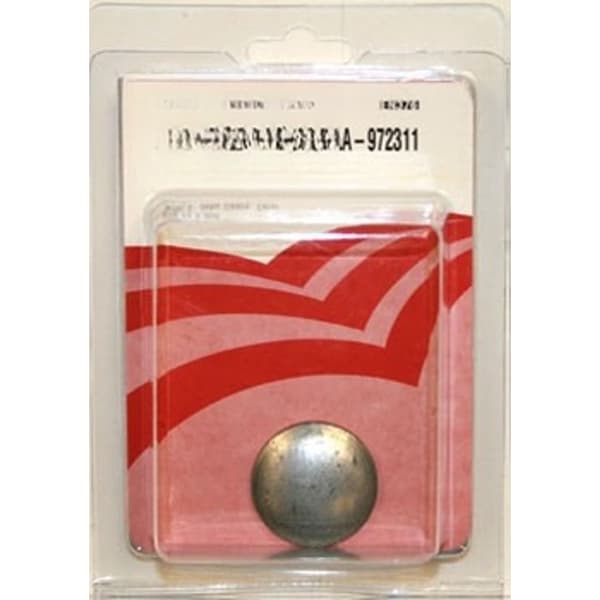
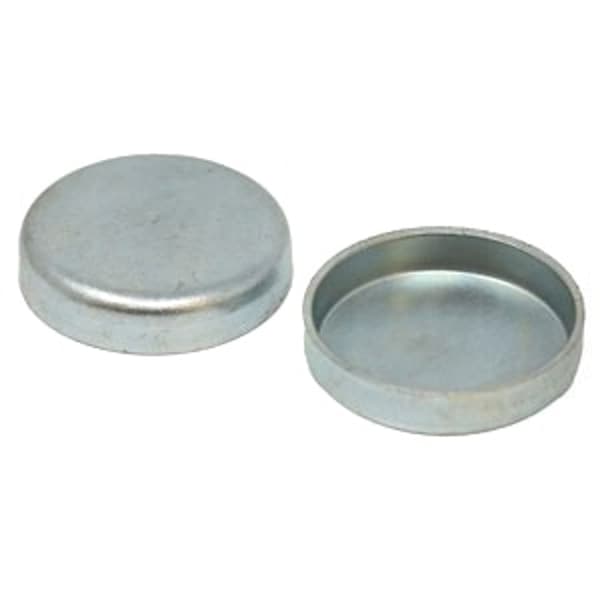
🔍 Looking for a specific part? Try our AI Part Finder — tell it your equipment and what you need, and it will find matching parts instantly.
This guide focuses on freeze plug replacement in cast iron blocks, which are common in many tractors. While the general principles apply to other materials, specific techniques and considerations may vary.
Identifying a Leaking Freeze Plug
The most obvious sign of a leaking freeze plug is coolant dripping from the engine block. You might also notice
- Low coolant levels requiring frequent top-ups.
- Rust stains or corrosion around the freeze plug area.
- Steam or coolant smell, particularly after the engine has been running.
Carefully inspect all freeze plugs, even if you only suspect one is leaking. It's often wise to replace all accessible plugs at the same time to prevent future issues. Common locations include the sides of the engine block, the back of the engine block (difficult to access without removing the transmission) sometimes in the cylinder head.
Tools and Materials Needed
Before you begin, gather the necessary tools and materials
- New Freeze Plugs Purchase the correct size and type for your tractor model. Bring the old plug if available to the parts store. Brass freeze plugs are generally considered more corrosion-resistant than steel. Madison Tractor Company carries freeze plugs for a wide range of tractor brands, including John Deere, Case IH, Ford, New Holland, Massey Ferguson, Kubota many others.
- Hammer A ball-peen hammer is ideal.
- Punch or Drift Select a punch or drift that's slightly smaller than the diameter of the freeze plug.
- Socket or Freeze Plug Installation Tool A socket slightly smaller than the plug's diameter can be used to drive the new plug in straight. Specialized freeze plug installation tools are available for easier and more precise installation.
- Gasket Scraper or Wire Brush For cleaning the plug bore.
- Sealant A non-hardening sealant designed for freeze plugs, such as Permatex High Tack Gasket Sealant.
- Coolant To refill the cooling system after the repair.
- Drain Pan To catch coolant.
- Safety Glasses and Gloves Essential for protection.
- Penetrating Oil Helpful for loosening corroded plugs.
Step-by-Step Freeze Plug Replacement
- Preparation Let the engine cool completely. Disconnect the negative battery cable for safety. Drain the coolant from the engine block. There is usually a drain valve on the radiator (see our article on John Deere tractor radiators for typical locations) and sometimes drain plugs on the engine block itself. Locate the leaking freeze plug(s) and any others you plan to replace.
- Remove the Old Freeze Plug Use the punch or drift and hammer to strike one side of the freeze plug. The goal is to rotate the plug within its bore so you can grip it and pull it out. You can use pliers, vise grips, or a slide hammer with a hook attachment to remove the rotated plug. If the plug is badly corroded, it may crumble, requiring you to carefully pick out the remaining pieces.
- Clean the Bore Thoroughly clean the freeze plug bore using a gasket scraper or wire brush. Remove all traces of rust, corrosion old sealant. The bore must be clean and smooth for the new plug to seal properly.
- Apply Sealant Apply a thin, even coat of sealant to the outer edge of the new freeze plug. Be careful not to get sealant on the face of the plug that will contact the coolant.
- Install the New Freeze Plug Position the new freeze plug in the bore. Using the socket or freeze plug installation tool and hammer, gently tap the plug into place. Drive the plug in evenly until it's flush with the engine block surface or slightly recessed, depending on the manufacturer's specifications. Avoid over-driving the plug, as this can damage it or the engine block.
- Allow Sealant to Cure Allow the sealant to cure completely according to the manufacturer's instructions (usually 24 hours).
- Refill the Cooling System Once the sealant is cured, refill the cooling system with the correct type and amount of coolant. Check your tractor's operator manual for the correct coolant specification and capacity. For instance, older Ford tractors may require a different coolant type than a newer Kubota tractor.
- Check for Leaks Start the engine and allow it to reach operating temperature. Carefully inspect the new freeze plugs for leaks. If you detect any leaks, shut off the engine, let it cool repeat the installation process with a new freeze plug.
Important Considerations and Tips
- Accessibility Some freeze plugs are difficult to access due to their location. You may need to remove other components, such as the exhaust manifold, starter, or alternator, to gain access. If you need to remove the starter or water pump, be sure to consult the service manual for torque specifications.
- Frozen or Severely Corroded Plugs If a freeze plug is frozen or severely corroded, penetrating oil can help loosen it. Apply the oil liberally and let it soak for several hours or even overnight before attempting removal.
- Block Heaters If your tractor is equipped with a block heater that replaces a freeze plug, ensure you install the heater correctly, following the manufacturer's instructions.
- Engine Block Material While this guide focuses on cast iron blocks, some tractors may have aluminum blocks or heads. Aluminum is more easily damaged, so use extra caution when removing and installing freeze plugs in aluminum components.
- Coolant Type Always use the correct type of coolant for your tractor. Mixing different types of coolant can lead to corrosion and other problems.
- Tightening Torques When reinstalling components that were removed to access the freeze plugs (e.g., exhaust manifold, starter), always use the correct torque specifications. Refer to your tractor's service manual.
- Rust Prevention After replacing the freeze plugs, consider adding a coolant additive that helps prevent rust and corrosion.
Common Freeze Plug Sizes and Part Numbers
Freeze plug sizes vary depending on the tractor model and engine. Here are a few common sizes and example OEM part numbers for reference (always verify the correct part number for your specific tractor)
- John Deere 1-1/2" (40mm) - Often used in older John Deere models. Check part number. Refer to our article on John Deere tractor water pumps, as water pump replacement may require removal and replacement of nearby freeze plugs.
- Ford 1-3/4" (44mm) - Common in Ford 8N, 9N Jubilee tractors. Look at part number 8N6026.
- Case IH 1-5/8" (41mm) - Found in various Case IH models. Check part numbers 3148011R1, 3148010R1. See also our article on Case IH water pump replacement, as the process can be similar.
- Massey Ferguson 1-1/2" (38mm) - Used in some Massey Ferguson tractors. Reference part number 831833M1.
Note These are just examples. Always consult your tractor's parts manual or a reputable parts supplier like Madison Tractor Company to ensure you get the correct freeze plugs.
Troubleshooting Common Issues
- Plug Keeps Popping Out This usually indicates excessive pressure in the cooling system. Check for a faulty radiator cap, a clogged radiator (see Massey Ferguson radiator problems for examples of radiator issues), or a blown head gasket.
- Leak After Installation Ensure the bore was properly cleaned and that the correct sealant was used. Also, verify that the plug wasn't damaged during installation.
- Difficulty Removing Old Plug Use penetrating oil and a slide hammer if necessary. If the plug is severely corroded, carefully pick out the pieces to avoid damaging the engine block.
Conclusion
Replacing tractor freeze plugs is a straightforward repair that can prevent costly engine damage. By following these steps and taking the necessary precautions, you can keep your tractor's cooling system leak-free and running smoothly for years to come. Remember that properly maintaining your cooling system is important freeze plugs are a key part of it!
Madison Tractor Company is your trusted source for high-quality tractor parts and accessories. We carry a wide selection of freeze plugs, radiators, water pumps other cooling system components for all major tractor brands, including John Deere, Case IH, Ford, New Holland, Massey Ferguson, Kubota, Allis Chalmers, Deutz, International Harvester, Oliver, White, Gleaner, Vermeer, Hesston, Mahindra Zetor. Shop our extensive inventory today and keep your tractor running at its best! We also stock a wide array of other parts like hydraulic pumps, clutch kits, PTO parts, fuel pumps, carburetors, injectors, filters, gaskets, pistons, bearings, seals, belts more! You can also use our AI-Powered Part Finder to search for parts by your specific make and model.
Part of our comprehensive guide
Tractor Radiator Replacement Guide: All Major Brands & Models