








Massey Ferguson 165 Radiator: Gas & Diesel Replacements
This guide covers Massey Ferguson 165 radiator replacements for both gas and diesel models. Learn about common radiator problems, replacement steps, and how to find the right parts for your tractor.
Massey Ferguson 165 Radiator Replacement: A Comprehensive Guide
The Massey Ferguson 165 is a workhorse, and a properly functioning cooling system is critical to keeping it running reliably. A failing radiator can lead to overheating, potentially causing significant engine damage. This guide provides comprehensive information on replacing your massey ferguson 165 radiator, covering both gas and diesel models. We'll discuss common problems, step-by-step replacement procedures, and how to select the correct radiator for your tractor. Madison Tractor carries a wide selection of radiators for Massey Ferguson, John Deere, Case IH, Ford, New Holland, Kubota, and many other brands. We understand the importance of quality parts and competitive prices to keep your equipment in top condition.
Recommended Parts for This Guide
10 parts we recommend — in stock, ships fast, one-click add to cart.
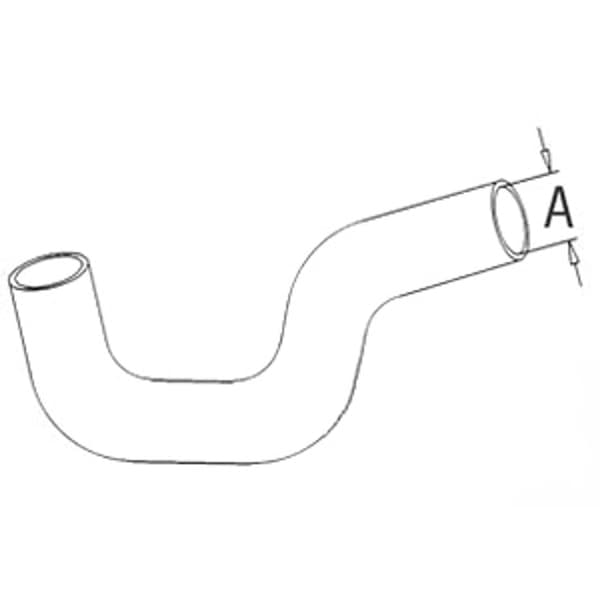
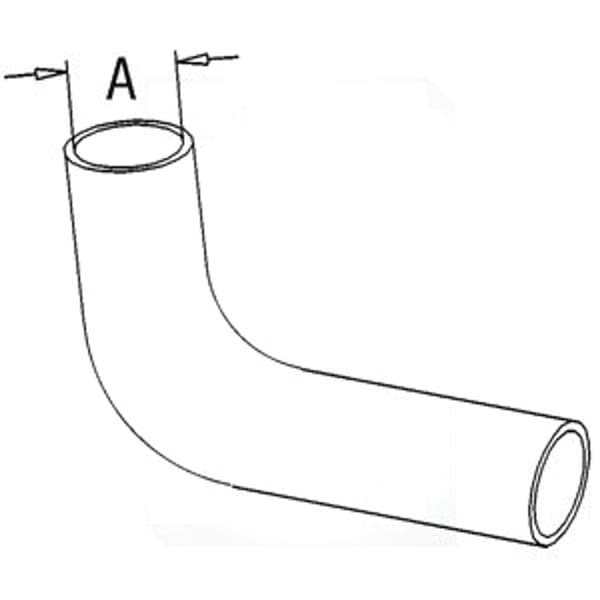
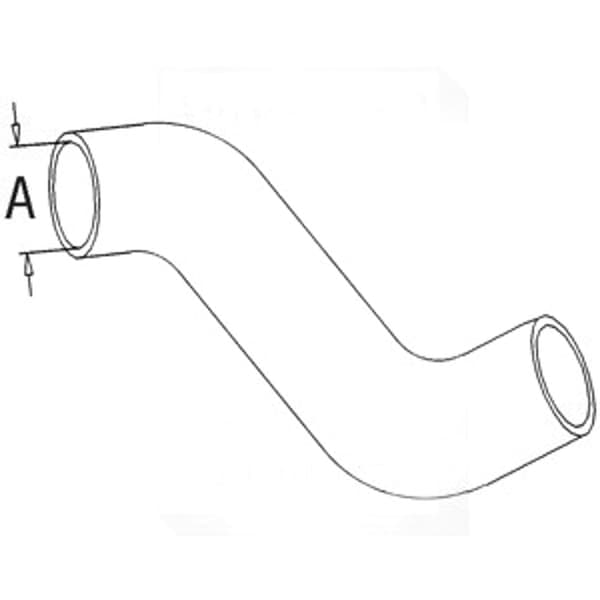
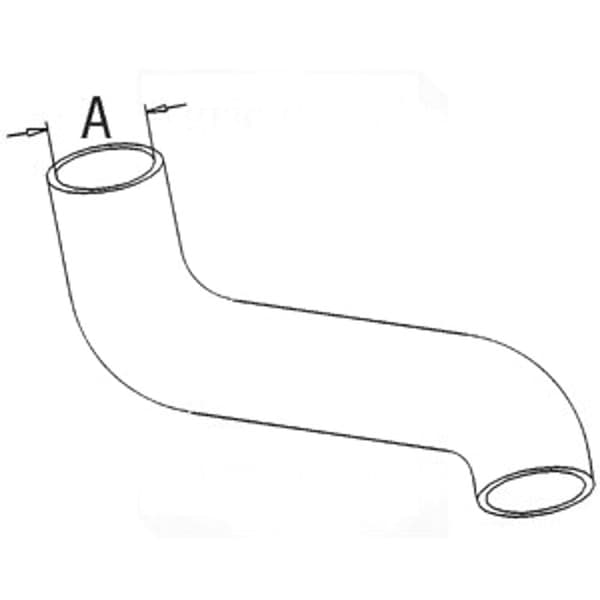
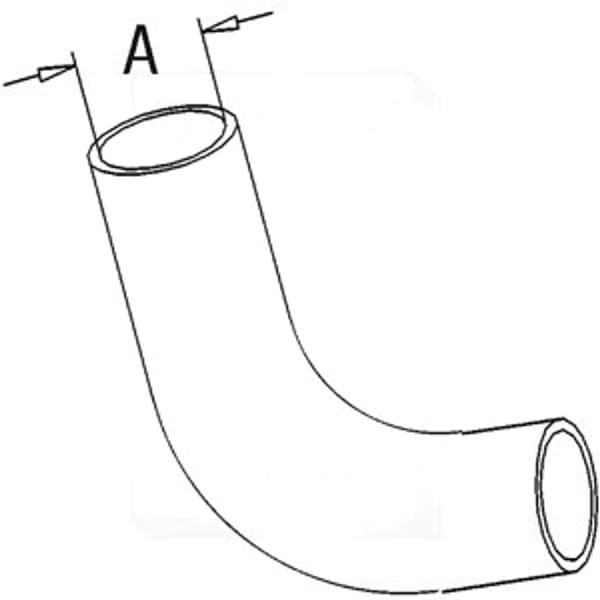
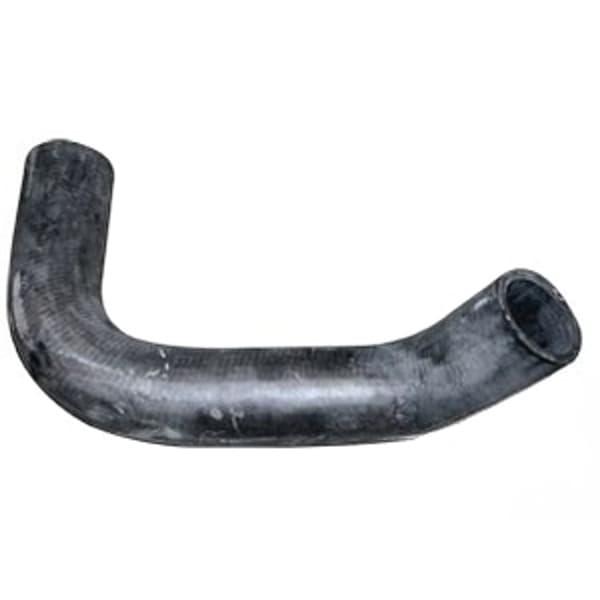
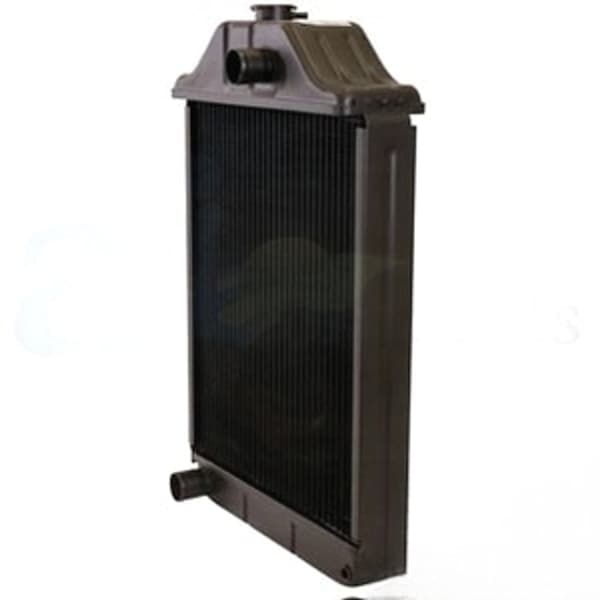
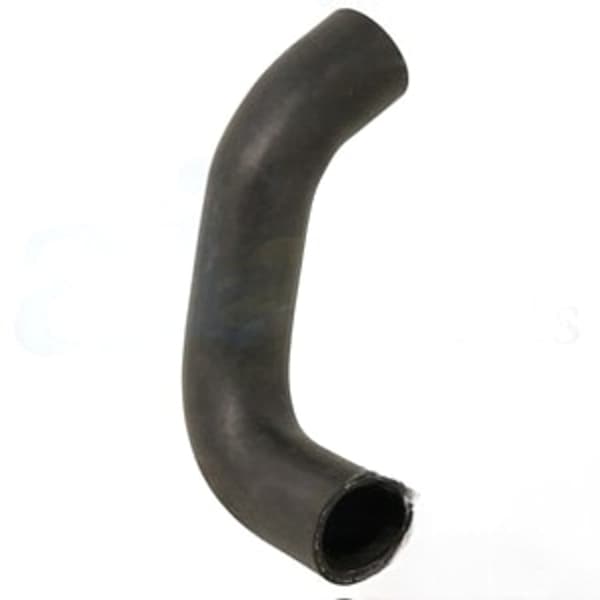
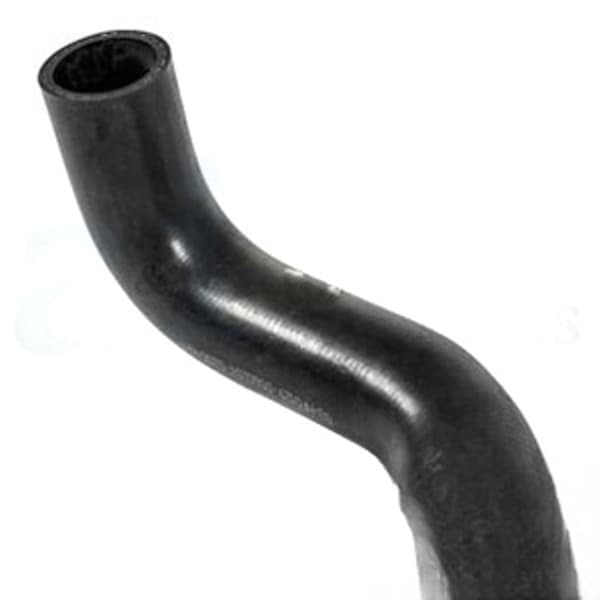
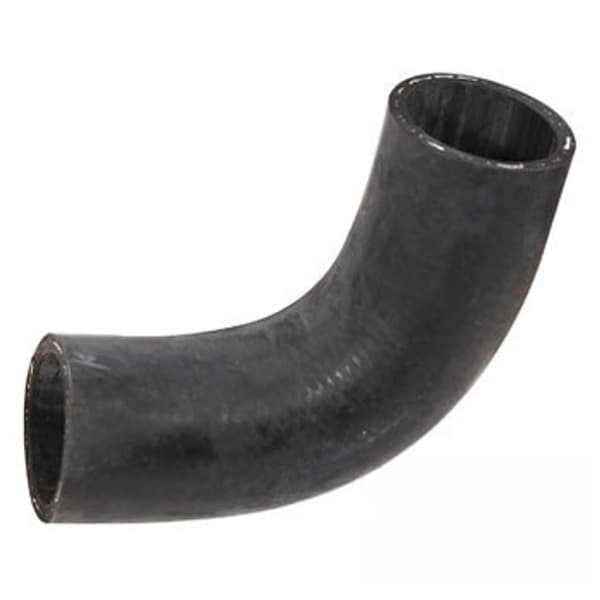
🔍 Looking for a specific part? Try our AI Part Finder — tell it your equipment and what you need, and it will find matching parts instantly.
Understanding Your Massey Ferguson 165 Radiator
The Massey Ferguson 165 was offered with both gasoline and diesel engines. While the basic radiator design is similar, there may be slight differences in size, mounting points, or hose connections depending on the specific engine and year of manufacture. It's crucial to identify your engine type before ordering a replacement radiator. Check your tractor's serial number and engine model number for accurate identification. Radiators help regulate engine temperature, preventing overheating and ensuring optimal performance. A clogged or damaged radiator reduces cooling capacity, leading to potential engine damage.
Common Radiator Problems
- Leaks: Leaks can occur due to corrosion, damage from debris, or worn-out seals. Look for coolant leaks around the radiator core, tanks, and hose connections.
- Clogging: Debris, scale, and rust can accumulate inside the radiator, restricting coolant flow and reducing cooling efficiency.
- Damaged Fins: Bent or damaged fins reduce the radiator's surface area, hindering its ability to dissipate heat.
- Corrosion: Over time, the radiator's metal can corrode, leading to leaks and reduced structural integrity.
Signs of a Failing Radiator
- Overheating: This is the most obvious sign. Pay attention to your tractor's temperature gauge.
- Coolant Leaks: Puddles of coolant under your tractor are a clear indication of a leak.
- Low Coolant Level: Regularly check your coolant level. Frequent topping off may indicate a leak.
- Rust or Corrosion: Visible rust or corrosion on the radiator's exterior.
- Decreased Performance: Your tractor may experience reduced power or increased fuel consumption.
Massey Ferguson 165 Radiator Replacement: Step-by-Step
Safety First: Before starting any work on your tractor, ensure it is parked on a level surface, the engine is cool, and the parking brake is engaged. Disconnect the negative battery cable to prevent electrical shorts.
- Drain the Coolant: Locate the radiator drain cock (usually at the bottom of the radiator) and open it to drain the coolant into a suitable container. Dispose of used coolant properly. Coolant is toxic and harmful to the environment.
- Disconnect Hoses: Loosen the hose clamps and carefully disconnect the upper and lower radiator hoses, such as a specific inlet hose if present. Be prepared for some residual coolant to spill.
- Disconnect Transmission Cooler Lines (if applicable): Some Massey Ferguson 165 models may have transmission cooler lines connected to the radiator. Disconnect these lines carefully, plugging them to prevent fluid loss.
- Remove Mounting Bolts: Locate and remove the bolts securing the radiator to the tractor's frame.
- Remove the Radiator: Carefully lift the radiator out of the tractor. It may be heavy, so get assistance if needed.
- Inspect the Mounting Area: Clean the mounting area and inspect for any damage or corrosion.
- Install the New Radiator: Carefully position the new radiator in the mounting area and secure it with the mounting bolts. Refer to your service manual for the correct torque specifications.
- Reconnect Hoses: Reconnect the upper and lower radiator hoses, ensuring they are securely clamped.
- Reconnect Transmission Cooler Lines (if applicable): Reconnect the transmission cooler lines.
- Refill the Coolant: Fill the radiator with the correct type and amount of coolant. Refer to your tractor's service manual for coolant specifications and capacity. Typically, a 50/50 mix of antifreeze and distilled water is recommended.
- Bleed the Cooling System: Bleed the cooling system to remove any air pockets. This is typically done by opening a bleeder valve on the engine or thermostat housing while the engine is running.
- Check for Leaks: Start the engine and check for any leaks around the radiator, hoses, and connections.
Selecting the Right Radiator
Choosing the correct massey ferguson 165 radiator is essential for proper cooling. Here are some factors to consider:
- Engine Type: Ensure the radiator is compatible with your tractor's engine (gas or diesel).
- OEM Part Number: If possible, use the original equipment manufacturer (OEM) part number to ensure a perfect fit. A common OEM part number for Massey Ferguson 165 radiators is 3637889M91. However, it's always best to verify this with your tractor's parts manual or a reliable parts dealer.
- Dimensions: Check the radiator's dimensions (height, width, and depth) to ensure it will fit properly in the mounting area.
- Core Material: Radiators are typically made of copper/brass or aluminum. Aluminum radiators are often more efficient at dissipating heat.
- Construction: Look for a radiator with sturdy construction and high-quality materials.
Madison Tractor offers a wide selection of radiators from reputable manufacturers. We carry radiators for various tractor models, including John Deere tractor radiators, Case IH tractor radiators, Ford tractor radiators, Kubota tractor radiators, and more. We also stock other cooling system parts, such as John Deere tractor water pumps, Ford tractor water pump replacements, and Case IH tractor water pumps. Additionally, we offer a comprehensive range of tractor parts including starters, alternators, hydraulic pumps, cylinders, clutch kits, PTO parts, fuel pumps, carburetors, injectors, filters, gaskets, pistons, bearings, seals, belts, chains, concaves, and sickle sections.
Coolant Considerations
Using the correct type of coolant is crucial for protecting your engine and radiator. Here are some important considerations:
- Type: Use a coolant specifically designed for agricultural equipment or heavy-duty applications.
- Mix Ratio: Follow the manufacturer's recommendations for the coolant-to-water mix ratio. A 50/50 mix is typically recommended for most climates.
- Quality: Use high-quality coolant to prevent corrosion and scale buildup.
- Compatibility: Ensure the coolant is compatible with the materials used in your radiator and engine.
Preventative Maintenance
Regular maintenance can help prevent radiator problems and extend its lifespan:
- Regularly check coolant level: Make sure it's at the proper level and top off as needed.
- Inspect hoses and clamps: Look for cracks, leaks, or damage. Replace worn hoses and clamps.
- Clean the radiator fins: Remove any debris, dirt, or insects from the radiator fins. Use a soft brush or compressed air.
- Flush the cooling system: Flush the cooling system periodically to remove scale and deposits. Follow the manufacturer's recommendations for flushing intervals.
- Use the correct coolant: Always use the recommended type and mix ratio.
Troubleshooting Tips
- Overheating: Check the coolant level, radiator cap, thermostat, and water pump. A faulty thermostat or water pump can cause overheating.
- Coolant Leaks: Inspect all hoses, connections, and the radiator core for leaks. Tighten clamps or replace damaged parts.
- Low Coolant Level: If you're constantly adding coolant, there's likely a leak in the system. Pressure test the cooling system to locate the leak.
Remember to consult your Massey Ferguson 165 service manual for specific instructions and torque specifications related to your tractor model. For those looking for radiators on other Massey Ferguson models, check out our Massey Ferguson Tractor Radiator: Complete Model Guide.
Find Your Massey Ferguson 165 Radiator at Madison Tractor
Replacing your massey ferguson 165 radiator is a crucial step in maintaining your tractor's performance and preventing costly engine damage. By following the steps outlined in this guide and choosing the right radiator, you can ensure your tractor stays cool and reliable for years to come. At Madison Tractor, we offer a wide selection of radiators and other tractor parts at competitive prices. Shop our selection of Massey Ferguson parts today and keep your tractor running strong!
🔍 Can't Find Your Part?
Use our AI-Powered Part Finder to search by your equipment's make, model, and what you need. It's the fastest way to find the exact part for your machine.
Try the Part Finder →Part of our comprehensive guide
Tractor Radiator Replacement Guide: All Major Brands & Models