








Tractor Thermostat Replacement: Temperature Specs by Brand
A properly functioning thermostat is crucial for optimal tractor performance. This guide covers tractor thermostat replacement, including temperature specifications by brand and step-by-step instructions to help you keep your engine running cool.
Why Thermostats Matter in Your Tractor
A tractor's cooling system is vital for its performance and longevity. The thermostat plays a critical role in maintaining the engine's operating temperature. Too cold, and you'll experience increased wear and reduced efficiency. Too hot, and you risk serious engine damage, including warped heads, cracked blocks, and seized pistons. Replacing your tractor thermostat is a relatively simple and inexpensive task that can save you from costly repairs down the road.
Recommended Parts for This Guide
7 parts we recommend — in stock, ships fast, one-click add to cart.
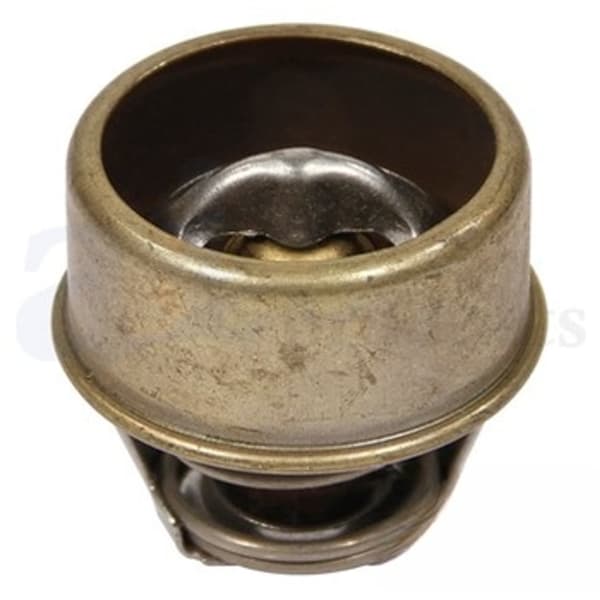
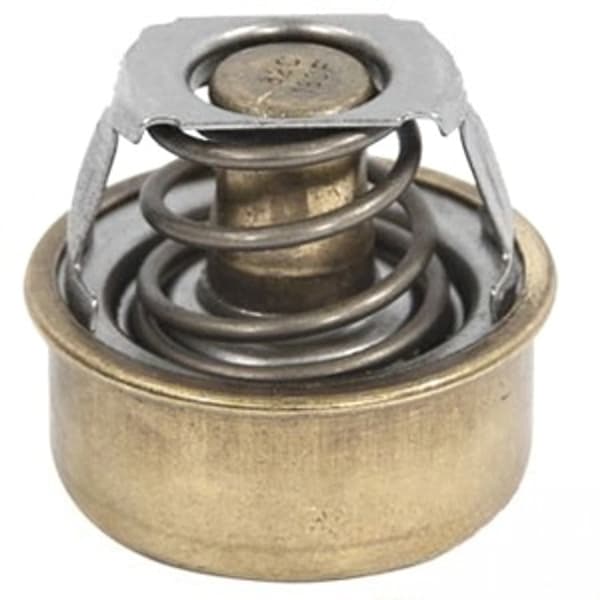
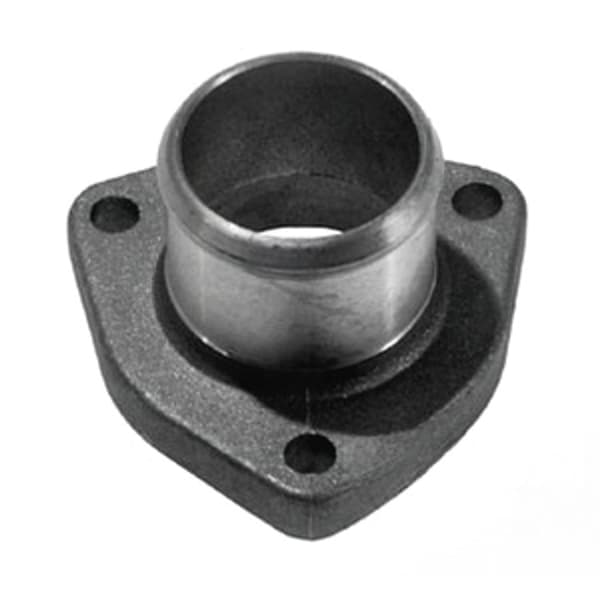
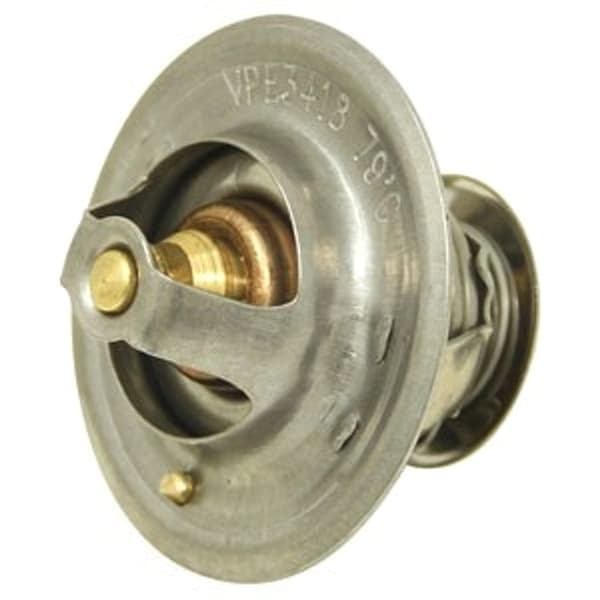
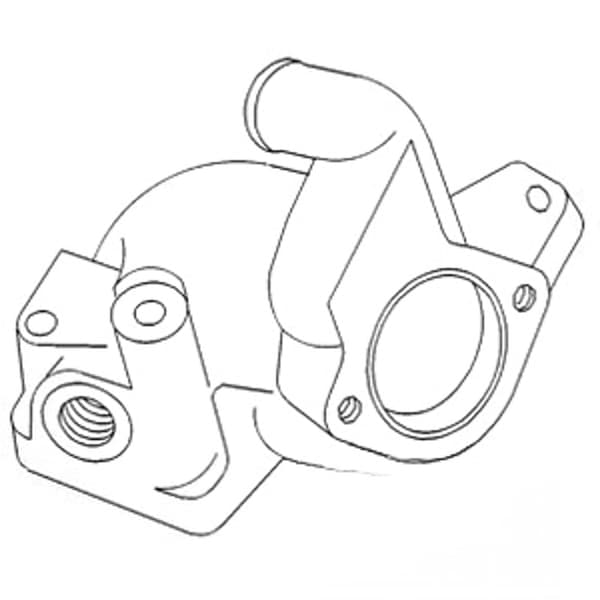
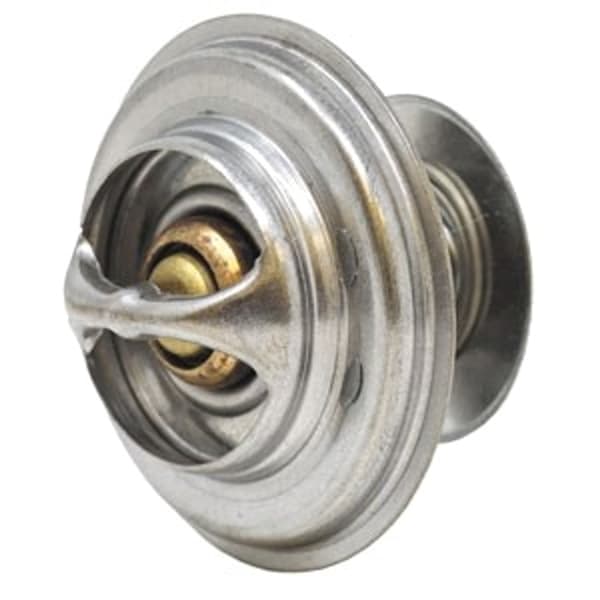
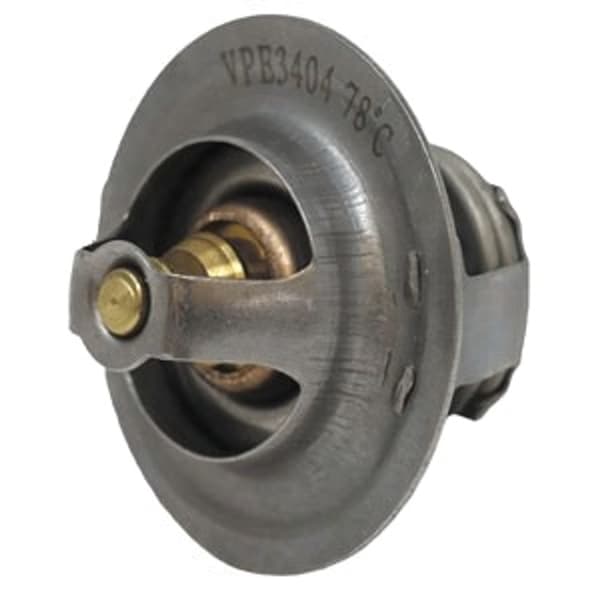
🔍 Looking for a specific part? Try our AI Part Finder — tell it your equipment and what you need, and it will find matching parts instantly.
Here at Madison Tractor Company, we understand the importance of keeping your equipment running smoothly. We stock a wide range of radiator and cooling system parts, including thermostats, for all major brands like John Deere, Case IH, Ford, New Holland, Massey Ferguson, Kubota, Allis Chalmers, Deutz, International Harvester, Oliver, White, Gleaner, Vermeer, Hesston, Mahindra, and Zetor. We also offer a comprehensive selection of other parts to keep your tractor in top shape, including starters and alternators, fuel pumps and carburetors, and filters.
Understanding tractor thermostat Function
The thermostat is a temperature-sensitive valve located within the engine's cooling system, typically near the water pump. Its primary function is to regulate the flow of coolant to the radiator. When the engine is cold, the thermostat remains closed, preventing coolant from circulating through the radiator. This allows the engine to reach its optimal operating temperature quickly. Once the engine reaches the thermostat's rated temperature, the thermostat begins to open, allowing coolant to flow through the radiator, dissipating heat and preventing overheating.
Common Symptoms of a Failing Thermostat
Recognizing the signs of a failing thermostat is crucial for preventing engine damage. Here are some common symptoms:
- Overheating: This is the most obvious symptom. If your tractor's temperature gauge consistently reads high, or you notice steam coming from the radiator, your thermostat may be stuck closed. Be sure to check that the John Deere tractor radiator or other brand radiator is not blocked.
- Overcooling: If the thermostat is stuck open, the engine may not reach its optimal operating temperature, especially in cold weather. This can lead to reduced fuel efficiency, increased engine wear, and poor performance.
- Fluctuating Temperatures: Rapid and erratic temperature gauge readings can indicate a thermostat that is opening and closing erratically.
- Leaking Coolant: A leak around the thermostat housing can indicate a damaged thermostat or gasket.
Safety Precautions
Before beginning any work on your tractor's cooling system, it is essential to take the following safety precautions:
- Allow the Engine to Cool: Never work on a hot engine. Wait for the engine to cool completely before draining coolant or removing the thermostat housing.
- Disconnect the Battery: Disconnect the negative battery cable to prevent accidental electrical shorts.
- Wear Safety Glasses and Gloves: Coolant can be harmful if it comes into contact with your skin or eyes.
- Properly Dispose of Coolant: Coolant is toxic and must be disposed of properly. Contact your local recycling center or hazardous waste disposal facility for instructions.
Tractor Thermostat Replacement Procedure: A Step-by-Step Guide
This is a general guide. Always consult your tractor's service manual for specific instructions and torque specifications.
- Drain the Coolant: Locate the radiator drain cock or petcock (usually at the bottom of the radiator). Place a container underneath to catch the coolant, and open the drain cock to drain the coolant. You might also need to remove the radiator cap to allow air to enter.
- Locate the Thermostat Housing: The thermostat housing is typically located where the upper radiator hose connects to the engine, often near the water pump. See our articles on John Deere tractor water pumps and Ford tractor water pump replacement for more information.
- Remove the Thermostat Housing: Loosen and remove the bolts or nuts securing the thermostat housing. Be careful not to damage the housing or the surrounding components.
- Remove the Old Thermostat: Carefully remove the old thermostat. Note its orientation (which way it faces) for proper installation of the new thermostat.
- Clean the Mating Surfaces: Use a scraper or wire brush to clean the mating surfaces of the thermostat housing and the engine block. Ensure the surfaces are clean and free of any old gasket material.
- Install the New Thermostat: Install the new thermostat in the correct orientation. Some thermostats have a jiggle valve that should be positioned at the highest point to allow air to escape.
- Install a new gasket: Always use a new gasket when replacing the thermostat. This will ensure a proper seal and prevent coolant leaks.
- Reinstall the Thermostat Housing: Carefully reinstall the thermostat housing, aligning the bolt holes. Tighten the bolts or nuts to the manufacturer's specified torque. Overtightening can damage the housing.
- Refill the Cooling System: Slowly refill the cooling system with the appropriate type and concentration of coolant. Consult your tractor's service manual for the correct coolant specification.
- Bleed the Cooling System: Air pockets in the cooling system can cause overheating. Bleed the system by opening the bleeder valve (if equipped) or by running the engine with the radiator cap off until all air bubbles have been expelled.
- Check for Leaks: After refilling the cooling system and bleeding the air, check for any coolant leaks around the thermostat housing and radiator hoses.
Tractor Thermostat Temperature Specifications by Brand
The correct thermostat temperature is crucial for optimal engine performance. Here are some general guidelines for thermostat temperatures by brand. Always refer to your tractor's service manual for specific recommendations.
John Deere
John Deere tractors typically use thermostats with a temperature range of 180-195°F (82-91°C). For example, a John Deere 4020 may use a 180°F thermostat. Check your specific model for the correct specification. Consider looking at our article John Deere tractor radiator for more information on cooling system components for your model.
Case IH
Case IH tractors often use thermostats in the 180-195°F (82-91°C) range. Certain models, particularly older ones, might use a lower temperature thermostat. Consult your service manual. See also: Case IH Tractor Radiator Replacement: Models & Sizing.
Ford/New Holland
Ford and New Holland tractors generally use thermostats in the 160-195°F (71-91°C) range. Some older models might require a lower temperature thermostat. For instance, Ford 8N tractors often use a 160°F thermostat. See Ford Tractor Radiator: 2000, 3000, 4000 & 5000 Series.
Massey Ferguson
Massey Ferguson tractors commonly use thermostats in the 180-195°F (82-91°C) range. Older models might have different requirements. Refer to your service manual for the correct specification. See also: Massey Ferguson Tractor Radiator: Complete Model Guide.
Kubota
Kubota tractors typically use thermostats in the 170-190°F (77-88°C) range. Always verify the correct temperature for your specific Kubota model. Check out our article Kubota Tractor Radiator: L, M & MX Series Parts.
Other Brands
For other brands like Allis Chalmers, Deutz, International Harvester, Oliver, White, Gleaner, Vermeer, Hesston, Mahindra, and Zetor, consult your tractor's service manual for the recommended thermostat temperature. General-purpose thermostats are available at Madison Tractor, but always verify the correct temperature rating before installation.
Important Note: Using the wrong thermostat temperature can negatively impact engine performance and longevity. Always refer to your tractor's service manual for the correct specification.
Torque Specifications and Coolant Type
Following the correct torque specifications for the thermostat housing bolts is crucial to prevent leaks. These specifications are usually found in your tractor's service manual. Coolant type is also critical. Using the wrong type can lead to corrosion and damage to the cooling system. Always use the coolant recommended by the manufacturer. Common types include ethylene glycol and propylene glycol-based coolants.
Conclusion
Replacing your tractor's thermostat is a relatively simple task that can prevent costly engine damage. By following the steps outlined in this guide and using the correct thermostat temperature, you can ensure that your tractor's engine runs at its optimal temperature and performs reliably for years to come. Remember to consult your tractor's service manual for specific instructions and torque specifications.
Madison Tractor Company is your trusted source for all your tractor parts needs. We offer a wide selection of radiators, thermostats, water pumps, and other cooling system components for all major brands. Shop our online catalog today and keep your tractor running smoothly! You can also use our AI-Powered Part Finder to search for parts by your specific make and model.
Part of our comprehensive guide
Tractor Radiator Replacement Guide: All Major Brands & Models