








Ford 4000 Tractor Radiator: 3-Cyl & 4-Cyl Models
Maintaining the cooling system on your Ford 4000 tractor is crucial for optimal performance and longevity. This guide covers common radiator issues, replacement procedures, and maintenance tips for both 3-cylinder and 4-cylinder models.
The Ford 4000 tractor, a workhorse on farms across the country, relies on a properly functioning cooling system to prevent overheating and engine damage. A key component of this system is the radiator. This guide will walk you through understanding your 4000's radiator, troubleshooting common issues, and finding the right replacement parts when necessary.
Recommended Parts for This Guide
10 parts we recommend — in stock, ships fast, one-click add to cart.
🔍 Looking for a specific part? Try our AI Part Finder — tell it your equipment and what you need, and it will find matching parts instantly.
Ford 4000 Radiator Basics
The Ford 4000 tractor was produced in both 3-cylinder and 4-cylinder configurations. While both models serve similar purposes, their cooling systems and radiator designs differ slightly. Understanding these differences is crucial when diagnosing problems and sourcing replacement parts.
Key Differences:
- Radiator Size: 4-cylinder models generally have a slightly larger radiator core to handle the increased heat output of the larger engine.
- Hose Connections: While the general layout is similar, the specific angles and diameters of hose connections might vary between the 3-cylinder and 4-cylinder models.
- Mounting Points: Mounting brackets and points can be subtly different between the two engine types. Always double-check compatibility before ordering a replacement.
Regardless of the engine configuration, the radiator's primary function is to dissipate heat from the coolant as it circulates through the engine. A mixture of water and antifreeze (coolant) absorbs heat from the engine block and cylinder head, flows to the radiator, and is cooled by air passing through the radiator core. This cooled coolant then returns to the engine to repeat the cycle. Low coolant levels can lead to overheating and damage. Always be sure to check coolant levels and top off as needed. Replacing the water pump can also drastically improve the cooling efficiency. If you are replacing a water pump, consider flushing the radiator before installing the new pump to remove any sediment buildup.
Common Ford 4000 Radiator Problems
Like any mechanical component, the Ford 4000 radiator can experience a range of problems over time. Here are some common issues:
- Leaks: Radiator leaks are a frequent problem, often occurring at seams, hose connections, or due to corrosion. Identifying the source of the leak is the first step. Small leaks might be temporarily sealed with a radiator sealant, but a replacement is usually the best long-term solution.
- Clogging: Over time, rust, scale, and other debris can accumulate inside the radiator core, restricting coolant flow and reducing cooling efficiency. A clogged radiator can lead to overheating. Flushing the radiator regularly can help prevent clogging.
- Corrosion: The coolant itself can become corrosive over time, especially if the proper antifreeze concentration is not maintained. This corrosion can damage the radiator core and other cooling system components. Using the correct type and concentration of antifreeze is essential.
- Damaged Fins: The thin fins on the radiator core are easily damaged by impacts or debris. Bent or missing fins reduce the radiator's surface area, diminishing its cooling capacity.
- Faulty radiator cap: A worn-out or damaged radiator cap can fail to maintain proper system pressure, leading to coolant loss and overheating. The radiator cap is designed to release pressure at a specific PSI.
Diagnosing Ford 4000 Radiator Issues
Proper diagnosis is crucial for addressing radiator problems effectively. Here's a step-by-step approach:
- Visual Inspection: Carefully inspect the radiator for any signs of leaks, damage, or corrosion. Check the fins for bends or blockages.
- Pressure Test: A pressure test can help identify leaks that are not immediately visible. Using a radiator pressure tester, pressurize the cooling system to the specified pressure (usually around 13-16 PSI) and observe for any pressure drops.
- Coolant Inspection: Examine the coolant for signs of rust, scale, or oil contamination. Discolored or contaminated coolant indicates potential problems within the cooling system.
- Temperature Check: Use a temperature gun to check the temperature of the radiator core in different areas. Significant temperature variations can indicate clogging.
- Check Thermostat: A faulty thermostat can prevent the coolant from circulating properly, leading to overheating. Confirm that the thermostat is opening and closing as it should.
Ford 4000 Radiator Replacement
Replacing a Ford 4000 radiator is a straightforward process, but it requires careful attention to detail. Here's a general guide:
- Safety First: Allow the engine to cool completely before starting any work. Disconnect the battery's negative terminal.
- Drain Coolant: Locate the drain cock on the radiator (usually at the bottom) and drain the coolant into a suitable container. Dispose of used coolant properly.
- Disconnect Hoses: Carefully disconnect the upper and lower radiator hoses. Use pliers to loosen hose clamps.
- Remove Mounting Bolts: Remove the bolts securing the radiator to the tractor's frame.
- Remove Radiator: Carefully lift the radiator out of the tractor.
- Install New Radiator: Position the new radiator in place and secure it with the mounting bolts.
- Reconnect Hoses: Reconnect the upper and lower radiator hoses, ensuring they are properly seated and secured with hose clamps.
- Fill with Coolant: Fill the cooling system with the correct mixture of water and antifreeze. Consult your Ford 4000 operator's manual for the recommended coolant type and capacity.
- Bleed the System: Bleed any air from the cooling system by opening the bleeder valve (if equipped) or by running the engine with the radiator cap off until the air is purged.
- Check for Leaks: Start the engine and check for any leaks around the radiator and hose connections.
Important Considerations:
- When replacing the radiator, consider also replacing the radiator hoses and thermostat. This ensures optimal cooling system performance and prevents future problems.
- Always use the correct type and concentration of antifreeze. Using the wrong coolant can damage the cooling system.
- Torque all bolts to the manufacturer's specifications.
Ford 4000 Radiator Part Numbers and Cross-References
Identifying the correct radiator for your Ford 4000 is crucial. Here are some common OEM part numbers and cross-references:
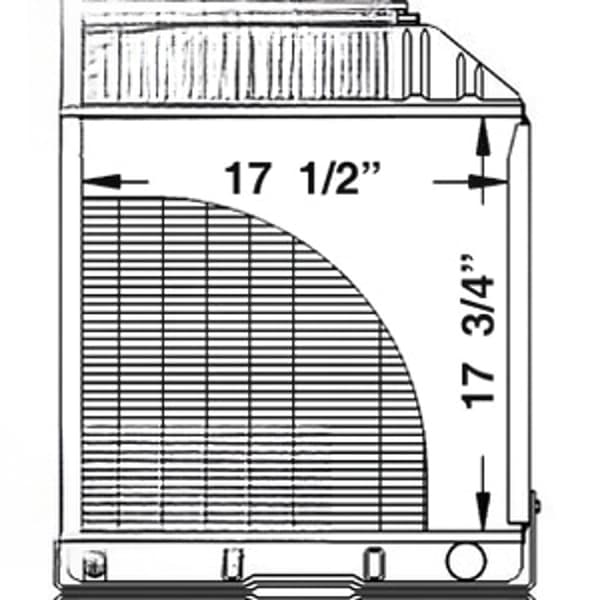
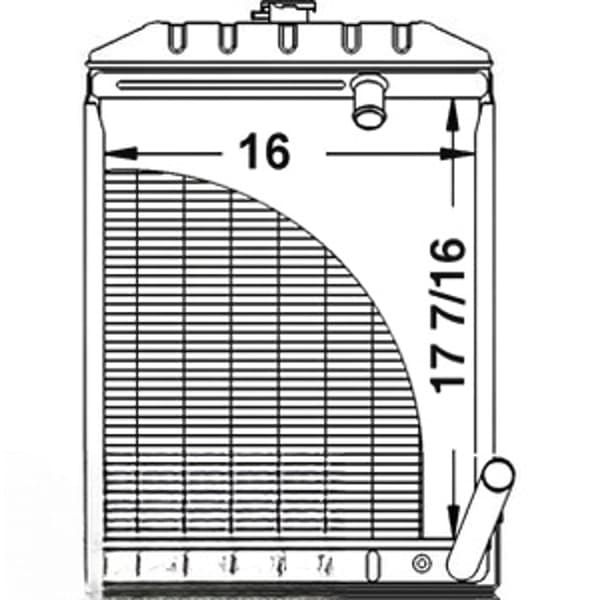
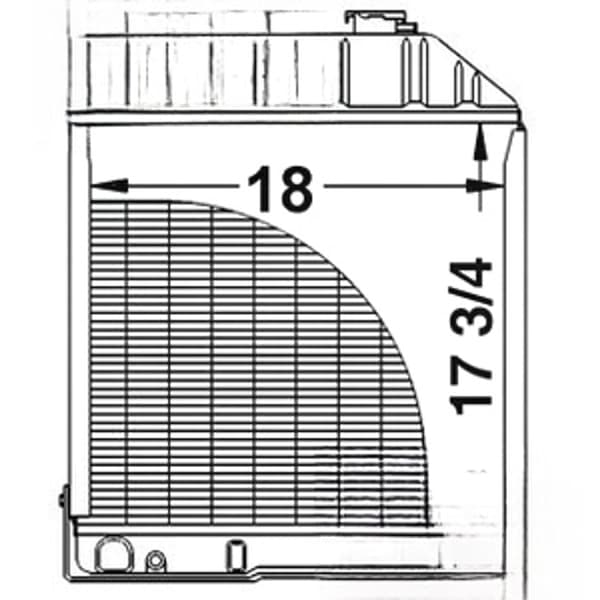
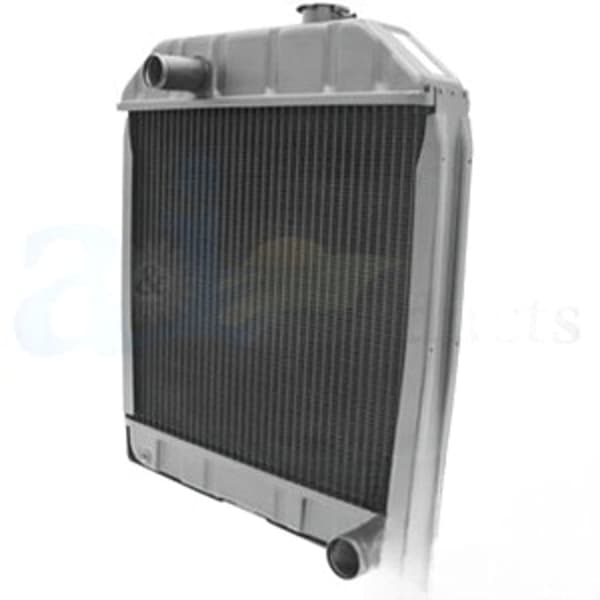
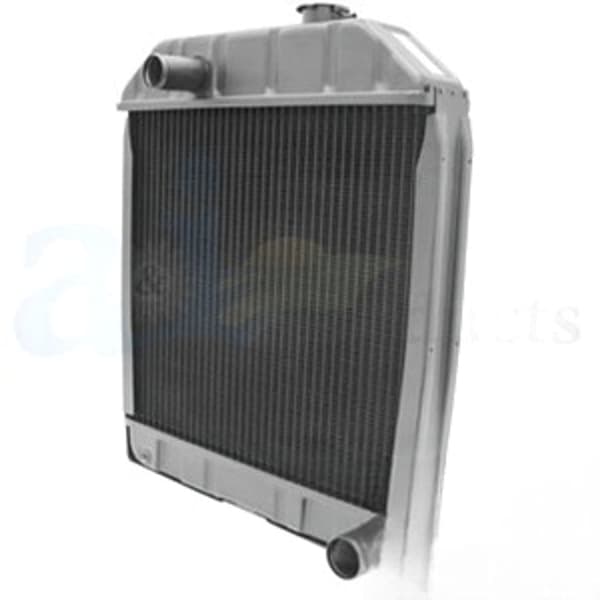
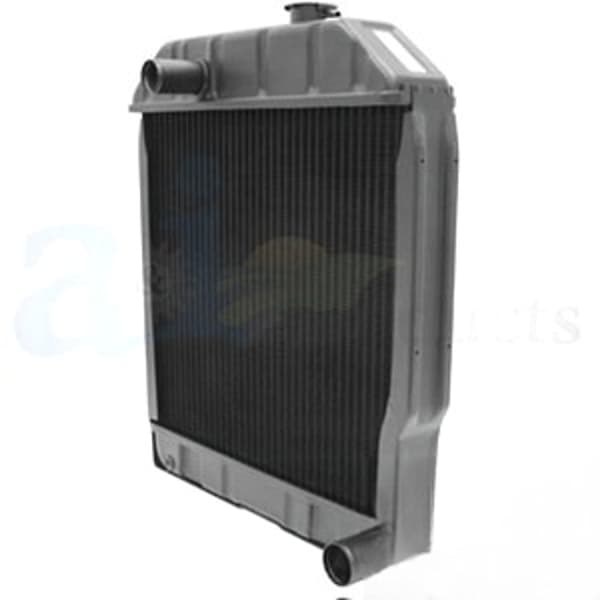
- 3-Cylinder Models: Explore options like the C5NN8005AB Radiator.
- 4-Cylinder Models: Find radiators such as the E4NN8005AA Radiator.
We also offer other high-quality radiators, including the C7NN8005H Radiator, C7NN8005N Radiator, and options like the 86531508 Radiator w/o Oil Cooler or the C7NN8005E Radiator w/o Oil Cooler, which might fit various Ford 4000 configurations.
These part numbers are for reference only. Always verify compatibility with your specific tractor model and year before ordering. Madison Tractor Company carries a wide selection of radiators for Ford tractors, including options for both 3-cylinder and 4-cylinder Ford 4000 models. We also carry radiators for other makes and models including John Deere tractor radiator, Case IH tractor radiator, Massey Ferguson radiator and Kubota tractor radiator.
When searching for a replacement radiator, consider aftermarket options from reputable manufacturers. These radiators often offer comparable performance and durability at a lower price point. Brands like Radiator Express are known for their quality and reliability. When looking for water pumps, be sure to reference our John Deere tractor water pump, Ford tractor water pump and Case IH tractor water pump guides.
Cooling System Maintenance Tips
Regular maintenance can help prevent radiator problems and extend the life of your Ford 4000's cooling system. Here are some essential tips:
- Flush the Cooling System: Flush the cooling system every two years or as recommended in your operator's manual to remove rust, scale, and other debris.
- Check Coolant Level: Regularly check the coolant level in the radiator and expansion tank. Top off as needed with the correct coolant mixture.
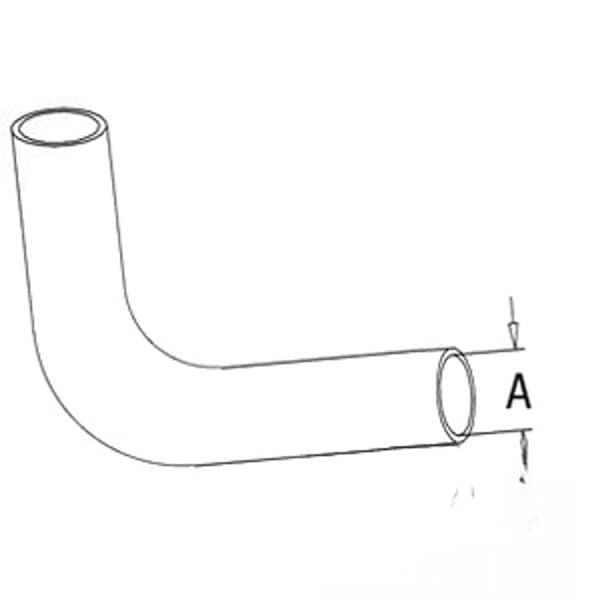
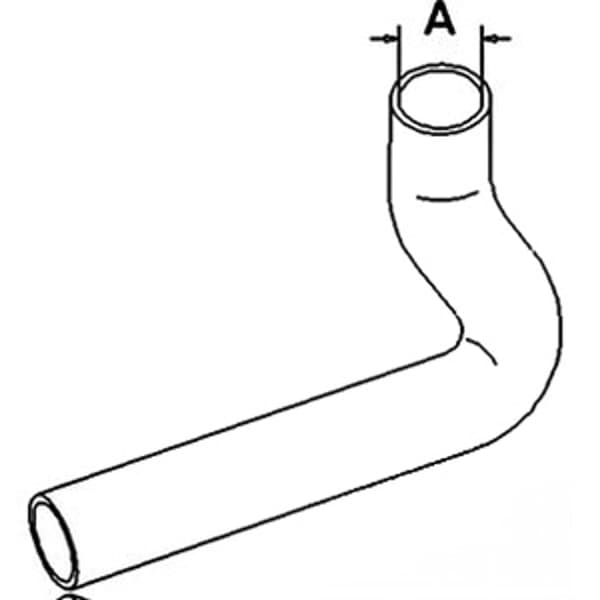
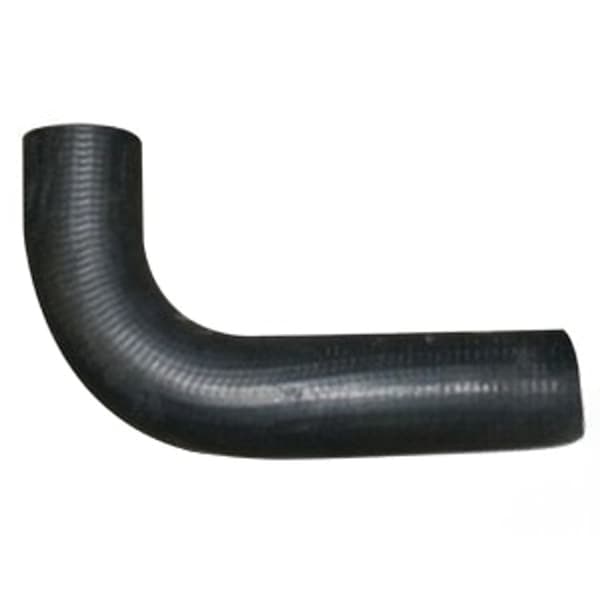
- Inspect Hoses and Clamps: Inspect radiator hoses (such as the NAA8260B or D5NN8260D upper hoses, and the 312588 lower hose) and clamps for cracks, leaks, or deterioration. Replace worn hoses and clamps promptly.
- Maintain Proper Antifreeze Concentration: Use a coolant tester to ensure the proper antifreeze concentration. The ideal concentration is typically around 50/50 (water/antifreeze).
- Clean Radiator Fins: Periodically clean the radiator fins with compressed air or a soft brush to remove dirt and debris.
- Check Radiator Cap: Inspect the radiator cap for damage or wear. Replace the cap if it is not sealing properly.
Madison Tractor Company is your trusted source for Ford 4000 radiator parts and other tractor components. We carry a wide selection of parts for various brands, including Ford, John Deere, Case IH, New Holland, Massey Ferguson, Kubota, Allis Chalmers, Deutz, International Harvester, Oliver, White, Gleaner, Vermeer, Hesston, Mahindra, and Zetor. Whether you need radiators, water pumps, starters, alternators, hydraulic pumps, cylinders, clutch kits, PTO parts, fuel pumps, carburetors, injectors, filters, gaskets, pistons, bearings, seals, belts, chains, concaves, or sickle sections, we have the parts you need to keep your tractor running smoothly.
Shop Ford 4000 Tractor Radiator Parts at Madison Tractor Company
Don't let a faulty radiator sideline your Ford 4000. At Madison Tractor Company, we're committed to providing high-quality parts and exceptional customer service. Browse our extensive online catalog or contact our knowledgeable team for assistance in finding the perfect Ford 4000 radiator and other parts for your tractor. We are here to help you keep your equipment running at peak performance!
🔍 Can't Find Your Part?
Use our AI-Powered Part Finder to search by your equipment's make, model, and what you need. It's the fastest way to find the exact part for your machine.
Try the Part Finder →Part of our comprehensive guide
Tractor Radiator Replacement Guide: All Major Brands & Models