








Riding Mower Fuel Tank Grommet & Bushing
A cracked or hardened fuel tank grommet can lead to fuel leaks and poor engine performance. This guide explains how to diagnose, remove, and replace fuel tank grommets and bushings on your riding mower or tractor.
Introduction to Fuel Tank Grommets & Bushings
The humble fuel tank grommet, often overlooked, plays a crucial role in your riding mower's fuel system. These small rubber or plastic parts create a leak-proof seal where fuel lines and shut-off valves pass through the fuel tank. Over time, they can become brittle, cracked, or deformed due to exposure to fuel, temperature changes, and general wear and tear. When this happens, fuel leaks can occur, posing a fire hazard and impacting engine performance. This guide will walk you through diagnosing, removing, and replacing your mower's fuel tank grommet or bushing, ensuring a safe and reliable fuel supply to your engine.
Recommended Parts for This Guide
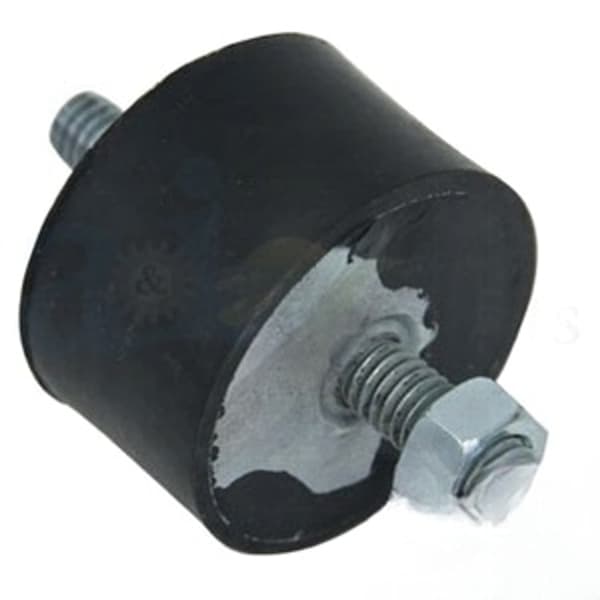
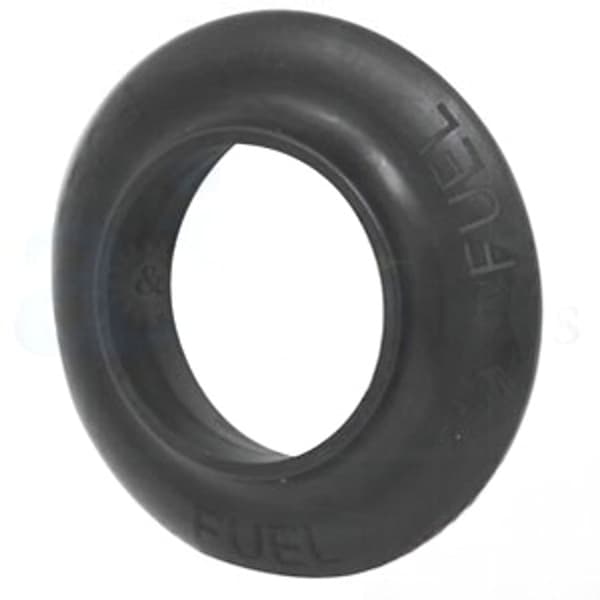
2 parts we recommend — in stock, ships fast, one-click add to cart.
🔍 Looking for a specific part? Try our AI Part Finder — tell it your equipment and what you need, and it will find matching parts instantly.
Why a Good Grommet Matters
A functioning fuel tank grommet is essential for several reasons:
- Prevents Fuel Leaks: The primary function is to create a tight seal, preventing fuel from leaking out of the tank. Even a small leak can be a fire hazard and waste fuel.
- Maintains Fuel Pressure: A leak can disrupt the fuel system's pressure, leading to inconsistent fuel delivery and poor engine performance.
- Protects Fuel Lines: The grommet cushions the fuel line as it passes through the tank, preventing chafing and damage.
- Prevents Contamination: A properly sealed grommet keeps dirt and debris out of the fuel tank, protecting the carburetor and other fuel system components. Contaminants can clog jets and passages, requiring you to consider a carburetor rebuild kit.
Identifying a Bad Fuel Tank Grommet
Here are some common signs that your fuel tank grommet needs replacement:
- Visible Fuel Leaks: The most obvious sign. Look for fuel stains around the grommet or fuel dripping from the tank.
- Cracks or Dry Rot: Carefully inspect the grommet for cracks, splits, or a dry, brittle appearance.
- Hardening or Deformation: The grommet should be pliable. If it's hard or misshapen, it's likely degraded.
- Fuel Odor: A persistent fuel odor near the mower could indicate a leak from the grommet.
- Poor Engine Performance: While less direct, a fuel leak can cause the engine to run rough, stall, or have difficulty starting. This can also point to a faulty small engine fuel pump, but checking the grommet is a good first step.
Tools & Materials Needed
Before starting, gather the following tools and materials:
- New Fuel Tank Grommet: Purchase the correct grommet for your mower's make and model. Check your owner's manual or use our parts lookup tool at Madison Tractor Company. We carry grommets for John Deere, Craftsman, Cub Cadet, Husqvarna, Toro, Ariens, Murray, Hustler, Scag, Exmark, Ferris, Snapper, Simplicity, and Dixie Chopper.
- New Fuel Shut-Off Valve (Optional): If the fuel shut-off valve is also old or damaged, consider replacing it at the same time.
- Fuel Line Clamps (If necessary): Depending on the fuel line setup, you may need new clamps.
- Small Screwdriver or Pick: For removing the old grommet.
- Pliers: For removing and installing fuel lines and clamps.
- Clean Rags: For cleaning up any spilled fuel.
- Safety Glasses & Gloves: Essential for protecting your eyes and skin from fuel.
- Fuel-Resistant Sealant (Optional): For added sealing, especially on older tanks.
- Drain Pan: To catch any spilled fuel during the process.
Step-by-Step Replacement Guide
Follow these steps to safely and effectively replace your mower's fuel tank grommet:
- Safety First: Disconnect the spark plug wire from the spark plug to prevent accidental starting. Work in a well-ventilated area away from any open flames or heat sources.
- Drain the Fuel Tank: The safest option is to drain the fuel tank completely. You can use a siphon or carefully disconnect the fuel line at the carburetor and let the fuel drain into a suitable container. Dispose of the fuel properly.
- Disconnect the Fuel Line(s): Use pliers to carefully loosen and remove the fuel line(s) connected to the fuel shut-off valve or directly to the tank. If the fuel lines are brittle or cracked, consider replacing them.
- Remove the Fuel Shut-Off Valve (If Applicable): If your mower has a fuel shut-off valve, carefully unscrew or unbolt it from the fuel tank.
- Remove the Old Grommet: Using a small screwdriver or pick, carefully pry the old Grommet out of the fuel tank. Be careful not to damage the fuel tank opening. If the grommet is hardened, you may need to cut it into pieces for easier removal.
- Clean the Tank Opening: Thoroughly clean the fuel tank opening to remove any debris or residue. This will ensure a good seal with the new grommet.
- Install the New Grommet: Lightly lubricate the new Grommet with fuel or a fuel-resistant lubricant. This will make it easier to insert into the fuel tank opening. Press the grommet firmly into place, ensuring it is fully seated.
- Install the Fuel Shut-Off Valve (If Applicable): If you removed a fuel shut-off valve, reinstall it into the new grommet. Tighten securely, but don't overtighten. If you're using a fuel-resistant sealant, apply a thin layer to the threads before installing.
- Reconnect the Fuel Line(s): Reconnect the fuel line(s) to the fuel shut-off valve or directly to the tank. Ensure the fuel lines are securely attached and the clamps are tightened properly.
- Refill the Fuel Tank: Carefully refill the fuel tank with fresh fuel.
- Check for Leaks: Inspect the grommet and fuel line connections for any leaks. If you see any leaks, tighten the connections or re-seat the grommet.
- Reconnect the Spark Plug Wire: Reconnect the spark plug wire to the spark plug.
- Test the Engine: Start the engine and let it run for a few minutes. Check for any leaks and ensure the engine is running smoothly.
Safety Warning: Gasoline is highly flammable. Take precautions to avoid spills and keep away from sparks or open flames. Wear appropriate safety gear and work in a well-ventilated area. Improper handling of fuel can result in fire or explosion.
Troubleshooting Tips
- Grommet Won't Seat Properly: Make sure you have the correct grommet size for your mower. Lubricating the grommet with fuel or fuel-resistant lubricant can also help.
- Fuel Leak Persists: Double-check the fuel line connections and the grommet seating. A small amount of fuel-resistant sealant can help create a tighter seal. If the leak continues, inspect the fuel tank itself for cracks or damage.
- Fuel Line is Difficult to Reconnect: If the fuel line has hardened, you may need to heat it slightly with a heat gun or hair dryer to make it more pliable. Be careful not to overheat the fuel line.
- Engine Still Runs Poorly: If the engine still runs poorly after replacing the grommet, you may have other fuel system problems. Consider checking the fuel pump, fuel filter, or carburetor.
Preventative Maintenance
To prolong the life of your fuel tank grommet and prevent future problems, consider the following:
- Use Fuel Stabilizer: Add fuel stabilizer to your gasoline, especially during periods of storage. This will help prevent the fuel from degrading and damaging the grommet and other fuel system components.
- Inspect Regularly: Periodically inspect the fuel tank grommet for signs of wear or damage. Replace it at the first sign of trouble.
- Replace Old Fuel Lines: If your fuel lines are old and brittle, replace them with new fuel lines. This will prevent fuel leaks and ensure a reliable fuel supply.
- Keep Fuel Tank Clean: Regularly clean the fuel tank to remove any debris or contaminants.
Other Related Parts & Systems
While addressing the fuel tank grommet, it's a good opportunity to inspect other related parts. Check the fuel lines for cracks or wear. Consider replacing the fuel filter to ensure clean fuel reaches the carburetor. Ensure your head gasket is in good condition as well.
Don't forget to inspect your mower's other components, such as belts, blades, spindles, pulleys, and filters, for optimal performance.
Shop Madison Tractor for Your Mower Parts
At Madison Tractor Company, we're your one-stop shop for all your outdoor power equipment parts needs. We carry a wide selection of fuel tank grommets, fuel lines, carburetors, and other engine and fuel system components for all major brands, including John Deere, Craftsman, Cub Cadet, Husqvarna, Toro, and more. Browse our extensive online catalog and find the exact parts you need to keep your mower running smoothly. Our knowledgeable staff is always available to assist you with any questions you may have. Shop with confidence at Madison Tractor Company! You can also use our AI-Powered Part Finder to search for parts by your specific make and model.
Part of our comprehensive guide
Small Engine Parts Guide: Carburetors, Fuel Pumps & Gaskets by Engine