








Riding Mower Gas Tank: Fuel Tank Replacement by Brand
Replacing a cracked or leaking riding mower gas tank is essential for safe and reliable operation. This guide provides brand-specific instructions and expert tips to help you get the job done right.
Understanding Your Riding Mower Gas Tank
Your riding mower's gas tank is a critical component of the engine and fuel system. It stores the fuel necessary to power your mower's engine, allowing you to keep your lawn looking its best. Over time, however, gas tanks can become damaged. Cracks, leaks, and general wear and tear are common issues that can necessitate a replacement. Ignoring these problems can lead to fuel leaks, engine performance issues, and potential safety hazards.
Recommended Parts for This Guide
3 parts we recommend — in stock, ships fast, one-click add to cart.
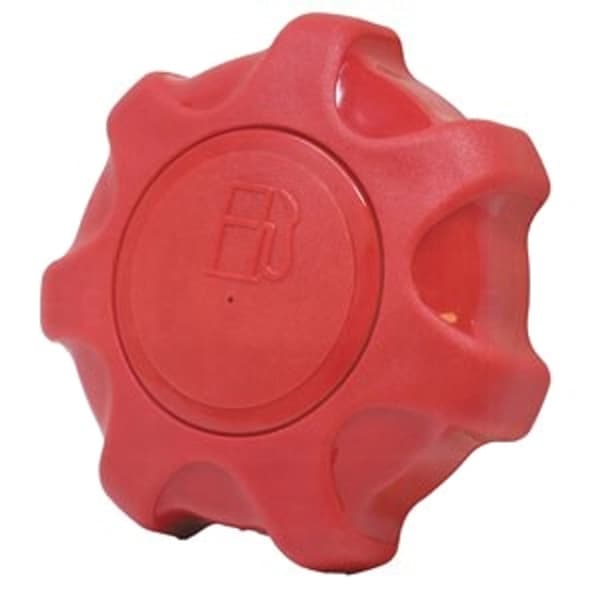
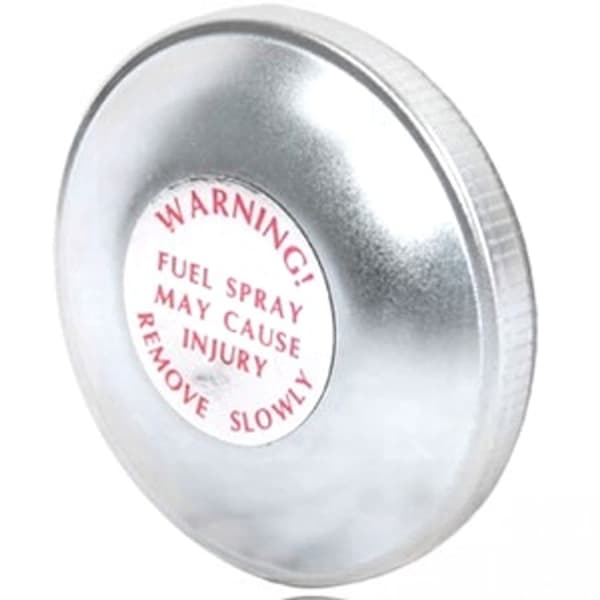

🔍 Looking for a specific part? Try our AI Part Finder — tell it your equipment and what you need, and it will find matching parts instantly.
When a fuel tank fails, it's often due to exposure to the elements, physical damage, or the breakdown of the plastic material over time. Sometimes, the fuel itself can contribute to the problem, especially if the mower sits unused for extended periods. Old fuel can degrade and leave deposits that clog the fuel system and damage the tank. Replacing the gas tank is often the most effective solution.
Fortunately, replacing a riding mower gas tank is a manageable task for most homeowners with basic mechanical skills. This guide will walk you through the process, offering brand-specific tips and advice to help you get the job done right. And of course, Madison Tractor Company is here to provide you with the correct riding mower gas tank for your machine.
Safety First: Preparation and Precautions
Before you begin any repair work on your riding mower, safety should be your top priority. Fuel is highly flammable, so take these precautions:
- Work in a well-ventilated area: This will help dissipate any fuel vapors.
- Disconnect the spark plug: This prevents accidental starting of the engine. Locate the spark plug (usually near the engine) and disconnect the wire.
- Drain the fuel tank: Use a siphon pump to remove as much fuel as possible from the tank before you start working on it. Dispose of the fuel properly according to local regulations.
- Wear safety glasses and gloves: This will protect your eyes and skin from fuel and debris.
- Keep a fire extinguisher nearby: In case of a spill or fire, a fire extinguisher can prevent a serious incident.
Tools You'll Need
Having the right tools on hand will make the replacement process much smoother. Here's a list of essential tools:
- Socket set with various sizes
- Wrench set
- Screwdrivers (Phillips and flathead)
- Pliers
- Siphon pump
- Drain pan
- Shop towels or rags
- New fuel lines (if needed)
- New fuel filter (recommended)
- New fuel cap (if needed)
General Steps for Replacing a Riding Mower Gas Tank
While specific steps may vary depending on the brand and model of your riding mower, here's a general overview of the replacement process:
- Prepare the Mower: Follow the safety precautions outlined above, including disconnecting the spark plug and draining the fuel tank.
- Remove the Old Gas Tank: Identify the fasteners (bolts, screws, or clips) that secure the gas tank to the mower's frame. Remove these fasteners and carefully detach any fuel lines or hoses connected to the tank. Note the routing of the fuel lines for reassembly. You may need to replace the fuel lines if they are brittle or cracked.
- Inspect and Clean: Once the old tank is removed, inspect the surrounding area for any debris or corrosion. Clean the area thoroughly before installing the new tank. Check the condition of the fuel filter and replace if necessary.
- Install the New Gas Tank: Position the new gas tank in the correct location and secure it with the appropriate fasteners. Connect the fuel lines and hoses, ensuring they are properly routed and securely attached.
- Reconnect and Test: Reconnect the spark plug wire and refill the gas tank with fresh fuel. Check for any leaks around the tank and fuel lines. Start the engine and let it run for a few minutes to ensure proper operation.
Brand-Specific Tips and Considerations
Here's a look at some brand-specific tips for replacing your riding mower gas tank:
John Deere
John Deere mowers often have gas tanks located under the seat or behind the engine. When replacing the tank, pay close attention to the fuel line routing, as it can be complex on some models. Check the condition of the fuel cap and replace it if it's damaged or worn. John Deere also uses specific fuel line clamps, so make sure you have the correct replacements if needed. Don't forget to inspect your belts for wear and tear while you're at it.
Craftsman
Craftsman mowers, often manufactured by MTD, commonly have gas tanks that are easily accessible. However, the fuel lines can sometimes be difficult to disconnect due to their tight fit. Use pliers to gently loosen the lines before pulling them off. Ensure the tank sits properly on its supports, perhaps with new fuel tank mounting bushings and an insulating pad, to avoid stress and future cracking. Consider replacing your blades if they're due for a change, since you're already doing maintenance.
Cub Cadet
Cub Cadet mowers are known for their robust construction. The gas tanks are usually mounted securely, but this can sometimes make them harder to remove. Check for any hidden fasteners or clips that might be holding the tank in place. Also inspect the fuel pump; a faulty pump can put extra strain on the fuel tank.
Husqvarna
Husqvarna mowers often feature gas tanks with integrated fuel level indicators. When replacing the tank, be careful not to damage the indicator. The fuel lines on Husqvarna mowers can be prone to cracking, so consider replacing them along with the tank. Remember to check your spindles for wear, particularly if you've noticed vibration or noise during operation.
Toro
Toro mowers are known for their ease of maintenance. The gas tanks are typically easy to access and remove. However, the fuel lines can sometimes be brittle due to exposure to the sun. Inspect them carefully and replace them if necessary. Check your pulleys for wear or damage as well, since they are often nearby during tank replacement.
Other Brands
Many other brands, including Ariens, Murray, Hustler, Scag, Exmark, Ferris, Snapper, Simplicity, and Dixie Chopper, also require gas tank replacements from time to time. The general principles outlined above apply to these brands as well. Always consult your mower's owner's manual for specific instructions and torque specifications.
Remember to inspect related components, such as the Briggs & Stratton carburetor or Kohler carburetor, while you're working on the fuel system. It's also a good idea to check the small engine fuel pump for proper operation.
Troubleshooting Common Issues
- Fuel Leaks: If you notice fuel leaks after replacing the gas tank, double-check the fuel line connections and the tank's seals. Ensure that all fasteners are properly tightened.
- Engine Not Starting: If the engine fails to start after the replacement, check the fuel lines for kinks or blockages. Also, make sure the spark plug is properly connected and functioning. It may also be a good time to check your spark plugs.
- Poor Engine Performance: If the engine runs rough or stalls, it could be due to a clogged fuel filter or a faulty carburetor. Consider replacing the fuel filter and cleaning or rebuilding the carburetor. A small engine carburetor rebuild kit can be a worthwhile investment.
Final Thoughts
Replacing your riding mower's gas tank is a straightforward task that can save you money on repair costs. By following these steps and taking the necessary precautions, you can restore your mower to its optimal performance. Always remember to prioritize safety and consult your owner's manual for specific instructions. And be sure to check all the usual wear items like shear pins.
Is your engine giving you fits? Maybe it's time to rebuild your carburetor. Check out our guides on Briggs & Stratton carburetor rebuild kits and Kawasaki engine carburetors.
Shop Riding Mower Parts at Madison Tractor
At Madison Tractor Company, we offer a wide selection of high-quality riding mower parts, including gas tanks, fuel lines, fuel filters, and more. We carry parts for all major brands, including John Deere, Craftsman, Cub Cadet, Husqvarna, and Toro. Browse our online catalog or contact our knowledgeable customer service team for assistance in finding the right parts for your mower. We're here to help you keep your lawn looking its best! You can also use our AI-Powered Part Finder to search for parts by your specific make and model.
Part of our comprehensive guide
Small Engine Parts Guide: Carburetors, Fuel Pumps & Gaskets by Engine