








Small Engine Intake Gasket & Carburetor Gasket
A faulty small engine intake gasket or carburetor gasket can cause performance issues. This guide helps you diagnose problems and provides a step-by-step process for replacement, keeping your equipment running smoothly.
Introduction to Small Engine Gaskets
Your small engine, whether it's powering a lawn mower, snow blower, or other outdoor equipment, relies on a carefully balanced system of air and fuel. Two critical components in this system are the carburetor and the intake manifold (or directly to the cylinder head in some designs). The *small engine intake gasket* and the carburetor gasket create airtight seals between these parts, ensuring the engine runs efficiently. When these gaskets fail, it can lead to a host of problems. Here, we'll discuss the symptoms of failing gaskets and guide you through the replacement process. We carry a wide selection of gaskets for engines found on equipment brands like John Deere, Craftsman, Cub Cadet, Husqvarna, Toro, Ariens, Murray, Hustler, Scag, Exmark, Ferris, Snapper, Simplicity, and Dixie Chopper. Don't forget to check out our selection of small engine gaskets before starting any repairs.
Recommended Parts for This Guide
8 parts we recommend — in stock, ships fast, one-click add to cart.
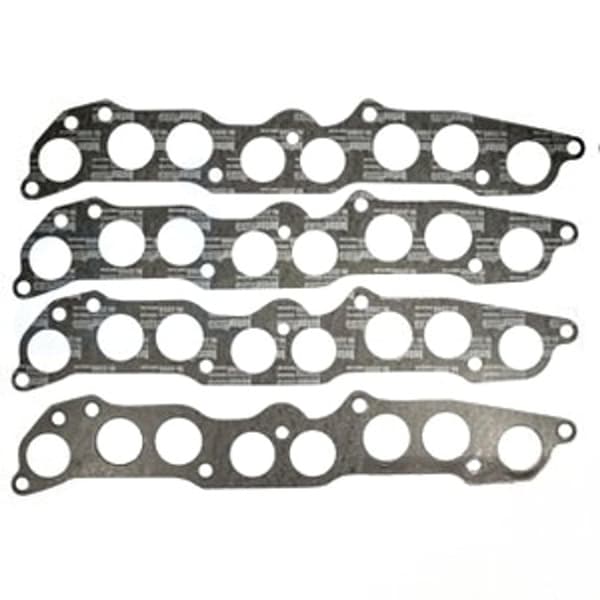
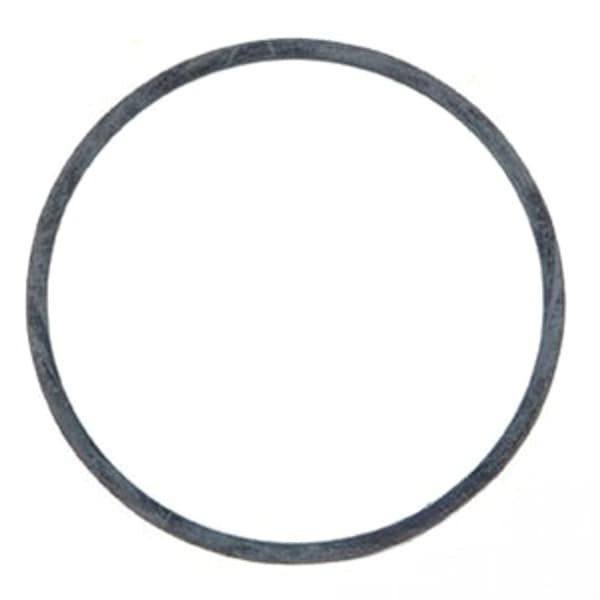

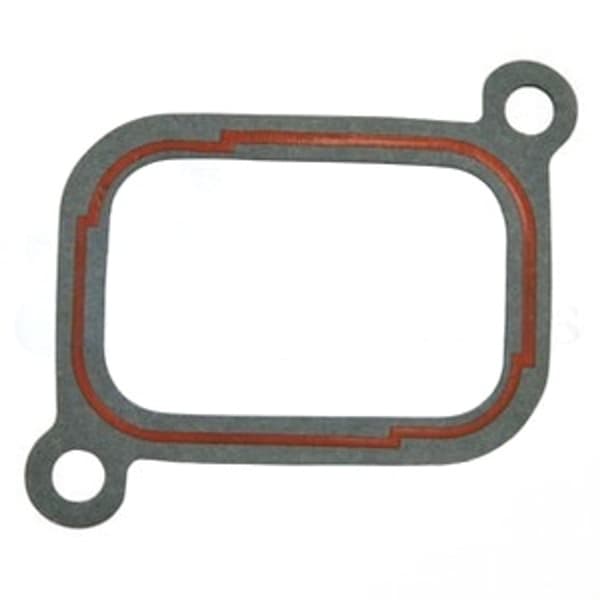
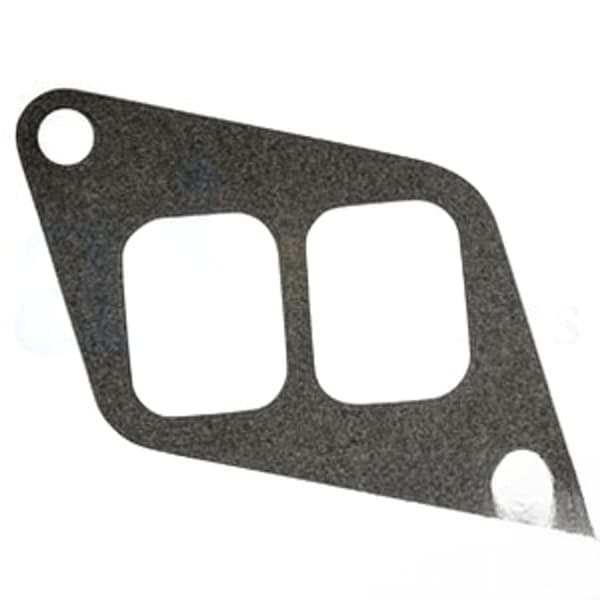
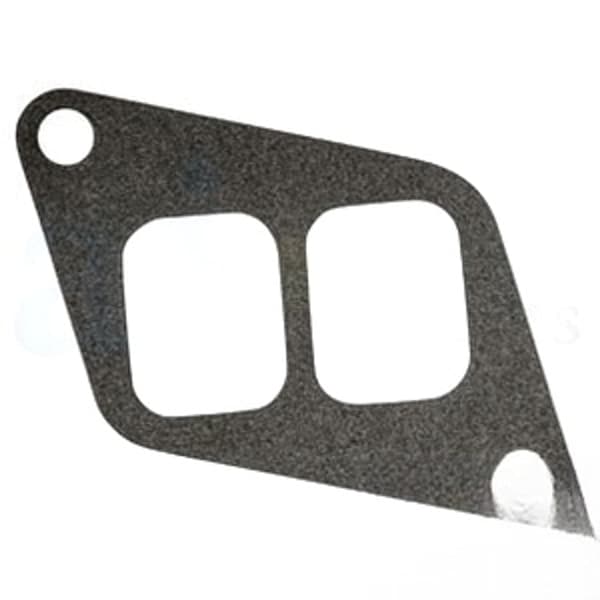
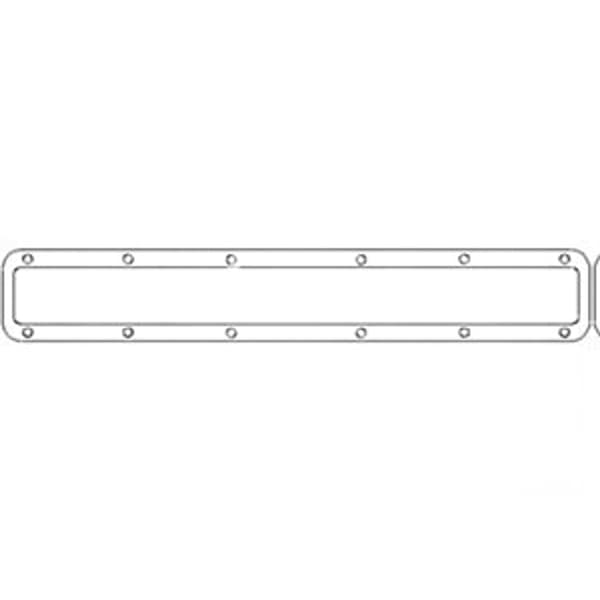
🔍 Looking for a specific part? Try our AI Part Finder — tell it your equipment and what you need, and it will find matching parts instantly.
Understanding the Importance of Intake and Carburetor Gaskets
Think of the intake gasket and carburetor gasket as the gatekeepers of the air/fuel mixture entering your engine. The intake gasket seals the intake manifold to the cylinder head, preventing air leaks that can disrupt the air-fuel ratio. Similarly, the carburetor gasket seals the carburetor to the intake manifold, ensuring all the fuel is delivered correctly. If either gasket is damaged or worn, it can cause:
- Air Leaks: Unmetered air entering the engine leads to a lean fuel mixture.
- Poor Performance: This can manifest as rough idling, stalling, lack of power, or difficulty starting.
- Fuel Leaks: A damaged gasket can allow fuel to leak, creating a fire hazard and wasting fuel.
Maintaining these gaskets is crucial for optimal engine performance and longevity. Regularly checking them for wear and tear can prevent more significant engine problems down the line. See our article on small engine fuel pump to learn about another important part of the fuel system.
Recognizing the Symptoms of a Bad Small Engine Intake Gasket or Carburetor Gasket
Identifying a failing intake or carburetor gasket early can save you time and money. Here are some common symptoms to watch out for:
- Rough Idling: The engine idles unevenly and may stall.
- Difficulty Starting: The engine may require multiple attempts to start, or may not start at all.
- Lack of Power: The engine may lack its usual power, especially when under load (e.g., mowing uphill).
- Increased Fuel Consumption: A lean fuel mixture can cause the engine to burn more fuel.
- Visible Cracks or Damage: Inspect the gaskets for cracks, tears, or other signs of wear. Sometimes, you might see fuel residue around the gasket.
- Surging: The engine speed fluctuates up and down erratically.
If you observe any of these symptoms, it's time to investigate your intake and carburetor gaskets. Consider whether your engine needs a new small engine carburetor kit, as these often include new gaskets.
Tools and Materials Needed for Gasket Replacement
Before you begin, gather the necessary tools and materials. This will make the replacement process smoother and more efficient.
- New Intake Gaskets and Carburetor Gaskets: Purchase the correct gaskets for your specific engine model. For example, if you need a carburetor bowl gasket, consider our B1SB3541 - Gasket, Carburetor Bowl. Check your owner's manual or use our parts lookup tool to find the right ones.
- Socket Set or Wrenches: For removing and installing bolts and screws.
- Screwdrivers: Both flathead and Phillips head screwdrivers may be needed.
- Carburetor Cleaner: To clean the carburetor surfaces before installing the new gasket.
- Scraper or Gasket Remover: To remove any old gasket material.
- Torque Wrench: To tighten bolts to the correct torque specifications (check your engine's service manual).
- Safety Glasses: To protect your eyes from debris.
- Gloves: To protect your hands from chemicals and sharp edges.
- Clean Rags: For wiping up spills and cleaning surfaces.
- Small Containers: To hold small parts (bolts, screws, etc.) to avoid losing them.
Safety First: Always disconnect the spark plug wire before working on your engine to prevent accidental starting. Work in a well-ventilated area, especially when using carburetor cleaner.
Step-by-Step Guide to Replacing Your Small Engine Intake Gasket and Carburetor Gasket
Follow these steps to safely and effectively replace your small engine intake and carburetor gaskets:
- Preparation: Disconnect the spark plug wire and fuel line. Drain the fuel tank if necessary to prevent spills.
- Remove the Air Filter Assembly: Remove the air filter cover and the air filter itself. Set these aside.
- Disconnect Linkages and Fuel Lines: Carefully disconnect any linkages (throttle, choke) and fuel lines connected to the carburetor. Take pictures or make notes of the linkage positions for reassembly. Consult the Briggs & Stratton Carburetor guide or the Kohler Carburetor guide if your engine is one of these brands.
- Remove the Carburetor: Loosen and remove the bolts or nuts that secure the carburetor to the intake manifold (or cylinder head). Gently pull the carburetor away.
- Remove the Intake Manifold (if applicable): If your engine has a separate intake manifold, remove the bolts or nuts securing it to the cylinder head.
- Clean Mating Surfaces: Use a scraper or gasket remover to carefully remove any remaining old gasket material from the carburetor, intake manifold (if applicable), and cylinder head mating surfaces. Clean these surfaces with carburetor cleaner to ensure a clean, smooth surface for the new gaskets.
- Install New Gaskets: Place the new intake gasket (if applicable) onto the cylinder head, aligning it with the bolt holes. Then, install the intake manifold, tightening the bolts to the torque specifications in your engine's service manual. Next, place the new carburetor gasket onto the intake manifold (or directly onto the cylinder head).
- Reinstall the Carburetor: Carefully position the carburetor onto the intake manifold, aligning it with the bolt holes. Secure the carburetor with the bolts or nuts, tightening them to the correct torque specifications.
- Reconnect Linkages and Fuel Lines: Reconnect all linkages and fuel lines, referring to your notes or pictures to ensure correct placement.
- Reinstall the Air Filter Assembly: Reinstall the air filter and the air filter cover.
- Reconnect Spark Plug Wire and Fuel Line: Reconnect the spark plug wire and fuel line.
- Test the Engine: Start the engine and check for any leaks or unusual noises. Adjust the carburetor if necessary to achieve smooth idling and optimal performance.
Pro Tip: When installing gaskets, make sure the surfaces are clean and dry. Avoid using gasket sealant unless specifically recommended by the engine manufacturer.
Troubleshooting After Gasket Replacement
Even with careful installation, problems can sometimes arise. Here are some common issues and how to address them:
- Engine Still Runs Rough: Double-check for air leaks around the gasket. Make sure all bolts and nuts are tightened to the correct torque.
- Fuel Leaks: Inspect the fuel lines and connections for leaks. Ensure the carburetor bowl is properly sealed.
- Difficulty Starting: Check the spark plug and ignition system. The fuel may not be reaching the cylinder if the fuel filter is clogged, or the small engine fuel pump has failed.
If you continue to experience problems, consult your engine's service manual or a qualified mechanic. For certain applications, you may need to inspect or replace the Briggs & Stratton head gasket.
Preventative Maintenance for Intake and Carburetor Gaskets
Preventative maintenance is key to prolonging the life of your small engine gaskets:
- Regular Inspections: Periodically inspect the gaskets for cracks, leaks, or other signs of wear.
- Proper Storage: When storing your equipment for extended periods, drain the fuel tank and carburetor to prevent fuel from deteriorating and damaging the gaskets.
- Use Fresh Fuel: Use fresh, high-quality fuel and add a fuel stabilizer to prevent fuel from going stale and causing problems.
- Maintain Cleanliness: Keep the engine clean and free of debris to prevent damage to the gaskets.
By following these tips, you can help prevent gasket failure and keep your small engine running smoothly for years to come. Also, consider replacing other wear items regularly like belts, blades, spark plugs and filters as part of a complete maintenance program.
Find Your small engine parts at Madison Tractor Co.
At Madison Tractor Co., we understand the importance of keeping your outdoor power equipment running at its best. We offer a wide selection of high-quality small engine parts, including intake and carburetor gaskets, for all major brands like John Deere, Craftsman, Cub Cadet, Husqvarna, Toro, Ariens, Murray, Hustler, Scag, Exmark, Ferris, Snapper, Simplicity, and Dixie Chopper. Whether you need a complete Briggs carburetor rebuild kit, or just a single gasket, we have what you need. Shop our extensive inventory of small engine parts today and get your equipment back in top condition! You can also use our AI-Powered Part Finder to search for parts by your specific make and model.
Part of our comprehensive guide
Small Engine Parts Guide: Carburetors, Fuel Pumps & Gaskets by Engine