








Tractor Seat Replacement Guide: Find the Right Seat for Your Tractor
Is your tractor seat worn out, uncomfortable, or damaged? This comprehensive guide walks you through the process of tractor seat replacement, helping you choose the right seat for your needs and ensuring a smooth installation.
Introduction to Tractor Seat Replacement
Spending long hours in the field means your tractor seat is more than just a place to sit – it's critical for your comfort, health, and overall productivity. A worn-out or damaged seat can lead to back pain, fatigue, and reduced efficiency. This guide provides a comprehensive overview of tractor seat replacement, helping you choose the right seat and install it correctly. Whether you're operating a classic John Deere, a modern Kubota, or anything in between, we've got you covered.
Recommended Parts for This Guide
6 parts we recommend — in stock, ships fast, one-click add to cart.
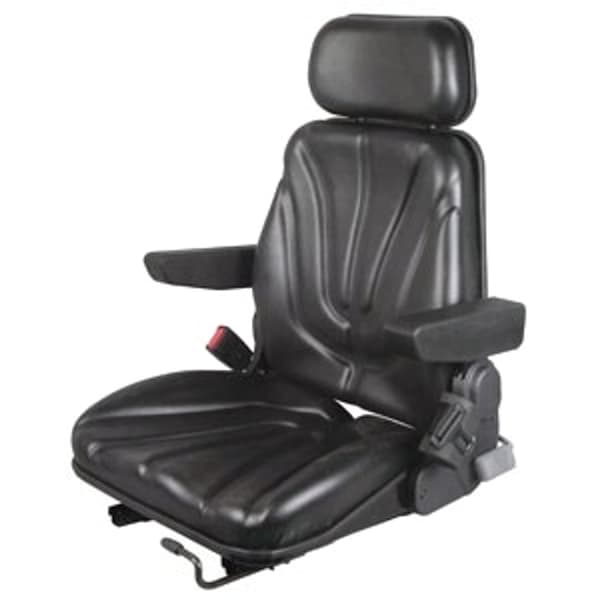
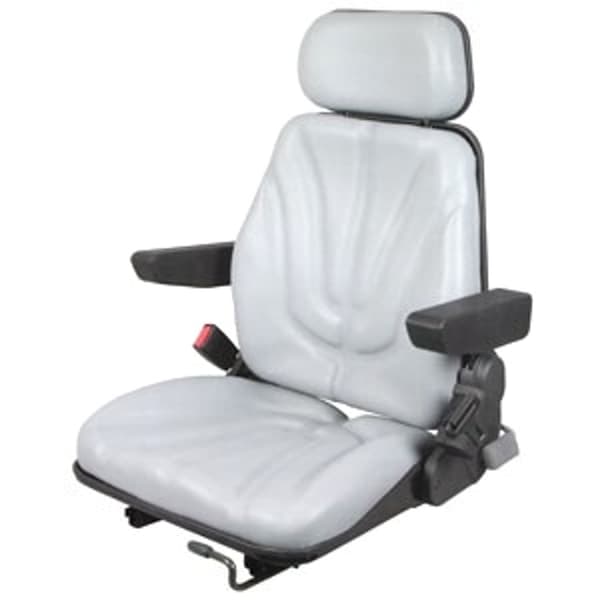
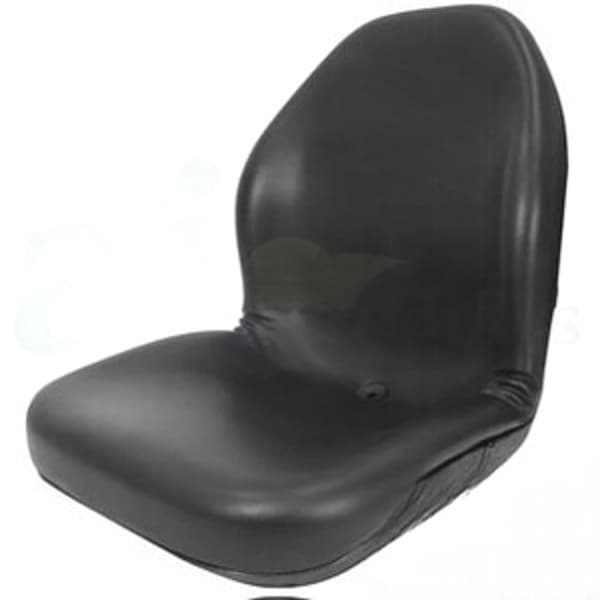
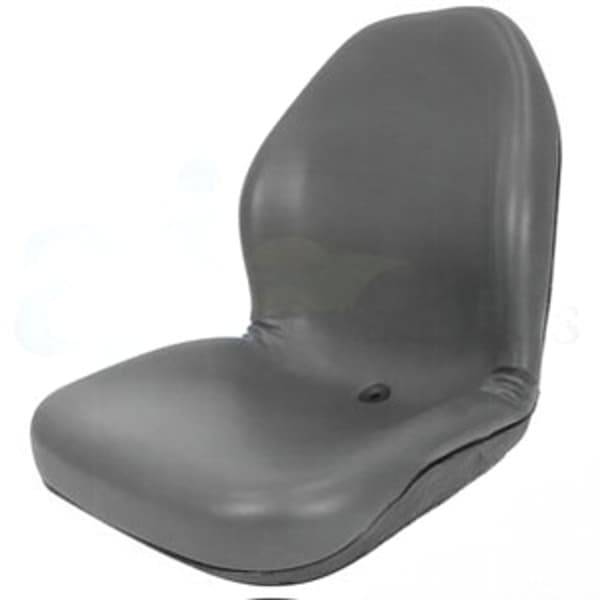
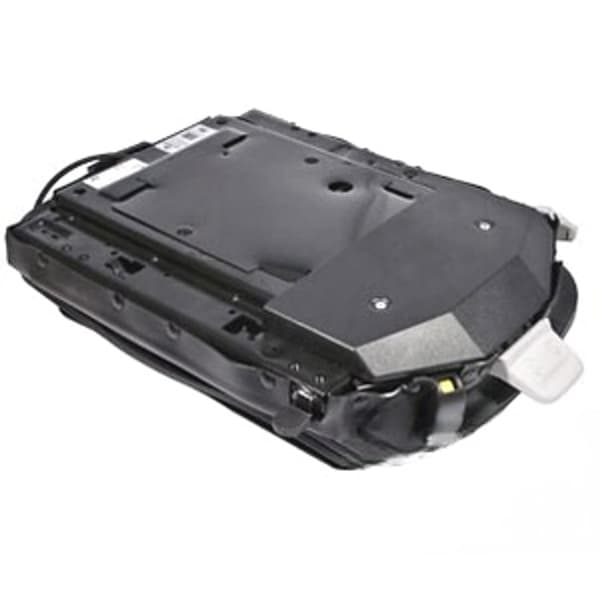
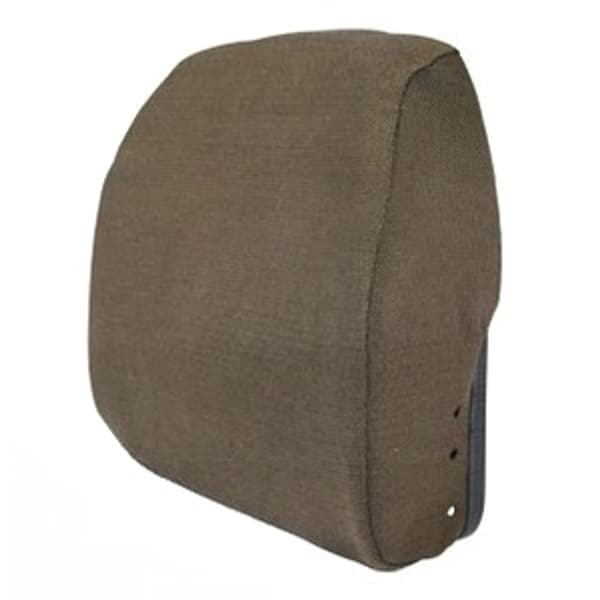
🔍 Looking for a specific part? Try our AI Part Finder — tell it your equipment and what you need, and it will find matching parts instantly.
At Madison Tractor Company, we understand the importance of a comfortable and reliable tractor seat. We offer a wide selection of tractor seats for various brands and models, including John Deere, Case IH, Ford, New Holland, Massey Ferguson, Kubota, Allis Chalmers, Deutz, International Harvester, Oliver, White, Gleaner, Vermeer, Hesston, Mahindra, and Zetor. We also stock essential components like radiators, water pumps, and alternators to keep your tractor running smoothly alongside your new seat.
Why Replace Your Tractor Seat?
There are several compelling reasons to consider a tractor seat replacement:
- Improved Comfort: A new seat with proper cushioning and support can significantly reduce discomfort and fatigue during long days in the field. Consider a tractor seat cushion, such as a seat cushion set or a seat cushion kit, for added comfort.
- Enhanced Safety: A worn or damaged seat can be unstable, increasing the risk of accidents.
- Increased Productivity: When you're comfortable, you can focus better and work more efficiently.
- Reduced Back Pain: A supportive seat helps maintain proper posture and reduces strain on your back.
- Improved Resale Value: A well-maintained tractor with a new seat is more attractive to potential buyers.
Types of Tractor Seats
Choosing the right tractor seat depends on your needs and preferences. Here's an overview of common types:
- Mechanical Suspension Seats: These seats use springs and dampers to absorb shocks and vibrations. They offer a good balance of comfort and affordability. For more information, see our guide on tractor seat suspension, including models like the MSG95GS seat suspension only.
- Air Ride Suspension Seats: These seats use an air bladder to provide superior shock absorption. They are ideal for operators who spend many hours in the field or work on rough terrain. Look for adjustable lumbar support and armrests for maximum comfort.
- Non-Suspension Seats: These basic seats, such as a steel pan seat, are typically found on older or smaller tractors. They offer minimal cushioning and support.
- High-Back Seats: These seats provide additional support for your back and neck, reducing fatigue.
- Low-Back Seats: These seats are more compact and may be suitable for tractors with limited cab space.
- Bucket Seats: Bucket seats offer greater lateral support, preventing you from sliding around during operation.
Choosing the Right Tractor Seat: Key Considerations
Selecting the perfect tractor seat involves several factors:
- Tractor Make and Model: While universal tractor seats exist, it's best to check compatibility with your specific tractor. We carry seats for John Deere, Case IH, Ford/New Holland, Massey Ferguson, Kubota, and many other brands. See our specific guides on John Deere tractor seat, Case IH tractor seat, Ford Tractor Seat, Kubota Tractor Seat and Massey Ferguson Tractor Seat.
- Seat Dimensions: Measure the available space in your tractor cab to ensure the new seat will fit properly.
- Mounting Pattern: Check the mounting pattern of your existing seat and compare it to the mounting pattern of the new seat. Some seats may require adapter plates.
- Weight Capacity: Ensure the seat's weight capacity is sufficient for your weight.
- Suspension Type: Consider whether you need a mechanical or air ride suspension seat based on the terrain you typically operate on.
- Features: Look for features such as adjustable lumbar support, armrests, seat heaters, and swivel bases.
- Material: Choose a durable and weather-resistant material such as vinyl or fabric.
Measuring Your Existing Seat
Before ordering a tractor seat, take accurate measurements of your current seat. This will help you choose a replacement that fits properly.
- Seat Width: Measure the width of the seat at its widest point.
- Seat Depth: Measure the depth of the seat from the front edge to the backrest.
- Backrest Height: Measure the height of the backrest from the seat base to the top of the backrest.
- Mounting Bolt Pattern: Measure the distance between the mounting bolts. Note the bolt size and thread type.
Tools and Materials Needed for Installation
Gather the necessary tools and materials before starting the tractor seat replacement process:
- Socket set
- Wrench set
- Screwdrivers (Phillips and flathead)
- Pliers
- Measuring tape
- Penetrating oil (e.g., WD-40)
- New tractor seat
- Mounting hardware (if not included with the seat)
- Adapter plate (if needed)
- Safety glasses
- Gloves
Step-by-Step Tractor Seat Replacement Guide
Follow these steps to safely and effectively replace your tractor seat.
- Safety First: Park the tractor on a level surface, engage the parking brake, and turn off the engine. Disconnect the negative battery cable to prevent accidental starting.
- Remove the Old Seat: Use a socket or wrench to remove the bolts securing the old seat to the tractor. You may need to apply penetrating oil to loosen stubborn bolts.
- Disconnect Wiring (if applicable): If your seat has electrical connections for features like seat heaters or suspension systems, carefully disconnect the wiring harnesses. Label the wires to ensure proper reconnection later.
- Inspect the Mounting Area: Clean the mounting area on the tractor. Remove any rust or debris that could interfere with the new seat's installation.
- Install the New Seat: Position the new seat on the mounting area and align the mounting holes. If you're using an adapter plate, attach it to the tractor first, then attach the seat to the adapter plate.
- Secure the Seat: Install the mounting bolts and tighten them securely. Refer to your tractor's service manual for the recommended torque specifications.
- Reconnect Wiring (if applicable): Reconnect any electrical wiring harnesses that were disconnected. Ensure the connections are secure.
- Test the Seat: Before operating the tractor, test the new seat to ensure it is properly installed and functioning correctly. Adjust the seat position and settings to your preference.
Safety Warning: Always wear safety glasses and gloves when working on your tractor. If you are unsure about any step in the installation process, consult a qualified mechanic.
Troubleshooting Common Issues
Here are some common issues you might encounter during tractor seat replacement and how to resolve them:
- Seat doesn't fit: Double-check the seat dimensions and mounting pattern against your tractor's specifications. You may need an adapter plate.
- Bolts are stripped: Use a bolt extractor to remove the stripped bolts. Replace them with new bolts of the correct size and thread type.
- Wiring is damaged: Repair or replace any damaged wiring. Consult a qualified electrician if necessary.
- Seat is wobbly: Ensure all mounting bolts are tightened securely. If the seat is still wobbly, check for worn or damaged suspension components.
Maintaining Your New Tractor Seat
Proper maintenance will extend the life of your new tractor seat:
- Regular Cleaning: Clean the seat regularly with a mild soap and water solution. Avoid using harsh chemicals or abrasive cleaners.
- Protect from Sun: Park your tractor in a shaded area or use a seat cover to protect the seat from sun damage.
- Inspect Regularly: Inspect the seat regularly for signs of wear and tear. Repair or replace any damaged components promptly.
- Lubricate Moving Parts: Lubricate the seat's suspension components and adjustment mechanisms regularly to ensure smooth operation.
Finding the Right Seat for Specific Tractor Brands
Madison Tractor Company specializes in parts for a wide range of tractor brands. Here are some specific considerations for popular brands:
John Deere
For John Deere tractors, ensure compatibility with your specific model. For example, a seat for a John Deere 4020 might be different from one for a John Deere 5075E. Check our guide to John Deere tractor seats for more information. We also carry a wide range of John Deere parts like hydraulic pumps and filters.
Example: A seat for a John Deere 4020 (early models) often uses a different mounting pattern than later models. Cross-reference the part number with John Deere's parts catalog or consult with our experts.
Case IH
Case IH seats vary widely depending on the model and year. A Magnum tractor will require a much more robust and comfortable seat than a smaller utility tractor. Refer to our Case IH tractor seat guide for detailed information. Don't forget to check your Case IH PTO parts and clutch kits while you're at it.
Example: The Case IH Magnum series (e.g., 220, 250, 280) often requires a seat with higher weight capacity and air suspension due to the larger size and heavier workload of the tractor.
Ford/New Holland
Ford tractor seats, especially for older models like the 8N or 2000 series, which may also need a new seat spring for non-flip back seats, often require specific mounting adapters. New Holland seats are generally easier to source as direct replacements. See our guide to Ford Tractor Seats for more details. Madison Tractor also carries parts like fuel pumps and carburetors for your Ford and New Holland tractors.
Example: For a Ford 8N tractor, a common seat replacement is a universal seat with a bolt-on adapter plate. Make sure the adapter plate is compatible with the 8N's original mounting pattern.
Kubota
Kubota seats are generally compact and well-suited for their smaller tractors. Ensure you select a seat that fits within the limited cab space. Our Kubota Tractor Seat guide has specific information on B, L, and M series tractors. We also supply Kubota starters and injectors.
Example: Kubota B-series tractors (e.g., B2650, B3350) often benefit from a low-profile seat to maximize headroom within the compact cab.
Massey Ferguson
Massey Ferguson seats, particularly for older models, can be challenging to find as direct replacements. Universal seats with adapter plates are often the best option. Refer to our guide on Massey Ferguson Tractor Seats. While you're at it, check out our selection of Massey Ferguson filters and gaskets.
Example: For a Massey Ferguson 135 tractor, a universal seat with a four-bolt mounting pattern is a common replacement option. Ensure the mounting bolts are the correct size and thread pitch.
Conclusion
Tractor seat replacement is a worthwhile investment that can significantly improve your comfort, safety, and productivity. By carefully considering your needs and following the steps outlined in this guide, you can choose the right seat and install it correctly. Remember to prioritize safety and consult a qualified mechanic if you have any doubts.
Madison Tractor Company is your trusted source for tractor seats and other agricultural parts. We offer a wide selection of high-quality products at competitive prices. Browse our online catalog today and experience the Madison Tractor difference! You can also use our AI-Powered Part Finder to search for parts by your specific make and model.
Part of our comprehensive guide
Tractor Seat Replacement Guide: Find the Right Seat for Your Tractor