








Tractor Seat Pan: Metal Base & Mounting Hardware
The tractor seat pan provides the foundation for your comfort and safety. This guide covers the metal base, mounting hardware, and how to choose the right replacement for your tractor or combine.
Introduction to the Tractor Seat Pan
The tractor seat pan is more than just a piece of metal; it's the foundation upon which your comfort and safety rest while operating your farm equipment. It’s the sturdy base that connects the seat cushion, suspension (if equipped), and mounting hardware to the tractor frame. Understanding the seat pan's construction, potential issues, and how to properly replace it is crucial for maintaining a safe and comfortable operating environment. A damaged or corroded seat pan can lead to instability, premature wear of other seat components, and even potential injury.
Recommended Parts for This Guide
10 parts we recommend — in stock, ships fast, one-click add to cart.
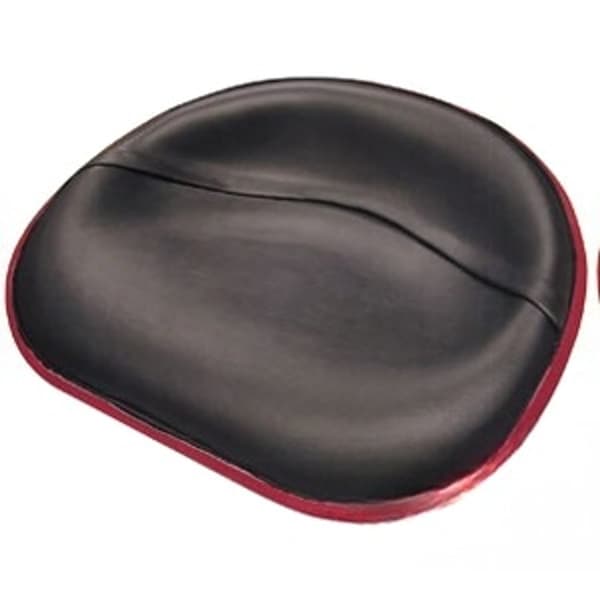
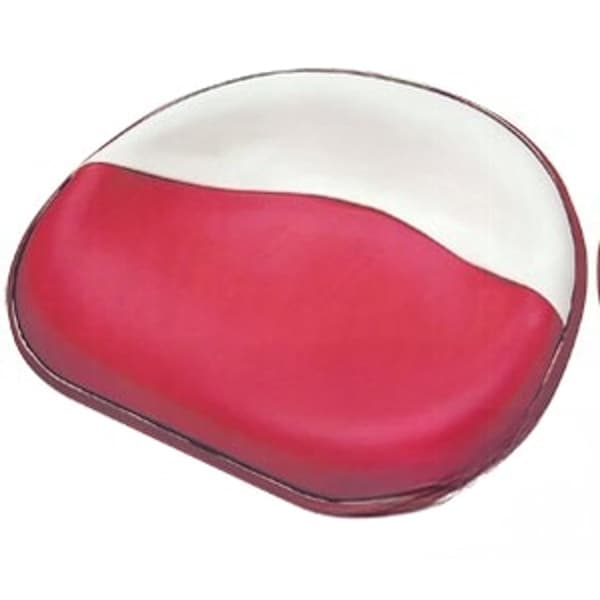
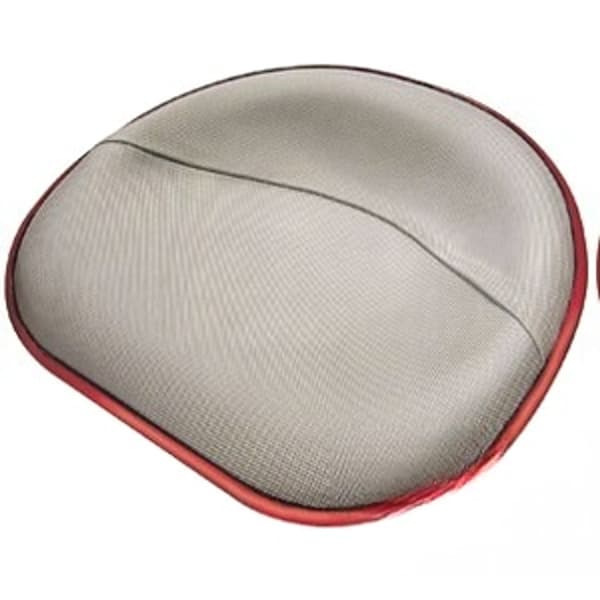
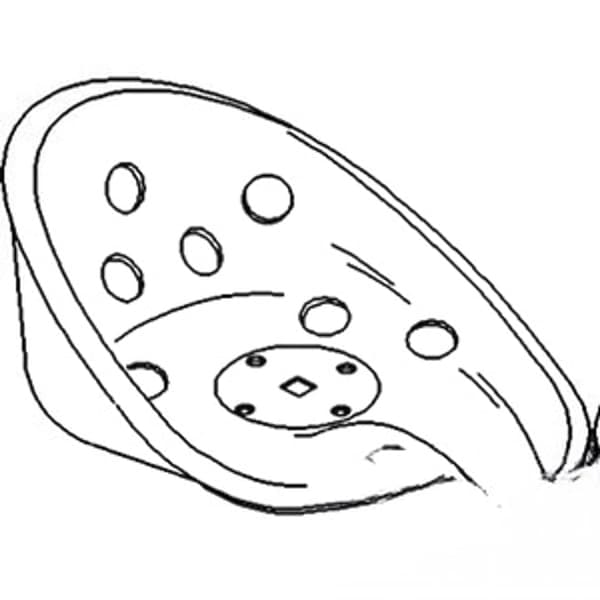
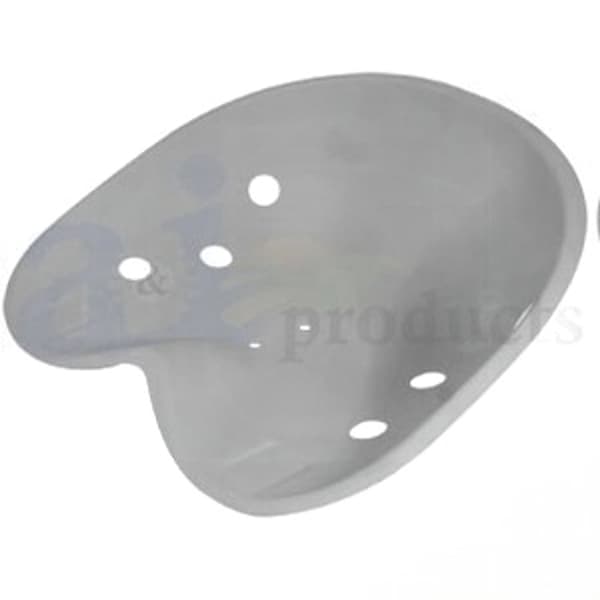
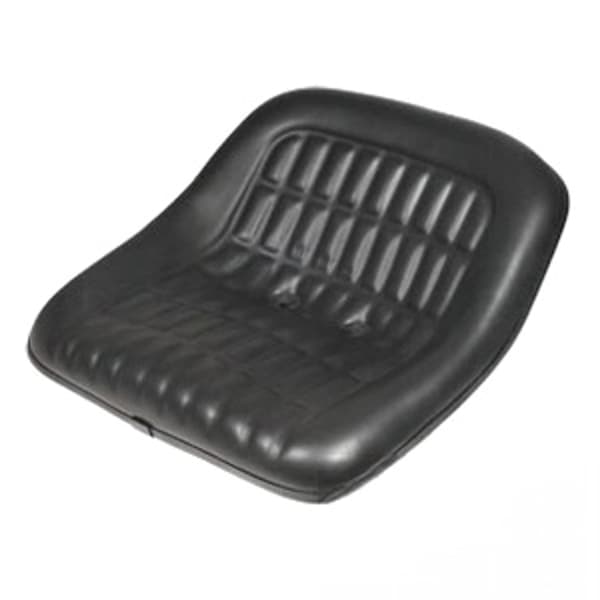
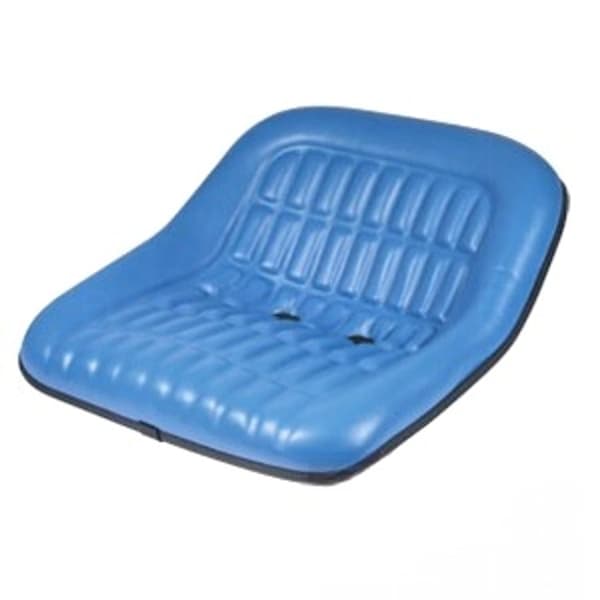
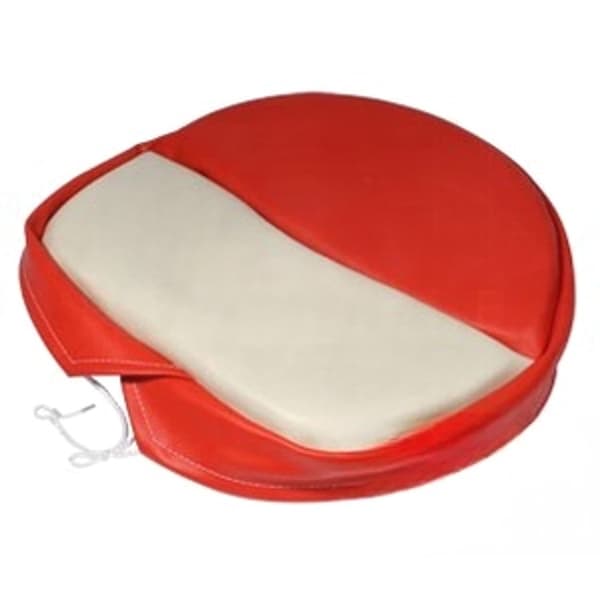
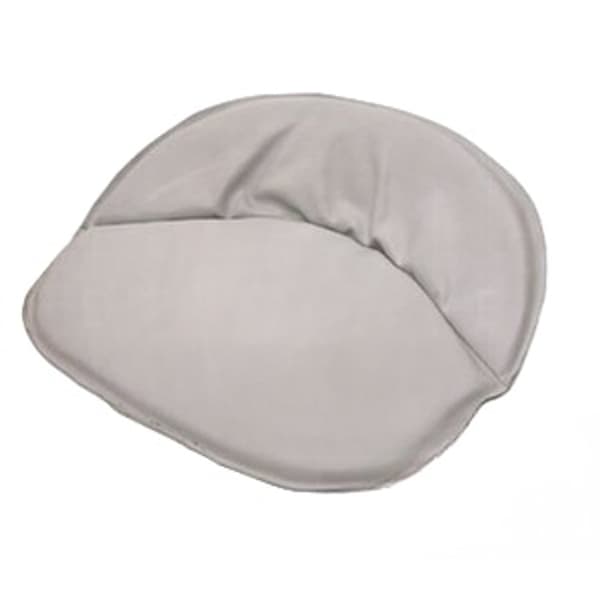
🔍 Looking for a specific part? Try our AI Part Finder — tell it your equipment and what you need, and it will find matching parts instantly.
Whether you're driving a classic John Deere or a modern Case IH, a well-maintained seat pan is essential. We'll explore the different types of seat pans, common problems, and how to select the right replacement for your tractor. We can help you find tractor seat parts for your John Deere tractor seat or any of your other equipment brands.
Types of Tractor Seat Pans
Tractor seat pans come in various shapes, sizes, and materials, depending on the tractor model, year, and original manufacturer. Here's a look at some common types:
- Stamped Steel: These are the most common type, found on many older and some newer tractors. They're typically made from pressed steel and may be painted or powder-coated for corrosion resistance.
- Cast Iron: Some older tractors, especially those from brands like Allis Chalmers, Oliver, and International Harvester, used cast iron seat pans for added durability.
- Molded Plastic: Found on some newer models, these pans offer a lightweight and corrosion-resistant alternative to metal.
- Universal Seat Pans: These are designed to fit a wide range of tractor models and are often used as replacements when an exact OEM match is unavailable. See our article on Universal Tractor Seats for more information.
Common Problems with Tractor Seat Pans
Despite their robust construction, tractor seat pans are susceptible to wear and tear. Here are some common issues:
- Rust and Corrosion: Especially prevalent in older tractors exposed to the elements, rust can weaken the metal and eventually cause the pan to fail. This is more common in stamped steel pans.
- Cracks and Breaks: Stress from rough terrain, heavy use, or accidents can lead to cracks and breaks in the pan.
- Damaged Mounting Points: The mounting holes or brackets can become damaged or stripped, making it difficult to securely attach the seat.
- Deformation: Over time, the seat pan can become deformed or bent, affecting the seat's stability and comfort.
Inspecting Your Tractor Seat Pan
Regular inspection of your tractor seat pan is crucial for identifying potential problems early. Here's what to look for:
- Visual Inspection: Check for rust, cracks, bends, and any other signs of damage. Pay close attention to the mounting points and areas around welds.
- Check Mounting Hardware: Inspect the bolts, nuts, and other hardware for corrosion, damage, or looseness.
- Test for Stability: Sit in the seat and check for any excessive movement, wobbling, or creaking.
- Listen for Noises: Unusual noises, such as squeaks or rattles, can indicate a problem with the seat pan or mounting hardware.
Replacing Your Tractor Seat Pan: A Step-by-Step Guide
Replacing a tractor seat pan is a relatively straightforward task that most farmers or ranchers can handle themselves. Here's a general guide:
- Safety First: Before starting any work, ensure the tractor is turned off and the parking brake is engaged. Disconnect the battery to prevent accidental starting.
- Remove the Seat Assembly: Disconnect any wiring for seat heaters or other electrical components. Then, unbolt the entire seat assembly from the tractor.
- Detach the Old Seat Pan: Carefully remove the seat cushion, suspension (if equipped), and any other components attached to the old seat pan. Take photos as you disassemble to aid reassembly.
- Clean the Mounting Area: Thoroughly clean the area where the new seat pan will be installed, removing any rust, dirt, or debris.
- Install the New Seat Pan: Position the new seat pan and attach it to the tractor frame using the appropriate mounting hardware. Ensure all bolts are tightened to the manufacturer's specified torque (consult your tractor's service manual).
- Reassemble the Seat: Reattach the seat cushion, suspension, and any other components to the new seat pan.
- Reconnect Wiring: Reconnect any wiring for seat heaters or other electrical components.
- Test the Seat: Sit in the seat and check for stability and proper operation.
Safety Warning: Always wear safety glasses and gloves when working on your tractor. Be careful when handling heavy components. If you're not comfortable performing this task yourself, consult a qualified mechanic.
Choosing the Right Replacement Seat Pan
Selecting the correct replacement seat pan is crucial for ensuring a proper fit and optimal performance. Here are some factors to consider:
- Tractor Make and Model: The most important factor is to choose a seat pan specifically designed for your tractor's make and model. For example, a seat pan for a Ford tractor seat 8N will be different from a Kubota tractor seat L3901.
- OEM vs. Aftermarket: OEM (Original Equipment Manufacturer) seat pans are made by the same company that manufactured the tractor and are guaranteed to fit perfectly. Aftermarket seat pans are made by third-party manufacturers and can be a more affordable option. However, it's essential to choose a reputable brand and verify that the seat pan is compatible with your tractor.
- Material: Consider the material of the seat pan. Steel seat pans are generally more durable but prone to rust. Plastic seat pans are lighter and corrosion-resistant but may not be as strong.
- Features: Some seat pans come with additional features, such as integrated suspension or adjustable lumbar support.
When browsing for a replacement, you may find these OEM part numbers helpful as reference. Note that correct fitment always depends on make, model and year of tractor:
- **John Deere:** Varies greatly. Search by model (e.g., john deere 4020 seat pan)
- **Case IH / International Harvester:** 394721R1, 394720R2
- **Ford / New Holland:** E1ADDN405A, 81820575 (See also 8N400 and C5NN400AE for common models)
- **Massey Ferguson:** 3622302M1, 3622303M1 (e.g., 3698466M91)
Beyond the Seat Pan: Complete Operator Comfort
While the seat pan provides the foundation, true operator comfort comes from a combination of factors. Consider upgrading other components in your tractor seat system for a more enjoyable workday:
- Seat Cushion: A high-quality seat cushion can significantly improve comfort, especially during long hours in the field.
- Seat Suspension: A seat suspension system absorbs shocks and vibrations, reducing fatigue and improving ride quality. Air ride and mechanical suspension options are available.
- Armrests and Backrests: Adding armrests and backrests can provide additional support and comfort.
Remember to check related parts like radiators, water pumps, and hydraulic pumps to ensure your tractor is running smoothly. Replacing worn filters and checking fluid levels are also essential for optimal performance.
Shop Tractor Seat Pans and More at Madison Tractor
At Madison Tractor Company, we understand the importance of a comfortable and safe operating environment. We offer a wide selection of tractor seat pans, seat cushions, suspension systems, and other cab components for various tractor makes and models, including John Deere, Case IH, Ford, Kubota, Massey Ferguson, and many others. We also carry a comprehensive range of tractor parts, including clutch kits, PTO parts, fuel pumps, and much more.
Browse our extensive online catalog or contact our knowledgeable team for assistance in finding the right parts for your needs. We're committed to providing high-quality parts at competitive prices, with fast shipping and excellent customer service. Keep your equipment running smoothly and comfortably with Madison Tractor Company! You can also use our AI-Powered Part Finder to search for parts by your specific make and model.
Part of our comprehensive guide
Tractor Seat Replacement Guide: Find the Right Seat for Your Tractor