








Tractor ROPS Roll Bar: Safety Requirements & Installation
Protect yourself with a properly installed and maintained tractor ROPS (Roll-Over Protective Structure). This guide covers safety standards, installation tips, and compatibility for various tractor brands.
Understanding Tractor ROPS: Your First Line of Defense
A tractor ROPS, or Roll-Over Protective Structure, is a critical safety component designed to protect the operator in the event of a tractor rollover. Rollovers are a leading cause of tractor-related fatalities a properly installed ROPS, combined with a seatbelt, significantly reduces the risk of serious injury or death. This guide provides essential information about ROPS, covering safety standards, selection, installation maintenance. Be sure to also check your John Deere tractor seat or your Ford tractor seat to ensure they are in good condition. After all, a good seatbelt relies on having a secure seat to begin with!
Recommended Parts for This Guide
8 parts we recommend — in stock, ships fast, one-click add to cart.
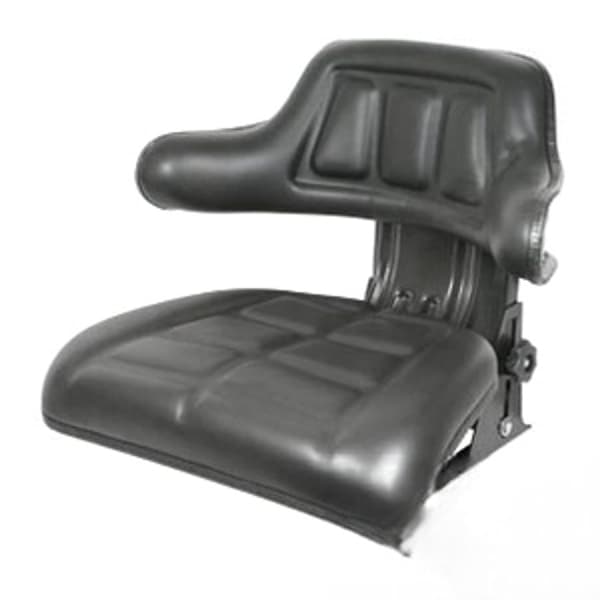
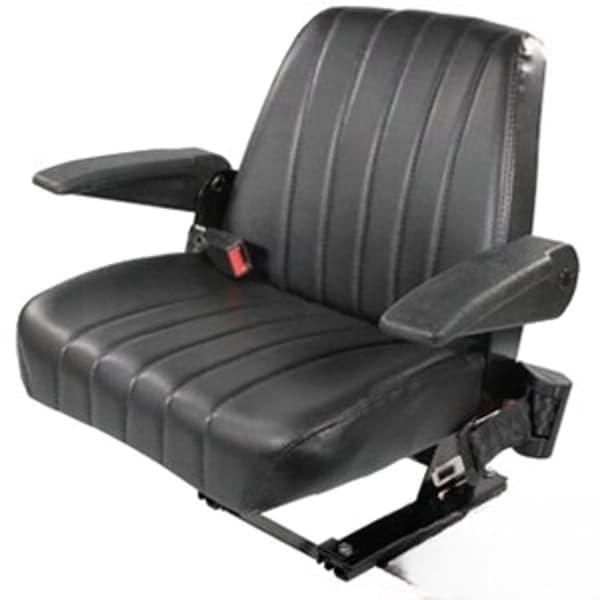
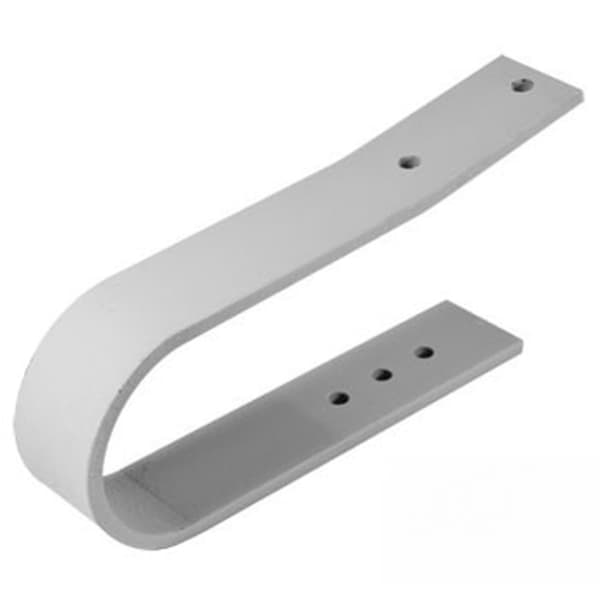
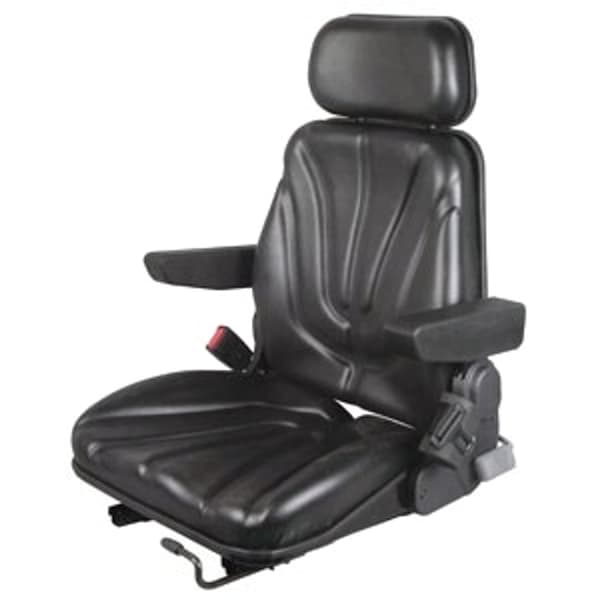
🔍 Looking for a specific part? Try our AI Part Finder — tell it your equipment and what you need, and it will find matching parts instantly.
Madison Tractor Company understands the importance of safety on the farm. We carry a wide range of parts for various tractor brands, including John Deere, Case IH, Ford, New Holland, Massey Ferguson, Kubota, Allis Chalmers, Deutz, International Harvester, Oliver, White, Gleaner, Vermeer, Hesston, Mahindra Zetor. We also stock essential parts like radiators, water pumps, starters hydraulic pumps. While we do not directly sell ROPS units, understanding the importance of this component is crucial we want to ensure our customers are well-informed.
ROPS Safety Standards and Regulations
ROPS must meet specific safety standards to provide adequate protection. These standards are typically set by organizations like the Society of Automotive Engineers (SAE) and the American Society of Agricultural and Biological Engineers (ASABE). Key standards include SAE and ASABE S383. These standards define the minimum performance requirements for ROPS, including their ability to withstand specific forces and energy absorption during a rollover event.
Important Note Not all aftermarket ROPS meet these standards. Always verify that the ROPS you are considering is certified to meet the applicable SAE or ASABE standards for your tractor model and weight. Look for a certification label or documentation from the manufacturer.
Choosing the Right ROPS for Your Tractor
Selecting the correct ROPS for your tractor is crucial for ensuring its effectiveness. Several factors should be considered
- Tractor Model and Year ROPS are often designed to fit specific tractor models and years. Verify compatibility with your tractor. For example, a ROPS designed for a John Deere 4020 will not fit a Kubota L3901.
- Tractor Weight The ROPS must be rated for the weight of your tractor. Overloading the ROPS can compromise its structural integrity.
- Clearance Consider the overhead clearance required for your operating environment. Folding ROPS are available for situations where low clearance is an issue, such as working in orchards or barns.
- Original vs. Aftermarket While original equipment manufacturer (OEM) ROPS are generally preferred, high-quality aftermarket ROPS that meet the required safety standards can be a viable option. Ensure proper documentation and certification.
When searching, have your tractor's model and serial number ready. This will help you find a ROPS specifically designed for your machine. You may also want to consult your tractor's operator's manual for ROPS recommendations. The manual for older models of tractors like the Massey Ferguson 35, for example, may include retrofit ROPS options.
ROPS Installation: A Step-by-Step Guide
Installing a ROPS is a critical task that should be performed with precision and care. Here's a general step-by-step guide. Always refer to the manufacturer's instructions for your specific ROPS model. Improper installation can significantly reduce the ROPS's effectiveness and could lead to serious injury.
- Safety First Before starting, ensure the tractor is on a level surface, the engine is off the parking brake is engaged. Disconnect the battery to prevent accidental starting.
- Gather Tools and Materials You will need a wrench set, socket set, torque wrench, measuring tape potentially a drill and drill bits. The ROPS kit should include all necessary hardware (bolts, nuts, washers). Double-check to ensure you have everything before beginning.
- Prepare the Mounting Area Clean the area where the ROPS will be mounted. Remove any dirt, rust, or debris. Inspect the mounting points for damage.
- Attach the Mounting Brackets Position the mounting brackets according to the manufacturer's instructions. These brackets are typically bolted to the tractor's axle housings or chassis.
- Install the ROPS Frame Carefully lift the ROPS frame into position. Align the frame with the mounting brackets. This may require assistance from another person, depending on the weight of the ROPS.
- Secure the Bolts Install the bolts, nuts washers provided with the ROPS kit. Tighten the bolts to the torque specifications provided by the manufacturer. This is a critical step! Using the correct torque is essential for ensuring the ROPS can withstand the forces of a rollover.
- Inspect and Verify After installation, carefully inspect all connections. Ensure that all bolts are properly tightened and that the ROPS frame is securely mounted.
- Reinstall the Seat After installing the ROPS, ensure that the tractor seat suspension, if equipped, is properly adjusted and that the seat is securely mounted.
Torque Specifications Torque specifications are crucial for proper ROPS installation. These specifications vary depending on the bolt size and material. Always consult the ROPS manufacturer's instructions for the correct torque values. For example, a 1/2-inch Grade 8 bolt typically requires a torque of around 100-120 ft-lbs. Using an accurate torque wrench is essential.
Example For a specific Case IH tractor, such as a Maxxum 110 (check your Case IH tractor seat while you're at it!), the ROPS mounting bolts to the rear axle housing might require a torque of 150 ft-lbs. Always verify with the ROPS installation manual.
Warning Incorrectly tightened bolts can lead to ROPS failure during a rollover. Double-check all torque values and ensure you are using a calibrated torque wrench.
ROPS Maintenance and Inspection
Regular maintenance and inspection are essential for ensuring the ROPS remains in good working condition. Perform the following checks regularly
- Inspect for Damage Check the ROPS frame for any signs of damage, such as cracks, bends, or dents. Any damage can compromise the ROPS's structural integrity.
- Check Bolt Tightness Periodically check the tightness of all mounting bolts. Use a torque wrench to ensure they are still within the specified torque range.
- Inspect Mounting Brackets Examine the mounting brackets for rust, corrosion, or damage. Repair or replace any damaged brackets.
- Address Corrosion Clean any rust or corrosion from the ROPS frame and mounting brackets. Apply a protective coating to prevent further corrosion.
Replacement Parts Madison Tractor Company carries a wide range of replacement parts for various tractor brands. If you need to replace any components during ROPS maintenance, such as bolts, nuts, or washers, we can help you find the right parts.
The Importance of Seatbelts
A ROPS is most effective when used in conjunction with a seatbelt. The seatbelt keeps the operator within the protective zone of the ROPS during a rollover. Always wear your seatbelt when operating a tractor with a ROPS. Regularly inspect your seatbelt for wear and tear replace it if necessary.
Warning A ROPS without a seatbelt provides limited protection. Wearing a seatbelt is essential for preventing ejection from the tractor during a rollover.
Retrofitting ROPS to Older Tractors
Many older tractors were not originally equipped with ROPS. Retrofitting a ROPS to these tractors can significantly improve operator safety. Retrofit ROPS kits are available for many older tractor models. Before purchasing a retrofit ROPS, ensure it is compatible with your tractor and meets the required safety standards. Check with your local dealer or manufacturer for availability. For older tractors, like an Allis Chalmers D17 or an International Harvester Farmall H, aftermarket options may be your only choice.
Finding Parts at Madison Tractor Company
While Madison Tractor Company does not sell ROPS units themselves, we do stock many parts that might be relevant for ROPS maintenance or in conjunction with ROPS-related repairs. This includes tractor seats, hardware other components.
We're your one-stop shop for keeping your tractor running smoothly and safely. In addition to seats, we stock a comprehensive selection of parts, including
- Engine Parts: Pistons, bearings, seals, gaskets, filters
- Fuel System Parts: Fuel pumps, carburetors, injectors
- Hydraulic System Parts: Hydraulic pumps, cylinders
- Electrical Parts: Starters, alternators
- Driveline Parts: Clutch kits, PTO parts
- And much more!
If you need assistance finding the right parts for your tractor, our knowledgeable team is here to help. Contact us today to discuss your needs.
Shop Tractor Parts at Madison Tractor Company
At Madison Tractor Company, we're committed to providing farmers and ranchers with the parts they need to keep their equipment running smoothly and safely. We offer a wide selection of parts for various tractor brands, competitive prices fast shipping. Browse our online catalog today or contact us for assistance finding the right parts for your tractor! You can also use our AI-Powered Part Finder to search for parts by your specific make and model.
Part of our comprehensive guide
Tractor Seat Replacement Guide: Find the Right Seat for Your Tractor