








Tractor Cab Heater: Aftermarket Heater & Blower Motor
Don't let the cold slow you down! This guide covers everything you need to know about tractor cab heaters, including aftermarket options, blower motor maintenance, troubleshooting, and choosing the right parts for your machine.
Introduction to Tractor Cab Heaters
When the temperature drops, a functional tractor cab heater is essential for operator comfort and productivity. Whether you're plowing fields, hauling hay, or clearing snow, staying warm inside the cab makes a huge difference. A malfunctioning heater can lead to discomfort, reduced focus, and even safety hazards. This guide will walk you through the basics of tractor cab heaters, aftermarket options, blower motor maintenance, and troubleshooting common problems.
Recommended Parts for This Guide
9 parts we recommend — in stock, ships fast, one-click add to cart.
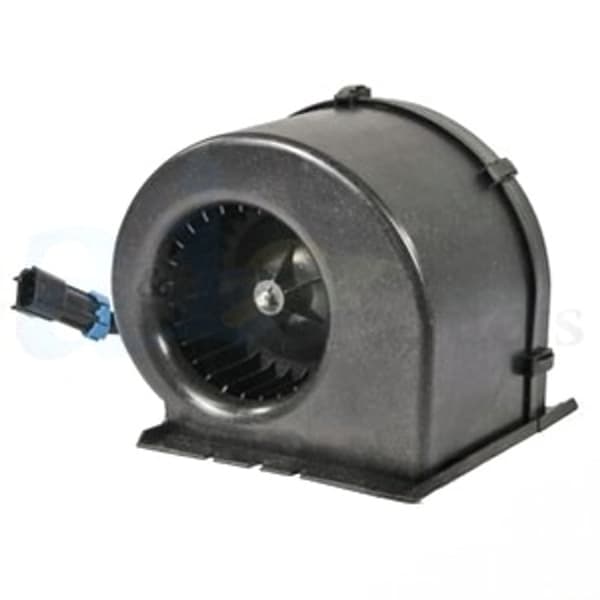
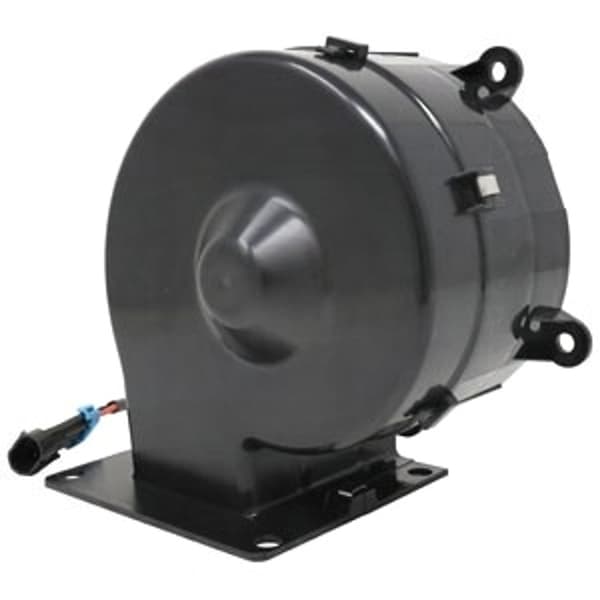
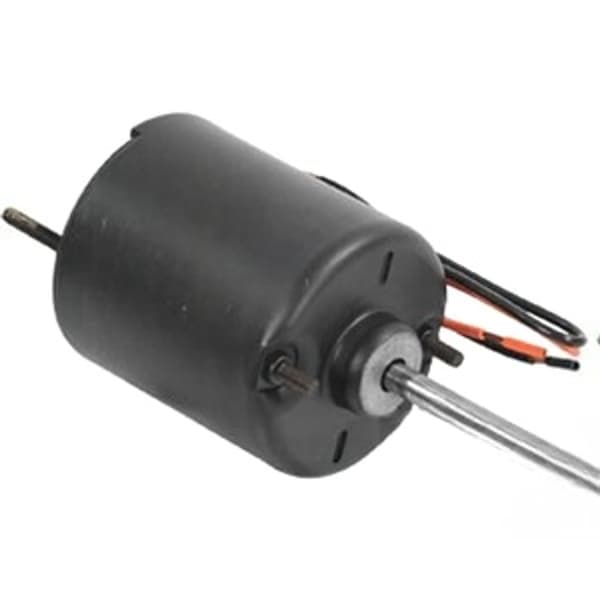 70254964 - Blower Motor - Heater (12V, 5/16" X 1 1/4" shaft, Rev rotation)70254964Out of stock$62.88
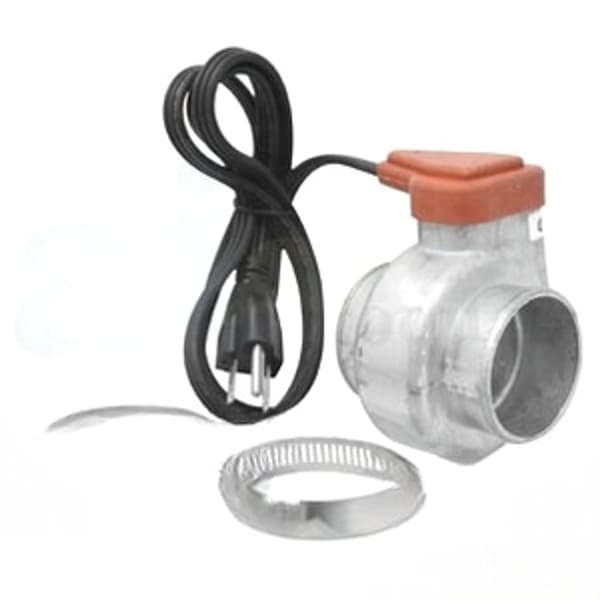
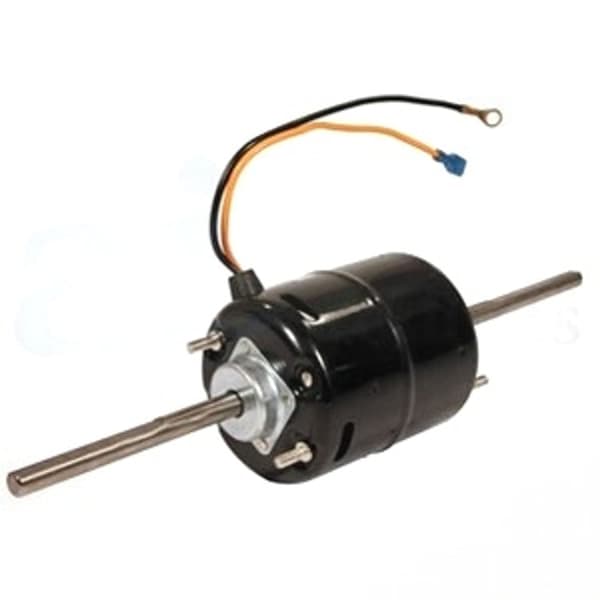
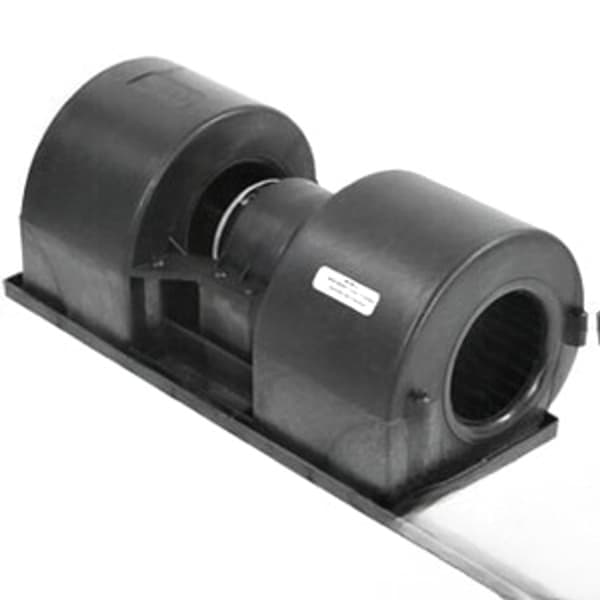
🔍 Looking for a specific part? Try our AI Part Finder — tell it your equipment and what you need, and it will find matching parts instantly.
Understanding Your Tractor's Heating System
Most tractor cab heaters work by circulating hot coolant from the engine through a small radiator, called the heater core, inside the cab. A blower motor forces air across the heater core, and that heated air is then directed into the cab through vents. Common components include:
- Heater Core: Transfers heat from the coolant to the air.
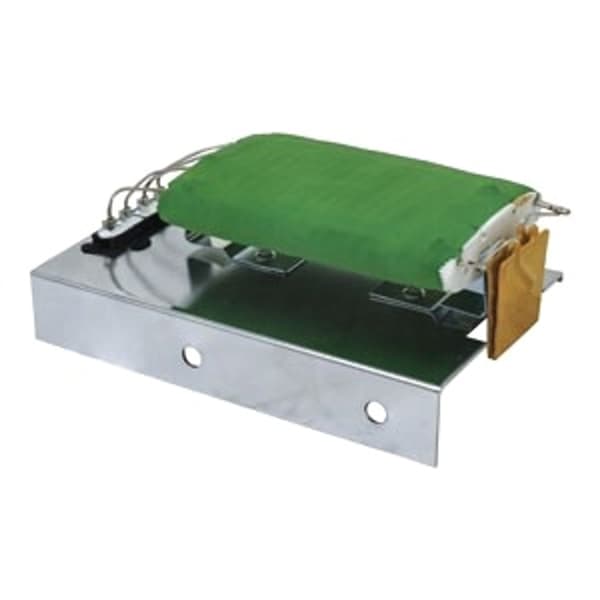
- Blower Motor: Circulates air across the heater core. If your system includes multiple fan speeds, a blower motor resistor might be present.
- Heater Hoses: Carry coolant to and from the heater core. Check these hoses regularly for leaks or cracks. Some systems might also incorporate an inline radiator hose heater for quicker warm-ups. A typical hose clamp torque is 35-45 in-lbs.
- Control Valve: Regulates the flow of coolant to the heater core, allowing you to adjust the heat output.
- Thermostat: Maintains the engine's operating temperature, which is crucial for efficient heater performance. A faulty thermostat can prevent the engine from reaching optimal temperature, resulting in poor heat.
- Ductwork and Vents: Direct the heated air to specific areas of the cab.
For some older tractors, such as some Allis Chalmers or Deutz models, the heater system might be simpler, lacking a control valve or relying on engine heat with less sophisticated airflow. Consult your tractor's service manual for specific details about your model's heating system.
Aftermarket Tractor Cab Heater Options
If your tractor didn't come with a cab heater or your original heater has failed, an aftermarket kit is an excellent solution. Aftermarket heaters offer several advantages:
- Cost-Effective: Often more affordable than OEM replacements.
- Universal Fit: Many kits are designed to fit a wide range of tractor models, including older machines.
- Improved Performance: Some aftermarket heaters offer higher BTU (British Thermal Unit) output for better heating.
When choosing an aftermarket heater, consider the following:
- BTU Rating: Higher BTU rating means more heating power. Choose a rating appropriate for your cab size and climate.
- Voltage: Match the heater's voltage to your tractor's electrical system (usually 12V).
- Dimensions: Ensure the heater unit will fit comfortably in your cab.
- Ease of Installation: Look for kits with clear instructions and all necessary mounting hardware.
Madison Tractor Company offers a variety of aftermarket tractor cab heaters to fit most major brands, including John Deere, Case IH, Ford, New Holland, Massey Ferguson, and Kubota. Be sure to check the fitment guide for your specific model, such as a John Deere 4020 or a Kubota L3901.
Tractor Cab Blower Motor: Maintenance and Replacement
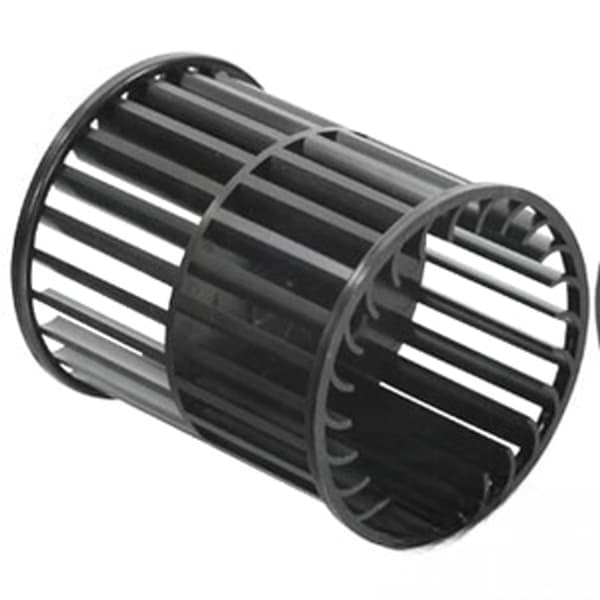
The blower motor, often paired with a blower motor wheel, is responsible for circulating air through the heater core and into the cab. A failing blower motor can result in weak or no heat. Common symptoms include:
- No Airflow: The blower motor doesn't turn on at all.
- Weak Airflow: The blower motor runs, but the airflow is weak.
- Noisy Operation: Grinding, squealing, or rattling noises from the blower motor.
- Intermittent Operation: The blower motor works sometimes, but not others.
Blower Motor Maintenance
Regular maintenance can help prolong the life of your blower motor:
- Keep the Cab Clean: Dust and debris can clog the blower motor and reduce its efficiency. Regularly clean the cab interior and the air intake vents.
- Check the Air Filter (if equipped): Some tractors have a cabin air filter that filters the air entering the heating system. Replace this filter regularly according to the manufacturer's recommendations.
- Lubricate the Motor (if applicable): Some older blower motors have oil ports for lubrication. Refer to your tractor's service manual for instructions.
Blower Motor Replacement
If your blower motor is failing, replacement is usually the best option. Here's a general guide to replacing a blower motor:
- Disconnect the Battery: Always disconnect the negative battery cable before working on electrical components.
- Locate the Blower Motor: The blower motor is typically located behind the dashboard or under the cab roof. Refer to your tractor's service manual for the exact location.
- Remove the Blower Motor: Disconnect the electrical connector and remove any screws or fasteners holding the blower motor in place.
- Install the New Blower Motor: Install the new blower motor in the reverse order of removal. Ensure the electrical connector is securely attached.
- Reconnect the Battery: Reconnect the negative battery cable.
- Test the Heater: Turn on the tractor and test the heater to ensure the new blower motor is working properly.
Madison Tractor Company carries a wide selection of blower motors for various tractor brands and models. When ordering, be sure to match the blower motor's specifications (voltage, dimensions, and mounting style) to your tractor. If your old blower motor had multiple speeds controlled by a blower motor resistor, ensure you get the correct replacement. Common replacement part numbers you may encounter include those used by suppliers like Spal and Bosch, so be prepared to cross-reference to your specific tractor OEM number. For instance, some older Massey Ferguson models (like the 135 or 240) use a simple 12V blower motor easily found as a universal replacement.
Troubleshooting Common Heater Problems
Here are some common tractor cab heater problems and their potential solutions:
- No Heat:
- Check Coolant Level: Low coolant can prevent the heater from working. Check the coolant level in the radiator and expansion tank (if equipped). A typical John Deere 4020 radiator capacity is around 4 gallons.
- Check Thermostat: A faulty thermostat can prevent the engine from reaching operating temperature.
- Check Heater Valve: Ensure the heater valve is opening properly.
- Check Heater Core: A clogged heater core can restrict coolant flow. Flush the heater core with a garden hose to remove any debris. Be sure to follow proper disposal procedures for used coolant.
- Check Blower Motor: Ensure the blower motor is working properly.
- Weak Heat:
- Check Coolant Level: Low coolant can also cause weak heat.
- Check Heater Core: A partially clogged heater core can reduce heat output.
- Check Blower Motor: A weak blower motor can reduce airflow.
- Check Heater Hoses: Kinked or collapsed heater hoses can restrict coolant flow.
- Overheating:
- Check Radiator: A clogged radiator can cause the engine to overheat, which can affect heater performance. Consider replacing the radiator if it is beyond cleaning.
- Check Water Pump: A failing water pump can reduce coolant flow, leading to overheating and poor heater performance. A common symptom is a squealing noise.
- Check Coolant Mixture: Ensure the coolant mixture is correct (typically 50/50 water and antifreeze).
Safety Precautions
- Always disconnect the battery before working on electrical components.
- Allow the engine to cool down before working on the cooling system. Hot coolant can cause severe burns.
- Wear safety glasses when working on the cooling system or handling coolant.
- Dispose of used coolant properly. Do not pour it down the drain or onto the ground.
Remember that a comfortable operator is a more productive operator. Maintaining your tractor's cab heating system contributes directly to your efficiency and safety in the field. Don't forget to also consider other aspects of operator comfort, such as a comfortable John Deere tractor seat or a universal tractor seat, especially if you spend long hours in the cab.
Shop Tractor Parts at Madison Tractor Company
Madison Tractor Company is your trusted source for high-quality tractor parts and accessories. We carry a wide selection of parts for all major brands, including John Deere, Case IH, Ford, New Holland, Massey Ferguson, and Kubota. Whether you need a new blower motor, a heater core, or any other tractor part, we have you covered. Browse our online catalog or contact our knowledgeable team for assistance. We offer a comprehensive range of parts including radiators, water pumps, starters, and much more. Keep your tractor running smoothly with Madison Tractor Company! You can also use our AI-Powered Part Finder to search for parts by your specific make and model.
Part of our comprehensive guide
Tractor Seat Replacement Guide: Find the Right Seat for Your Tractor