








John Deere Tractor AC Compressor: Part Numbers & R134a
Keep your John Deere tractor cab cool with this comprehensive guide to AC compressors. Find part numbers, conversion tips for R134a refrigerant, and troubleshooting advice to stay comfortable in the field.
Keeping Cool in the Field: Your John Deere AC compressor
Working in the field can be tough, especially during the hot summer months. A properly functioning air conditioning system in your John Deere tractor is crucial for operator comfort and productivity. This guide will walk you through understanding your John Deere AC compressor, finding the right part, considering an R134a refrigerant conversion basic troubleshooting. We'll also touch on related aspects of cab comfort, like ensuring you have a comfortable and supportive John Deere tractor seat.
Recommended Parts for This Guide
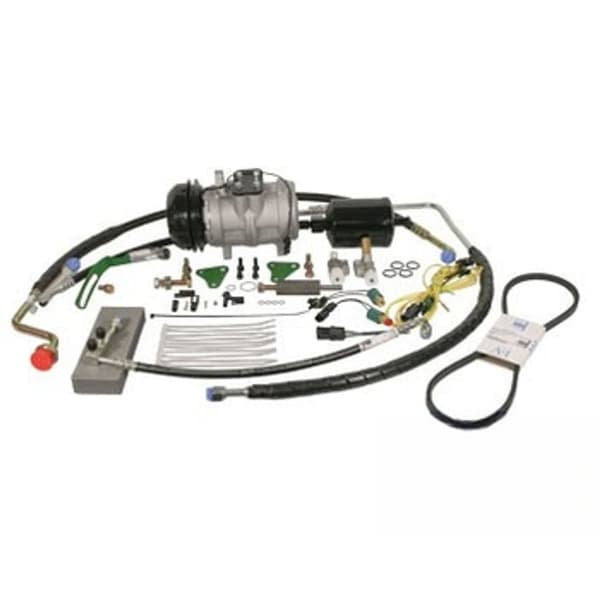
1 part we recommend — in stock, ships fast, one-click add to cart.
🔍 Looking for a specific part? Try our AI Part Finder — tell it your equipment and what you need, and it will find matching parts instantly.
Understanding Your John Deere AC Compressor
The AC compressor is the heart of your tractor's air conditioning system. Its primary function is to compress the refrigerant (typically R12 or R134a) and circulate it throughout the system. A failing compressor can lead to poor cooling performance or a complete lack of cold air.
Here's a simplified overview of how it works
- Suction The compressor draws in low-pressure, gaseous refrigerant from the evaporator.
- Compression The compressor compresses the refrigerant, increasing its pressure and temperature.
- Discharge The high-pressure, high-temperature refrigerant is discharged to the condenser.
Common signs of a failing AC compressor
- Weak or no cold air coming from the vents.
- Unusual noises coming from the compressor (grinding, squealing).
- Clutch slippage (the compressor clutch isn't engaging properly).
- Refrigerant leaks.
Finding the Right John Deere AC Compressor Part
Identifying the correct AC compressor for your John Deere tractor is crucial. Using the wrong part can lead to compatibility issues and potential damage. Here's how to find the right one
1. Identify Your Tractor Model and Year
This is the most important step. Knowing the exact model and year of your tractor will significantly narrow down your search. For example, a John Deere 4020 from 1964 will have a different compressor than a John Deere 7830 from 2008. We carry parts for a wide range of John Deere models, along with those for Case IH, Ford, New Holland, Massey Ferguson, Kubota many other brands.
2. Check the Original Part Number
If possible, locate the original part number on the existing compressor. This is the most reliable way to ensure you get the correct replacement. The part number might be stamped on the compressor housing or listed in your tractor's parts manual.
- A-4333459: Fits 200LC, 230LC, 230LCRD, 270LC, 370 and more. Replacement: 4333459
- AT215510: Fits 200LC, 230LC, 230LCRD, 270LC, 370 and more. Replacement: 4333459
- 4350336: Fits 200LC, 230LC, 230LCRD, 270LC, 370 and more. Replacement: 4333459
- A-4436025: Fits 120C, 180CW, 450CLC, 450DLC, 600CLC and more. Replacement: 4436025
- SE502087: Fits 120C, 180CW, 450CLC, 450DLC, 600CLC and more. Replacement: 4436025
- TH4436025: Fits 120C, 180CW, 450CLC, 450DLC, 600CLC and more. Replacement: 4436025
- 4431081: Fits 120C, 180CW, 450CLC, 450DLC, 600CLC and more. Replacement: 4436025
- AH85847: Fits 7700, BEARCAT I, COUGAR II, PANTHER II, SUPER WILDCAT I and more. Replacement: 600-281
3. Consult the John Deere Parts Catalog
John Deere offers online parts catalogs that allow you to search for parts based on your tractor's model number. These catalogs provide detailed diagrams and part numbers.
4. Cross-Reference Aftermarket Part Numbers
If you can't find the original part number, you can use aftermarket part number cross-reference tools. These tools allow you to enter the specifications of your existing compressor (voltage, clutch type, etc.) to find compatible aftermarket replacements. At Madison Tractor, we can help you cross-reference parts across different brands like Denso, Sanden Seltec, which are common AC compressor manufacturers.
Here are some example John Deere AC compressor part numbers (always verify compatibility with your specific model)
Remember to also check for related components when replacing your compressor, such as radiators to ensure optimal cooling system performance.
- A-4333459: Fits 200LC, 230LC, 230LCRD, 270LC, 370 and more. Replacement: 4333459
- AT215510: Fits 200LC, 230LC, 230LCRD, 270LC, 370 and more. Replacement: 4333459
- 4350336: Fits 200LC, 230LC, 230LCRD, 270LC, 370 and more. Replacement: 4333459
- A-4436025: Fits 120C, 180CW, 450CLC, 450DLC, 600CLC and more. Replacement: 4436025
- SE502087: Fits 120C, 180CW, 450CLC, 450DLC, 600CLC and more. Replacement: 4436025
- TH4436025: Fits 120C, 180CW, 450CLC, 450DLC, 600CLC and more. Replacement: 4436025
- 4431081: Fits 120C, 180CW, 450CLC, 450DLC, 600CLC and more. Replacement: 4436025
- AH85847: Fits 7700, BEARCAT I, COUGAR II, PANTHER II, SUPER WILDCAT I and more. Replacement: 600-281
R134a Refrigerant Conversion
Many older John Deere tractors used R12 refrigerant, which is now phased out due to its environmental impact. Converting your system to R134a is a common and often necessary upgrade. Here's what you need to know
1. Is Conversion Necessary?
If your system requires a refrigerant recharge and you can't easily source R12, conversion is generally the best option. Attempting to charge an R12 system with R134a without proper conversion can damage the system.
2. Conversion Components
A proper R134a conversion typically involves
- R134a refrigerant The new refrigerant.
- Conversion fittings Adapters to connect R134a charging hoses to the R12 ports.
- Ester oil or PAG oil Compatible lubricant for the R134a refrigerant. (Choosing the correct oil is crucial, as mineral oil used with R12 is incompatible with R134a and can damage the compressor.)
- Receiver drier/accumulator Replacing this component is highly recommended, as it removes moisture from the system.
- Orifice tube/expansion valve Consider replacing this component to optimize system performance with R134a.
3. Conversion Procedure
- Recover any remaining R12 refrigerant This must be done by a certified technician.
- Flush the system Clean the system to remove any residual mineral oil.
- Replace components Install the new receiver drier/accumulator and orifice tube/expansion valve (if replacing).
- Install conversion fittings Attach the adapters to the charging ports.
- Add the correct oil Use the appropriate type and amount of oil recommended for R134a.
- Charge the system with R134a Follow the manufacturer's recommended charging procedure and refrigerant amount.
Important Safety Warning Working with refrigerants can be dangerous. Always wear appropriate safety gear (gloves, eye protection) and follow all safety precautions. Consider having a qualified technician perform the conversion.
Troubleshooting Your John Deere AC System
Before replacing the compressor, there are several other components to check in your AC system. Checking these first may save you money and time.
- Check the Belts Inspect the AC compressor drive belt for wear, cracks, or looseness. A worn or loose belt can cause the compressor clutch to slip.
- Inspect the Clutch The compressor clutch engages and disengages the compressor pulley. Check for proper engagement and disengagement. A multimeter can be used to test the clutch coil.
- Inspect the Condenser A clogged condenser will not allow the refrigerant to cool properly. Inspect the condenser for debris and clean it as needed.
- Check Refrigerant Levels Low refrigerant levels are a common cause of AC problems. Have a qualified technician check the refrigerant level and add more if necessary. Also look for signs of leaks - refrigerant oil is often visible near leak points.
- Electrical System Make sure the electrical connections to the compressor clutch are clean and tight. Check fuses and relays related to the AC system.
Remember to maintain other essential tractor parts like water pumps and regularly replace filters to keep the engine running cool and efficient, which also impacts the AC system's performance.
Tips for Maintaining Your John Deere AC System
Proper maintenance can extend the life of your AC system and prevent costly repairs
- Regularly inspect the system Check for leaks, loose belts unusual noises.
- Clean the condenser Keep the condenser free of dirt, debris obstructions.
- Run the AC periodically Even during the off-season, run the AC for a few minutes each month to keep the compressor lubricated.
- Consider a professional service Have a qualified technician service your AC system annually to check refrigerant levels, inspect components perform necessary maintenance.
Also, remember that operator comfort extends beyond just the AC system. A quality tractor seat suspension and a comfortable tractor seat cushion can significantly improve your experience during long hours in the field. We offer various options for universal tractor seats that fit many brands like Allis Chalmers, Deutz, International Harvester, Oliver, White, Gleaner, Vermeer, Hesston, Mahindra Zetor.
Shop John Deere Parts at Madison Tractor
At Madison Tractor Company, we understand the importance of keeping your equipment running smoothly. We offer a wide selection of John Deere AC compressors, along with other parts like starters, alternators, hydraulic pumps, clutch kits, PTO parts, fuel pumps, fuel filters and more. Our knowledgeable staff can help you find the right parts for your John Deere tractor or other farm machinery. Browse our online catalog or contact us today for assistance!
🔍 Can't Find Your Part?
Use our AI-Powered Part Finder to search by your equipment's make, model, and what you need. It's the fastest way to find the exact part for your machine.
Try the Part Finder →Part of our comprehensive guide
Tractor Seat Replacement Guide: Find the Right Seat for Your Tractor