








Ford Tractor Steering Wheel: 2000-4000 Series
This guide focuses on Ford 2000-4000 series tractor steering wheels, covering common problems, repair strategies, and replacement options. Maintain optimal control and comfort in your vintage Ford tractor.
Introduction to Ford 2000-4000 Series Steering Wheels
The Ford 2000, 3000, and 4000 series tractors were workhorses of their time, and many are still in active service today. A well-functioning ford tractor steering wheel is crucial for safe and efficient operation. Over time, wear and tear can lead to play, looseness, or even complete failure of the steering system. This guide will walk you through common issues, troubleshooting steps, and replacement options specific to these Ford models.
Recommended Parts for This Guide
3 parts we recommend — in stock, ships fast, one-click add to cart.
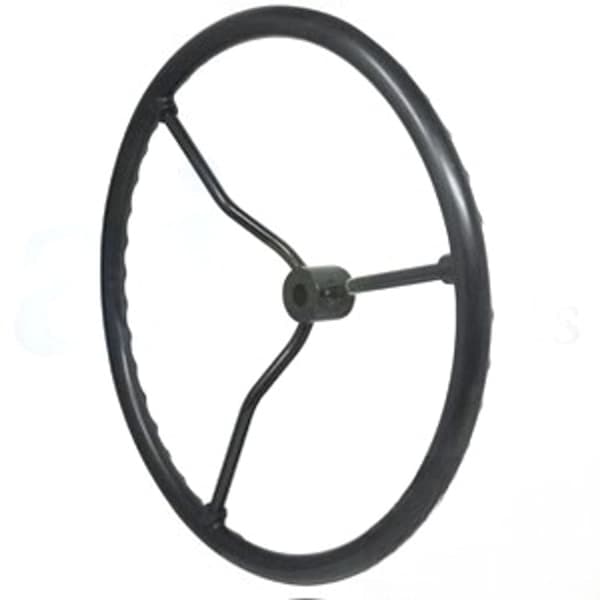
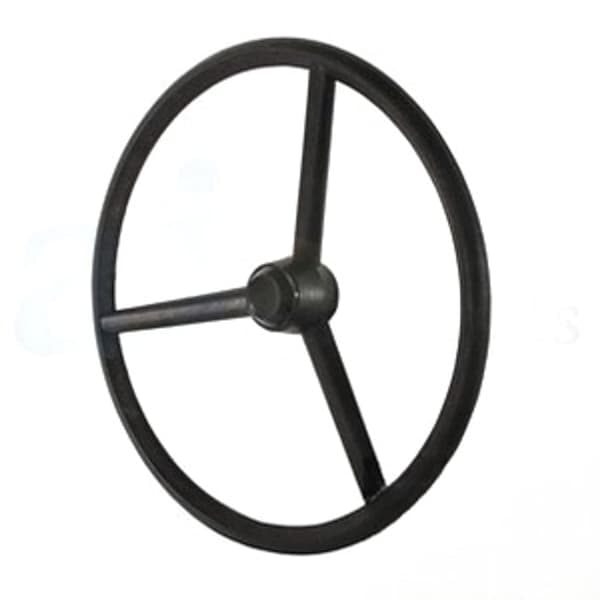
🔍 Looking for a specific part? Try our AI Part Finder — tell it your equipment and what you need, and it will find matching parts instantly.
Beyond just the steering wheel itself, we'll touch on related components that contribute to overall operator comfort, a topic closely related to tractor seats and cab. Remember that your comfort and control directly impact your productivity and safety. Just like a comfortable Ford tractor seat, a responsive steering system ensures long hours in the field don't take an unnecessary toll.
Common Steering Wheel Problems in Ford 2000-4000 Tractors
Here are some of the most frequent issues encountered with the steering wheels in these classic Ford tractors:
- Excessive Play: Too much free movement before the wheels respond. This can be caused by wear in the steering box, tie rod ends, or other components.
- Stiff Steering: Difficulty turning the wheel, requiring excessive force. This could be due to lack of lubrication, a binding steering box, or hydraulic issues in power steering models.
- Steering Wheel Wobble: Vibration or shaking of the steering wheel, often at certain speeds. This is frequently a sign of worn bearings or loose connections.
- Cracked or Broken Steering Wheel: Physical damage to the wheel itself, making it uncomfortable and potentially unsafe to grip. Consider replacing it with a new steering wheel.
- Steering Wheel Slipping on the Shaft: The wheel rotates freely on the steering shaft without turning the front wheels. This is usually caused by a stripped keyway or damaged splines.
Troubleshooting Your Ford tractor steering wheel
Before replacing parts, try these troubleshooting steps:
- Visual Inspection: Carefully examine the steering wheel, steering shaft, tie rod ends, and steering box for signs of damage, wear, or looseness. Look for cracks, bent components, or excessive rust.
- Check for Lubrication: Ensure all grease fittings in the steering linkage are properly lubricated. Use a good quality grease. Often, stiff steering is due to a lack of lubrication.
- Steering Box Adjustment: Many steering boxes have an adjustment screw to reduce play. Consult your tractor's service manual for the correct procedure. Overtightening can cause damage, so proceed carefully.
- Inspect Tie Rod Ends: Check for play in the tie rod ends. If they are loose, they will need to be replaced.
- Power Steering System Check (if applicable): Verify the power steering pump is functioning correctly and the hydraulic fluid level is adequate. Air in the system can also cause problems.
Steering Wheel Replacement: A Step-by-Step Guide
If your ford tractor steering wheel is damaged beyond repair, here's how to replace it:
Safety First! Disconnect the battery's negative terminal before starting any work on the steering system. Wear safety glasses and gloves.
- Remove the Steering Wheel Nut: Locate the nut in the center of the steering wheel. Use a socket wrench to loosen and remove it.
- Use a Steering Wheel Puller: A steering wheel puller is essential to remove the wheel without damaging the steering shaft. Attach the puller to the wheel according to the manufacturer's instructions. Gradually tighten the puller to separate the wheel from the shaft. Do not hammer on the steering shaft, as this can damage the steering box.
- Install the New Steering Wheel: Align the new steering wheel with the steering shaft. Make sure it is properly seated.
- Reinstall the Steering Wheel Nut: Tighten the steering wheel nut to the manufacturer's specified torque. Consult your tractor's service manual for the correct torque specification. A typical torque spec is around 35-45 ft-lbs, but this can vary.
- Reconnect the Battery: Reconnect the battery's negative terminal.
Important Considerations:
- Steering Wheel Diameter: Choose a replacement steering wheel with the same diameter as the original. A different diameter can affect steering effort and feel.
- Steering Shaft Splines: Ensure the replacement steering wheel has the correct spline count to match your tractor's steering shaft.
Other Steering System Components and Related Repairs
The steering wheel is just one part of a larger system. When addressing steering issues, consider these other components:
- Steering Box: The steering box translates the rotation of the steering wheel into linear motion to turn the wheels. Common problems include worn gears, loose bearings, and leaking seals. Replacing or rebuilding the steering box may be necessary. Consider components like the steering box drop arm or a dust seal if yours are worn.
- Tie Rod Ends: These connect the steering linkage to the front wheels. Worn tie rod ends cause play and can affect steering accuracy. Replacing them is a relatively simple task. You may also need to inspect your front wheel seals for wear.
- Drag Link: Connects the steering box to the steering arm. Ensure it is not bent or damaged.
- Steering Arms: These connect the tie rod ends to the spindles. Ensure they are securely attached and not damaged.
- Power Steering Pump and Cylinder (if applicable): Issues with the pump or cylinder can cause stiff steering or a lack of power assist. Check for leaks and proper operation.
OEM vs. Aftermarket Steering Wheels
When replacing your ford tractor steering wheel, you have the option of choosing an OEM (Original Equipment Manufacturer) part or an aftermarket part.
- OEM Steering Wheels: You can find specific steering wheel options like the D6NN3600B or the 8N3600 steering wheel.
- Aftermarket Steering Wheels: These are made by third-party manufacturers. They can be a more affordable option but may not always match the quality or fit of OEM parts. Look for reputable brands and read reviews before purchasing.
Madison Tractor Company offers a wide selection of both OEM and aftermarket parts for Ford tractors, as well as other brands like John Deere, Case IH, New Holland, Massey Ferguson, and Kubota. We also stock a variety of universal tractor seats, allowing you to increase your comfort while operating your tractor.
Additional Tips for Maintaining Your Steering System
- Regular Lubrication: Keep all grease fittings properly lubricated.
- Check Tire Pressure: Proper tire pressure is essential for good steering.
- Avoid Overloading the Front End: Excessive weight on the front of the tractor can strain the steering system.
- Inspect Regularly: Regularly inspect all steering components for wear and damage.
Don't forget about other key maintenance items like checking your radiator for leaks, ensuring your water pump is functioning correctly, and inspecting your air filters or hydraulic filters for cleanliness. A well-maintained tractor will provide years of reliable service.
Find Your Ford Tractor Steering Wheel and More at Madison Tractor
At Madison Tractor Company, we understand the importance of keeping your equipment running smoothly. We offer a wide selection of parts for Ford tractors, including ford tractor steering wheels, steering boxes, tie rod ends, and more. Whether you need a new fuel pump, clutch kit, or even just a comfortable tractor seat cushion, we've got you covered. We carry parts for many makes and models including Allis Chalmers, Deutz, International Harvester, Oliver, White, Gleaner, Vermeer, Hesston, Mahindra, and Zetor. Browse our online catalog or contact our knowledgeable staff for assistance in finding the right parts for your needs. We're committed to providing quality parts at competitive prices, so you can get back to work quickly and efficiently. Shop our selection of Ford tractor parts today!
🔍 Can't Find Your Part?
Use our AI-Powered Part Finder to search by your equipment's make, model, and what you need. It's the fastest way to find the exact part for your machine.
Try the Part Finder →Part of our comprehensive guide
Tractor Seat Replacement Guide: Find the Right Seat for Your Tractor