








Tractor Cab Door Latch & Handle Replacement
A faulty tractor door latch can make getting in and out of your cab a real hassle. This guide walks you through the replacement process, so you can keep your equipment running smoothly.
Introduction
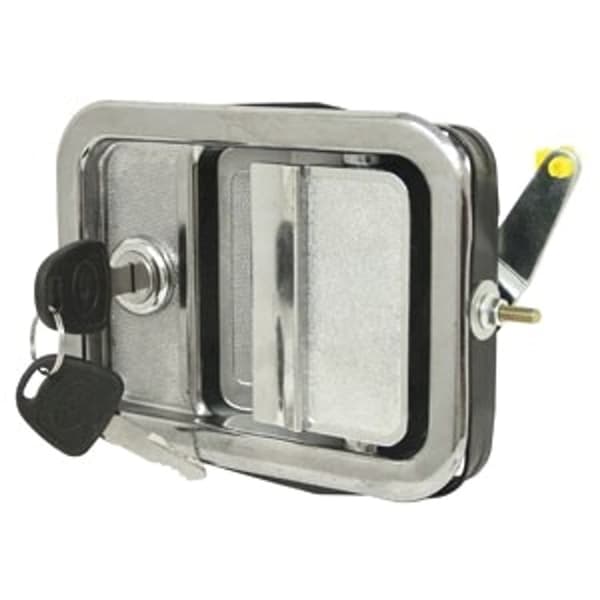
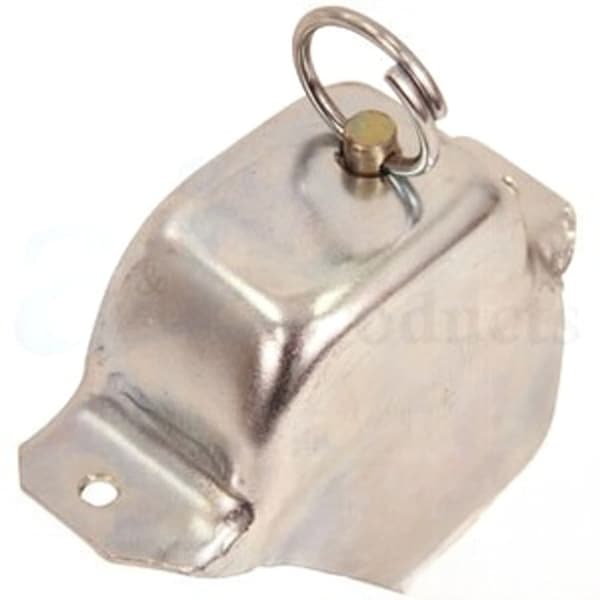
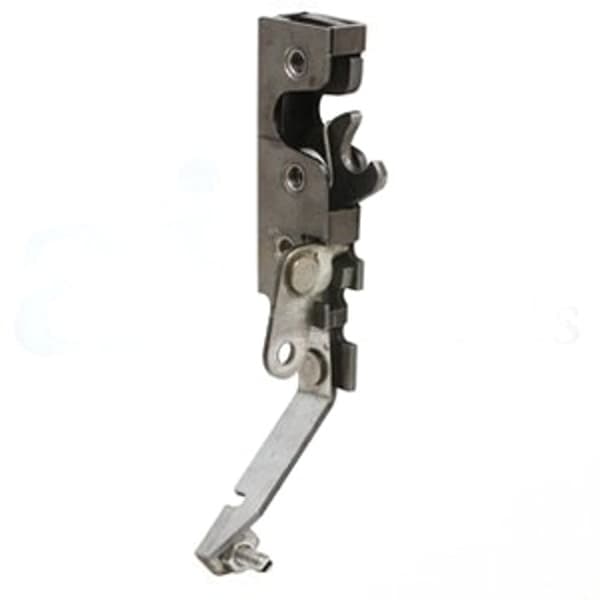
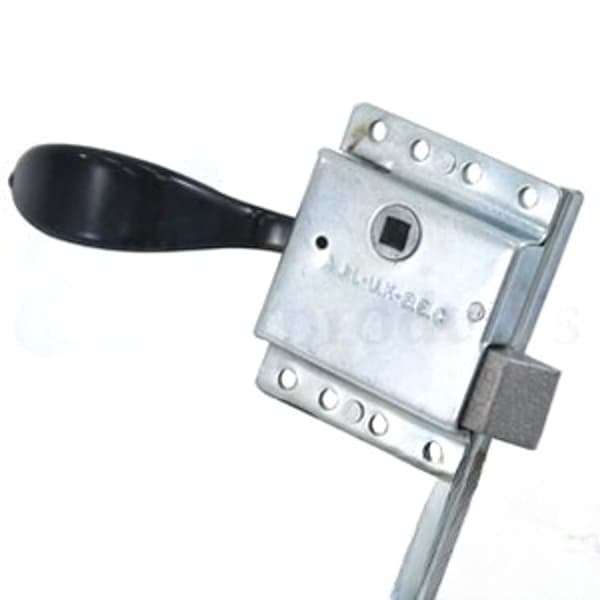
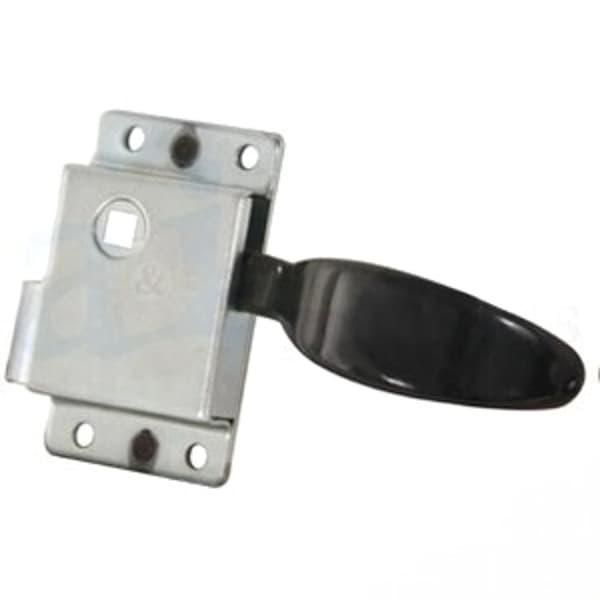
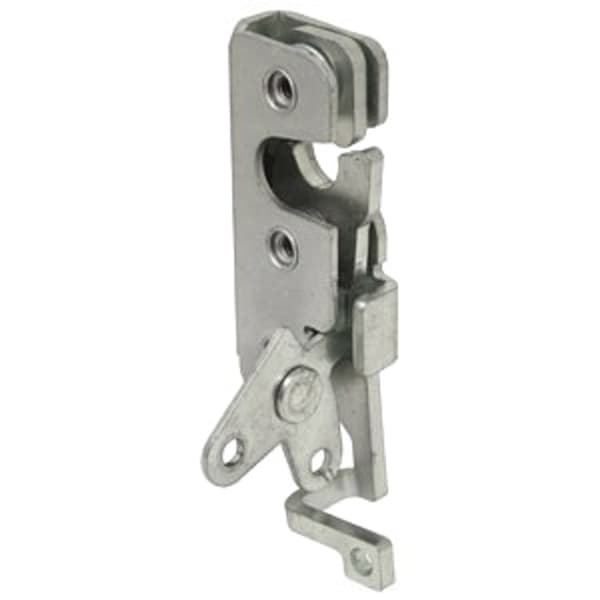
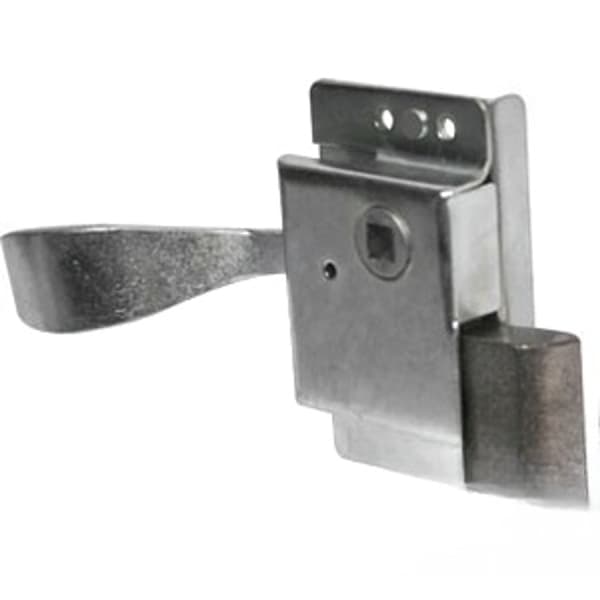
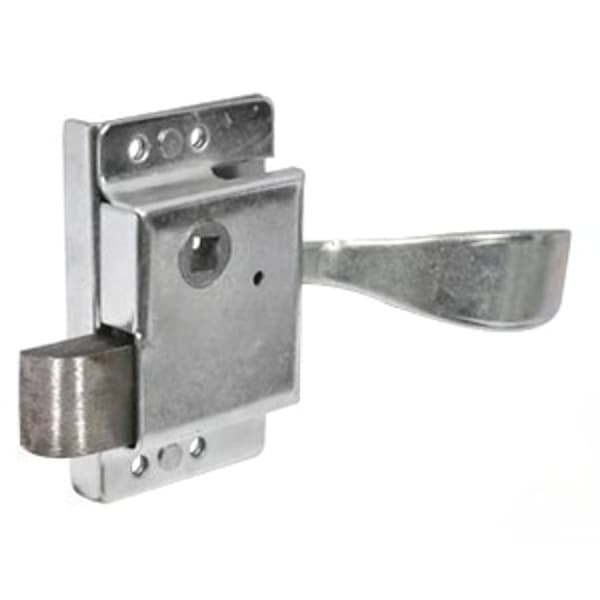
A properly functioning tractor cab door is essential for operator comfort and safety. A sticky or broken tractor door latch can be frustrating and potentially dangerous, especially in dusty or inclement weather. Replacing a worn or broken latch or 8 parts we recommend — in stock, ships fast, one-click add to cart. 🔍 Looking for a specific part? Try our AI Part Finder — tell it your equipment and what you need, and it will find matching parts instantly. Before starting any repair, always consult your tractor's service manual for specific instructions and safety precautions related to your particular model. Many manufacturers like John Deere, Case IH, Ford/New Holland, Massey Ferguson, and Kubota have slightly different latch designs. Before jumping into a replacement, take a moment to diagnose the issue. Common problems with tractor door latches include: Sometimes, a simple cleaning and lubrication with a penetrating oil or grease can resolve sticking issues. Inspect the linkage for any obvious signs of damage or misalignment. Gather the necessary tools and materials before you begin. This will save you time and frustration. You'll likely need: Safety First: Before starting any work on your tractor, make sure the engine is off, the parking brake is engaged, and the key is removed. Disconnect the battery to prevent accidental electrical shorts. While the general process is similar, some tractor models have unique latch designs or installation procedures. Here are a few examples: Some older John Deere models, like the 4020 and 3020, use a simple lever-style latch. Newer models, such as the 5000 series, often have more complex mechanisms with internal springs and linkages. When replacing a latch on a John Deere tractor, pay close attention to the orientation of the linkage rods and the position of any springs. Referencing the parts diagram is essential. You can find both OEM John Deere and aftermarket replacement John Deere tractor parts for nearly every model here at Madison Tractor, including radiators, water pumps, starters, and alternators. Case IH tractors, especially the Magnum and Maxxum series, often have door latches that are integrated with the door handle. Replacing the entire assembly is usually the best option. When working on these models, be careful not to damage the door's internal wiring for power windows or locks. Remember to also check your cab filters and tractor seat! Older Ford tractors, like the 8N and 9N, typically have very simple door latches. New Holland models, such as the TN series, often have more modern latches with integrated locking mechanisms. Check for corrosion around the latch mounting points, as this can make removal difficult. Madison Tractor also carries a wide range of parts for Ford/New Holland tractors, including clutch kits, PTO parts, and fuel pumps. Kubota tractors, especially the B, L, and M series, often have compact door latches that can be tricky to access. Use a small socket set and a flashlight to help with the removal and installation process. Don't forget to check your Kubota Tractor Seat while you are fixing your door latch! Regular maintenance can help prevent problems with your tractor door latch. Here are a few tips: Madison Tractor Company carries a wide selection of tractor door latches and handles for all major brands, including John Deere, Case IH, Ford, New Holland, Massey Ferguson, Kubota, Allis Chalmers, Deutz, International Harvester, Oliver, White, Gleaner, Vermeer, Hesston, Mahindra, and Zetor. We also stock a variety of other parts for your tractor, such as tractor seat suspensions, tractor seat cushions, radiators, water pumps, starters, alternators, hydraulic pumps, cylinders, clutch kits, PTO parts, fuel pumps, carburetors, injectors, filters, gaskets, pistons, bearings, seals, belts, chains, concaves, and sickle sections. When ordering a replacement latch, be sure to provide your tractor's make, model, and year to ensure you receive the correct part. You can also cross-reference the part number from your old latch with our online catalog. If you need help finding the right part, our knowledgeable staff is always available to assist you. Replacing a tractor door latch or handle is a manageable repair that can greatly improve your comfort and safety. By following these steps and taking the necessary precautions, you can get your tractor back in top condition. Don't forget to consult your tractor's service manual for specific instructions and safety guidelines. Ready to get your tractor door latch fixed? Shop Madison Tractor Company for a wide selection of replacement parts. We have the parts you need to keep your farm equipment running smoothly. Shop Parts Now! You can also use our AI-Powered Part Finder to search for parts by your specific make and model. Part of our comprehensive guideRecommended Parts for This Guide
Identifying the Problem
Tools and Materials Needed
Step-by-Step Replacement Guide
Specific Tractor Model Considerations
John Deere
Case IH
Ford/New Holland
Kubota
Troubleshooting Tips
Preventative Maintenance
Finding the Right Replacement Parts
Conclusion
On This Page
Related Articles
Tractor Cab Fan: Interior Air Circulation Options
tractor cab fan
Read ArticleJohn Deere Tractor Canopy: ROPS Sunshade Options
john deere tractor canopy
Read ArticleJohn Deere Tractor Seat: OEM & Aftermarket Replacements
john deere tractor seat
Read ArticleTractor Seat Mounting Bracket: Adapter & Switch Kit
tractor seat mounting bracket
Read ArticleTractor Cup Holder & Tool Tray: Cab Organization
tractor cup holder
Read ArticleUniversal Tractor Seat: Fits Most Brands & Models
universal tractor seat
Read Article