🔍 Looking for a specific part? Try our AI Part Finder — tell it your equipment and what you need, and it will find matching parts instantly.
A tractor block heater solves this problem by warming the engine coolant, which in turn heats the engine block and oil. This makes starting much easier, reduces wear and tear, and prolongs the life of your engine. Whether you operate a John Deere, Case IH, Ford, New Holland, Massey Ferguson, Kubota, Allis Chalmers, Deutz, International Harvester, Oliver, White, Gleaner, Vermeer, Hesston, Mahindra, or Zetor, a block heater is a smart investment for reliable cold-weather performance.
Types of Tractor Block Heaters
Several types of tractor block heaters are available, each with its own advantages and disadvantages:
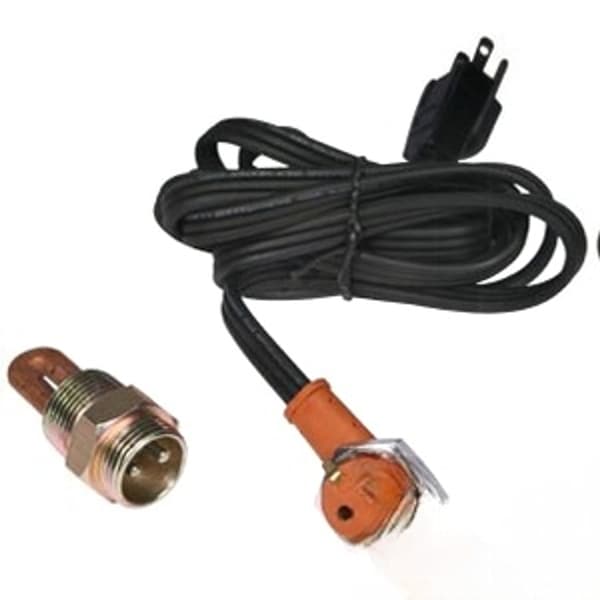
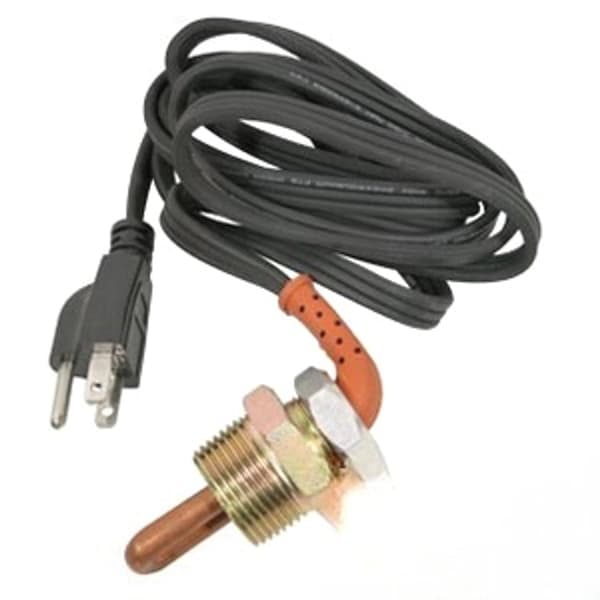
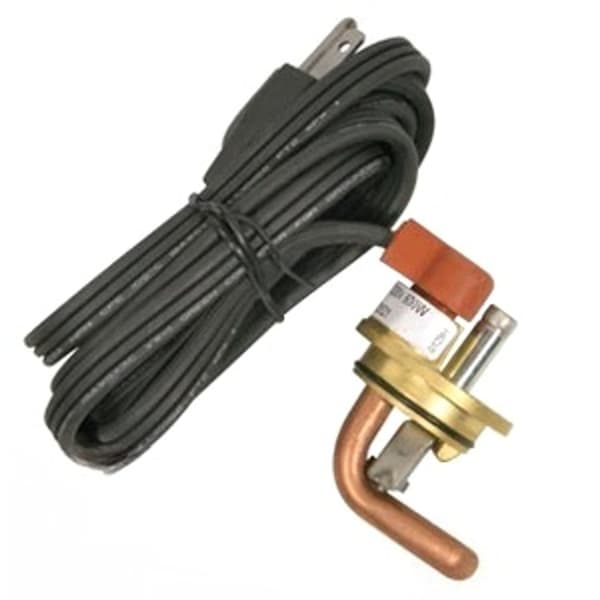
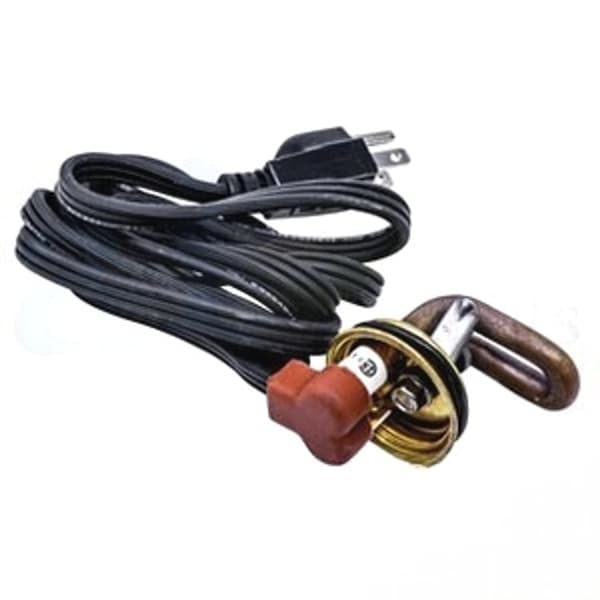
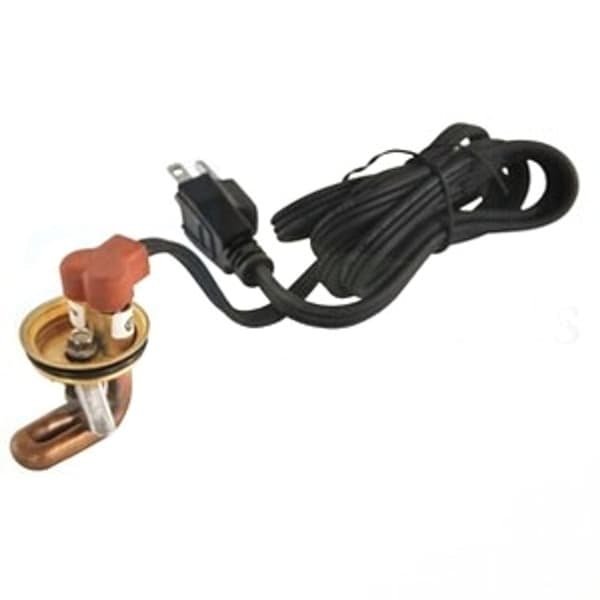
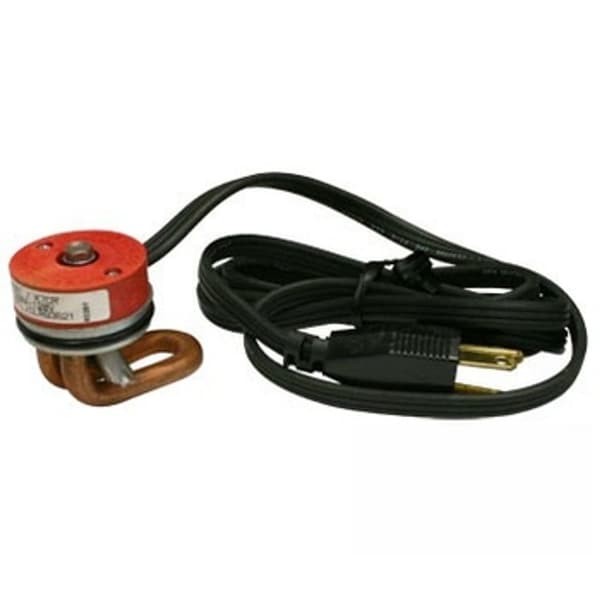
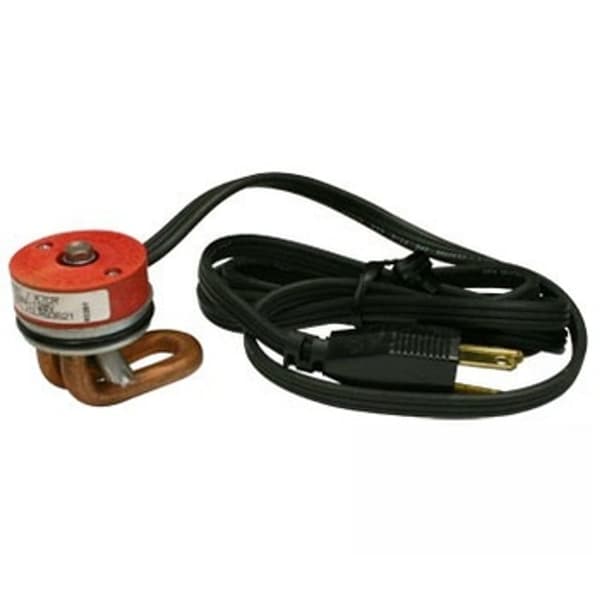
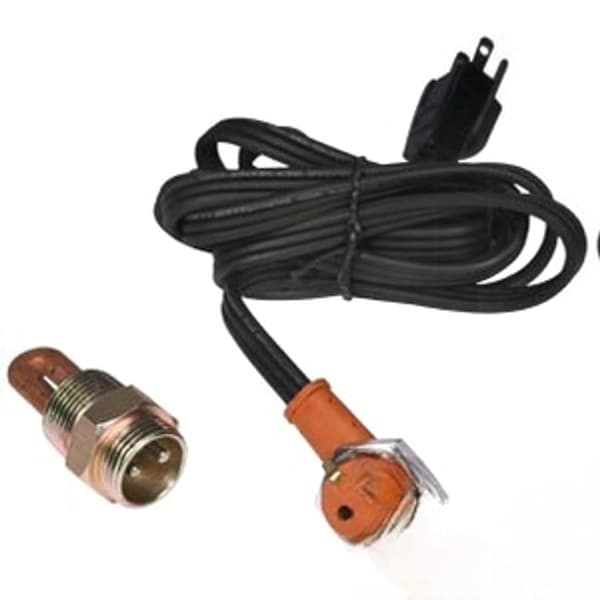
- freeze plug heaters: These are the most common type and replace one of the engine's freeze plugs (also called core plugs). They are immersed directly in the coolant, providing efficient heating.
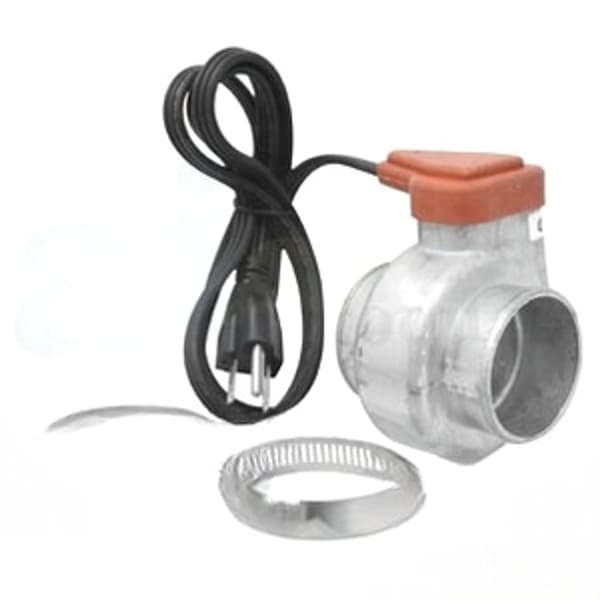
- Lower Radiator Hose Heaters: These heaters are installed in the lower radiator hose and heat the coolant as it circulates. They are generally easier to install than freeze plug heaters but may not be as efficient.
- Oil Pan Heaters: These heaters attach to the oil pan and warm the engine oil directly. They are effective for improving lubrication during cold starts but don't heat the engine block as thoroughly as coolant heaters.
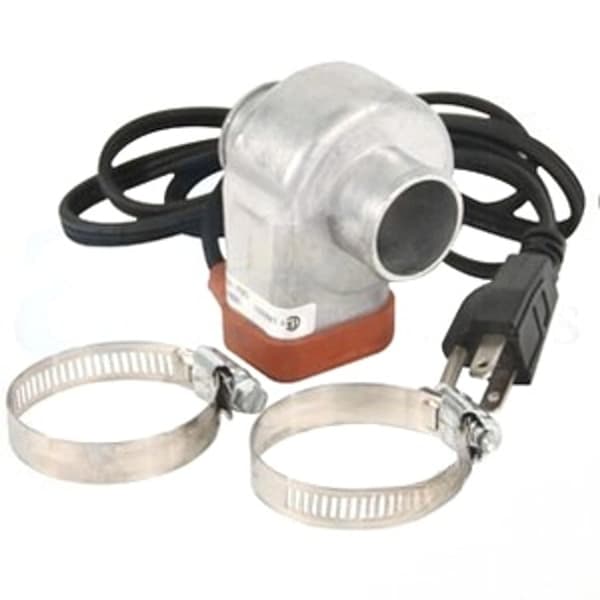
- In-Line Coolant Heaters: These are installed in a coolant hose and have a built-in pump to circulate the coolant for more even heating.
When choosing a block heater, consider the ease of installation, heating efficiency, and compatibility with your tractor model. For many older tractors like the Ford 8N or John Deere Model A, freeze plug heaters are the most common option. Newer models may have specific recommendations in their operator's manual.
Installing a freeze plug block heater requires some mechanical skill. Always consult your tractor's service manual for specific instructions and safety precautions. Here's a general overview:
- Drain the Coolant: Before starting, drain the engine coolant. Dispose of it properly according to local regulations. Coolant often contains ethylene glycol which is toxic.
- Locate a Freeze Plug: Identify a suitable freeze plug on the engine block. Choose one that provides easy access for wiring and won't interfere with other components.
- Remove the Freeze Plug: Use a punch and hammer to tap one side of the freeze plug inward. Once it's tilted, grab it with pliers and remove it completely. Be careful not to damage the engine block.
- Clean the Opening: Thoroughly clean the freeze plug opening with a wire brush to remove any rust or debris.
- Install the Block Heater: Apply sealant to the block heater's gasket or threads (as recommended by the manufacturer). Insert the heater into the opening and tighten it securely using a wrench. Do not overtighten, as this can damage the engine block. A typical torque spec is around 20-30 ft-lbs, but always verify with the heater manufacturer's instructions.
- Connect the Wiring: Connect the heater's wiring to a suitable power source. Ensure the wiring is properly grounded and protected from damage.
- Refill the Coolant: Refill the cooling system with the correct type and amount of coolant. Refer to your tractor's owner's manual for the recommended coolant type and capacity. For example, a John Deere 4020 typically requires around 18 quarts.
- Check for Leaks: Start the engine and check for any coolant leaks around the block heater.
Safety Warning: Always disconnect the battery before working on electrical components. Work in a well-ventilated area when dealing with coolant.
Choosing the Right Block Heater Wattage
The wattage of the block heater determines how quickly and effectively it will heat the engine. Higher wattage heaters heat faster but also consume more electricity. A general rule of thumb is to use a 500-watt heater for smaller engines (under 3 liters) and a 750-1500 watt heater for larger engines. Consult your tractor's service manual or a qualified mechanic for specific recommendations. For example, a John Deere 3020 with a 3.0L engine would likely benefit from a 750-watt heater, while a larger John Deere 4440 with a 7.6L engine may require a 1000-watt or higher heater.
Troubleshooting Block Heater Problems
If your block heater isn't working, here are some common issues and troubleshooting steps:
- No Power: Check the power cord, plug, and electrical outlet. Use a multimeter to verify that power is reaching the heater.
- Heater Not Heating: If the heater is getting power but not heating, the heating element may be burned out. Replace the heater.
- Coolant Leaks: Check for coolant leaks around the heater. Tighten the heater or replace the gasket if necessary. If the threads are damaged in the block, you may need to tap the hole and use a larger heater or a thread repair kit.
- Overheating: Ensure the coolant level is adequate. A low coolant level can cause the heater to overheat and fail. Also, check the thermostat to make sure it's functioning correctly. A faulty thermostat can prevent proper coolant circulation. You can find replacement radiators at Madison Tractor.
Safety Warning: Never touch a block heater while it's plugged in. Always disconnect the power before attempting any repairs.
Extending the Life of Your Block Heater
To ensure your block heater lasts for years to come, follow these tips:
- Use a Timer: Use a timer to turn on the block heater a few hours before you need to start the tractor. This saves energy and prevents the heater from running unnecessarily.
- Inspect Regularly: Periodically inspect the heater for damage or leaks. Replace it if necessary.
- Use the Correct Coolant: Use the type of coolant recommended in your tractor's owner's manual. Using the wrong coolant can cause corrosion and damage the heater.
- Maintain Your Cooling System: Regularly flush and refill your cooling system to prevent buildup of scale and corrosion. Consider replacing the water pump at the same time for preventive maintenance.
Block Heaters and Engine Maintenance
Using a block heater is just one part of maintaining your tractor's engine. Regular maintenance is crucial for preventing major repairs and extending the life of your equipment. Consider the following:
- Oil Changes: Change your engine oil and filter according to the manufacturer's recommendations. This keeps the engine lubricated and prevents wear.
- Air Filter: Regularly check and clean or replace your air filter. A dirty air filter can restrict airflow and reduce engine performance.
- Fuel Filter: Replace your fuel filter regularly to prevent contaminants from reaching the fuel injectors or carburetor.
- Cooling System Flush: Flush and refill your cooling system every few years to prevent corrosion and buildup.
- Check Hoses and Belts: Inspect your hoses and belts for cracks or wear. Replace them as needed to prevent leaks and failures. Don't forget to inspect the alternator belt to ensure that is in good condition and properly adjusted to avoid charging issues.
Addressing these maintenance tasks proactively can help you avoid the need for more extensive repairs down the road. If you do encounter significant engine issues, remember that Madison Tractor Company offers a wide range of John Deere engine rebuild kits, Ford tractor engine rebuild kits, Perkins engine rebuild kits, and Case IH engine rebuild kits to get your tractor back in top condition. We also stock individual components like tractor head gaskets if a full rebuild isn't necessary.
Shop Tractor Parts at Madison Tractor Company
At Madison Tractor Company, we understand the importance of keeping your equipment running smoothly, especially during the harsh winter months. That's why we offer a wide selection of tractor block heaters and other essential parts for all major brands. Whether you need a freeze plug heater for your vintage Allis Chalmers or a lower radiator hose heater for your late-model Kubota, we have you covered. We also carry a complete range of parts for engine maintenance and repair, including filters, gaskets, belts, hoses, and more. Browse our online catalog or contact our knowledgeable staff for assistance in finding the right parts for your needs. Keep your tractor ready for any season with Madison Tractor Company!
🔍 Can't Find Your Part?
Use our AI-Powered Part Finder to search by your equipment's make, model, and what you need. It's the fastest way to find the exact part for your machine.
Try the Part Finder →