








John Deere Tractor Radiator Cap: PSI Ratings & Sizes
Choosing the right John Deere radiator cap is vital for maintaining your tractor's cooling system. This guide covers PSI ratings, sizing, troubleshooting, and replacement options to keep your John Deere running smoothly.
Understanding Your John Deere Radiator Cap
The radiator cap on your John Deere tractor is more than just a lid; it's a crucial component of the cooling system. It maintains pressure within the system, raising the boiling point of the coolant and preventing overheating. A faulty radiator cap can lead to a variety of problems, from minor coolant loss to severe engine damage.
Recommended Parts for This Guide
8 parts we recommend — in stock, ships fast, one-click add to cart.
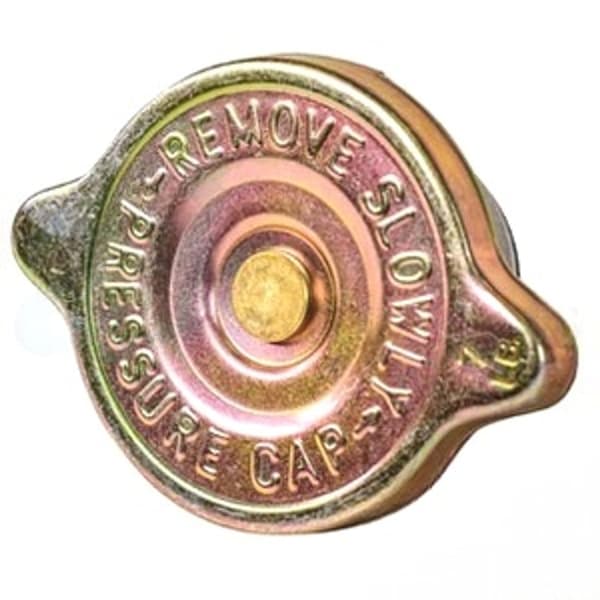
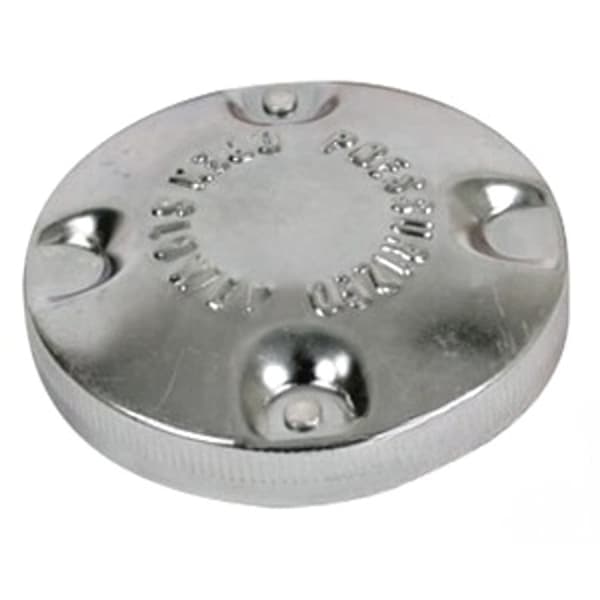
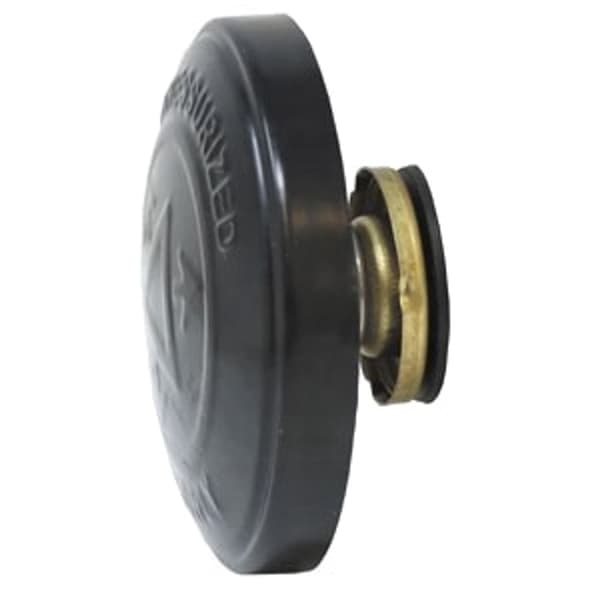
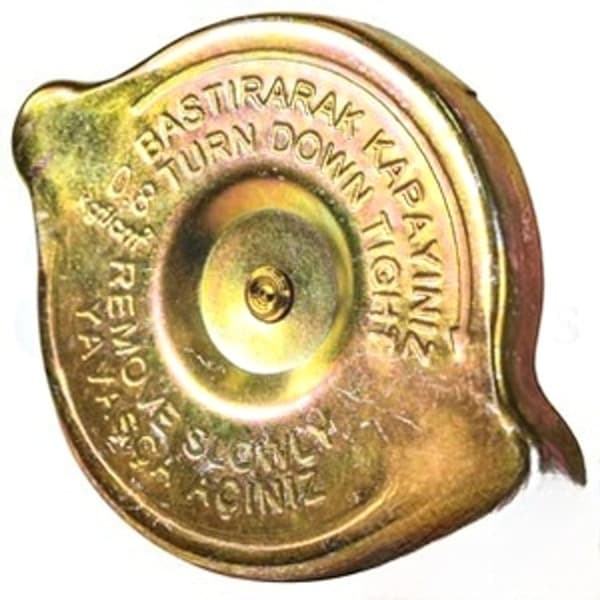
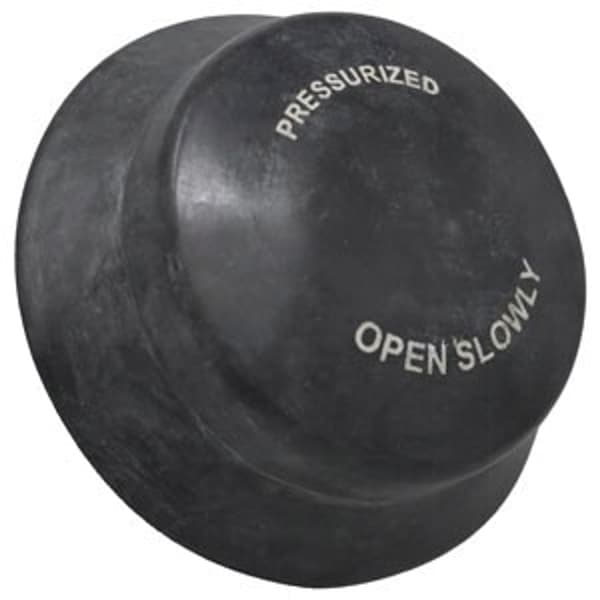
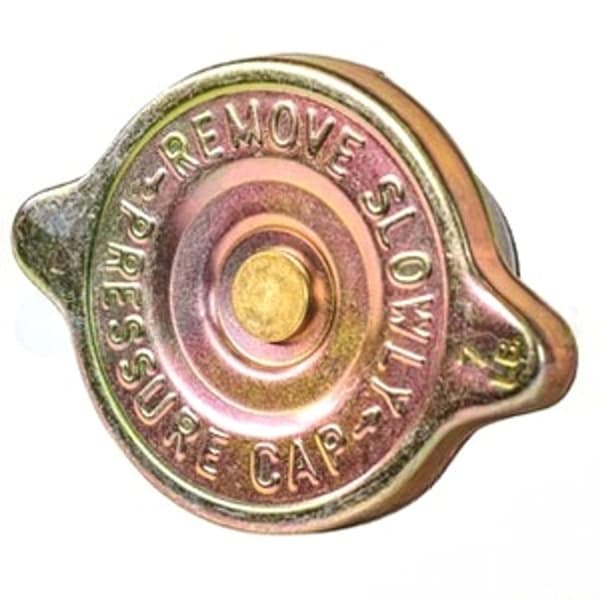
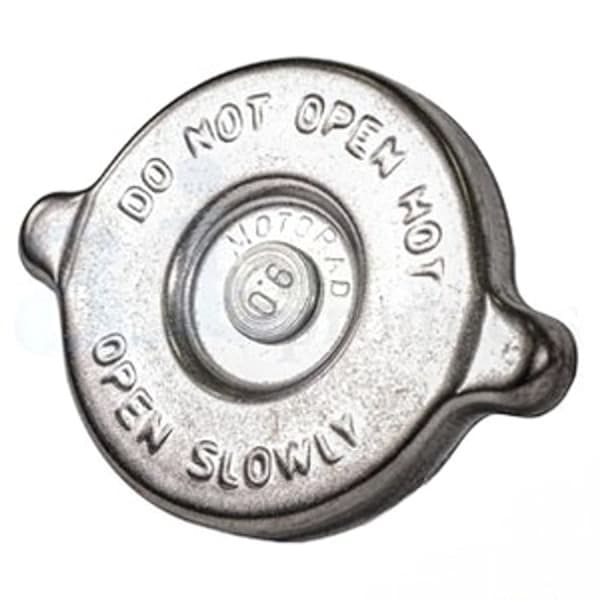
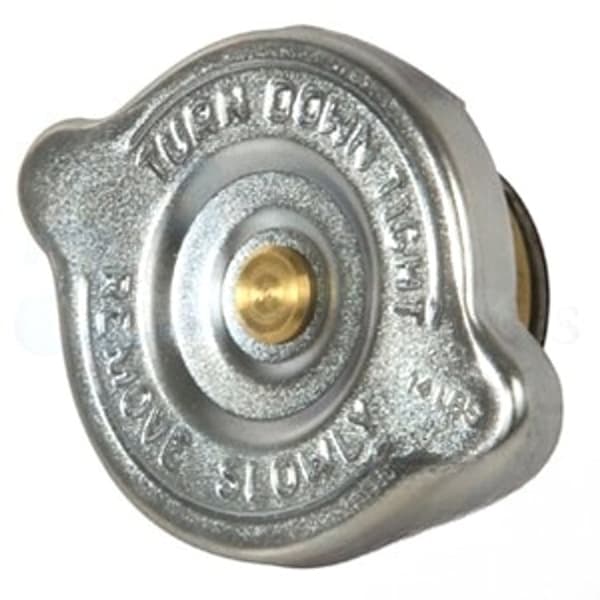
🔍 Looking for a specific part? Try our AI Part Finder — tell it your equipment and what you need, and it will find matching parts instantly.
Here at Madison Tractor Company, we understand the importance of keeping your equipment running smoothly. We carry a wide selection of parts for all major brands, including John Deere, Case IH, Ford, New Holland, Massey Ferguson, Kubota, Allis Chalmers, Deutz, International Harvester, Oliver, White, Gleaner, Vermeer, Hesston, Mahindra, and Zetor. Whether you need a new radiator cap, a water pump, or any other part for your tractor or combine, we're here to help.
How a Radiator Cap Works
Your John Deere radiator cap performs two primary functions:
- Pressure Regulation: The cap is designed to maintain a specific pressure within the cooling system. This pressure increases the boiling point of the coolant, preventing it from turning into steam and reducing cooling efficiency. A typical John Deere radiator cap might have a PSI (pounds per square inch) rating of 7, 10, 13, or 16. Choosing the correct PSI is crucial, as using the wrong rating can damage your cooling system.
- Coolant Recovery: The cap also incorporates a vacuum valve. As the engine cools, the coolant contracts, creating a vacuum. The vacuum valve opens, allowing coolant from the overflow tank to be drawn back into the radiator, keeping the system full and preventing air pockets.
John Deere Radiator Cap PSI Ratings: Choosing the Right One
Selecting the correct PSI rating for your John Deere radiator cap is critical. Using a cap with a lower PSI than specified can lead to coolant boiling over and overheating. Using a cap with a higher PSI can over-pressurize the system, potentially damaging hoses, the radiator itself (see: John Deere Tractor Radiator: OEM Part Numbers by Model), or even the engine block.
How to Determine the Correct PSI:
- Consult Your Operator's Manual: This is the most reliable source for determining the correct PSI rating for your specific John Deere tractor model.
- Check the Old Cap: The PSI rating is usually stamped on the top of the old radiator cap. If the markings are illegible, consult your operator's manual or a parts specialist at Madison Tractor Company.
- Cross-Reference OEM Part Numbers: If you have the OEM part number for your old radiator cap, you can use our online parts lookup tool to find a replacement with the correct PSI rating.
Example PSI Ratings (check your manual for specific models):
- 7 PSI: May be found on older John Deere models.
- 13 PSI: A common rating for many John Deere tractors from the 1970s, 80s, and 90s.
- 16 PSI: Often used on newer, higher-horsepower John Deere tractors.
Radiator Cap Sizes and Dimensions
While PSI rating is the most critical factor, ensuring the radiator cap physically fits your John Deere tractor is equally important. Radiator cap sizes are generally standardized, but variations exist.
- Neck Diameter: Measure the inside diameter of the radiator neck where the cap seals.
- Cap Depth: Ensure the cap is deep enough to engage the sealing surface properly.
- Lever Type: John Deere uses both lever-release and twist-on radiator caps. Make sure you select the correct type for your tractor.
If you are unsure about the correct size or type of radiator cap for your John Deere tractor, our expert parts staff at Madison Tractor Company can help you find the right match. We can cross-reference your tractor model number with our extensive parts database to ensure a perfect fit.
Troubleshooting Radiator Cap Problems
A malfunctioning radiator cap can cause a variety of cooling system issues. Here are some common symptoms to watch out for:
- Overheating: If your tractor is overheating, even with sufficient coolant, a faulty radiator cap may be the culprit.
- Coolant Loss: Coolant leaking from the radiator cap or overflow tank is a sign of a potential problem.
- Collapsing Radiator Hoses: This can indicate a faulty vacuum valve in the radiator cap, preventing coolant from being drawn back into the radiator as the engine cools.
- Low Coolant Light: If your tractor is equipped with a low coolant sensor, a malfunctioning radiator cap can trigger this warning light.
Testing Your Radiator Cap:
While a visual inspection can sometimes reveal obvious damage, the best way to test a radiator cap is with a radiator pressure tester. This tool allows you to apply pressure to the cap and check if it holds the specified PSI. If the cap fails to hold pressure or leaks, it needs to be replaced.
Replacing Your John Deere Radiator Cap
Replacing a radiator cap is a relatively simple task, but it's essential to follow these steps:
- Allow the Engine to Cool: Never attempt to remove the radiator cap while the engine is hot. Hot coolant under pressure can cause severe burns.
- Remove the Old Cap: Slowly twist or lever the old cap off the radiator neck.
- Inspect the Radiator Neck: Check the radiator neck for any signs of corrosion or damage. Clean the sealing surface if necessary.
- Install the New Cap: Lubricate the rubber seal on the new radiator cap with coolant. Carefully align the cap with the radiator neck and twist or lever it into place until it is securely fastened.
- Check the Coolant Level: After replacing the radiator cap, check the coolant level in the radiator and overflow tank. Add coolant as needed to maintain the proper level.
Safety Warning: Always wear safety glasses and gloves when working on your tractor's cooling system. Hot coolant can cause severe burns.
Maintaining Your John Deere Cooling System
While replacing the radiator cap is a simple fix, it's essential to address the underlying cause of the problem. If your radiator cap failed prematurely, it could be a sign of other issues within the cooling system. Consider inspecting the following:
- Radiator: Check for leaks, corrosion, and blockages. Clean the radiator fins to ensure proper airflow. Consider a replacement if needed, especially if it is old or damaged. (See: John Deere Tractor Radiator: OEM Part Numbers by Model for more information.)
- Hoses: Inspect the radiator hoses for cracks, leaks, and swelling. Replace any hoses that are in poor condition.
- Water Pump: Search available parts
- Thermostat: A malfunctioning thermostat can restrict coolant flow and cause overheating. Test the thermostat to ensure it opens and closes properly.
- Coolant: Use the correct type and mixture of coolant for your John Deere tractor. Old or contaminated coolant can corrode the cooling system and reduce its efficiency.
We carry all the parts you need to keep your John Deere cooling system in top condition, including radiators, water pumps, thermostats, hoses, and coolant. We also offer parts for other essential systems on your tractor, such as starters, alternators, hydraulic pumps, cylinders, clutch kits, PTO parts, fuel pumps, carburetors, injectors, filters, gaskets, pistons, bearings, seals, belts, chains, concaves, and sickle sections.
For example, if you're working on a John Deere 4020, a common issue is a worn-out radiator. Replacing it along with the radiator cap and inspecting the water pump can prevent future problems. For other brands, we also carry Case IH tractor radiators, Ford tractor radiators and Massey Ferguson tractor radiators.
Expert Advice from Madison Tractor Company
Our team at Madison Tractor Company is dedicated to providing you with the best possible parts and service. We have years of experience working with agricultural and outdoor power equipment, and we can help you find the right parts for your specific needs.
When replacing your John Deere radiator cap, consider these tips:
- Always use a genuine John Deere or high-quality aftermarket radiator cap that meets or exceeds OEM specifications.
- Inspect the radiator neck and hoses for any signs of damage or corrosion.
- Use a radiator pressure tester to verify the cap's PSI rating and sealing ability.
- Regularly flush and refill your cooling system to prevent corrosion and maintain optimal performance.
For example, when working on a John Deere 3020, using the correct coolant mixture (typically a 50/50 mix of antifreeze and distilled water) is crucial to prevent corrosion and ensure optimal cooling performance. Always consult your operator's manual for specific recommendations.
Shop John Deere Radiator Caps at Madison Tractor Company
Don't let a faulty radiator cap compromise the performance and longevity of your John Deere tractor. Browse our extensive selection of John Deere radiator caps at Madison Tractor Company today to find the perfect replacement. Our knowledgeable parts specialists are always available to answer your questions and help you find the right parts for your specific needs. We offer fast shipping and competitive prices, so you can get your tractor back up and running quickly and affordably.
🔍 Can't Find Your Part?
Use our AI-Powered Part Finder to search by your equipment's make, model, and what you need. It's the fastest way to find the exact part for your machine.
Try the Part Finder →Part of our comprehensive guide
Tractor Radiator Replacement Guide: All Major Brands & Models