








John Deere 3020 Clutch: Synchro Range & Power Shift
A comprehensive guide to John Deere 3020 clutch systems, covering both Synchro Range and Power Shift transmissions. Learn how to diagnose issues and find the right replacement parts to keep your 3020 running smoothly.
Introduction to the John Deere 3020 Clutch System
The John Deere 3020 is a versatile and reliable tractor, but like any machine, the clutch system can experience wear and tear over time. Whether you have a 3020 with a Synchro Range transmission or a Power Shift transmission, understanding the clutch system is crucial for proper maintenance and repair. This guide will help you diagnose common clutch problems and offer advice on replacement parts. We carry a wide range of John Deere tractor parts at Madison Tractor Company, including clutch components.
Recommended Parts for This Guide
2 parts we recommend — in stock, ships fast, one-click add to cart.
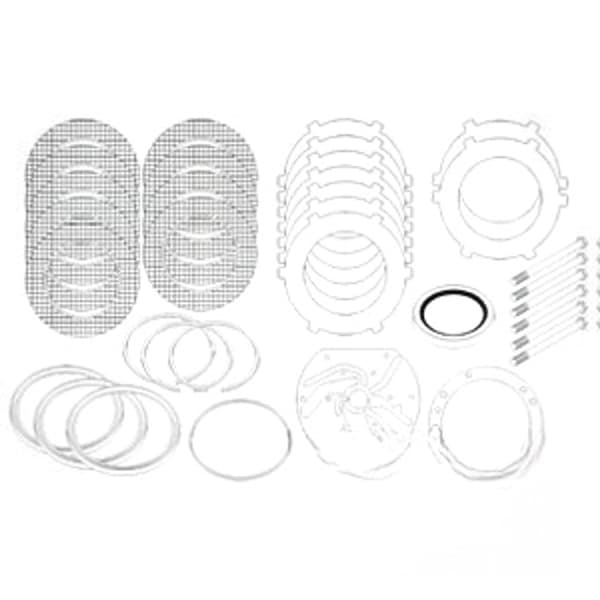
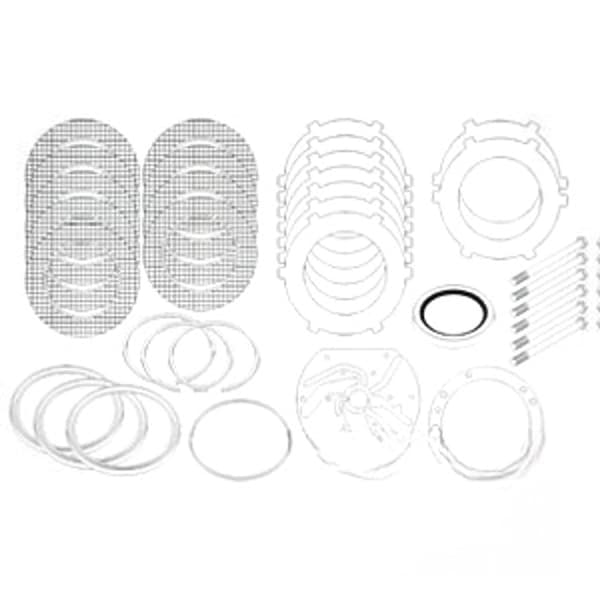
🔍 Looking for a specific part? Try our AI Part Finder — tell it your equipment and what you need, and it will find matching parts instantly.
Remember to always consult your John Deere 3020 service manual before attempting any repairs. Safety is paramount, so disconnect the battery and engage the parking brake before working on your tractor.
At Madison Tractor Company, we understand the importance of keeping your equipment running smoothly. We stock a comprehensive selection of parts for various brands, including John Deere, Case IH, Ford, New Holland, Massey Ferguson, Kubota, Allis Chalmers, Deutz, International Harvester, Oliver, White, Gleaner, Vermeer, Hesston, Mahindra, and Zetor. We also carry common parts like radiators, water pumps, starters, alternators, hydraulic pumps, cylinders, clutch kits, PTO parts, fuel pumps, carburetors, injectors, filters, gaskets, pistons, bearings, seals, belts, chains, concaves, and sickle sections.
John Deere 3020 Synchro Range Clutch System
The Synchro Range transmission in the John Deere 3020 utilizes a traditional two-stage clutch. The first stage stops the tractor, and the second stage disengages the PTO. This setup allows you to shift gears without completely stopping the PTO-driven implements. A failing tractor throw out bearing can contribute to difficult clutch operation and eventual failure. The main clutch lever also plays a critical role in the operation of this system.
Common Synchro Range Clutch Problems
- Clutch Slippage: This occurs when the clutch disc cannot effectively transfer power from the engine to the transmission. Symptoms include a lack of power, engine revving without increased speed, and a burning smell. Slippage is often caused by a worn clutch disc or a weakened pressure plate.
- Clutch Drag: Clutch drag happens when the clutch fails to fully disengage, making it difficult to shift gears. This can be caused by a warped clutch disc, improper clutch linkage adjustment, or a damaged pilot bearing.
- Clutch Chatter: Chatter is characterized by a vibrating or jerky engagement of the clutch. This may indicate a worn or contaminated clutch disc, loose engine mounts, or a worn flywheel surface.
- Hard Shifting: Difficulty shifting gears can be attributed to several factors, including clutch drag, worn synchronizers in the transmission, or improper clutch adjustment.
Synchro Range Clutch Adjustment
Proper clutch linkage adjustment is critical for optimal performance. Follow these steps:
- Free Play: Check the free play in the clutch pedal. It should typically be around 1 inch to 1.5 inches. Refer to your service manual for the exact specification for your 3020 model.
- Adjusting the Linkage: Use the adjusting rod or clevis on the clutch linkage to increase or decrease the free play. Loosen the locknuts and turn the rod until the correct free play is achieved. Tighten the locknuts securely.
- Second Stage Adjustment: If your 3020 has an independent PTO, there may be a second adjustment point for the PTO clutch. Consult your service manual for the specific procedure.
Consider purchasing a complete John Deere tractor clutch kit, which typically includes the clutch disc, pressure plate, release bearing, and pilot bearing. This ensures all components are properly matched and replaced at the same time.
Synchro Range Clutch Replacement
Replacing the clutch in a Synchro Range 3020 involves separating the engine from the transmission. Here’s a simplified overview:
- Disconnect: Disconnect the battery and all necessary lines (fuel, electrical, hydraulic).
- Support: Properly support both the engine and the transmission.
- Separate: Separate the engine and transmission housings.
- Remove: Remove the old clutch components (disc, pressure plate, release bearing, pilot bearing). You will also want to check the condition of the inner clutch plate spring and outer clutch plate spring.
- Inspect: Inspect the flywheel surface for wear or damage. Reface or replace the flywheel as needed.
- Install: Install the new clutch components, ensuring proper alignment using an alignment tool. Secure new components with a new clutch plate bolt.
- Reassemble: Reassemble the engine and transmission housings.
- Adjust: Adjust the clutch linkage according to the service manual specifications.
Torque Specifications: Refer to your service manual for the correct torque specifications for all bolts during reassembly. Using a torque wrench is essential to avoid damaging the components.
John Deere 3020 Power Shift Clutch System
The John Deere 3020 Power Shift transmission uses a series of hydraulically actuated clutches to change gears on-the-go. These clutches are located within the transmission housing and are controlled by hydraulic pressure. This design eliminates the need for a traditional foot clutch for shifting.
Common Power Shift Clutch Problems
- Shifting Problems: Difficulty shifting between gears or a complete loss of certain gears can indicate problems with the Power Shift clutches.
- Slippage: Similar to the Synchro Range clutch, slippage in the Power Shift can result in a loss of power and reduced performance.
- Erratic Shifting: Erratic or inconsistent shifting behavior can be caused by low hydraulic pressure, faulty solenoids, or worn clutch plates.
- Transmission Overheating: Overheating can occur if the clutches are slipping excessively or if there are internal leaks within the transmission.
Power Shift Clutch Diagnosis
Diagnosing Power Shift clutch problems often requires specialized tools and knowledge. Here are some basic steps you can take:
- Check Hydraulic Pressure: Use a pressure gauge to check the hydraulic pressure at the test ports on the transmission housing. Compare the readings to the specifications in your service manual. Low pressure can indicate a faulty hydraulic pump, a blocked filter, or internal leaks.
- Inspect Wiring and Solenoids: Check the wiring and solenoids that control the Power Shift clutches. Look for damaged wires, loose connections, or faulty solenoids. Use a multimeter to test the solenoids for proper resistance.
- Check Transmission Fluid: Ensure the transmission fluid is at the correct level and is in good condition. Contaminated or low fluid can cause shifting problems.
Power Shift Clutch Repair
Repairing the Power Shift clutches typically involves disassembling the transmission. This is a complex procedure that should only be performed by qualified technicians with the proper tools and training. Some common repairs include:
- Replacing Clutch Plates: Worn clutch discs or plates are a common cause of slippage. Consider a complete Powershift Clutch Kit (PSK100) or PSK120 for comprehensive repair.
- Replacing Seals and O-Rings: Leaks within the transmission can reduce hydraulic pressure and cause shifting problems. Don't forget to inspect and replace return springs such as the C1/C3/PTO transmission clutch pack return spring.
- Repairing or Replacing Solenoids: Faulty solenoids can prevent the clutches from engaging properly.
Important Note: Power Shift transmission repairs often require specialized tools and diagnostic equipment. If you are not experienced in transmission repair, it is best to take your tractor to a qualified mechanic.
PTO Clutch Considerations
Regardless of whether your John Deere 3020 has a Synchro Range or Power Shift transmission, the tractor PTO clutch is a crucial component for operating implements. A failing PTO clutch can prevent you from using your equipment effectively. Madison Tractor offers a wide selection of PTO clutch parts, including PTO clutch plates and friction discs like the 4th planetary brake/clutch pack disc.
Common PTO clutch problems include slippage, failure to engage, and excessive noise. Diagnosing these problems involves checking the clutch linkage, hydraulic pressure (if applicable), and the condition of the clutch components. A tractor PTO clutch pack replacement might be necessary if the friction material is worn. You may also need to consider replacement of a PTO transmission clutch pack spring if components are failing. Be sure to use the correct PTO shaft speed and HP rating when operating implements to prolong the clutch life.
Conclusion
Understanding the John Deere 3020 clutch system, whether it's the Synchro Range or Power Shift model, is vital for maintaining your tractor's performance. Regular maintenance, proper adjustment, and timely repairs can prevent major issues and extend the life of your clutch. Always consult your service manual for specific procedures and torque specifications.
If you need replacement parts for your John Deere 3020 clutch, Madison Tractor Company is here to help. We offer a wide selection of clutch kits, discs, pressure plates, bearings, and other components for various tractor brands, including John Deere, Case IH, Ford, Massey Ferguson, and Kubota. Shop our online store or contact our knowledgeable staff for assistance in finding the right parts for your needs. We're committed to providing quality parts and exceptional customer service to keep your farm equipment running smoothly.
🔍 Can't Find Your Part?
Use our AI-Powered Part Finder to search by your equipment's make, model, and what you need. It's the fastest way to find the exact part for your machine.
Try the Part Finder →Part of our comprehensive guide
Tractor Clutch Replacement Guide: Kits, Adjustment & Installation