








Snow Blower Tire Chains: Sizes for All Brands
Struggling with snow blower traction? Tire chains can make a huge difference. This guide helps you determine the correct snow blower tire chain size for optimal performance and safety, regardless of brand.
Introduction: Conquer Winter with Confidence
When winter hits hard, your snow blower needs all the help it can get. While a powerful engine and well-maintained auger are crucial, sometimes the biggest challenge is simply getting the machine to grip the ground. That's where snow blower tire chains come in. These simple but effective accessories provide dramatically improved traction, allowing you to tackle icy driveways and deep snow with ease. Just like ensuring you have the right snow blower shear pins for safety, choosing the correct tire chains ensures optimal performance.
Recommended Parts for This Guide
3 parts we recommend — in stock, ships fast, one-click add to cart.
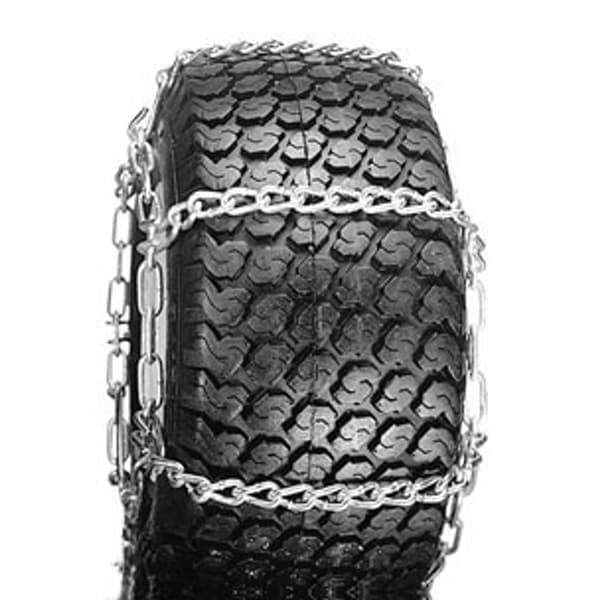
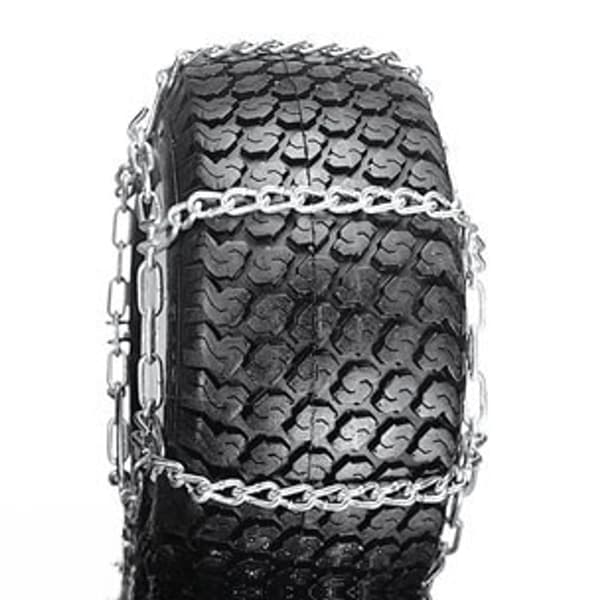
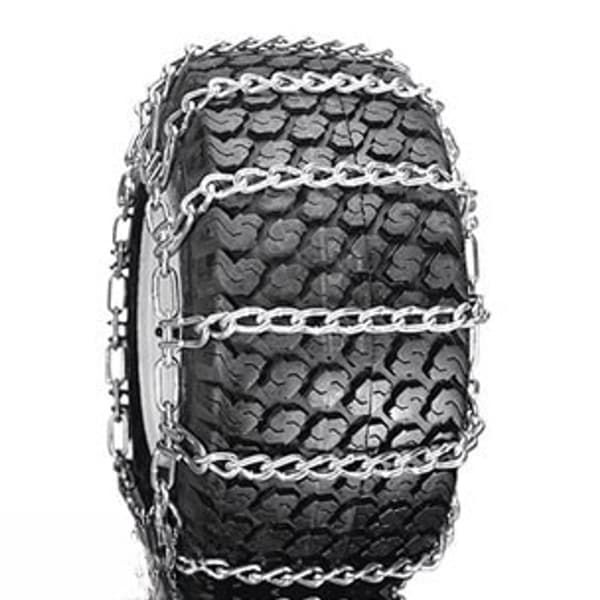
🔍 Looking for a specific part? Try our AI Part Finder — tell it your equipment and what you need, and it will find matching parts instantly.
At Madison Tractor Company, we understand the importance of reliable equipment. We carry a wide range of snow blower parts and accessories, including tire chains designed to fit various brands and models. Whether you own a John Deere, Craftsman, Cub Cadet, Husqvarna, Toro, Ariens, Murray, Hustler, Scag, Exmark, Ferris, Snapper, Simplicity, or Dixie Chopper, finding the right tire chains is essential for safe and efficient snow removal. Like other snow blower replacement parts, like snow blower belts, regular inspection and timely replacement ensures you're ready for winter's worst.
Understanding Tire Chain Sizes: A Simple Guide
The most crucial step in selecting snow blower tire chains is determining the correct size. Tire chains are sized according to your snow blower's tire dimensions. This information is typically found on the sidewall of your tires, usually displayed as a series of numbers like "15 x 5.00-6" or "16 x 4.80-8".
Here's a breakdown of what these numbers mean:
- First Number: This is the tire's outer diameter in inches (e.g., 15 or 16).
- Second Number: This is the tire's width in inches (e.g., 5.00 or 4.80).
- Third Number: This is the wheel rim diameter in inches (e.g., 6 or 8).
Once you have these numbers, you can match them to the corresponding tire chain size. For instance, at Madison Tractor Company, you'll find chains for 20x8x8 and 20x8x10 tires, as well as chains for 20x10x8 and 20x10x10 tires. Many tire chain manufacturers provide size charts that cross-reference tire sizes with their chain sizes. Refer to these charts for the most accurate match.
Example: If your tire size is 15 x 5.00-6, you'll need tire chains specifically designed for this size. Don't assume a slightly larger or smaller size will work, as this can lead to poor fit, reduced effectiveness, and potential damage to your snow blower.
Finding the Right Chains for Your Snow Blower Brand
While tire sizes are universal, some brands may have specific recommendations or chain designs that work best with their machines. Here's a look at some popular brands and considerations for choosing their tire chains:
- Toro: Known for their Power Max and Power Clear series, Toro snow blowers often have specific tire sizes depending on the model. Always consult your Toro owner's manual or the Toro snow blower parts diagrams for the correct tire size before purchasing chains.
- Ariens: Ariens snow blowers are a popular choice. Finding the correct Ariens snowblower parts, including tire chains, is crucial for optimal performance. Like with Toro, refer to your owner's manual or online resources to confirm your tire size.
- Craftsman: As a widely available brand, Craftsman snowblower parts, including tire chains, are generally easy to find. Double-check your tire size and compare it to available options.
- Cub Cadet: Many Cub Cadet snow blowers share similar tire sizes, but it's always best to verify. Pay attention to the wheel rim diameter, as this can vary.
- Husqvarna: Husqvarna offers a range of snow blowers, from smaller models to larger, more powerful machines. Tire chain sizes will vary accordingly.
- John Deere: John Deere snow blowers are known for their durability. Ensure you select tire chains that can withstand heavy use and provide optimal traction.
- Murray: While perhaps less common now, some still use Murray snowblowers. Finding the right Murray snowblower parts, including tire chains, may require a little extra research to ensure compatibility.
For brands like Hustler, Scag, Exmark, Ferris, Snapper, Simplicity, and Dixie Chopper, which primarily focus on lawn care equipment, snow blower models may be less prevalent. However, if you have one, carefully measure your tire size and consult with a parts specialist to ensure a proper fit. Remember that properly functioning auger blades also play a crucial role in snow removal.
Installation Tips and Safety Precautions
Installing snow blower tire chains is a straightforward process, but safety should always be your top priority.
- Safety First: Before you begin, ensure the engine is off and the spark plug is disconnected to prevent accidental starting. Engage the parking brake if your model has one.
- Positioning the Chains: Lay the tire chains flat on the ground in front of the tires. Ensure the chain fasteners are facing outward, away from the tire.
- Draping the Chains: Drive the snow blower forward slightly until the tires are partially over the chains.
- Attaching the Chains: Carefully reach around the tire and connect the chain fasteners. Start with the inside fastener, then the outside.
- Tightening the Chains: Once the chains are secured, use the tightening device (usually a cam or lever system) to create a snug fit. Avoid overtightening, as this can damage the chains or tires.
- Double-Check: After a short test run, stop and inspect the chains to ensure they are properly seated and tightened. Readjust if necessary.
Important Safety Considerations:
- Always wear gloves when handling tire chains to protect your hands from sharp edges.
- Never operate a snow blower with loose or damaged tire chains.
- Avoid high speeds when using tire chains. Excessive speed can cause the chains to break or damage the snow blower.
- Inspect your tire chains regularly for wear and tear. Replace them if they show signs of damage.
- Be aware that tire chains can affect the snow blower's handling. Take extra caution when turning or operating on slopes. Also, ensure your snow blower skid shoes are properly adjusted for the surface you are clearing.
Maintaining Your Tire Chains
Proper maintenance will extend the life of your snow blower tire chains and ensure they perform optimally when you need them most.
- Cleaning: After each use, clean the chains with water to remove salt, dirt, and debris.
- Drying: Allow the chains to dry completely before storing them to prevent rust.
- Lubrication: Periodically lubricate the chains with a rust-inhibiting lubricant.
- Storage: Store the chains in a dry place, away from direct sunlight and extreme temperatures.
- Inspection: Regularly inspect the chains for broken links, worn fasteners, and other signs of damage. Replace damaged chains immediately.
Remember to also maintain other key components of your snow blower. Regular maintenance of belts, spark plugs, oil, and filters will ensure reliable performance throughout the winter.
When To Replace Your Tire Chains
Tire chains, while durable, will eventually wear out and need replacing. Be vigilant for the following signs that indicate it's time for a new set:
- Broken or Missing Links: Even a single broken link can significantly compromise the chain's effectiveness and safety.
- Excessive Wear: If the chain links are noticeably worn down, they will have reduced grip and are more prone to breaking.
- Damaged Fasteners: If the fasteners (cams, levers, or hooks) are bent, broken, or difficult to operate, the chains won't stay securely on the tires.
- Rust and Corrosion: While some surface rust is normal, extensive corrosion weakens the chains and makes them more susceptible to failure.
Don't wait until your tire chains fail in the middle of a snowstorm. Proactively inspect them and replace them when necessary to ensure you're always prepared.
Shop Snow Blower Parts at Madison Tractor Company
At Madison Tractor Company, we're committed to providing high-quality snow blower parts and accessories to keep your equipment running smoothly all winter long. From tire chains and shear pins to belts, blades, and more, we have everything you need to maintain your snow blower. Browse our selection today and experience the Madison Tractor difference! You can also use our AI-Powered Part Finder to search for parts by your specific make and model.
Part of our comprehensive guide
Snow Blower Parts Guide: Find Replacement Parts by Brand & Model