








Snow Blower Spark Plug: Size & Gap by Engine
Choosing the right snow blower spark plug and gapping it correctly is crucial for optimal performance. This guide helps you find the right spark plug for your engine, ensuring reliable starts and efficient operation all winter long.
Introduction to Snow Blower Spark Plugs
A properly functioning snow blower is essential for clearing driveways and walkways during winter. At the heart of your snow blower's engine lies the spark plug, a small but vital component responsible for igniting the fuel-air mixture and starting the engine. Selecting the correct snow blower spark plug and ensuring it's properly gapped are crucial for reliable performance and a smooth-running engine. Using the wrong spark plug can lead to starting problems, poor engine performance, and even engine damage.
Recommended Parts for This Guide
10 parts we recommend — in stock, ships fast, one-click add to cart.
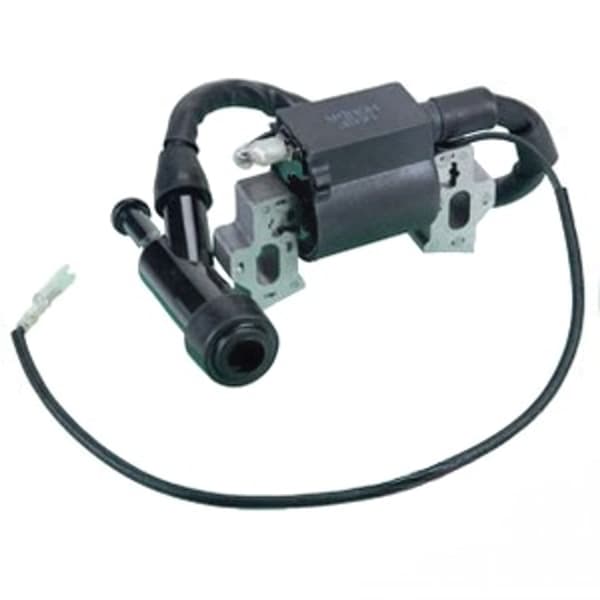
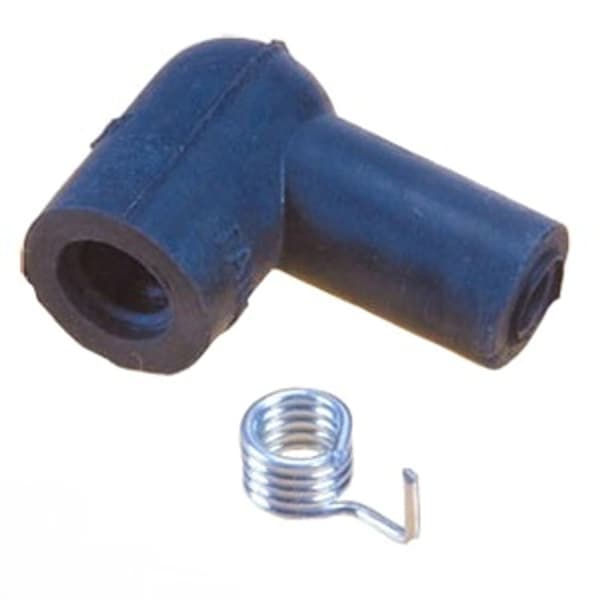
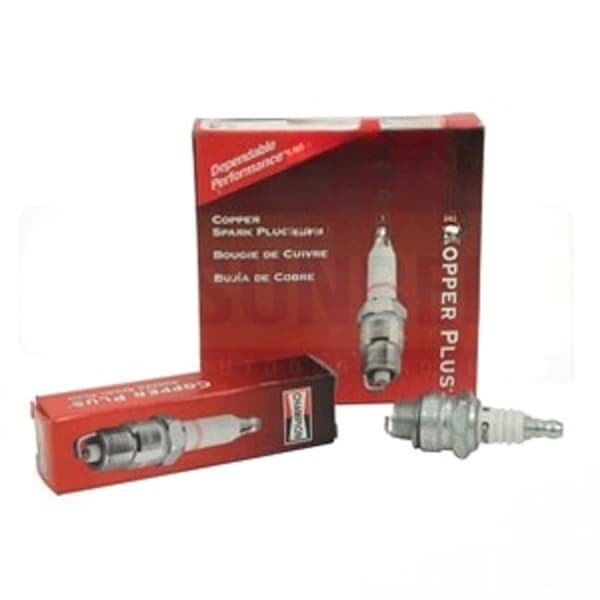
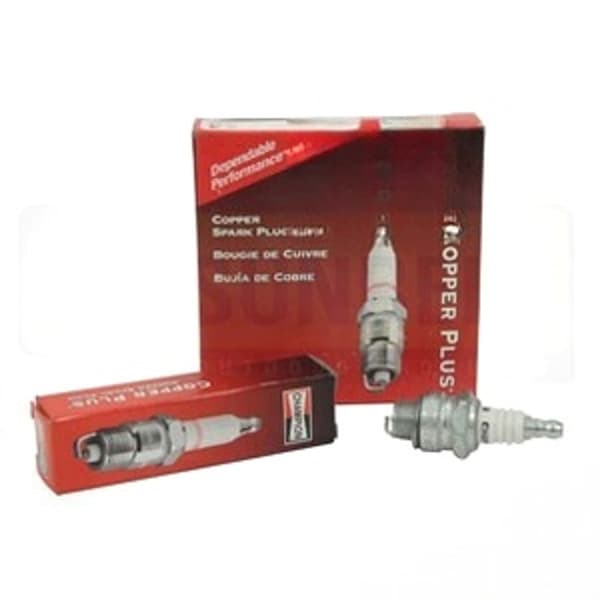
🔍 Looking for a specific part? Try our AI Part Finder — tell it your equipment and what you need, and it will find matching parts instantly.
This guide will provide you with information on selecting the correct spark plug for your snow blower, determining the proper gap, and the tools you'll need. We'll cover common brands like Ariens, Toro, Craftsman, and more. Remember to always consult your snow blower's owner's manual for the most accurate and up-to-date information specific to your model.
Regular maintenance, including spark plug replacement, is essential. Don't forget to check other crucial snow blower replacement parts like belts, shear pins, and skid shoes. Madison Tractor Company has everything you need to keep your snow blower running smoothly.
Finding the Right Spark Plug
There are several ways to find the right spark plug for your snow blower engine:
- Consult Your Owner's Manual: This is the best source of information. The manual will specify the exact spark plug type recommended for your engine.
- Check the Existing Spark Plug: Remove the old spark plug and note the part number stamped on its ceramic body. This number can be used to find an exact replacement or a compatible alternative.
- Use a Parts Finder: Many online parts retailers, including Madison Tractor Company, have parts finders that allow you to search for spark plugs by engine model or equipment model.
Important Spark Plug Specifications:
- Thread Size: The diameter of the threaded portion of the spark plug. Common sizes include 14mm and 18mm.
- Reach: The length of the threaded portion.
- Heat Range: A measure of the spark plug's ability to dissipate heat. Using the wrong heat range can lead to fouling (too cold) or pre-ignition (too hot).
- Gap: The distance between the center electrode and the ground electrode (more on this below).
Common Spark Plug Brands:
- NGK: A popular and reliable brand known for high-quality spark plugs.
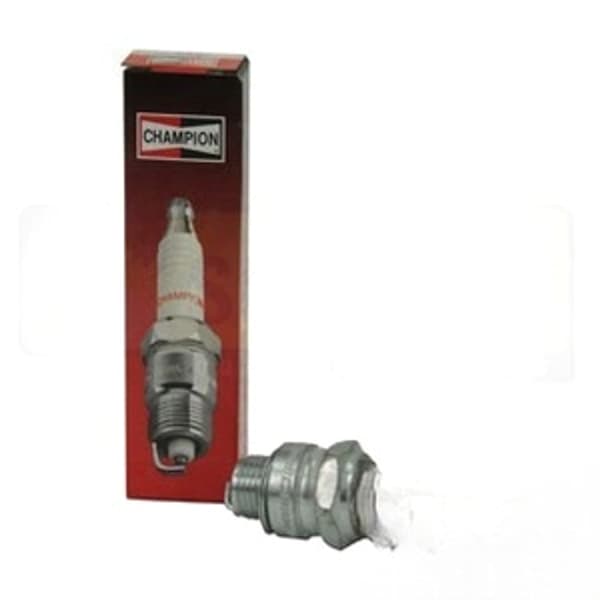
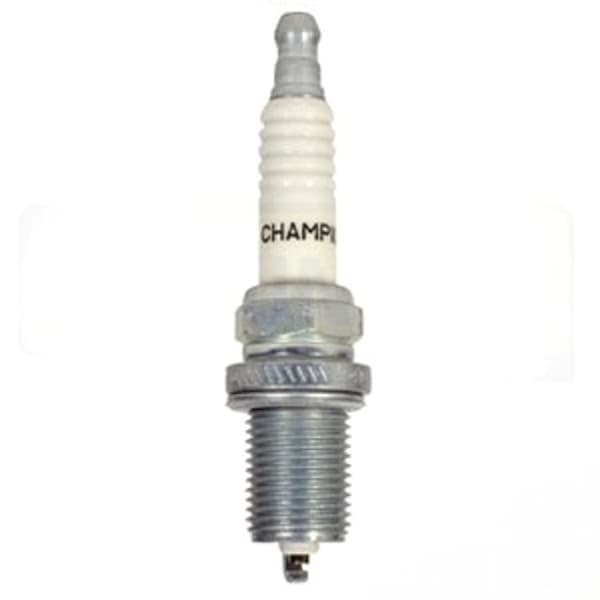
- Champion: Another well-known brand with a long history in the automotive and small engine industries. We offer Champion spark plugs like the B1XC12YC, B1RDZ19H, and B1QC12YC.
- Autolite: Offers a range of spark plugs for various applications.
When browsing spark plugs on our site at Madison Tractor, you can filter by manufacturer. We carry a wide selection of spark plugs compatible with Briggs & Stratton, Honda, Tecumseh, and other popular small engine brands commonly found in snow blowers.
Spark Plug Gap Explained
The spark plug gap is the distance between the center electrode and the ground electrode. This gap is critical for creating a strong spark that efficiently ignites the fuel-air mixture.
Why is the gap important?
- Too Small of a Gap: Can result in a weak spark, leading to misfires, poor fuel economy, and reduced engine power.
- Too Large of a Gap: May require more voltage than the ignition system can provide, also leading to misfires and starting problems.
Determining the Correct Spark Plug Gap
The correct spark plug gap for your snow blower engine is typically specified in your owner's manual. If you don't have the manual, you can often find this information online by searching for your engine model number.
As a general guideline, many small engines used in snow blowers have a spark plug gap between 0.020 and 0.030 inches (0.51 to 0.76 mm). However, it's always best to verify the specific recommendation for your engine.
Examples of Common Spark Plug Gaps (Always Verify with Your Manual!):
- Briggs & Stratton Snow Engines: Often between 0.030 - 0.035 inches.
- Tecumseh Snow King Engines: Often between 0.030 - 0.035 inches.
- Honda Snow Engines: Typically around 0.028 inches.
Snow Blower Brands and Related Parts
Madison Tractor Company carries parts for many popular snow blower brands, including:
- Ariens: Known for their durable and powerful snow blowers. Find Ariens snowblower parts here. Don't forget to check your shear pins!
- Toro: Offers a range of snow blowers for different needs. Shop Toro snow blower parts.
- Craftsman: A popular brand for home and garden equipment. Browse our selection of Craftsman snowblower parts.
- Cub Cadet: Offers powerful snow removal equipment.
- Husqvarna: Known for their quality and performance.
- John Deere: While better known for tractors, they also offer capable snow removal options. Shop our John Deere parts as many use similar engines.
- Murray: A budget-friendly option for snow removal. Find Murray snow blower parts.
We also carry a wide variety of lawn and garden equipment parts from brands like Hustler, Scag, Exmark, Ferris, Snapper, Simplicity, and Dixie Chopper. While these may not be directly snow blowers, many parts such as belts, blades, spindles, pulleys, filters, spark plugs, and bearings, are universal across many outdoor power equipment platforms.
Gapping a snow blower spark plug: Step-by-Step
Tools You'll Need:
- Spark Plug Gap Tool: A simple tool with graduated wire gauges or a tapered edge for measuring the gap.
- Pliers or Spark Plug Gapping Tool (Optional): For adjusting the gap.
Steps:
- Locate the Gap: The gap is the space between the center electrode and the ground electrode at the tip of the spark plug.
- Measure the Gap: Insert the wire gauge or tapered edge of the gap tool into the gap. The correct size should fit snugly without forcing it.
- Adjust the Gap (If Necessary):
- If the gap is too small: Gently tap the ground electrode on a hard surface to widen the gap.
- If the gap is too large: Use pliers or a spark plug gapping tool to carefully bend the ground electrode inward to close the gap.
- Re-Measure: After adjusting the gap, re-measure to ensure it's within the specified range.
Safety First! Always disconnect the spark plug wire from the spark plug before removing or adjusting it. This prevents accidental starting of the engine.
Replacing a Snow Blower Spark Plug
Replacing your snow blower's spark plug is a straightforward process. Here's a step-by-step guide:
- Safety First: Ensure the engine is off and cooled down. Disconnect the spark plug wire from the spark plug.
- Remove the Old Spark Plug: Use a spark plug socket and ratchet to loosen and remove the old spark plug.
- Inspect the New Spark Plug: Before installing the new spark plug, inspect it for any damage. Ensure the gap is correct (as described above).
- Install the New Spark Plug: Carefully thread the new spark plug into the cylinder head by hand to avoid cross-threading. Once it's hand-tight, use the spark plug socket and ratchet to tighten it to the manufacturer's specified torque. If you don't have a torque wrench, tighten it snugly (about 1/4 turn past hand-tight).
- Reconnect the Spark Plug Wire: Push the spark plug wire firmly onto the spark plug terminal.
After replacing the spark plug, start the engine to ensure it's running smoothly. If you experience any problems, double-check your work and consult your owner's manual.
Troubleshooting Spark Plug Issues
If your snow blower is experiencing starting problems or poor performance, the spark plug may be the culprit. Here are some common spark plug issues and how to diagnose them:
- Fouled Spark Plug: A fouled spark plug is covered in carbon deposits, oil, or fuel. This can prevent the spark from jumping the gap. Clean the spark plug with a wire brush or replace it if necessary.
- Worn Spark Plug: Over time, the electrodes of a spark plug can wear down, increasing the gap and weakening the spark. Replace the spark plug if it shows signs of wear.
- Cracked or Damaged Spark Plug: A cracked or damaged spark plug can leak voltage, preventing the engine from starting. Replace the spark plug immediately.
Conclusion
Choosing the correct snow blower spark plug, gapping it properly, and replacing it regularly are essential for ensuring your snow blower starts reliably and performs optimally throughout the winter. By following the steps outlined in this guide, you can keep your snow blower running smoothly and make snow removal a breeze.
Don't forget to maintain other important components! Be sure to check your snow blower paddles, and keep an eye on snow blower belt condition.
Madison Tractor Company is your one-stop shop for all your snow blower parts needs. From spark plugs to shear pins, we have everything you need to keep your equipment running its best.
Shop Snow Blower Parts at Madison Tractor Company!
Visit our website today to find the right spark plug and other replacement parts for your snow blower. Our expert staff is available to answer any questions you may have and help you keep your equipment in top condition all winter long. Browse our extensive selection of snow blower parts and get ready for winter! You can also use our AI-Powered Part Finder to search for parts by your specific make and model.
Part of our comprehensive guide
Snow Blower Parts Guide: Find Replacement Parts by Brand & Model