








Snow Blower Starter Solenoid: Electric Start Parts
Is your electric start snow blower not firing up? A faulty starter solenoid could be the culprit. This guide will walk you through diagnosing and replacing your snow blower's starter solenoid, getting you back to clearing snow quickly.
Understanding the Snow Blower Starter solenoid
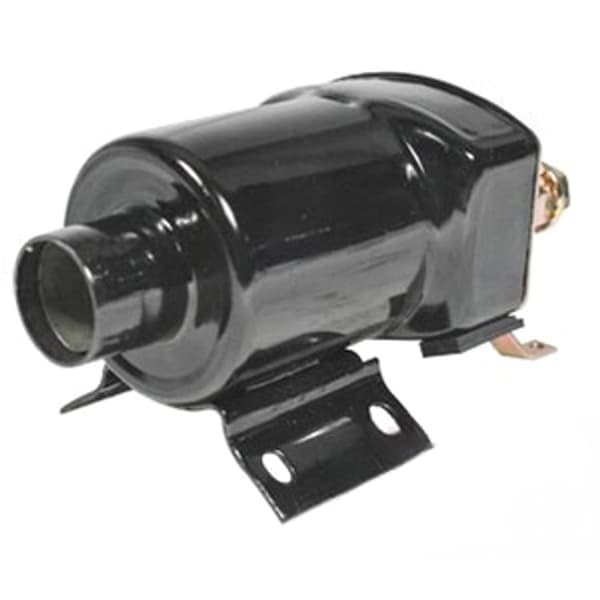
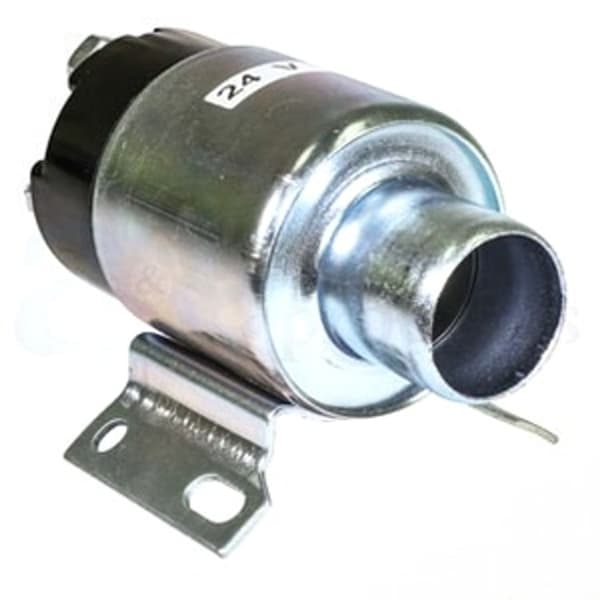
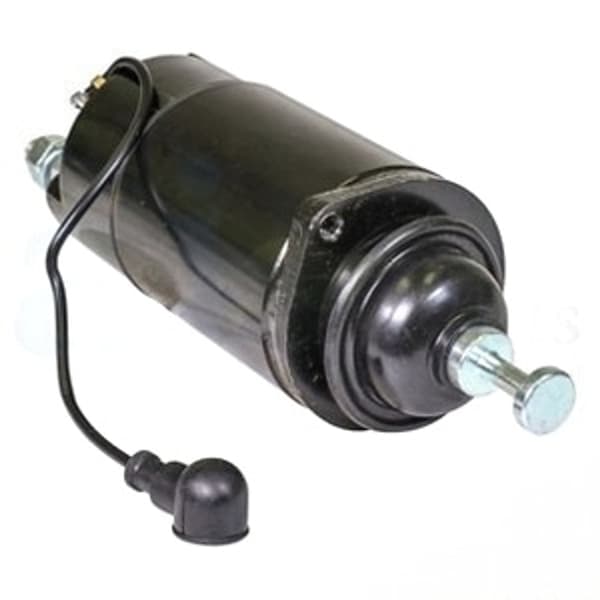
The starter solenoid is a critical component in any electric start snow blower. It acts as a relay, using a small electrical current from the ignition switch to activate a much larger current needed to power the starter motor. Without a functioning solenoid, your electric start system won't work, leaving you stuck with manual starting – not ideal on a frigid morning!
Recommended Parts for This Guide
7 parts we recommend — in stock, ships fast, one-click add to cart.
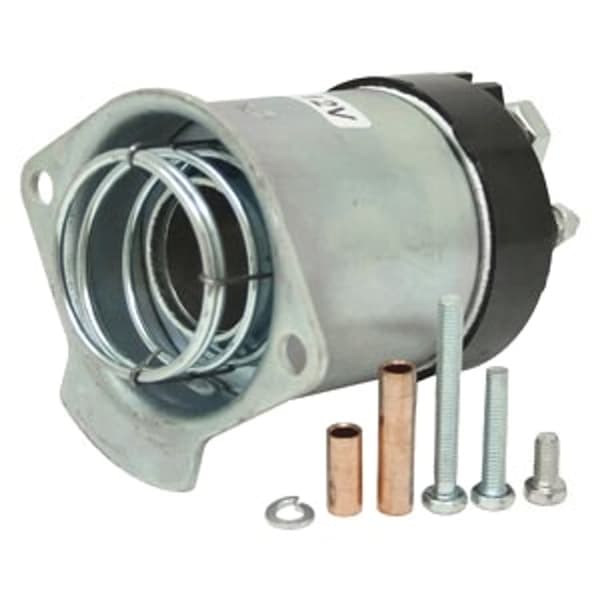
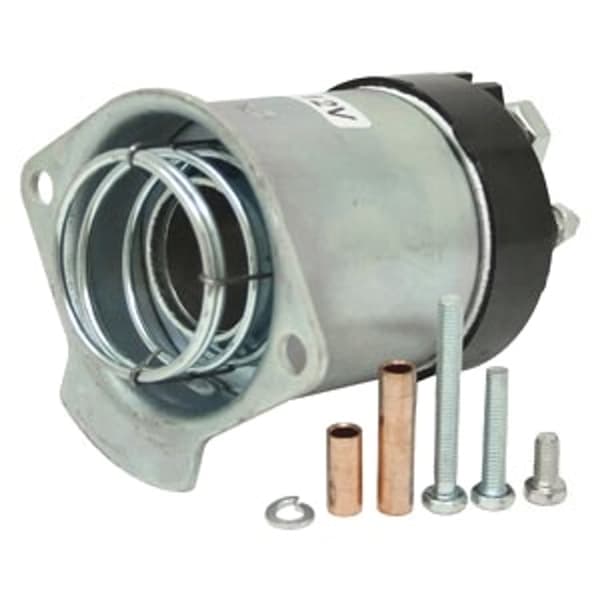
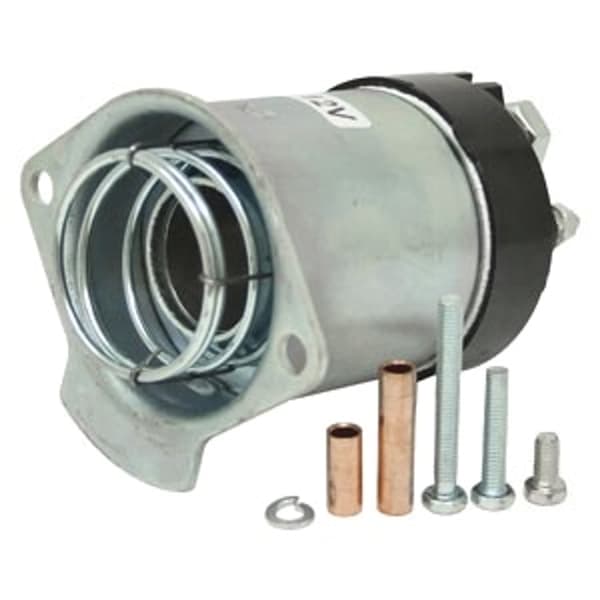
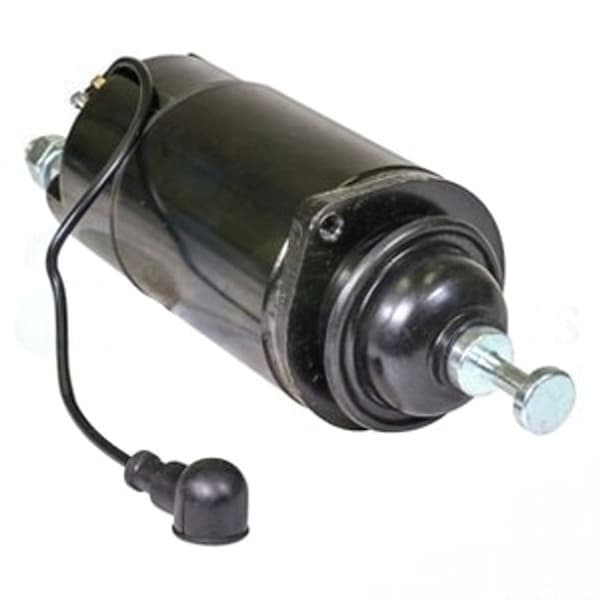
🔍 Looking for a specific part? Try our AI Part Finder — tell it your equipment and what you need, and it will find matching parts instantly.
Think of it as a gatekeeper: when you turn the key or press the start button, the ignition switch sends a signal to the solenoid. This signal triggers the solenoid to close an internal switch, allowing the battery's full power to flow to the starter motor. The starter motor then engages with the engine's flywheel, cranking it until the engine starts.
We carry a wide range of starter solenoids for various snow blower brands, including John Deere, Craftsman, Cub Cadet, Husqvarna, Toro, Ariens, Murray, Hustler, Scag, Exmark, Ferris, Snapper, and Simplicity.
Common Signs of a Failing Starter Solenoid
Recognizing the symptoms of a failing snow blower starter solenoid can save you time and frustration. Here are some common indicators:
- Clicking Sound: When you turn the key, you might hear a single click or a series of rapid clicks coming from the solenoid. This often indicates that the solenoid is trying to engage but lacking the power or proper connection to fully activate the starter motor.
- No Response: Absolutely nothing happens when you turn the key or press the start button. No clicks, no whirs, just silence.
- Slow or Weak Starting: The starter motor might turn over slowly or weakly, even if the battery is fully charged. This can also indicate a failing battery or starter motor, but the solenoid is worth investigating.
- Intermittent Starting: The snow blower might start sometimes but not others, seemingly at random. This can be a sign of a loose connection or a solenoid that is beginning to fail.
- Burnt Smell: A distinct burnt electrical smell near the solenoid could indicate internal damage or overheating.
Diagnosing a Snow Blower Starter Solenoid
Before replacing the solenoid, it's essential to rule out other potential issues like a dead battery or a faulty starter motor. Here's a step-by-step diagnosis process:
- Check the Battery: Use a voltmeter to ensure the battery is fully charged (typically around 12.6 volts). If the battery is low, charge it and try starting the snow blower again. A weak battery is a common cause of starting problems.
- Inspect the Connections: Examine all wires and connections leading to the solenoid and starter motor. Look for corrosion, loose connections, or damaged wires. Clean any corroded connections with a wire brush and tighten any loose connections.
- Bypass the Solenoid (Use Caution!): This test is potentially dangerous and should only be performed if you are comfortable working with electrical systems. Disconnect the spark plug wire to prevent accidental starting. Using a well-insulated screwdriver or jumper cable, carefully bridge the two large terminals on the solenoid. This bypasses the solenoid and sends power directly to the starter motor. If the starter motor engages and turns the engine over, the solenoid is likely the problem. If nothing happens, the starter motor or wiring is likely at fault. Be very careful not to touch any metal parts of the snow blower while performing this test.
- Test Solenoid Continuity: Using a multimeter, test the continuity across the solenoid terminals. Consult your snow blower's service manual or a wiring diagram for the correct terminals to test. A lack of continuity suggests a faulty solenoid.
Safety First! Always disconnect the spark plug wire before working on the electrical system of your snow blower. Wear safety glasses and gloves. If you are uncomfortable performing any of these tests, consult a qualified mechanic.
Replacing a Snow Blower Starter Solenoid
Replacing a starter solenoid is a relatively straightforward task for most DIYers. Here's a general guide:
- Gather Your Tools: You'll need a wrench or socket set, a screwdriver, wire cutters/strippers, and potentially a multimeter.
- Disconnect the Battery: This is crucial! Disconnect the negative battery cable to prevent electrical shock or damage.
- Locate the Solenoid: The solenoid is typically located near the battery or starter motor. Refer to your snow blower's service manual for its exact location.
- Disconnect the Wires: Carefully disconnect the wires from the solenoid. Take note of the wire positions or take a picture before disconnecting them to ensure you reconnect them correctly.
- Remove the Old Solenoid: Remove the mounting bolts or screws holding the solenoid in place.
- Install the new solenoid: Mount the new solenoid in the same location as the old one.
- Reconnect the Wires: Reconnect the wires to the new solenoid, ensuring they are connected to the correct terminals. Double-check your wiring diagram or the picture you took earlier.
- Reconnect the Battery: Reconnect the negative battery cable.
- Test the Snow Blower: Turn the key or press the start button to see if the snow blower starts.
If your snow blower uses shear pins, like many Ariens snowblowers, always check that they are intact before attempting to start the machine, and replace them if broken. You can find the right snow blower shear pins at Madison Tractor. If your snowblower has belts, like snow blower belts, it's a good time to inspect them for wear and replace them as needed.
Many Craftsman snowblowers use specific belts and shear pins, so consult the Craftsman snowblower parts guide for specifics to your model. Similarly, Ariens snowblower parts are model-specific, and it's important to use the correct OEM part number.
Don't forget to consult your owner's manual for specific instructions related to your snow blower model. Replacing snow blower paddles and snow blower skid shoes are other important maintenance tasks to keep your machine running well.
Choosing the Right Replacement Solenoid
Selecting the correct replacement snow blower starter solenoid is crucial. The best approach is to use the original equipment manufacturer (OEM) part number. You can usually find this number in your snow blower's service manual or on the old solenoid itself. If you can't find the OEM part number, you can use the snow blower's model and serial number to identify the correct replacement solenoid. Many aftermarket solenoids are available, but ensure they are compatible with your snow blower's voltage and amperage requirements. Using an incompatible solenoid can damage your snow blower's electrical system.
Preventing Future Solenoid Problems
While solenoids can fail, there are steps you can take to prolong their lifespan:
- Regular Maintenance: Keep the battery terminals clean and free of corrosion. Check the wiring connections regularly and tighten any loose connections.
- Proper Storage: Store your snow blower in a dry place during the off-season. This helps prevent corrosion and damage to the electrical components.
- Battery Care: Keep the battery charged during the off-season. Use a battery maintainer or trickle charger to prevent the battery from discharging completely.
- Avoid Overloading: Don't try to start the snow blower repeatedly if it's not starting. This can overheat the solenoid and shorten its lifespan.
Shop snow blower parts at Madison Tractor
At Madison Tractor Company, we're committed to providing high-quality replacement parts for all your outdoor power equipment needs. Whether you need a new snow blower starter solenoid, a snow blower belt, or any other part, we have you covered. Our extensive inventory includes parts for John Deere, Craftsman, Cub Cadet, Husqvarna, Toro, Ariens, Murray, and many other popular brands. Shop with confidence knowing that you're getting the right parts at the right price to keep your snow blower running smoothly all winter long. Contact our knowledgeable customer service team today for assistance finding the perfect parts for your machine! You can also use our AI-Powered Part Finder to search for parts by your specific make and model.
Part of our comprehensive guide
Snow Blower Parts Guide: Find Replacement Parts by Brand & Model