








John Deere 42-Inch Blades: D100, E100 & S100 Series
Choosing the correct blades for your John Deere 42-inch mower is crucial for a clean, healthy lawn. This guide covers everything you need to know about blade selection, installation, and maintenance for D100, E100, and S100 series models.
Introduction to John Deere 42-Inch Mower Blades
If you own a John Deere D100, E100, or S100 series riding mower with a 42-inch deck, you know the importance of having sharp, well-maintained blades. Dull or damaged blades can tear grass instead of cutting it cleanly, leading to a brownish, unhealthy lawn and increased susceptibility to disease. This guide will walk you through selecting the correct replacement blades, understanding blade types performing basic maintenance to keep your John Deere running smoothly. We'll also touch on other common parts like belts, spindlesfilters that contribute to optimal performance.
Recommended Parts for This Guide
9 parts we recommend — in stock, ships fast, one-click add to cart.
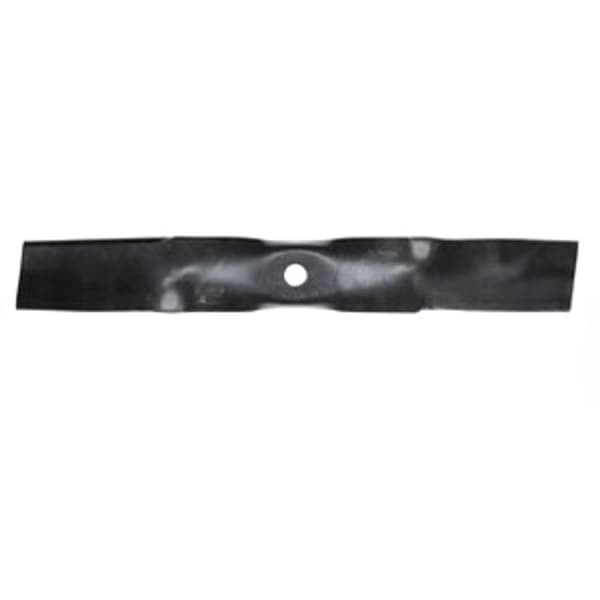
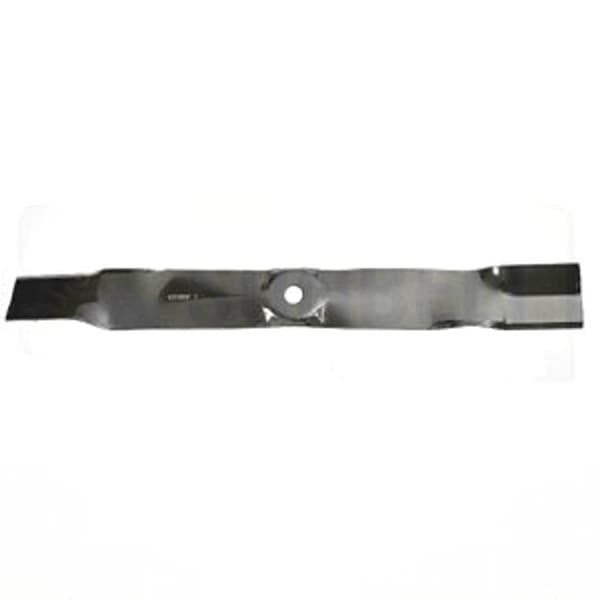
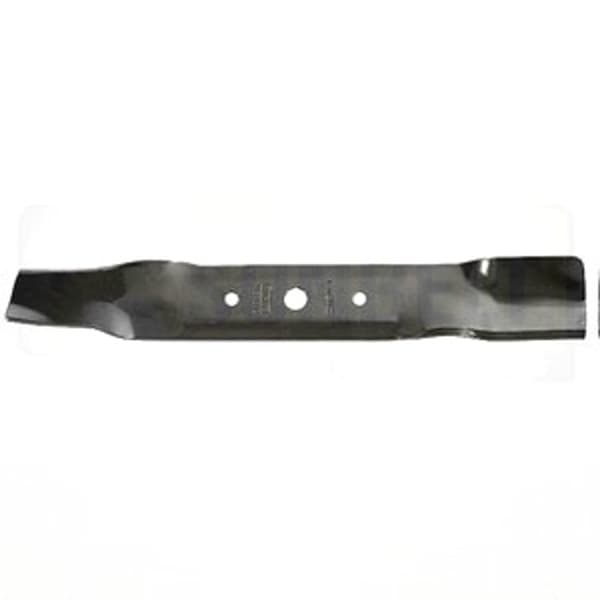
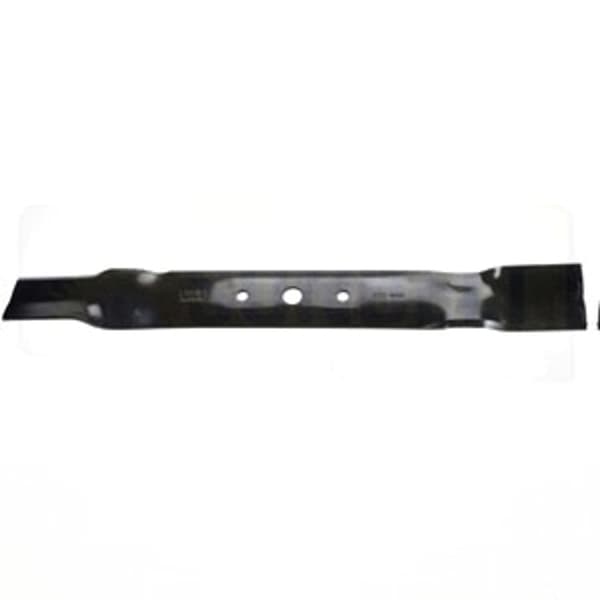
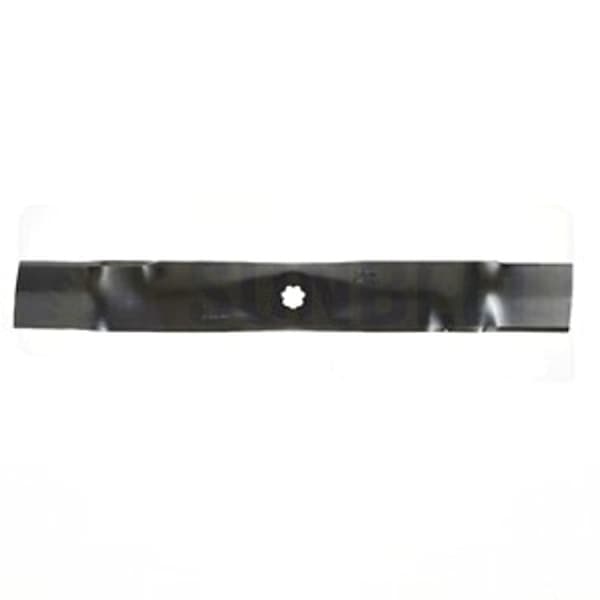
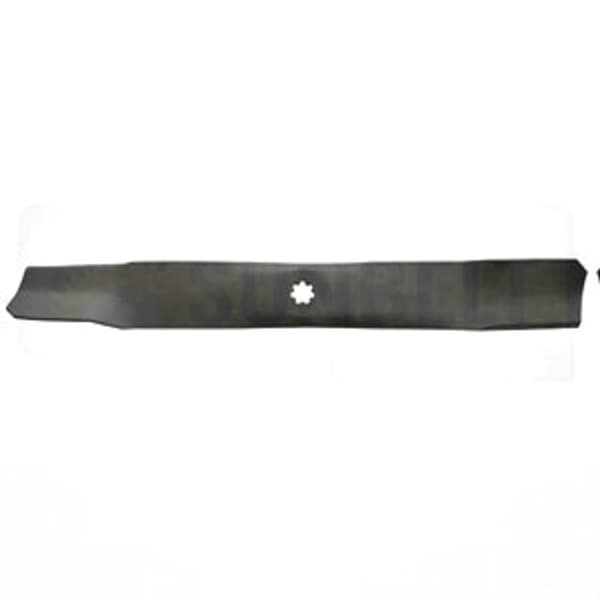
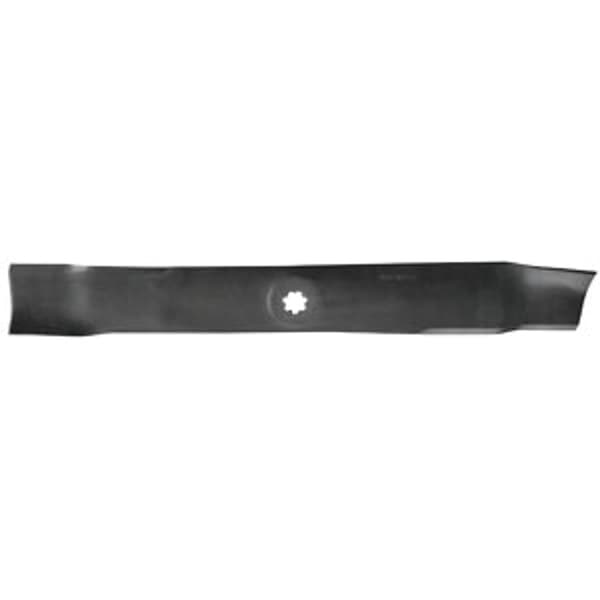
🔍 Looking for a specific part? Try our AI Part Finder — tell it your equipment and what you need, and it will find matching parts instantly.
Identifying the Correct Blades for Your Model
While many 42-inch John Deere mowers use similar blades, it's vital to confirm compatibility. Check your owner's manual for the precise OEM (Original Equipment Manufacturer) part number. You can also often find the part number stamped directly on the blade itself, though this can be obscured by rust or wear. A quick search on the Madison Tractor website, using your mower's model number, will also lead you to the correct blades.
It's crucial to note that aftermarket blades are available, often at a lower price point. While these can be a cost-effective option, ensure they meet or exceed the quality and specifications of the OEM blades. Consider brands like Oregon or Rotary, which offer reputable aftermarket alternatives. We carry John Deere, Craftsman, Cub Cadet, Husqvarna, Toro many other brands' parts to suit your needs.
Understanding Different Blade Types
John Deere offers several types of blades for its 42-inch mowers, each designed for specific cutting conditions
- Standard Blades (or 2-in-1 Blades): These are the general-purpose blades that come standard on most mowers. They're designed for side-discharge mowing and are suitable for most lawn conditions.
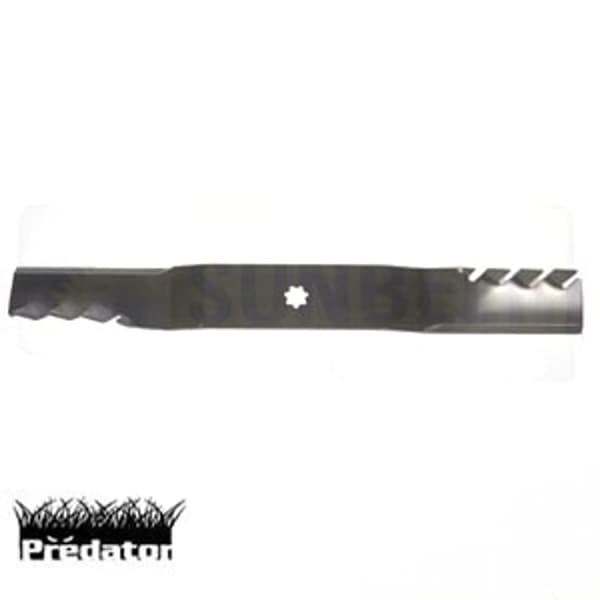
- Mulching Blades (or 3-in-1 Blades): These blades have a more aggressive curve and cutting edge designed to finely chop grass clippings into small pieces. These clippings are then returned to the lawn as a natural fertilizer. To use mulching blades effectively, you'll typically need a mulching plug for your mower deck. For even superior mulching, consider Predator mulching blades with their unique airflow tooth design.
- High-Lift Blades: Designed to create a stronger upward airflow, high-lift blades are ideal for bagging clippings. The increased airflow helps to fill the bag more efficiently and can also improve the cut quality, especially in tall or thick grass.
Choosing the right blade type depends on your mowing habits and lawn care preferences. If you primarily side-discharge, standard blades are sufficient. If you want to recycle nutrients back into your lawn, mulching blades are a great choice. And if you prefer to bag your clippings, high-lift blades are the way to go.
Tools and Materials Needed for Blade Replacement
Before you begin, gather the necessary tools and materials
- New John Deere 42-inch blades (matching your mower model)
- Wrench or socket set (the size will vary depending on your mower, but a 15/16 inch socket is common)
- Torque wrench
- Work gloves
- Eye protection
- Wheel chocks
- Block of wood (to secure the blade)
- Wire brush or scraper (to clean the mower deck)
- Blade balancer (optional, but recommended)
Safety First! Always disconnect the spark plug wire before working on your mower. This prevents accidental starting. Wear work gloves and eye protection to protect yourself from sharp edges and debris.
Step-by-Step Blade Replacement Guide
- Prepare the Mower: Park the mower on a level surface, engage the parking brake place wheel chocks behind the rear wheels. Disconnect the spark plug wire(s) and secure it away from the spark plug(s).
- Raise the Mower Deck: Use the deck lift lever to raise the mower deck to its highest position.
- Secure the Blade: Place a block of wood between the mower deck and the blade to prevent it from turning while you loosen the blade bolt.
- Loosen the Blade Bolt: Using a wrench or socket, loosen the blade bolt by turning it counterclockwise. It may be quite tight, so you may need to apply some force.
- Remove the Blade: Once the bolt is loose, remove it along with any washers or spacers. Carefully remove the old blade. Note the orientation of the blade – this is important for installing the new blade correctly.
- Clean the Mower Deck: Use a wire brush or scraper to remove any accumulated grass clippings and debris from the mower deck around the blade mounting area.
- Install the New Blade: Align the new blade with the mounting hole and ensure it is oriented correctly. The cutting edge of the blade should face the direction of rotation (usually indicated by an arrow on the mower deck).
- Reinstall the Bolt and Washers: Reinstall the blade bolt and any washers or spacers in the same order they were removed.
- Tighten the Blade Bolt: Using a torque wrench, tighten the blade bolt to the manufacturer's recommended torque specification (refer to your owner's manual). This is crucial to prevent the blade from coming loose during operation. A typical torque specification is between 45-60 ft-lbs, but ALWAYS check your manual.
- Balance the Blade (Recommended): Use a blade balancer to check if the new blade is balanced. An unbalanced blade can cause excessive vibration and wear on the mower spindle. If the blade is unbalanced, you can grind a small amount of metal from the heavier end until it is balanced.
- Repeat for the Other Blade: Repeat steps 3-9 for the other blade on your 42-inch deck.
- Reconnect the Spark Plug Wire: Once both blades are installed, reconnect the spark plug wire(s).
- Lower the Mower Deck: Lower the mower deck to its normal operating height.
Remember always to refer to your John Deere owner's manual for the most accurate and specific instructions for your particular model.
Blade Maintenance Tips
- Sharpen Your Blades Regularly: Sharpening your blades at least once a season, or more frequently if you mow frequently or encounter obstacles, will ensure a clean cut and prevent damage to your lawn.
- Inspect Blades Regularly: Check your blades regularly for signs of damage, such as cracks, bends, or excessive wear. Replace damaged blades immediately.
- Clean Your Mower Deck: Regularly cleaning your mower deck will prevent the buildup of grass clippings and debris, which can affect blade performance and lead to corrosion.
- Store Blades Properly: When storing your mower for the off-season, remove the blades and store them in a dry place. Consider coating them with a light oil to prevent rust.
Troubleshooting Common Blade Problems
- Uneven Cut: This can be caused by dull blades, unevenly sharpened blades, or a bent mower deck.
- Vibration: This is often caused by unbalanced blades or a loose blade bolt.
- Scalping: This occurs when the blades cut too low, often due to an improperly adjusted mower deck or worn tires.
- Grass Tearing: This is a sign of dull blades.
Addressing these issues promptly will help maintain the health and appearance of your lawn.
Beyond Blades: Other Important Parts
Maintaining your John Deere mower involves more than just replacing blades. Regularly inspecting and replacing other wear items will keep your mower running efficiently for years to come. Pay attention to the condition of your spindles (blade shafts), pulleys, spark plugsbearings. A worn spindle can cause vibration and uneven cutting, while a faulty spark plug can lead to starting problems. Belts should be inspected for cracks and wear and replaced as needed. Don't forget about regular maintenance items like air and oil filters to keep the engine running smoothly.
While this article focuses on John Deere, it's worth noting that other brands like Craftsman, Cub Cadet, Husqvarna, Toro, Ariens, Murray, Hustler, Scag, Exmark, Ferris, Snapper, Simplicity Dixie Chopper all require regular blade maintenance and have their own specific blade requirements, as detailed in our Mower Blades by Brand & Size guide. You can also read more about finding the correct part numbers for John Deere mowers in our article John Deere Mower Blades: OEM Part Numbers by Model.
Conclusion
By following these guidelines, you can ensure that your John Deere 42-inch mower delivers a clean, healthy cut for years to come. Regular blade maintenance, combined with attention to other critical parts, will keep your mower running smoothly and efficiently. Remember to always prioritize safety and consult your owner's manual for specific instructions related to your model.
Ready to find the perfect John Deere 42-inch blades for your mower? Shop our extensive selection of John Deere parts at Madison Tractor Company. We carry a wide variety of OEM and aftermarket blades, as well as belts, spindles, filters other essential maintenance items to keep your mower in top condition. Our expert team is always available to answer your questions and help you find the right parts for your needs. Shop with confidence at Madison Tractor, where quality and customer satisfaction are our top priorities!
🔍 Can't Find Your Part?
Use our AI-Powered Part Finder to search by your equipment's make, model, and what you need. It's the fastest way to find the exact part for your machine.
Try the Part Finder →Part of our comprehensive guide
Mower Blade Buying Guide: Find the Right Blades for Your Mower