








Riding Mower Blade Sizes: How to Measure & Match
Finding the right mower blades doesn't have to be a chore. This guide provides step-by-step instructions on how to measure your existing blades and confidently select the correct replacements for optimal cutting performance.
Introduction to mower blade Sizing
Keeping your lawn looking its best starts with sharp, properly sized mower blades. Dull or incorrect blades can tear the grass, leading to an uneven cut and increasing the risk of lawn diseases. This comprehensive mower blade size guide will walk you through the process of accurately measuring your current blades and matching them to new ones. Whether you own a John Deere, Craftsman, Cub Cadet, Husqvarna, Toro, or any other riding mower, understanding blade dimensions is crucial for optimal performance and lawn health.
Recommended Parts for This Guide
10 parts we recommend — in stock, ships fast, one-click add to cart.
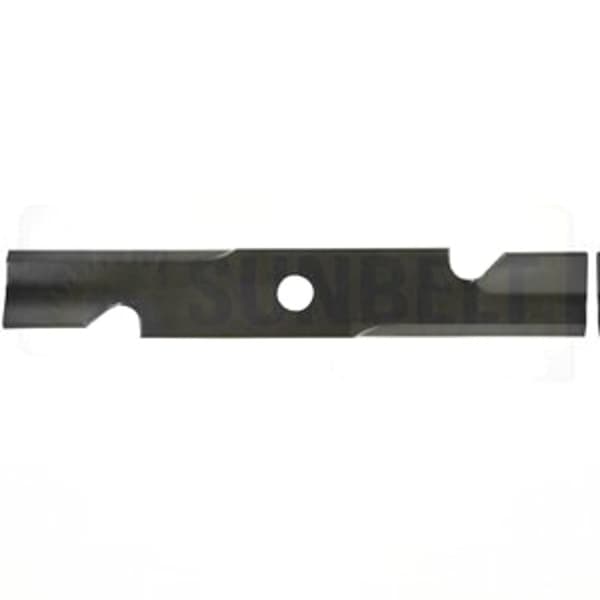
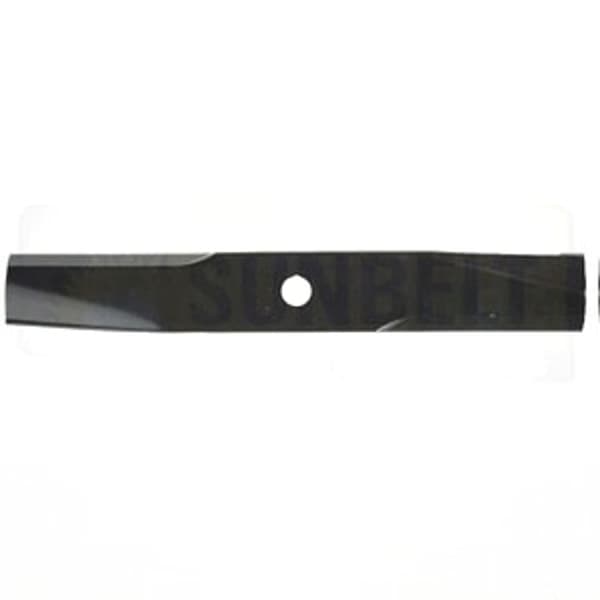
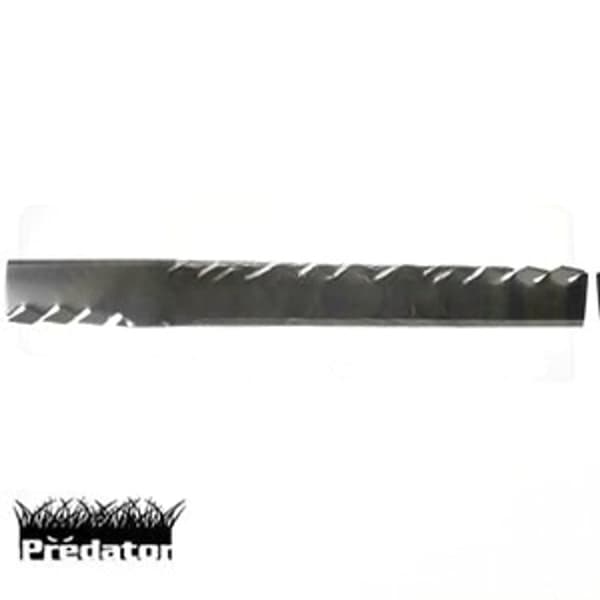
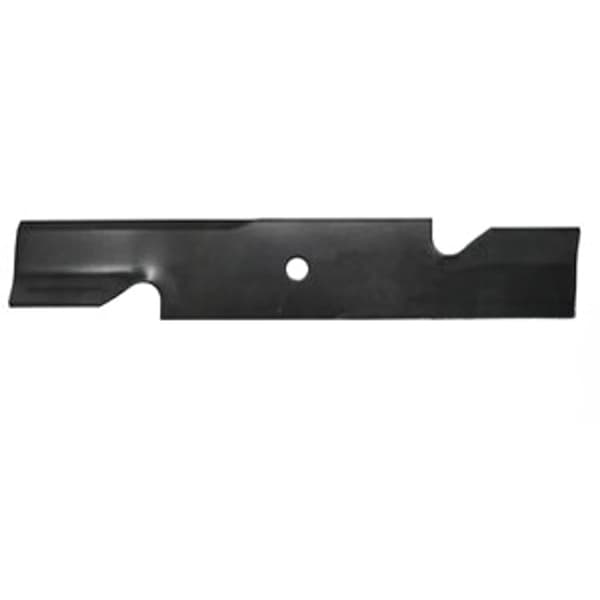
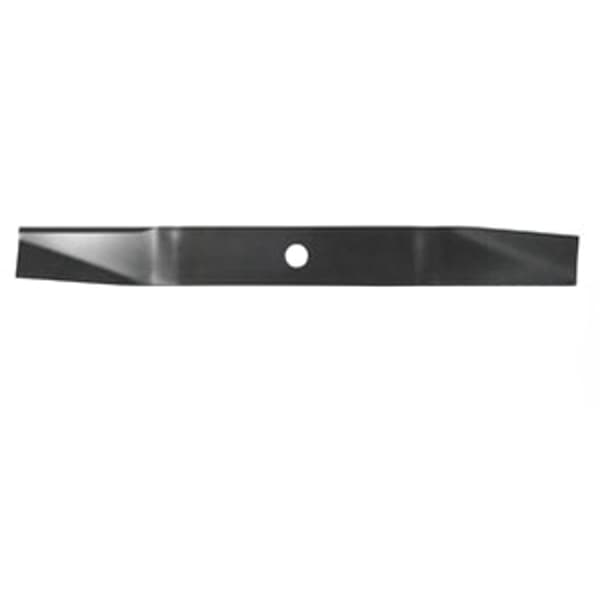
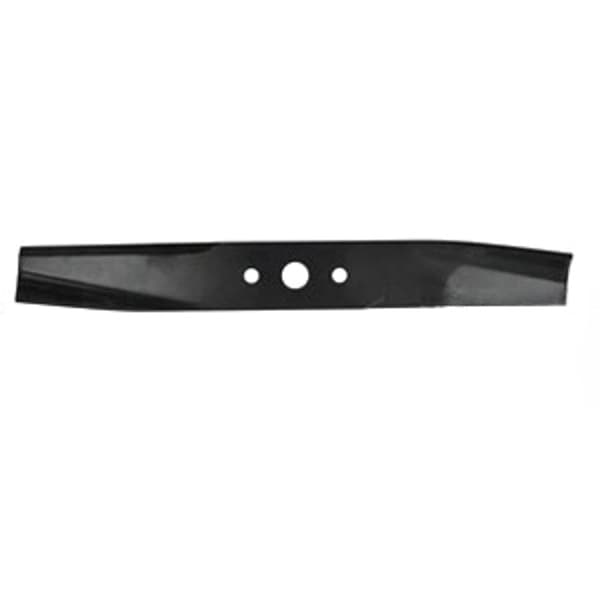
🔍 Looking for a specific part? Try our AI Part Finder — tell it your equipment and what you need, and it will find matching parts instantly.
At Madison Tractor Company, we understand the importance of having the right parts for your outdoor power equipment. That's why we stock a wide selection of mower blades from leading manufacturers, along with essential components like belts, spindles, pulleys, filters, and spark plugs. We're here to help you find exactly what you need to keep your mower running smoothly.
Why Correct Mower Blade Size Matters
Using the wrong size mower blade can lead to a host of problems:
- Poor Cut Quality: Blades that are too short or long will not cut evenly, resulting in scalping and uneven grass heights.
- Increased Vibration: Incorrect blade size can cause excessive vibration, which can damage the mower's engine and other components.
- Safety Hazards: Blades that are too long can strike the mower deck or other obstacles, posing a serious safety risk.
- Reduced Mower Performance: The engine may struggle to power the blades, leading to decreased cutting power and efficiency.
- Component Damage: Using the wrong size blade can put stress on the spindles, bearings, and other parts, leading to premature wear and failure.
Tools and Materials You'll Need
Before you begin, gather the necessary tools and materials:
- Measuring Tape or Ruler: A standard measuring tape or ruler with clear markings.
- Gloves: To protect your hands from sharp blades and debris.
- Wrench or Socket Set: To remove the blade from the mower. Refer to your owner's manual for the correct size.
- Pencil and Paper: To record measurements and notes.
- Camera or Smartphone: To take pictures of the blade and its mounting configuration.
- Safety Glasses: To protect your eyes from debris.
- Blade Balancer (Optional): To check the balance of the new blade after installation.
SAFETY WARNING: Always disconnect the spark plug wire and engage the parking brake before working on your mower blades. This prevents accidental starting of the engine.
How to Measure Your Mower Blades
Follow these steps to accurately measure your mower blades:
- Remove the Blade: Using a wrench or socket set, carefully remove the blade from the mower. Remember the orientation of the blade for proper reinstallation.
- Measure the Length: Place the blade on a flat surface. Measure the length of the blade from tip to tip, following the contour of the cutting edge. Record this measurement.
- Measure the Width: Measure the width of the blade at its widest point. Record this measurement.
- Measure the Center Hole Diameter: Measure the diameter of the center hole where the blade mounts to the spindle. Record this measurement.
- Determine the Number of Mounting Holes: Count the number of mounting holes on the blade. If there's more than one, measure the distance between each hole and the center hole. Record these measurements.
- Measure the Blade Thickness: While less critical, measuring the blade thickness can help you choose a blade of comparable durability.
- Note Blade Type: Observe the shape of the blade. Common types include standard lift, high lift, and Mulching Blades.
Taking photos of the blade and its mounting points before removal can be extremely helpful during reinstallation.
Understanding Different Mower Blade Types
Choosing the right type of blade is just as important as selecting the correct size. Here's a brief overview of common blade types:
- Standard Lift Blades: Designed for general-purpose mowing. They create a moderate airflow to lift the grass for a clean cut.
- High Lift Blades: Produce a stronger airflow, ideal for bagging clippings or mowing in thick grass.
- Mulching Blades: Designed to finely chop grass clippings and return them to the lawn as fertilizer. They have a more curved shape and multiple cutting edges.
- Gator Blades (or Mulching Blades with Teeth): Combination blades with unique teeth for enhanced mulching performance.
Your choice of blade type depends on your mowing style and the type of grass you have. For example, if you want to improve mulching performance on your Husqvarna YTH series mower, consider switching to dedicated mulching blades. Refer to the Husqvarna Mower Blades: YTH, Z254 & TS Series article for more information about compatible blades.
Matching Blades to Your Mower
Once you have all the necessary measurements, you can start searching for replacement blades. Here's how to find the perfect match:
- Check Your Owner's Manual: The owner's manual typically lists the correct blade size and type for your specific mower model. This is the most reliable source of information.
- Use Our Website: At Madison Tractor Company, we offer a convenient parts lookup tool. Simply enter your mower's make and model number to find compatible blades.
- Cross-Reference Part Numbers: If you know the OEM (Original Equipment Manufacturer) part number for your blade, you can use it to cross-reference with aftermarket blades. For example, you can often find aftermarket equivalents for John Deere mower blades.
- Consult with Our Experts: If you're unsure about which blade to choose, our knowledgeable staff is always happy to assist you. Contact us with your mower's make and model number, and we'll help you find the right blades.
When searching for blades, be sure to pay attention to the following specifications:
- Length: Ensure the blade length matches your original blade.
- Center Hole Diameter: The center hole diameter must match the spindle size on your mower.
- Mounting Holes: If your blade has multiple mounting holes, make sure they align with the holes on your mower's spindle.
- Blade Type: Choose the blade type that best suits your mowing needs.
Popular Brands We Carry
Madison Tractor Company carries a wide selection of mower blades from leading brands, including:
- John Deere
- Craftsman
- Cub Cadet
- Husqvarna
- Toro
- Ariens
- Murray
- Hustler
- Scag
- Exmark
- Ferris
- Snapper
- Simplicity
- Dixie Chopper
Whether you need Craftsman 42-inch mower blades, Cub Cadet mower blades, Toro mower blades, Scag mower blades, Exmark mower blades or Hustler mower blades, we've got you covered. We also stock a variety of other parts and accessories, such as shear pins and bearings, to keep your mower running smoothly.
Installation Tips and Safety Precautions
Follow these tips for safe and effective blade installation:
- Wear Gloves and Safety Glasses: Protect your hands and eyes from sharp blades and flying debris.
- Refer to Your Owner's Manual: Consult your owner's manual for specific installation instructions and torque specifications.
- Ensure Proper Blade Orientation: Make sure the blade is installed with the cutting edge facing the correct direction.
- Tighten the Blade Bolt to the Correct Torque: Use a torque wrench to tighten the blade bolt to the manufacturer's recommended torque specification. This prevents the blade from loosening during operation.
- Balance the Blade: Use a blade balancer to check the balance of the new blade. An unbalanced blade can cause vibration and damage to the mower.
- Double-Check Your Work: Before starting the mower, double-check that the blade is securely attached and properly aligned.
SAFETY WARNING: Never attempt to sharpen or repair damaged mower blades. Replace them with new blades to ensure safe and effective operation.
Conclusion
Choosing the correct mower blade size is essential for maintaining a healthy and beautiful lawn. By following this comprehensive mower blade size guide, you can accurately measure your blades and select the perfect replacements for your specific mower model. Remember to consult your owner's manual, utilize our website's parts lookup tool, or contact our experts for assistance. With the right blades, you can achieve a professional-quality cut every time.
Ready to upgrade your mower blades? Shop our extensive selection of high-quality mower blades at Madison Tractor Company and experience the difference! You can also use our AI-Powered Part Finder to search for parts by your specific make and model.
Part of our comprehensive guide
Mower Blade Buying Guide: Find the Right Blades for Your Mower