








Mower Blade Bolt Kit: Hardware & Torque Specs
Properly securing your mower blades is crucial for safe and effective operation. This guide explains mower blade bolt kits, hardware selection, and torque specifications to keep your mower running smoothly.
Introduction to Mower Blade Bolt Kits
When it comes to maintaining your lawn mower, replacing worn or damaged blades is a routine task. However, equally important is ensuring those blades are securely attached with the correct hardware. That's where a mower blade bolt kit comes in. These kits typically include the necessary bolts, washers, and nuts designed specifically for your mower model, ensuring a safe and proper fit. Neglecting to use the correct hardware, or failing to torque the bolts properly, can lead to serious consequences, including blade detachment and potential injury. Whether you own a John Deere, Craftsman, Cub Cadet, Husqvarna, Toro, or any other brand, understanding the importance of a quality mower blade bolt kit is essential.
Recommended Parts for This Guide
10 parts we recommend — in stock, ships fast, one-click add to cart.
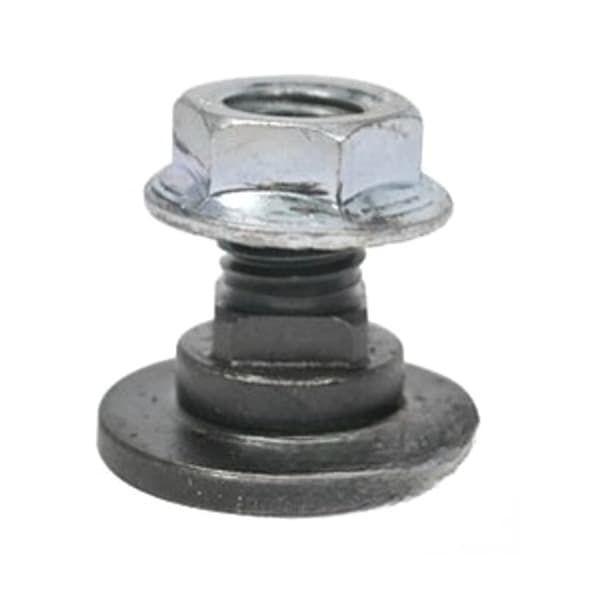
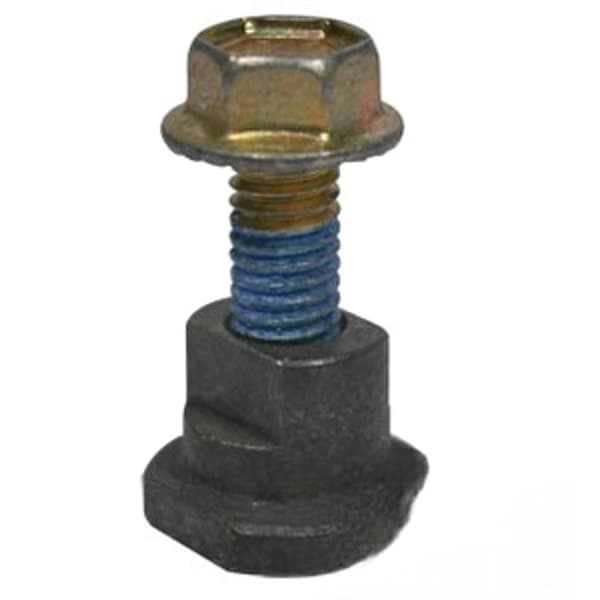
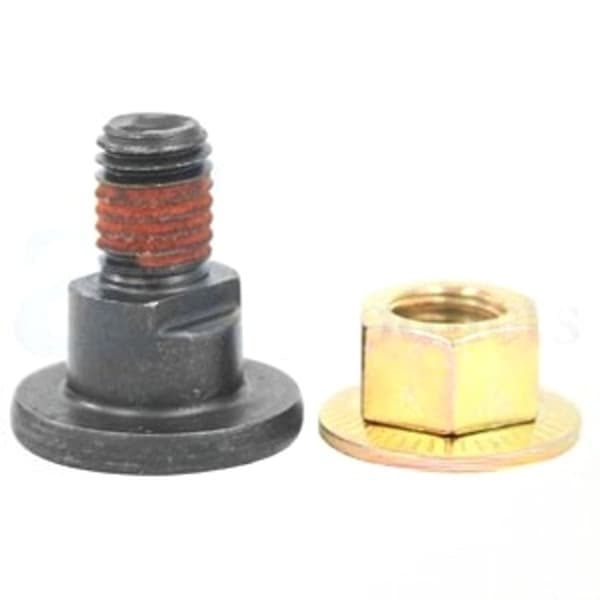
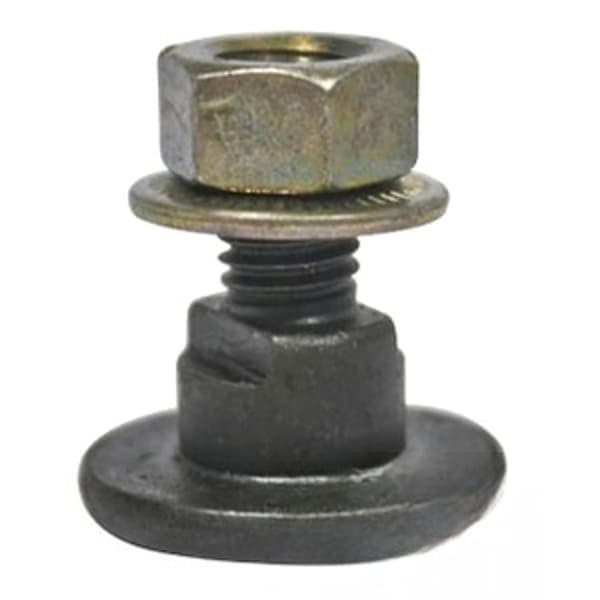
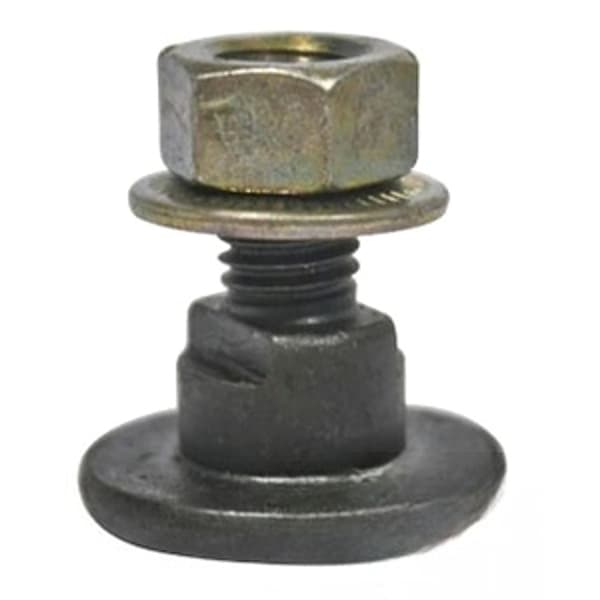
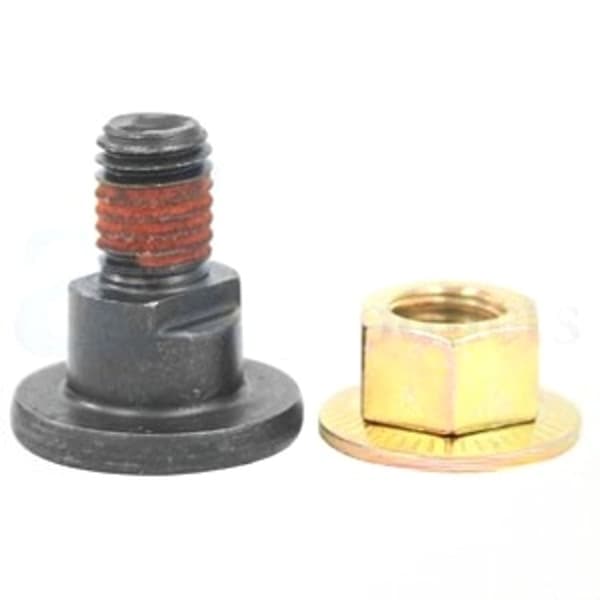
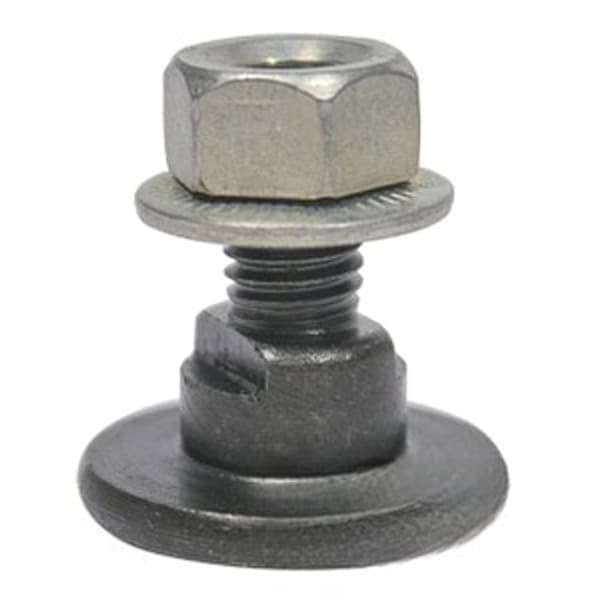
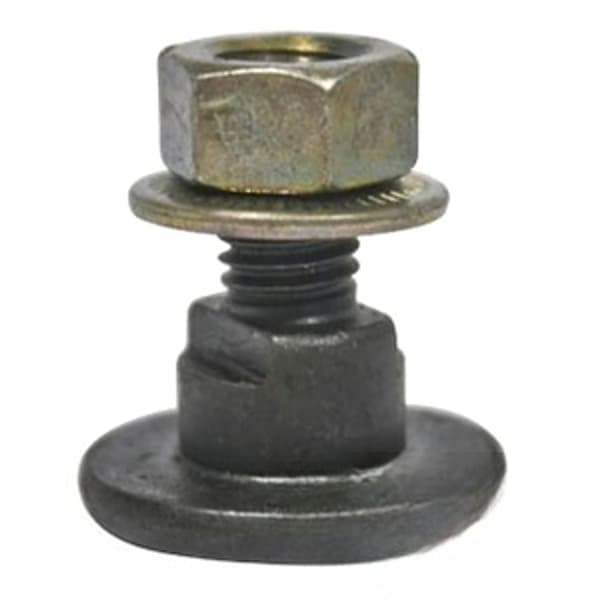
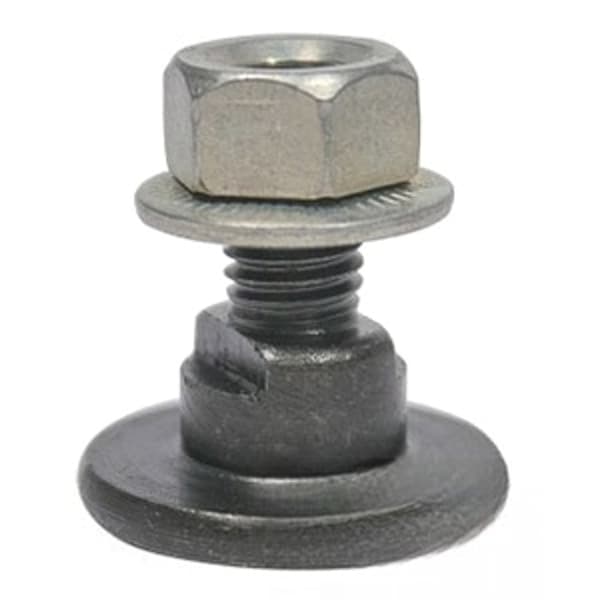
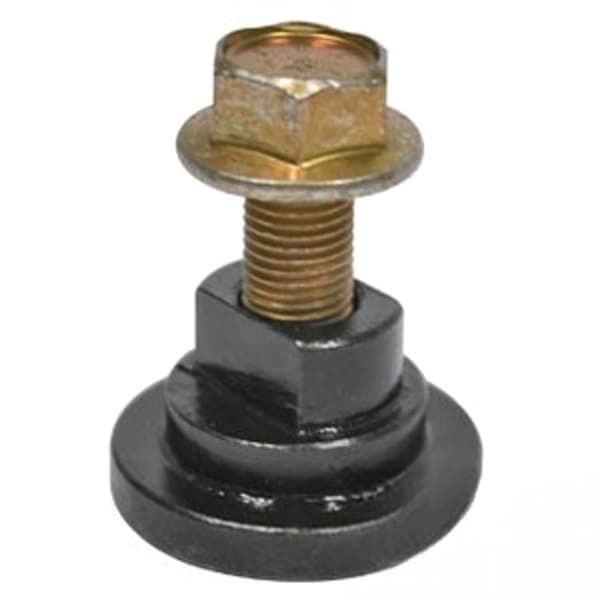
🔍 Looking for a specific part? Try our AI Part Finder — tell it your equipment and what you need, and it will find matching parts instantly.
It's crucial to differentiate between standard hardware store bolts and those included in a dedicated mower blade bolt kit. Mower blade bolts are often made from higher-grade steel and designed to withstand the specific stresses and vibrations of a mower deck. They also often have a shoulder that provides a precise fit. Always replace your mower blade bolts when you change blades or notice any signs of wear or damage. And speaking of blades, be sure to consult our guides to find the right blades for your machine, such as John Deere mower blades, Craftsman 42-inch mower blades, Cub Cadet mower blades, Husqvarna mower blades, and Toro mower blades.
Understanding the Components of a Bolt Kit
A typical mower blade bolt kit will include the following:
- Bolt: The primary fastener. Look for grade 5 or grade 8 bolts for optimal strength. The bolt length must be correct for your specific blade and deck configuration.
- Washer(s): Washers serve several purposes. Flat washers distribute the load, preventing damage to the blade and deck. Lock washers or star washers help prevent the bolt from loosening due to vibration. Some mowers use a combination of both.
- Nut: The nut secures the bolt in place. Nylock nuts (nylon insert lock nuts) are common because they provide a secure hold and resist loosening due to vibration.
It is essential to use all components of the kit when installing your mower blades. Do not substitute parts with generic hardware unless you are absolutely certain of the grade and dimensions. For example, using the incorrect type of washer could lead to premature wear or blade detachment.
Choosing the Right Bolt Kit for Your Mower
Selecting the appropriate mower blade bolt kit is crucial for safety and performance. Here's how to ensure you get the right one:
- Consult Your Owner's Manual: This is the best source for finding the correct part number for your specific mower model. The manual will specify the bolt size, thread type, grade, and any other specific requirements.
- Identify Your Mower Model: When ordering online or from a parts retailer, be sure to accurately identify your mower's make, model, and deck size. This information is usually found on a sticker or plate on the mower deck or frame.
- Check Compatibility: If you are unsure, verify that the bolt kit is specifically listed as compatible with your mower model. Many online retailers, like Madison Tractor Company, offer part finders to help you confirm compatibility.
- Consider Aftermarket Options: Reputable aftermarket brands offer high-quality bolt kits that meet or exceed OEM specifications. However, always prioritize quality and reliability over price.
Madison Tractor Company carries a wide selection of bolt kits for various mower brands, including John Deere, Craftsman, Cub Cadet, Husqvarna, Toro, Ariens, Murray, Hustler, Scag, Exmark, Ferris, Snapper, Simplicity, and Dixie Chopper. We can help you find the right mower blades and related hardware like spindles and belts.
Torque Specifications: Why They Matter
Proper torque is crucial for securely fastening your mower blades. Overtightening can stretch or break the bolt, while undertightening can lead to blade detachment and dangerous projectiles. Torque is measured in foot-pounds (ft-lbs) or inch-pounds (in-lbs). Always use a torque wrench to ensure accurate tightening.
- Overtightening: Can damage the bolt, blade, or spindle, and make it difficult to remove the bolt later. In extreme cases, it can even cause the bolt to snap.
- Undertightening: Can allow the blade to loosen during operation, leading to vibration, uneven cutting, and potential blade detachment. This is a serious safety hazard.
Torque specifications vary depending on the mower model, bolt size, and material. Always consult your owner's manual for the correct torque value. If you cannot find the specification, a general guideline is 45-70 ft-lbs for most riding mowers and zero-turn mowers. However, this is just a general guideline, and the correct specification is always preferred.
Step-by-Step Guide to Installing Mower Blades with Proper Torque
Here's a detailed guide to safely and effectively installing your mower blades:
- Safety First: Disconnect the spark plug wire to prevent accidental starting. Wear gloves to protect your hands.
- Secure the Mower: Engage the parking brake and, if possible, block the wheels to prevent movement. For riding mowers, you may need to lift the mower deck. Use jack stands for safety.
- Remove the Old Blades: Use a wrench or socket to loosen the old blade bolts. If the bolts are stuck, try using penetrating oil. Be careful when removing the old blades, as they may be sharp.
- Clean the Spindle: Clean any rust or debris from the spindle mounting surface. This will ensure a proper fit for the new blade.
- Install the New Blade: Align the new blade with the spindle, ensuring it is facing the correct direction (usually with the curved edge pointing upwards towards the mower deck).
- Install the New Hardware: Use the new bolts, washers, and nuts from your mower blade bolt kit. Make sure to use all the components specified in the kit.
- Tighten to the Specified Torque: Use a torque wrench to tighten the bolts to the torque specification listed in your owner's manual. Tighten in a star pattern if the mower has more than one blade to ensure even distribution of forces.
- Double-Check: After tightening, double-check that the blades are securely attached and can rotate freely (with the spark plug disconnected!).
- Reconnect the Spark Plug: Reconnect the spark plug wire.
- Test Run: Start the mower and carefully observe for any unusual vibrations or noises. If you notice anything, stop the mower immediately and re-check the blade installation.
Safety Warning: Always disconnect the spark plug before working on your mower blades. Never operate the mower with loose or damaged blades. Regularly inspect your blades and hardware for wear and tear.
Troubleshooting Common Issues
Here are some common issues you might encounter and how to address them:
- Bolt Won't Loosen: Use penetrating oil and let it soak for several minutes. If that doesn't work, try using a breaker bar for extra leverage. As a last resort, you may need to use a torch to heat the bolt, but be extremely careful and avoid damaging the surrounding components.
- Bolt Stripped: If the bolt is stripped, you may need to use a bolt extractor tool. In severe cases, you may need to replace the entire spindle.
- Blade Keeps Loosening: Ensure you are using the correct torque specification and that the lock washer or nylock nut is in good condition. Consider using a thread locker compound (like Loctite) for added security.
- Vibration After Installation: This could indicate an unbalanced blade, a bent spindle, or loose hardware. Re-check the blade installation and balance the blade if necessary. If the problem persists, inspect the spindle for damage. Also check related parts like pulleys and bearings for wear or damage.
Maintaining Your Mower for Optimal Performance
Regular maintenance is key to keeping your mower running smoothly and safely. Here are some essential maintenance tasks:
- Sharpen Blades Regularly: Dull blades tear the grass, leading to brown tips and unhealthy lawns. Sharpen your blades every 25 hours of use or at least once a season.
- Balance Blades After Sharpening: An unbalanced blade can cause vibration and damage to the spindle. Use a blade balancer to ensure proper balance.
- Inspect Blades and Hardware Regularly: Check for signs of wear, damage, or cracks. Replace blades and hardware as needed.
- Change Engine Oil Regularly: Refer to your owner's manual for the recommended oil change interval.
- Replace Air Filter and Spark Plug: A clean air filter and a properly functioning spark plug are essential for optimal engine performance. See our selection of spark plugs and air filters.
- Check Belts and Pulleys: Inspect belts for cracks, fraying, or wear. Replace belts and pulleys as needed.
By following these maintenance tips, you can extend the life of your mower and ensure optimal performance.
Shop Mower Blade Bolt Kits and Parts at Madison Tractor Company
At Madison Tractor Company, we're committed to providing you with the highest quality mower parts and accessories. We carry a wide selection of mower blade bolt kits, blades, spindles, belts, filters, and other essential parts for all major mower brands. Our knowledgeable staff is here to help you find the right parts for your specific needs. Browse our online catalog today and experience the Madison Tractor difference! You can also use our AI-Powered Part Finder to search for parts by your specific make and model.
Part of our comprehensive guide
Mower Blade Buying Guide: Find the Right Blades for Your Mower