



John Deere W330 Combine Parts
W330 parts and accessories
The John Deere W330 combine, manufactured from 2013 to 2016, offered farmers a reliable and efficient harvesting solution. Powered by a 168 HP engine and available with header widths up to 20 feet, this conventional combine gained popularity for its ease of use, affordability, and suitability for smaller to medium-sized farms. Its robust design and simplified mechanics made it a dependable choice for harvesting wheat, soybeans, and other grains.
The John Deere W330 combine was introduced in 2013 as a part of John Deere's W-Series combines, aimed at providing a more accessible option for farmers who didn't require the scale of larger rotary models. Production continued through 2016. The W330 is powered by a John Deere PowerTech™ 4.5L 4-cylinder diesel engine producing 168 horsepower (125 kW). This engine provides ample power for threshing and separating in varied field conditions. The threshing system utilizes a conventional rasp bar cylinder, providing efficient separation of grain from the crop. The grain tank capacity is approximately 220 bushels (7750 liters), allowing for extended operation between unloading. The unloading auger boasts a rate of approximately 50 bushels per minute. Available header widths ranged from 13 to 20 feet, providing flexibility to match field size and crop density. A straw chopper and spreader were offered as optional equipment, facilitating residue management and even distribution across the field. The cab features a comfortable operator environment with intuitive controls and clear visibility. The W330 excels at harvesting wheat, soybeans, barley, and other small grains due to its effective conventional threshing system and adaptable header options.
Specifications
| Engine | John Deere PowerTech™ 168 HP 4.5L Diesel |
|---|---|
| Separator Type | Conventional - 42-inch Cylinder |
| Grain Tank | 220 bushels |
| Unloading Rate | 50 bu/min |
| Header Widths | 13-20 ft |
| Fuel Capacity | 80 gallons |
| Weight | Approximately 19,000 lbs |
| Years Produced | 2013-2016 |
Maintenance Tips
- Concave Adjustment: Regularly check and adjust concave clearance to ensure optimal threshing performance and minimize grain damage. Refer to the operator's manual for recommended settings based on the crop being harvested.
- Belt and Chain Tension: Inspect belt and chain tension frequently and adjust as needed to prevent slippage and premature wear. Proper tension ensures efficient power transfer and reduces the risk of component failure.
- Sieve and Chaffer Cleaning: Regularly clean the sieves and chaffer to remove debris and prevent plugging, ensuring efficient grain cleaning and minimizing losses.
- Bearing Greasing: Grease all bearings according to the manufacturer's recommendations to maintain proper lubrication and extend component life. Pay particular attention to bearings in high-stress areas such as the header and threshing unit.
History & Background
The John Deere W330 was introduced in 2013 as a part of the W-Series lineup, filling a niche for farmers seeking a smaller, more affordable conventional combine. It served as a reliable option before being discontinued in 2016 as market demands shifted towards larger, more technologically advanced machines. Though its production run was relatively short, the W330 remains a respected model for its simplicity and dependability.
Frequently Asked Questions
What engine is in the John Deere W330?
The John Deere W330 is equipped with a John Deere PowerTech™ 4.5L 4-cylinder diesel engine, producing 168 horsepower (125 kW).
What is the grain tank capacity on a W330?
The John Deere W330 has a grain tank capacity of approximately 220 bushels (7750 liters). The unloading rate is around 50 bushels per minute.
What type of separator does the W330 have?
The John Deere W330 utilizes a conventional threshing system with a 42-inch wide rasp bar cylinder for effective grain separation.
What are common parts needed for the W330?
Common wear parts for the John Deere W330 include concaves, rasp bars, belts, chains, bearings, auger fingers, and sickle sections. Regular replacement of these parts ensures optimal harvesting performance and minimizes downtime.
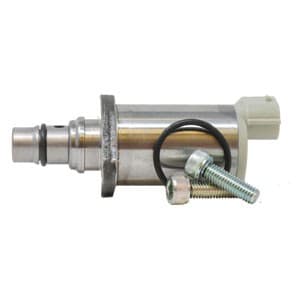
DZ111135 - Suction Control Valve
SKU: DZ111135
127 in stock
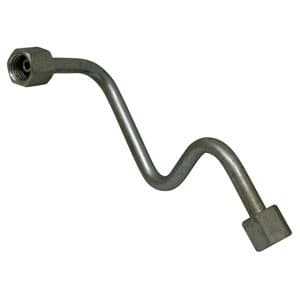
DZ104989 - Injection Pump to Rail Fuel Line
SKU: DZ104989
57 in stock
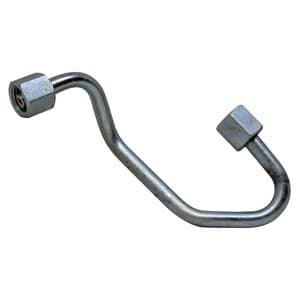
DZ104988 - Injection Pump to Rail Fuel Line
SKU: DZ104988
34 in stock

AR92893 - Rear Crankshaft W/ Wear Sleeve Seal
SKU: AR92893
98 in stock

AR65507 - Liner Sealing Ring Kit
SKU: AR65507
298 in stock

RE522878 - Fuel/Water Separator Filter
SKU: RE522878
566 in stock

AH116104 - Magnetic Pickup Sensor
SKU: AH116104
68 in stock

RE52722 - Water Temperature Sensor
SKU: RE52722
19 in stock

RE509813 - Water Pump Repair Kit
SKU: RE509813
19 in stock

RE500734 - Water Pump
SKU: RE500734
265 in stock

R123226 - Tube Seal
SKU: R123226
558 in stock

R115250 - Water PUMP (94 MM DIA) Pulley
SKU: R115250
32 in stock

DZ100555 - 180° Thermostat
SKU: DZ100555
39 in stock

AT310335 - Surge Tank Cap
SKU: AT310335
83 in stock

45M7058 - Headed Pin
SKU: 45M7058
34 in stock