



John Deere 1165 Combine Parts
The John Deere 1165 Combine Harvester was a workhorse on many farms, built to deliver reliable grain harvesting. While exact production years are scarce, these combines were typically equipped with engines around 100-150 HP, and offered header widths suitable for medium-sized farms. Known for their conventional separation systems and robust design, the 1165 offered a reliable solution for harvesting wheat, soybeans, and corn.
The John Deere 1165 represents a pivotal era in combine technology, offering a dependable and efficient solution for farmers during its production years. Though exact production years are difficult to pinpoint, the 1165 was generally produced in the late 1970s and early to mid 1980s. These models were powered by John Deere diesel engines, typically in the 100-150 horsepower range, with displacements suited for demanding harvesting conditions. Featuring a conventional threshing system with a cylinder and concave, the 1165 effectively separated grain from the crop material. The grain tank capacity was approximately 80-120 bushels, depending on the specific configuration. Unloading auger speeds generally ranged from 40-60 bushels per minute, enabling swift grain transfer. Available header widths ranged from 13-18 feet, catering to a variety of field sizes. While specific chopper/spreader options varied, many 1165 models included a straw chopper to manage residue. The cab offered basic operator comforts with controls for adjusting header height, ground speed, and separator settings. The 1165 excelled in harvesting a range of crops including wheat, soybeans, and corn, making it a versatile asset for any grain farm.
Specifications
| Engine | John Deere 100-150 HP Diesel |
|---|---|
| Separator Type | Conventional - Cylinder and Concave |
| Grain Tank | 80-120 bushels |
| Unloading Rate | 40-60 bu/min |
| Header Widths | 13-18 ft |
| Fuel Capacity | Unknown gallons |
| Weight | Unknown lbs |
| Years Produced | Late 1970s - Mid 1980s (Estimated) |
Maintenance Tips
- Concave Adjustment: Regularly inspect and adjust the concave clearance according to the crop being harvested. Proper concave setting minimizes grain loss and damage.
- Belt and Chain Tension: Check and maintain proper tension on all belts and chains. Loose belts and chains can slip, causing reduced performance and premature wear.
- Sieve and Chaffer Cleaning: Clean the sieves and chaffer regularly to ensure proper air flow and efficient separation. Clogged sieves lead to grain loss and reduced harvest quality.
- Bearing Greasing: Lubricate all bearings according to the manufacturer's recommendations. Proper greasing prevents bearing failure and extends the life of critical components.
History & Background
The John Deere 1165 entered the agricultural landscape during a period of increasing demand for efficient harvesting solutions. While not a groundbreaking model in terms of technological advancements, the 1165 represented a reliable and practical option for farmers seeking a cost-effective combine harvester. Its enduring popularity is a testament to its simple design and robust build quality.
Frequently Asked Questions
What engine is in the John Deere 1165?
The John Deere 1165 typically uses a John Deere diesel engine, with horsepower ranging from 100 to 150, depending on the specific configuration. The displacement would vary with the HP rating.
What is the grain tank capacity on a 1165?
The grain tank capacity of the John Deere 1165 is typically between 80 and 120 bushels. The unloading rate is around 40-60 bushels per minute.
What type of separator does the 1165 have?
The John Deere 1165 utilizes a conventional threshing system with a cylinder and concave for separating grain from the crop material.
What are common parts needed for the 1165?
Common wear parts for the John Deere 1165 include concaves, rasp bars, belts, chains, bearings, auger fingers, and sickle sections. These parts are essential for maintaining optimal performance and minimizing downtime.
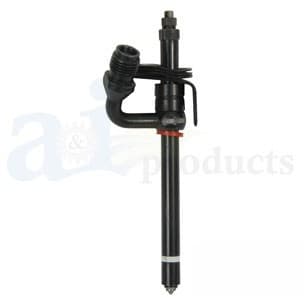
RE38087 - Pencil Injector
SKU: RE38087
Out of stock
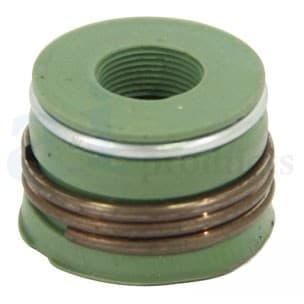
RE31617 - Valve Seal
SKU: RE31617
647 in stock
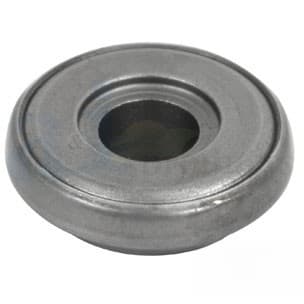
RE31323 - Valve Rotator
SKU: RE31323
74 in stock
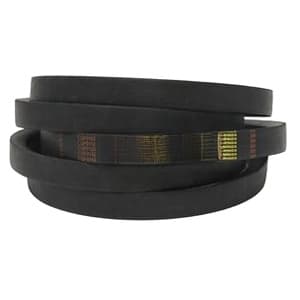
SA00601 - Upper Fan Variator Belt
SKU: SA00601
163 in stock
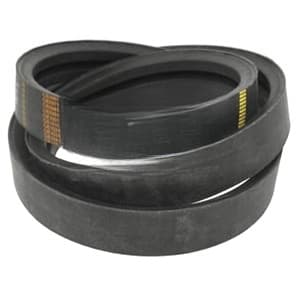
CQ40222 - Fan Drive Belt
SKU: CQ40222
242 in stock
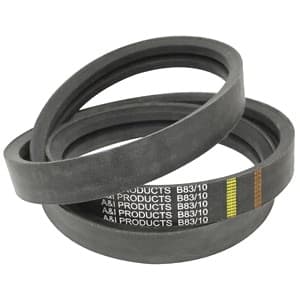
CQ31965 - Clean Grain Elevator Drive Belt
SKU: CQ31965
165 in stock
CQ17755 - Hydraulic Pump Belt
SKU: CQ17755
352 in stock
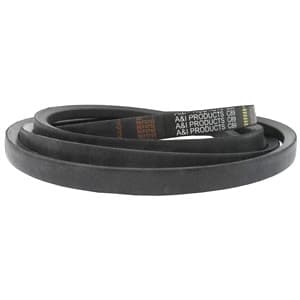
CQ03265 - Grain Tank Unloading Belt
SKU: CQ03265
137 in stock

RE66097 - Major Engine Overhaul Kit
SKU: RE66097
Out of stock

R27796 - Durometer 70 O-ring; 6.234" ID X .139" Thick
SKU: R27796
8 in stock

51M7041 - O-ring
SKU: 51M7041
455 in stock

34M7043 - Spring Pin
SKU: 34M7043
300 in stock
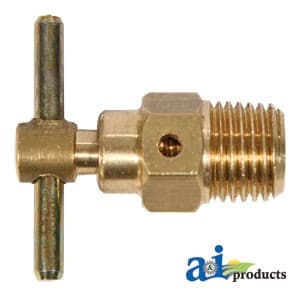
365333X1 - Radiator Drain Tap
SKU: 365333X1
223 in stock

M45862 - JOHN DEERE
SKU: M45862
409 in stock