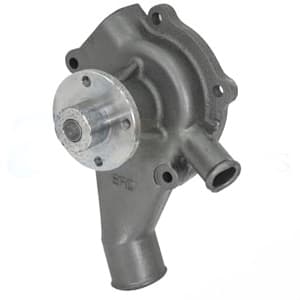
Gleaner F2 Combine Parts
The Gleaner F2 combine, produced from the late 1960s through the late 1970s, was a popular choice for farmers needing a reliable and versatile harvesting solution. Powered by engines ranging from 105 to 130 horsepower, the F2 offered header widths up to 20 feet, making it suitable for medium-sized farms. Its conventional separator design provided efficient threshing and separation, contributing to its reputation for dependable performance.
The Gleaner F2 combine was a staple on many farms for its affordability and ease of use. Production spanned from approximately 1967 to 1979. It was typically equipped with an Allis-Chalmers gasoline or diesel engine, with horsepower ranging from 105 HP to 130 HP depending on the year and configuration. The engine displacement ranged from approximately 290 cubic inches to 301 cubic inches. The F2 utilizes a conventional threshing system featuring a 42-inch wide cylinder and walkers for efficient grain separation. Its grain tank holds around 120 bushels, and the unloading auger can unload at a rate of approximately 40-50 bushels per minute. Available header widths ranged from 13 feet to 20 feet. Chopper and spreader options were available to manage crop residue. While the cab was relatively simple compared to modern combines, it offered improved operator comfort and visibility. The Gleaner F2 excelled at harvesting wheat, soybeans, and corn in various conditions, making it a versatile machine for diverse farming operations.
Specifications
| Engine | Allis-Chalmers 105-130 HP Diesel |
|---|---|
| Separator Type | Conventional - 42 inch wide cylinder |
| Grain Tank | 120 bushels |
| Unloading Rate | 40-50 bu/min |
| Header Widths | 13-20 ft |
| Fuel Capacity | 50 gallons |
| Weight | Approx. 14,000 lbs |
| Years Produced | 1967-1979 |
Maintenance Tips
- Concave Adjustment: Regularly check and adjust the concave clearance to ensure proper threshing without damaging the grain. Different crops require different settings.
- Belt and Chain Tension: Inspect belt and chain tension regularly, paying close attention to the main drive belt and feeder house chain. Loose belts or chains can lead to slippage and reduced performance.
- Sieve and Chaffer Cleaning: Clean the sieves and chaffer frequently to remove debris and ensure proper separation. A clogged cleaning system reduces grain quality and increases losses.
- Bearing Greasing: Grease all bearings according to the manufacturer's recommendations. Proper lubrication extends bearing life and prevents premature failure.
History & Background
The Gleaner F2 was introduced in the late 1960s as a mid-sized combine in the Gleaner lineup, offering a balance of performance and affordability. While it didn't undergo major redesigns during its production run, minor improvements were implemented over the years to enhance reliability and efficiency. The F2 played a significant role in making combine harvesting accessible to a wider range of farmers.
Frequently Asked Questions
What engine is in the Gleaner F2?
The Gleaner F2 typically features an Allis-Chalmers gasoline or diesel engine, with horsepower ranging from 105 to 130 HP depending on the specific model year and configuration. Displacement can vary from approximately 290 to 301 cubic inches.
What is the grain tank capacity on a F2?
The grain tank capacity on a Gleaner F2 is approximately 120 bushels, with an unloading rate of around 40-50 bushels per minute.
What type of separator does the F2 have?
The Gleaner F2 utilizes a conventional threshing system. This system employs a 42-inch wide cylinder and straw walkers to separate the grain from the straw and chaff.
What are common parts needed for the F2?
Commonly needed replacement parts for the Gleaner F2 include concaves, rasp bars, belts (main drive, header drive, etc.), chains (feeder house, elevator, etc.), bearings, auger fingers, and sickle sections.