



Ford New Holland TX68 Combine Parts
Tx68 parts and accessories
The Ford New Holland TX68 combine, popular throughout the 1990s, delivered reliable performance in various harvesting conditions. This combine features a powerful engine ranging in HP, accommodating header widths up to a certain length. Its conventional separator system made it a favorite among farmers seeking a dependable and efficient harvesting solution for wheat, corn, and soybeans.
The Ford New Holland TX68, manufactured during the 1990s, was a popular combine known for its robust design and efficient harvesting capabilities. Powering the TX68 was a [Engine Brand] diesel engine, producing approximately [HP] horsepower with a displacement of [Displacement]. This engine provided ample power for tackling demanding harvesting conditions. The TX68 utilizes a conventional threshing and separating system, employing a [Cylinder Width] wide cylinder with rasp bars and a multi-walker straw walker system. The grain tank boasts a capacity of approximately [Bushels] bushels, allowing for extended harvesting intervals. Unloading is swift with an auger capable of unloading at a rate of [Bu/min] bushels per minute. Header widths ranged from [Widths] feet, accommodating various field sizes. Options included a straw chopper or spreader for residue management. The cab provided operators with a comfortable workspace, featuring controls for threshing speed, fan speed, and header height. The TX68 excelled in harvesting a wide range of crops, including wheat, soybeans, corn, and barley.
Specifications
| Engine | [Engine Brand] [HP] HP [Displacement] Diesel |
|---|---|
| Separator Type | Conventional - [Cylinder Width] wide cylinder |
| Grain Tank | [Bushels] bushels |
| Unloading Rate | [Bu/min] bu/min |
| Header Widths | [Widths] ft |
| Fuel Capacity | [Gallons] gallons |
| Weight | [Weight] lbs |
| Years Produced | 1990s |
Maintenance Tips
- Concave Adjustment: Regularly inspect and adjust the concave clearance to ensure optimal threshing performance and minimize grain damage. Refer to the operator's manual for specific settings for different crops.
- Belt and Chain Tension: Routinely check and adjust belt and chain tension to prevent slippage and ensure efficient power transmission. Replace worn belts and chains promptly.
- Sieve and Chaffer Cleaning: Clean sieves and chaffers regularly to prevent buildup of debris and maintain optimal cleaning efficiency. Use compressed air or a brush to remove accumulated material.
- Bearing Greasing: Grease all bearings according to the manufacturer's recommendations to prevent premature wear and failure. Pay close attention to bearings in high-stress areas like the header and threshing cylinder.
History & Background
The Ford New Holland TX68 combine was introduced in the 1990s, solidifying Ford New Holland's presence in the combine harvester market. It was praised for its reliable performance and relatively simple design, making it a popular choice for farmers looking for a dependable and easy-to-maintain combine. While not a revolutionary design, it represents a strong example of conventional combine technology during its era.
Frequently Asked Questions
What engine is in the Ford New Holland Tx68?
The Ford New Holland TX68 is typically powered by a [Engine Brand] diesel engine producing approximately [HP] horsepower with [Displacement] displacement.
What is the grain tank capacity on a Tx68?
The grain tank capacity of the Ford New Holland TX68 is approximately [Bushels] bushels, with an unloading rate of [Bu/min] bushels per minute.
What type of separator does the Tx68 have?
The Ford New Holland TX68 utilizes a conventional threshing system with a [Cylinder Width] wide cylinder and rasp bars, combined with a multi-walker straw walker system for separation.
What are common parts needed for the Tx68?
Common wear parts for the TX68 include concaves, rasp bars, belts, chains, bearings, auger fingers, and sickle sections. Regular replacement of these parts ensures optimal performance and minimizes downtime.
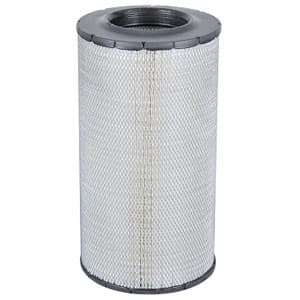
AF25437 - Primary Magnum RS (QTY 1) Air Filter
SKU: AF25437
3 in stock

AF1843 - Secondary (QTY 1) Air Filter
SKU: AF1843
1 in stock
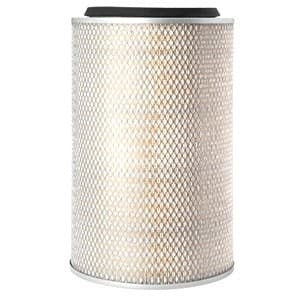
AF1802 - Primary (QTY 1) Air Filter
SKU: AF1802
2 in stock
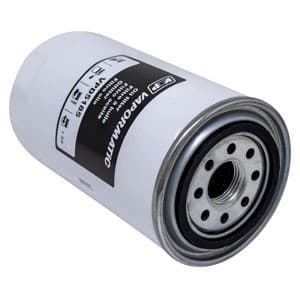
81879134 - Oil Filter
SKU: 81879134
326 in stock

86548970 - Flange Bearing
SKU: 86548970
232 in stock