








Tractor Cab Air Filter: Pressurizer & Recirculation
Tractor cab air filters are essential for operator comfort and safety. This guide covers the different types of filters, their function in pressurization and recirculation systems, maintenance tips, and replacement procedures to keep your cab clean and comfortable.
Working long hours in the field demands a comfortable and safe environment inside your tractor cab. A key component of this comfort is a properly functioning cab air filtration system. This article will delve into the different types of tractor cab air filters, focusing on pressurizer and recirculation filters, their importance, maintenance replacement procedures.
Recommended Parts for This Guide
10 parts we recommend — in stock, ships fast, one-click add to cart.
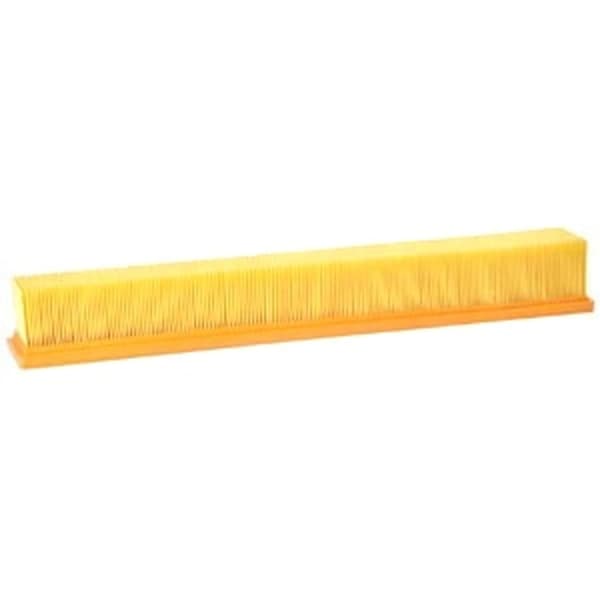
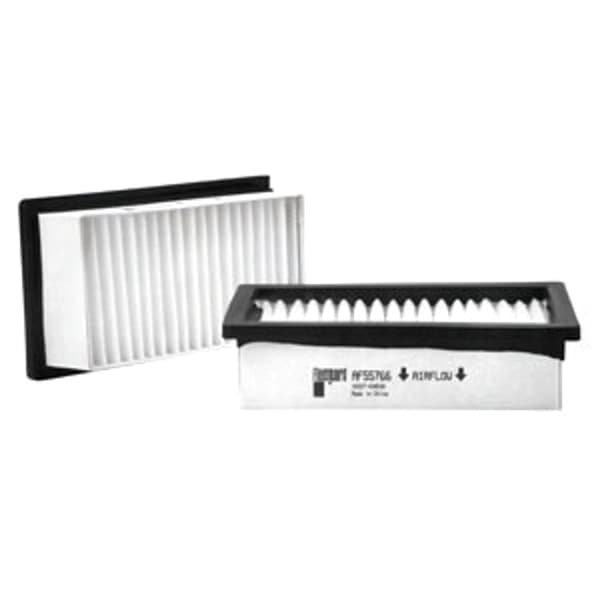
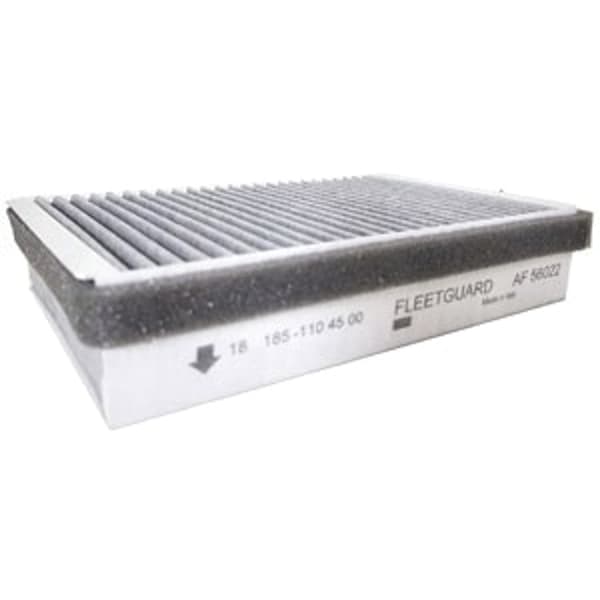
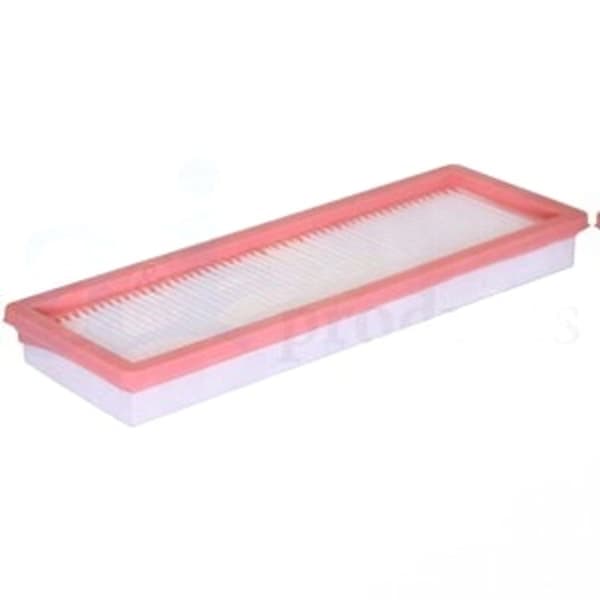
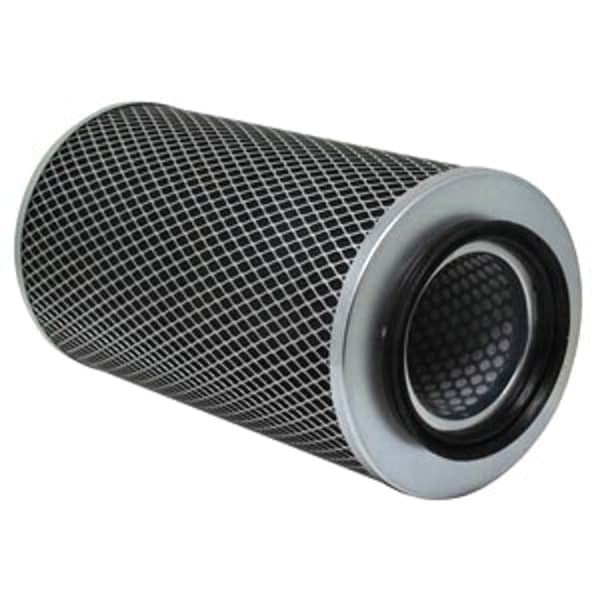
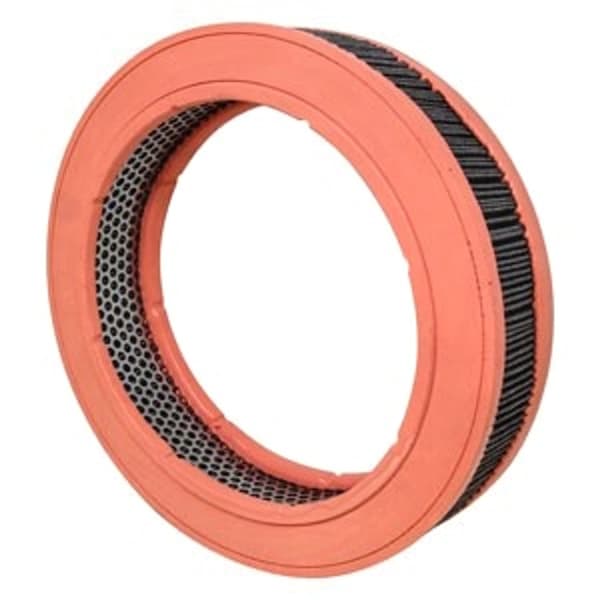
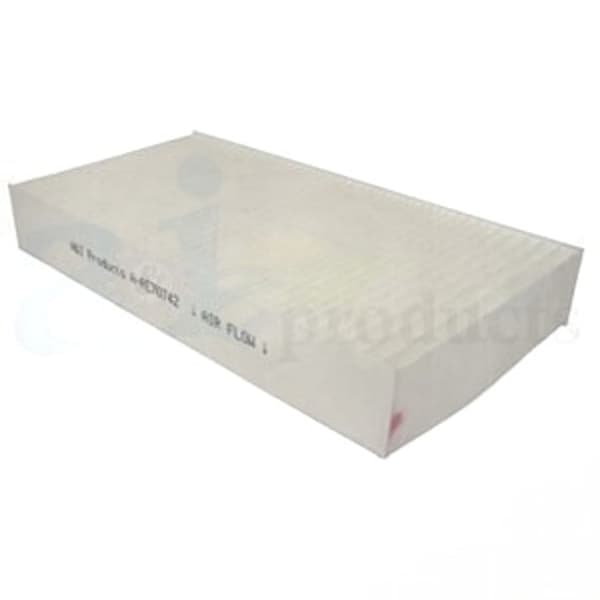
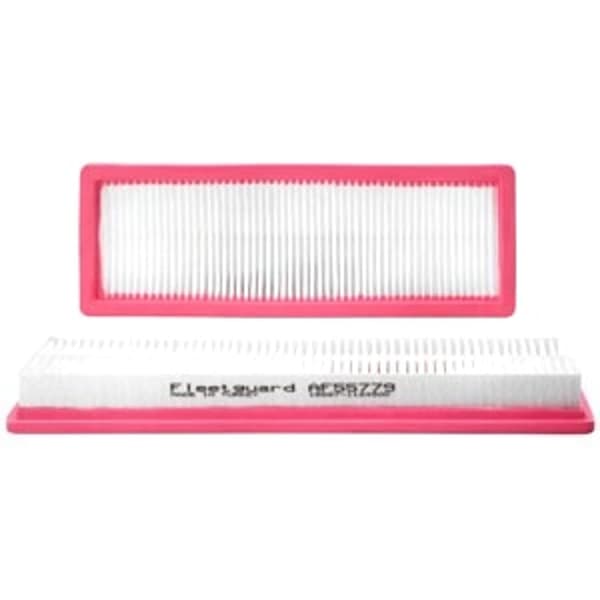
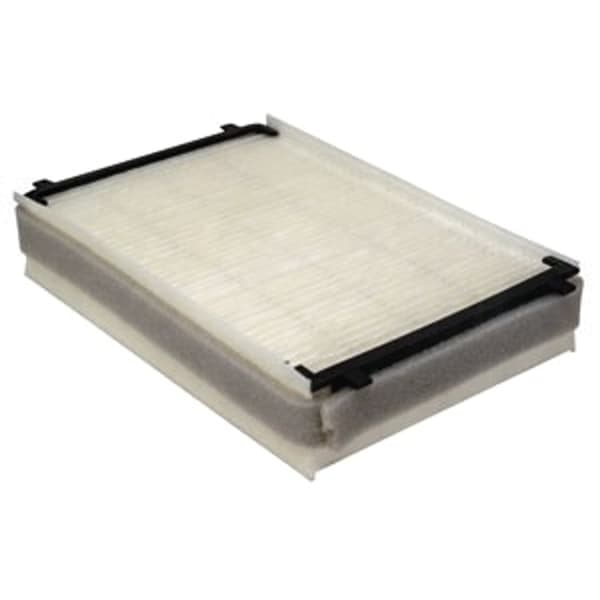
🔍 Looking for a specific part? Try our AI Part Finder — tell it your equipment and what you need, and it will find matching parts instantly.
Why is a Tractor Cab Air Filter Important?
Think of your tractor cab air filter as the lungs of your workspace. It protects you from harmful dust, pollen, pesticides other airborne contaminants that can significantly impact your health and comfort during long days in the field. A clogged or damaged filter compromises this protection, leading to
- Reduced Air Quality Increased exposure to dust and allergens can trigger respiratory issues and allergies.
- Reduced HVAC Performance Dirty filters restrict airflow, making it harder for your air conditioning and heating systems to maintain a comfortable temperature. You might notice your AC struggling to cool the cab, especially on hot days. This can put extra strain on your air conditioning components, such as the compressor and condenser.
- Increased Wear and Tear Dust and debris can infiltrate sensitive electronic components within the cab, potentially causing damage and requiring costly repairs.
- Reduced Visibility A dusty environment inside the cab can obstruct your view, posing a safety hazard.
Prioritizing regular cab air filter maintenance is an investment in your health, comfort the longevity of your tractor.
Types of Tractor cab air filters: Pressurizer and Recirculation
Most modern tractors utilize a two-filter system
pressurizer filter (fresh air filter)
The pressurizer filter, also known as the fresh air filter or supply filter, draws outside air into the cab. Its primary function is to remove contaminants before they enter the cab, creating a cleaner and healthier environment. This filter is typically located on the roof or side of the cab.
Function
- Filters incoming air from dust, pollen, pesticides other airborne debris.
- Helps to maintain positive pressure inside the cab, preventing unfiltered air from entering through gaps and cracks.
Common Problems
- Clogging due to dust and debris accumulation.
- Damage from physical impacts.
- Incorrect filter installation.
For example, on a John Deere 7R series tractor, the pressurizer filter is typically located on the cab roof. Similarly, on a Case IH Magnum series, the filter is usually found on the side of the cab, near the cab door.
recirculation filter
The recirculation filter cleans the air already inside the cab. It removes dust, pollen other contaminants that may have entered the cab or been generated by occupants. This filter is typically located inside the cab, often behind a panel or under the seat. You can easily find a replacement tractor seat cushion if you need to remove it for filter access.
Function
- Removes contaminants from the air circulating within the cab.
- Helps to maintain air quality even when the tractor is operating in dusty conditions.
Common Problems
- Clogging due to dust, debris pet dander (if applicable).
- Reduced effectiveness over time.
On many Massey Ferguson tractors, like the 5400 series, the recirculation filter can be found under the seat. For Kubota M series tractors, check behind the side panel near the operator.
Tractor Cab Air Filter Maintenance: Inspection and Cleaning
Regular maintenance is crucial for maximizing the effectiveness and lifespan of your cab air filters. Here’s a recommended schedule
- Visual Inspection (Every 50 Hours of Operation) Check both filters for excessive dirt and debris accumulation.
- Cleaning (Every 250 Hours of Operation, or more frequently in dusty conditions) Gently remove loose debris from the filters using compressed air. Always blow from the clean side to the dirty side to avoid forcing debris deeper into the filter media. For paper filters, cleaning may not be effective; replacement is usually recommended.
- Replacement (Every 500 Hours of Operation, or annually) Replace the filters even if they appear relatively clean. Over time, the filter media can become less effective at trapping contaminants.
Pro Tip Keep a log of your filter maintenance schedule to ensure timely replacement. Consider the operating environment. If you're consistently working in extremely dusty or pollen-rich conditions, shorten the maintenance intervals.
Tractor Cab Air Filter Replacement: Step-by-Step Guide
Replacing your tractor cab air filter is a relatively simple task that can significantly improve your working environment. Here's a general guide; always refer to your tractor's operator manual for specific instructions and location information
- Gather Your Supplies
- New cab air filters (pressurizer and recirculation). Use your tractor's make, model year to ensure you order the correct parts. We carry filters for John Deere, Case IH, Ford, New Holland, Massey Ferguson, Kubota, Allis Chalmers, Deutz, International Harvester, Oliver, White more.
- Screwdriver (usually Phillips head)
- Wrench (if needed)
- Clean cloth or shop towel
- Safety glasses
- Gloves (optional)
- Locate the Filters Consult your operator's manual for the exact location of the pressurizer and recirculation filters.
- Remove the Old Filters
- Typically, you'll need to remove a cover or panel to access the filter.
- Carefully remove the old filters. Note the orientation of the filter for proper installation of the new filter.
- Dispose of the old filters properly.
- Clean the Filter Housing Use a clean cloth to wipe out any dust or debris from the filter housing.
- Install the New Filters
- Insert the new filters, ensuring they are properly seated and oriented correctly.
- Replace the cover or panel.
- Verify Operation Start the tractor and turn on the HVAC system to ensure proper airflow.
Safety Warning Always shut off the engine and allow it to cool completely before performing any maintenance. Disconnect the battery if recommended in your operator's manual.
Specific Examples & Part Numbers
- A Ford 8N tractor typically doesn't have a factory-installed cab, but if one has been added, you'll need to identify the cab manufacturer to find the correct filter.
- For a Case IH MX135 (1998-2002), check the operator's manual for the proper filter type.
When selecting replacement filters, consider using high-quality aftermarket options. Always cross-reference the OEM part number to ensure compatibility. While you are at it, check your radiator and water pump, especially if you find a significant amount of dust in the filter assembly, to ensure they are functioning properly to keep the machine running cool.
Troubleshooting Common Issues
Here are some common problems and their solutions
- Reduced Airflow This is usually caused by a clogged cab air filter. Replace the filter.
- Musty Odor This could indicate mold or mildew growth in the HVAC system. Consider cleaning the evaporator core and replacing the filters.
- Constant Dust Inside the Cab This could indicate a damaged cab air filter, leaks in the cab seals, or a malfunctioning pressurization system. Inspect and repair any leaks and replace the filter. Checking the integrity of your cab seals is also important.
Don't overlook other important comfort and safety components. Proper tractor seat suspension is crucial for reducing fatigue during long days. Be sure to check out our selection of Tractor Seat Suspension: Air Ride & Mechanical Options.
Conclusion
Maintaining your tractor cab air filter is a simple yet crucial task that can significantly improve your comfort, health the longevity of your equipment. By following the maintenance and replacement guidelines outlined in this article, you can ensure a cleaner, healthier more enjoyable working environment inside your tractor cab. Remember to consult your operator's manual for specific instructions and recommended maintenance intervals.
And while you're taking care of your cab, don't forget about the importance of a comfortable seat! Check out our articles on John Deere Tractor Seat replacements, Universal Tractor SeatsTractor Seat Cushions to ensure a smooth and comfortable ride.
Ensuring optimal operator comfort goes hand-in-hand with regular equipment maintenance. From air filters to radiators, filters, gasketsengine parts, maintaining your tractor is crucial for productivity.
Shop Madison Tractor for all your tractor parts needs! Whether you need a new tractor cab air filter, a PTO shaft, or any other part for your John Deere, Case IH, Ford, New Holland, Massey Ferguson, Kubota or other brand tractor, we have you covered with high-quality parts at competitive prices. You can also use our AI-Powered Part Finder to search for parts by your specific make and model.
Part of our comprehensive guide
Tractor Seat Replacement Guide: Find the Right Seat for Your Tractor