








Tractor AC Condenser: Condenser & Evaporator Replacement
Maintaining a comfortable cab environment is crucial for long days in the field. This guide covers everything you need to know about your tractor AC condenser and evaporator, from troubleshooting to replacement, ensuring you stay cool and productive.
When the summer heat hits, a properly functioning air conditioning system in your tractor cab isn't just a luxury – it's essential for productivity and operator safety. The tractor AC condenser is a critical component of this system, responsible for dissipating heat and converting refrigerant from a gas to a liquid. A failing condenser can lead to reduced cooling efficiency and, eventually, complete AC failure. This guide will walk you through understanding your AC condenser, troubleshooting common issues providing practical advice on condenser and evaporator replacement.
Recommended Parts for This Guide
10 parts we recommend — in stock, ships fast, one-click add to cart.
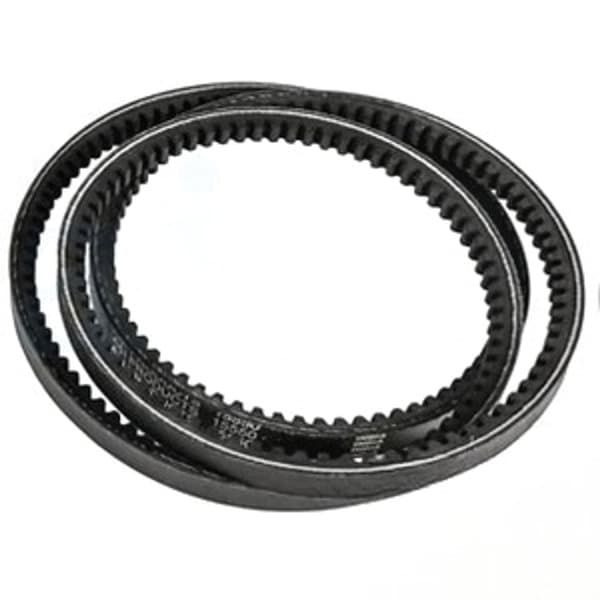
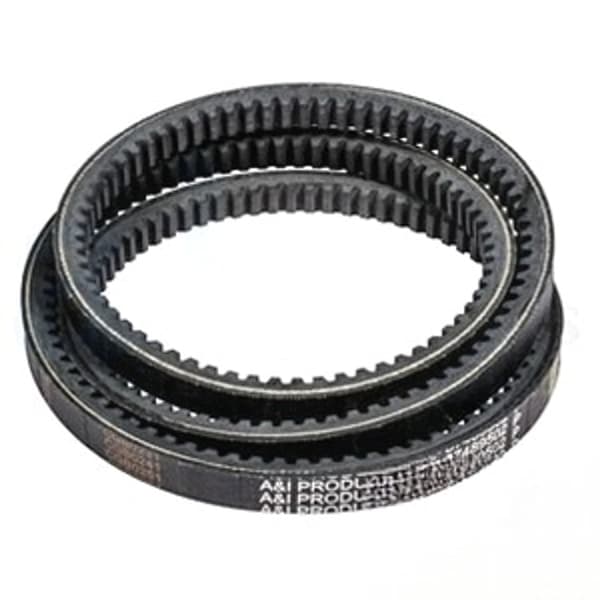
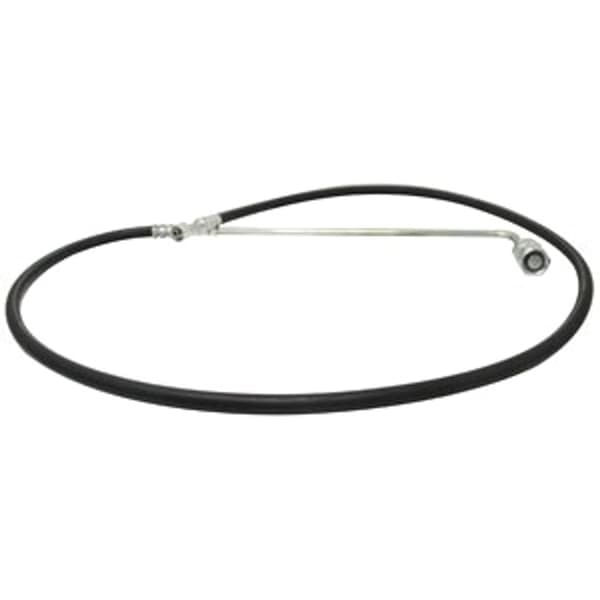
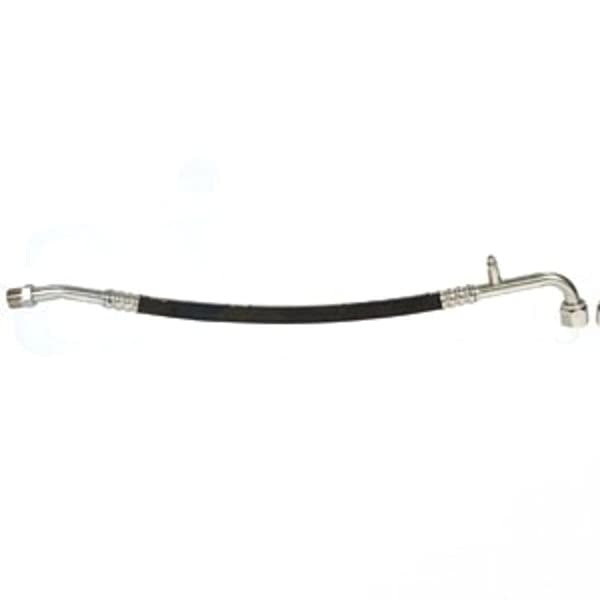
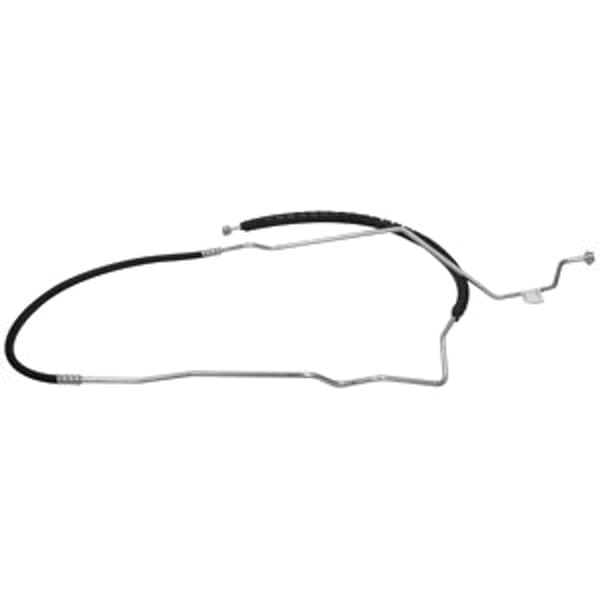
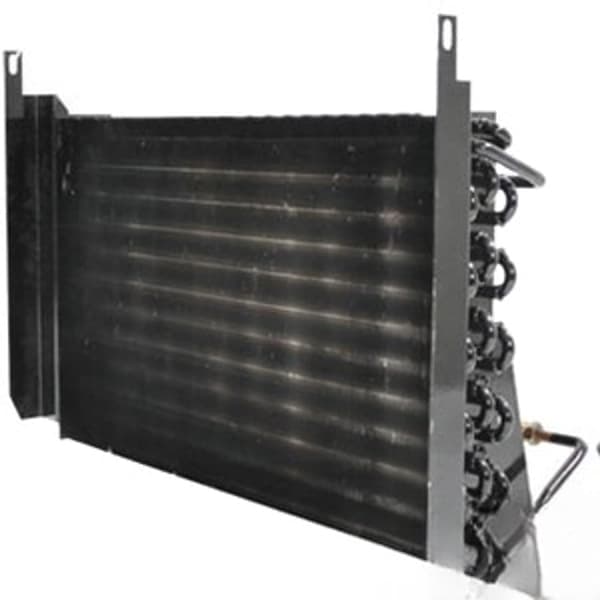
🔍 Looking for a specific part? Try our AI Part Finder — tell it your equipment and what you need, it will find matching parts instantly.
Understanding Tractor AC Condensers
The AC condenser works in conjunction with the compressor, evaporator expansion valve to provide cool air inside your cab. The compressor pumps hot, high-pressure refrigerant gas to the condenser. The condenser, typically located in front of the radiator, uses airflow to cool the refrigerant, causing it to condense into a high-pressure liquid. This liquid then flows to the expansion valve, which regulates the refrigerant flow to the evaporator inside the cab.
Think of it this way: the condenser is like a radiator for your AC system. Just like a clogged radiator can cause your engine to overheat, a dirty or damaged condenser reduces the AC system's ability to cool refrigerant efficiently.
Troubleshooting AC Condenser Problems
Several symptoms can indicate a failing AC condenser
- Reduced Cooling Performance The most common symptom. If your AC isn't blowing as cold as it used to, the condenser might be the culprit.
- Overheating Engine A severely clogged condenser can restrict airflow to the radiator, causing the engine to overheat.
- Visible Damage Inspect the condenser for bent fins, leaks, or physical damage from impacts.
- High AC System Pressure A malfunctioning condenser can cause excessive pressure within the AC system, potentially damaging other components. A qualified AC technician can check system pressures.
- Strange Noises While less common, unusual noises from the condenser area might indicate internal damage.
Before suspecting the condenser, rule out other common AC problems, such as a low refrigerant charge, a faulty compressor, or a clogged cabin air filter. Speaking of operator comfort, consider upgrading your John Deere tractor seat, universal tractor seat, Ford tractor seat, Kubota tractor seat, Case IH tractor seat, or Massey Ferguson tractor seat for improved comfort during long hours.
Diagnosing a Faulty Condenser
- Visual Inspection Carefully inspect the condenser for physical damage, dirt debris. Use a fin comb to straighten bent fins, improving airflow.
- Temperature Check With the AC running, carefully feel the surface of the condenser. Uneven temperature distribution can indicate a blockage.
- Pressure Testing This requires specialized equipment and should be performed by a qualified AC technician. They can measure the pressure on both the high and low sides of the AC system to determine if the condenser is functioning correctly.
- Leak Detection Use a UV dye and a black light to check for refrigerant leaks around the condenser and its connections.
Condenser Replacement Process
Replacing a tractor AC condenser can be a DIY project for mechanically inclined individuals, but it requires careful attention to detail and proper safety precautions. If you're not comfortable working with refrigerants, it's best to leave this job to a qualified AC technician.
Safety First
- Refrigerant Handling Never release refrigerant into the atmosphere. It's illegal and environmentally damaging. Have the system professionally evacuated by a certified technician before starting any repairs.
- Eye Protection Always wear safety glasses to protect your eyes from debris and refrigerant.
- Gloves Wear gloves to protect your hands from sharp edges and potential chemical exposure.
Tools and Materials
- New AC condenser (correct part number for your tractor model)
- Refrigerant recovery machine (if evacuating the system yourself - requires certification)
- Vacuum pump
- Manifold gauge set
- Wrenches and sockets
- Screwdrivers
- Refrigerant oil (specified for your system - PAG or Ester oil)
- New receiver drier/accumulator (recommended)
- O-ring assortment (AC system specific)
- Fin comb
- Leak detector
Step-by-Step Replacement Guide
- Refrigerant Evacuation Have a certified technician evacuate the refrigerant from the AC system using a refrigerant recovery machine.
- Disconnect Electrical Connections Disconnect any electrical connectors attached to the condenser, such as the fan motor connector.
- Remove the Old Condenser Disconnect the refrigerant lines from the condenser. Use two wrenches to prevent twisting the lines. Remove any mounting bolts or brackets securing the condenser to the tractor. Carefully remove the old condenser.
- Install the New Receiver Drier/Accumulator This is a critical step. The receiver drier/accumulator filters contaminants and removes moisture from the refrigerant. Always replace it when opening the AC system.
- Install the new condenser Install the new condenser, ensuring it is properly aligned and secured with the mounting bolts or brackets. Use new O-rings on all refrigerant line connections, lubricating them with refrigerant oil before assembly. Torque the connections to the manufacturer's specifications (typically around 10-15 ft-lbs, but consult your service manual).
- Reconnect Electrical Connections Reconnect any electrical connectors that were disconnected earlier.
- Vacuum the System Connect a vacuum pump to the AC system and evacuate it for at least 30-45 minutes to remove air and moisture. This is crucial for proper AC system performance.
- Recharge the System Recharge the AC system with the correct type and amount of refrigerant, following the manufacturer's specifications. A sticker on the tractor or the service manual will provide this information. Using the wrong refrigerant or overcharging/undercharging the system can damage components.
- Leak Test Use a leak detector to check all connections for refrigerant leaks.
- Test the System Start the tractor and turn on the AC. Verify that the system is cooling properly. Check the vent temperature with a thermometer.
Torque Specifications Always refer to your tractor's service manual for specific torque specifications for refrigerant line connections. Overtightening can damage the fittings, while undertightening can cause leaks.
Refrigerant Oil Using the correct type and amount of refrigerant oil is crucial for compressor lubrication. Refer to your service manual for the specific oil type (PAG or Ester) and capacity. Adding too much or too little oil can damage the compressor.
Evaporator Replacement Considerations
While you're addressing the condenser, it's a good idea to inspect the evaporator, located inside the cab. If the evaporator is leaking, corroded, or excessively dirty, consider replacing it as well. Evaporator replacement typically involves removing the dashboard or interior panels to access the unit. This is a more involved process than condenser replacement.
A common cause of evaporator failure is debris and contaminants entering the system. Ensure your cabin air filter is clean and replace it regularly to protect the evaporator from dust and dirt.
Preventative Maintenance
Regular maintenance can extend the life of your AC condenser and keep your system running efficiently
- Clean the Condenser Regularly clean the condenser fins with a soft brush or compressed air to remove dirt and debris.
- Inspect for Damage Periodically inspect the condenser for bent fins, leaks physical damage.
- Check Refrigerant Charge Have the refrigerant charge checked annually by a qualified technician.
- Replace Cabin Air Filter Replace the cabin air filter regularly to prevent dust and debris from clogging the evaporator.
For optimal operator comfort, also consider the condition of your tractor seat suspension and tractor seat cushion. A comfortable seat can make a big difference during long hours in the field. Brands like Grammer, Sears Seating Milsco offer excellent replacement options.
Finding the Right Parts for Your Tractor
Madison Tractor Company carries a wide selection of AC condensers, evaporators, receiver driers other AC system components for most major tractor brands, including John Deere, Case IH, Ford, New Holland, Massey Ferguson, Kubota, Allis Chalmers, Deutz, International Harvester, Oliver, White, Gleaner, Vermeer, Hesston, Mahindra Zetor. We also stock a comprehensive range of other parts, such as radiators, water pumps, starters, alternators, hydraulic pumps, clutch kits various filters and gaskets. When searching for the correct parts, have your tractor's model number and serial number handy. OEM part numbers are always a good starting point, such as a John Deere condenser (e.g., part # ) or a Case IH condenser (e.g., part # 87767602). Cross-referencing these OEM numbers to aftermarket equivalents can often save you money.
For example, if you're working on a John Deere 4020 or 4230 tractor, knowing the year of manufacture is critical for selecting the correct condenser. Similarly, for a Case IH Magnum or Maxxum model, verifying the serial number will ensure you get the right fit. On older Ford tractors (e.g., 8N, 9N, 2000, 3000 series), the condenser may require some modification to fit properly, so consulting with a parts expert is recommended.
Remember to replace other wear items during your AC system overhaul, such as belts, hoses O-rings. This will help ensure a reliable and long-lasting repair.
Replacing your tractor's AC condenser can significantly improve your comfort and productivity during hot weather. By following these guidelines and taking the necessary precautions, you can keep your cab cool and comfortable for years to come.
Disclaimer This guide provides general information and should not be considered a substitute for professional advice. Consult your tractor's service manual or a qualified mechanic for specific instructions and recommendations.
Shop Tractor AC Condensers at Madison Tractor
Ready to get your tractor's AC system running smoothly? Browse our extensive selection of tractor AC condensers and other AC components at Madison Tractor Company. We offer competitive prices, fast shipping expert customer support to help you find the right parts for your needs. Don't let the heat slow you down – shop with us today! You can also use our AI-Powered Part Finder to search for parts by your specific make and model.
Part of our comprehensive guide
Tractor Seat Replacement Guide: Find the Right Seat for Your Tractor