








Snow Blower Pull Cord: Recoil Starter Rope & Handle
Is your snow blower pull cord frayed, broken, or sticking? This guide provides step-by-step instructions to diagnose and repair your snow blower's recoil starter rope, ensuring your machine is ready for winter. Learn about common issues, replacement parts, and maintenance tips.
A reliable snow blower is essential for clearing snow during the winter months. One of the most common points of failure is the snow blower pull cord, also known as the recoil starter rope. A broken or damaged pull cord can leave you stranded in the cold. This guide will help you diagnose pull cord issues, perform basic repairs, and replace the cord when necessary, keeping your machine running smoothly.
Recommended Parts for This Guide
10 parts we recommend — in stock, ships fast, one-click add to cart.
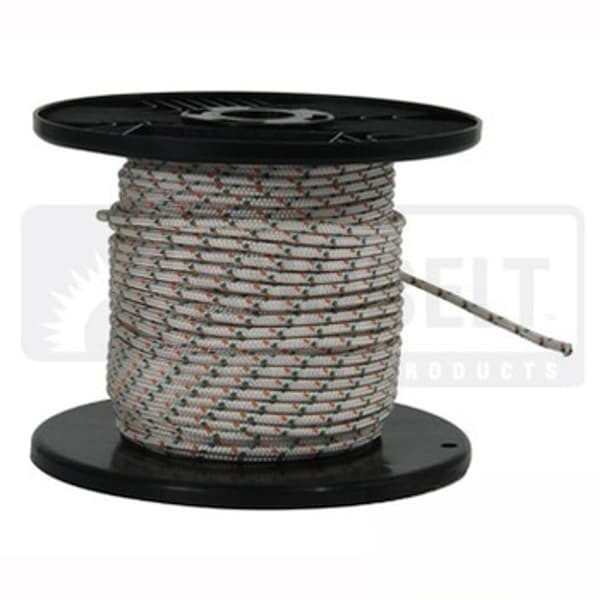
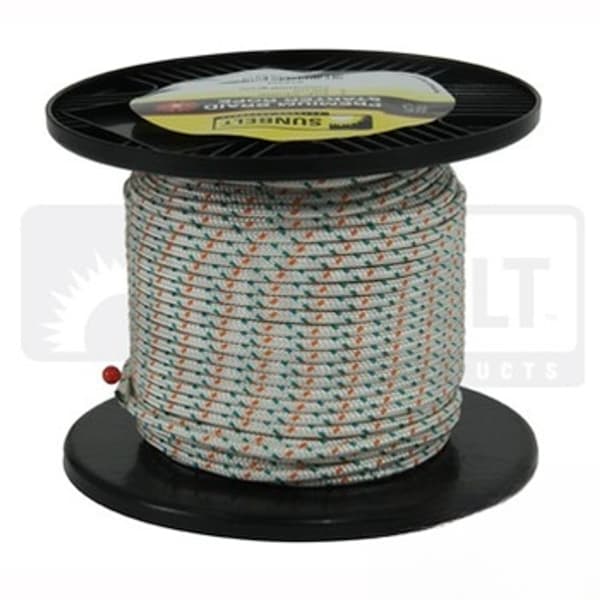
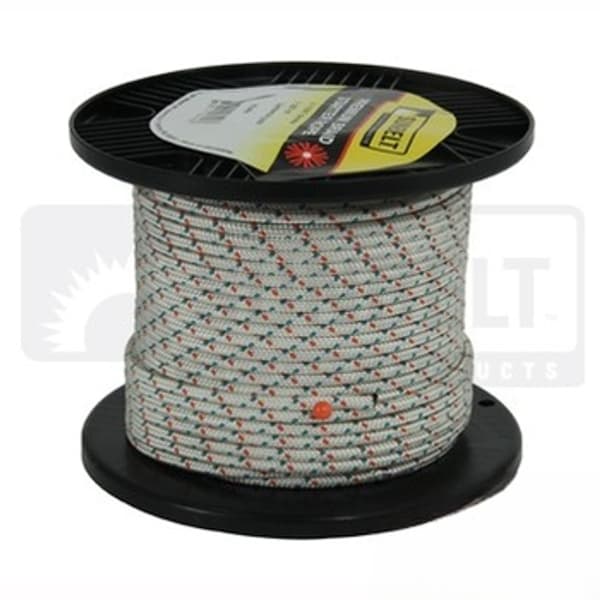
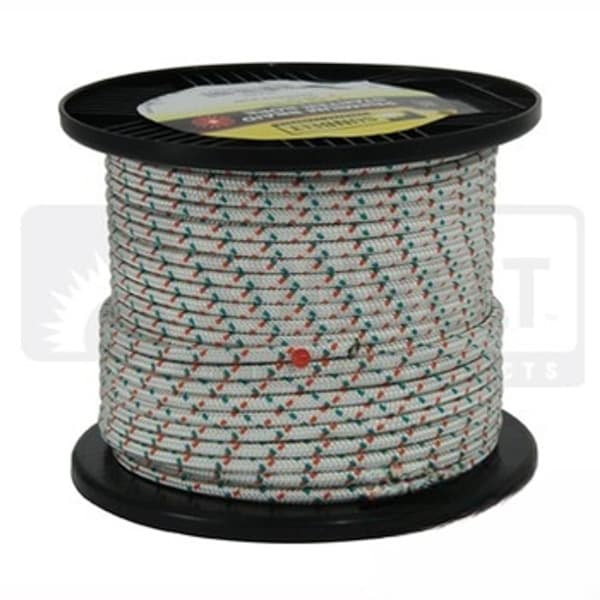
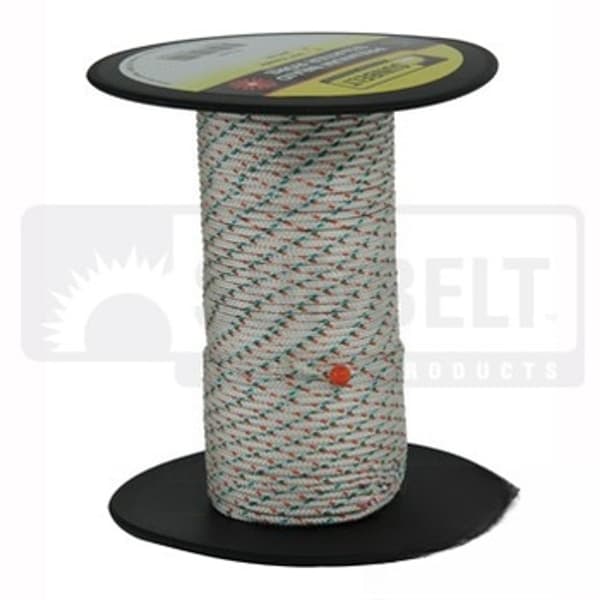
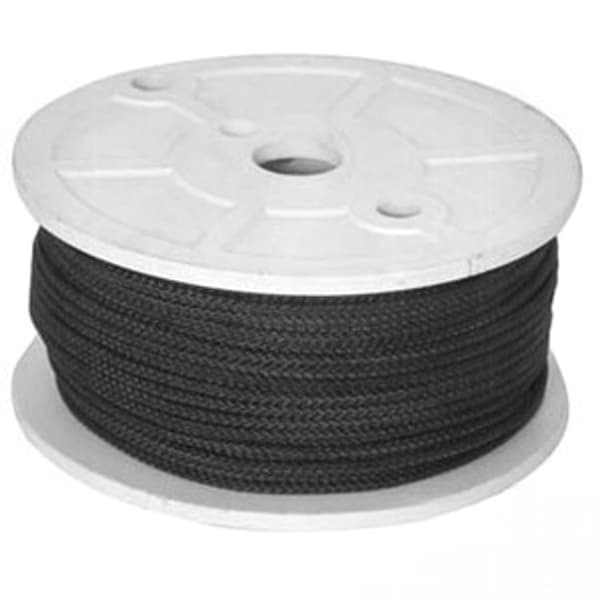
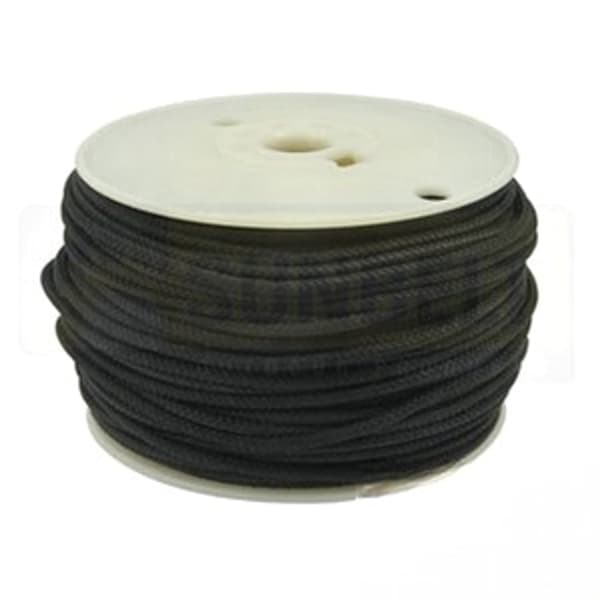
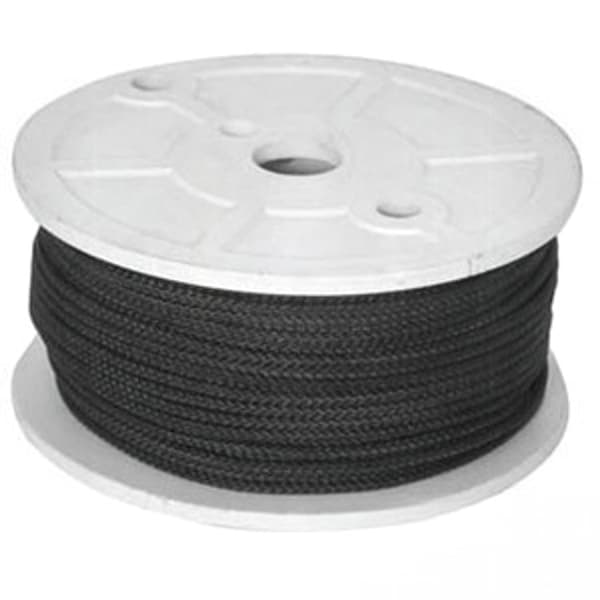
🔍 Looking for a specific part? Try our AI Part Finder — tell it your equipment and what you need, and it will find matching parts instantly.
Understanding the Snow Blower Recoil Starter
The recoil starter system is a simple yet effective mechanism. It consists of a pulley connected to the engine's crankshaft, a spring that recoils the rope, and the pull cord itself. When you pull the cord, you're turning the engine over to start it. The spring then retracts the cord back into the housing after each pull.
Common Causes of Pull Cord Failure
- Wear and Tear: Over time, the constant friction of the rope rubbing against the housing and pulley will cause it to fray and eventually break.
- Improper Pulling Technique: Jerking or pulling the cord at an extreme angle can put undue stress on the rope and the recoil mechanism.
- Rust and Corrosion: Moisture can cause rust and corrosion within the recoil starter housing, hindering the smooth operation of the pulley and increasing friction on the rope.
- Overfilling Engine Oil: Oil can seep into the recoil housing causing it to slip.
- Hard Starting Engine: Excessively pulling a hard starting engine can quickly damage the cord. Inspect the spark plug or carburetor as possible causes. You can find a replacement spark plug at Madison Tractor.
Diagnosing Snow Blower Pull Cord Problems
Before attempting any repairs, it's crucial to accurately diagnose the problem. Here are some common scenarios and their likely causes:
- Cord is difficult to pull: This could indicate a seized engine, low oil, a faulty recoil mechanism, or rust/corrosion within the housing. Try to eliminate the most obvious issues first.
- Cord is broken or frayed: This is usually a sign of wear and tear, requiring a replacement cord.
- Cord pulls out easily but doesn't retract: This usually points to a broken or detached recoil spring.
- Cord retracts slowly or weakly: This could be due to a weak recoil spring, dirt or debris in the housing, or a rope that's binding.
- The engine starts, but the cord doesn't retract fully: Oil may be in the recoil housing causing slippage.
Safety Precautions
Before working on your snow blower, always follow these safety precautions:
- Disconnect the Spark Plug Wire: This prevents accidental starting of the engine.
- Wear Gloves: Protect your hands from sharp edges and dirt.
- Work in a Well-Ventilated Area: Especially when dealing with gasoline.
- Drain the Fuel Tank: If you need to tip the snow blower, drain the fuel tank to prevent spills.
Repairing a Sticking or Binding Pull Cord
Sometimes, a simple cleaning and lubrication can resolve a sticking or binding pull cord. Here's how:
- Access the Recoil Starter: Remove the recoil starter housing from the engine. The procedure varies depending on the model, but it generally involves removing a few bolts or screws. Refer to your snow blower's owner's manual for specific instructions.
- Clean the Housing and Pulley: Use a brush and compressed air to remove dirt, debris, and rust from the housing and pulley.
- Lubricate the Mechanism: Apply a dry lubricant (such as graphite powder or silicone spray) to the pulley, the spring, and the rope guide. Avoid using oil-based lubricants, as they can attract dirt and grime.
- Reassemble the Recoil Starter: Carefully reassemble the recoil starter, ensuring that the spring is properly engaged.
- Test the Pull Cord: Pull the cord several times to ensure that it retracts smoothly.
Replacing the Snow Blower Pull Cord
If the pull cord is frayed or broken, it needs to be replaced. Here's a step-by-step guide:
- Remove the Old Cord: After accessing the recoil starter (as described above), locate the knot or fastener securing the old cord to the pulley. Untie the knot or remove the fastener.
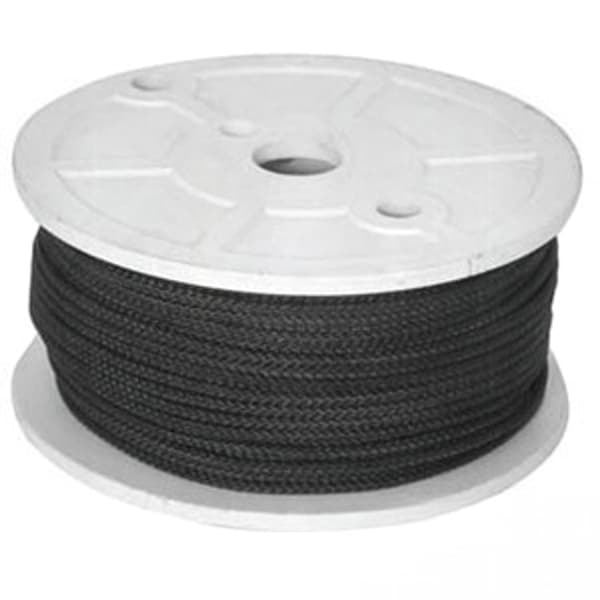
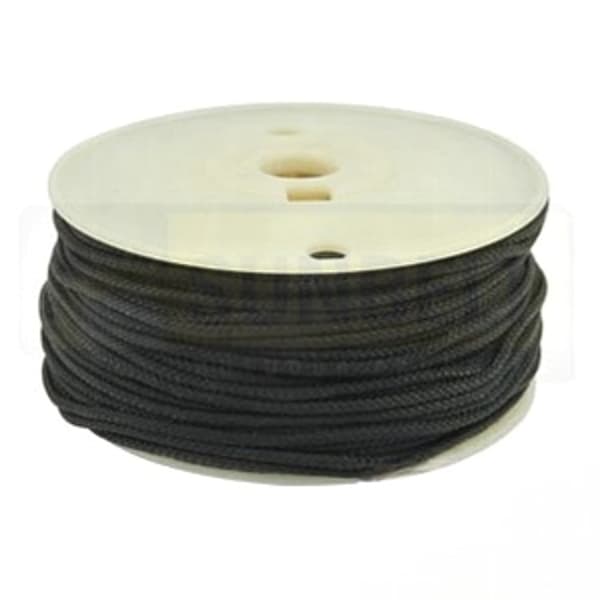
- Measure and Cut the new cord: Purchase a replacement pull cord of the correct diameter and length. A high-quality nylon or polyester rope is recommended. Typically, 6-8 feet is sufficient. Madison Tractor carries a variety of rope for your needs.
- Install the New Cord: Thread one end of the new cord through the hole in the pulley, pull through to the proper length, and tie a secure knot. Be sure to leave enough slack to comfortably grip the handle.
- Rewind the Spring (If Necessary): If the spring has unwound, you'll need to rewind it. This can be tricky, so refer to your owner's manual or watch a tutorial video for specific instructions. Typically you will need to turn the pulley in the direction of the spring winding (opposite of the pull) until the spring engages.
- Reassemble the Recoil Starter: Carefully reassemble the recoil starter, ensuring that the cord is properly aligned.
- Attach the Handle: Thread the other end of the cord through the handle and tie a secure knot. A comfortable grip is important. Replacement handles are available.
- Test the Pull Cord: Pull the cord several times to ensure that it retracts smoothly and starts the engine.
When replacing the pull cord, it’s also a good time to inspect other components. Check the condition of the snow blower belt, shear pins, and skid shoes. Depending on your snowblower brand, you may need Ariens snowblower parts or Toro snow blower parts, among others.
Choosing the Right Snow Blower Pull Cord
Selecting the correct replacement cord is important for longevity and performance. Consider these factors:
- Material: Nylon and polyester ropes are durable and resistant to abrasion. Avoid cheaper, weaker cords that will break easily.
- Diameter: Use a cord with the same diameter as the original. A thicker cord may not fit properly in the pulley groove, while a thinner cord may be too weak.
- Length: Measure the original cord to determine the correct length for your snow blower. Err on the side of slightly longer, as you can always trim excess length.
Preventative Maintenance Tips
Regular maintenance can extend the life of your snow blower pull cord and prevent unexpected breakdowns. Here are some tips:
- Use the Correct Starting Procedure: Follow the manufacturer's recommended starting procedure to avoid putting unnecessary stress on the pull cord.
- Avoid Jerking the Cord: Pull the cord smoothly and steadily. Avoid jerking or pulling it at an extreme angle.
- Store Your Snow Blower Properly: Store your snow blower in a dry, sheltered location to prevent rust and corrosion.
- Inspect the Cord Regularly: Check the cord for signs of fraying or wear. Replace it before it breaks completely.
- Lubricate the Recoil Mechanism Periodically: Applying a dry lubricant to the pulley and spring can help to keep the mechanism operating smoothly.
Madison Tractor carries a wide range of snow blower parts for brands like John Deere, Craftsman, Cub Cadet, Husqvarna, Toro, Ariens, Murray, Hustler, Scag, Exmark, Ferris, Snapper, Simplicity, and Dixie Chopper. In addition to pull cords, we also stock belts, blades, spindles, pulleys, filters, spark plugs, bearings, and shear pins.
Where to Buy Snow Blower Pull Cords and Parts
Don't let a broken pull cord keep you from clearing snow. Madison Tractor Company offers a wide selection of replacement pull cords and recoil starter parts for most snow blower brands and models. Shop our online store today for fast shipping and competitive prices. We're your trusted source for all your outdoor power equipment needs. Shop Snow Blower Parts Now! You can also use our AI-Powered Part Finder to search for parts by your specific make and model.
Part of our comprehensive guide
Snow Blower Parts Guide: Find Replacement Parts by Brand & Model