








Snow Blower Fuel Line: Hose Sizes & Replacement
A cracked or deteriorated snow blower fuel line can lead to poor performance or a no-start condition. Learn how to identify the correct fuel line size and replace it yourself, ensuring your machine is ready for winter.
The Importance of a Healthy snow blower fuel line
Your snow blower's fuel line is a critical component, responsible for delivering gasoline from the fuel tank to the carburetor. Over time, exposure to harsh weather, fuel additives, and general wear and tear can cause the snow blower fuel line to crack, harden, or become brittle. A compromised fuel line can lead to fuel leaks, poor engine performance, and even difficulty starting your snow blower. Replacing a damaged fuel line is a straightforward repair that can significantly improve your snow blower's reliability, especially when you need it most. Neglecting this seemingly small part can leave you stranded in the snow. Madison Tractor Company carries a wide selection of snow blower replacement parts, including fuel lines for many popular brands.
Recommended Parts for This Guide
8 parts we recommend — in stock, ships fast, one-click add to cart.
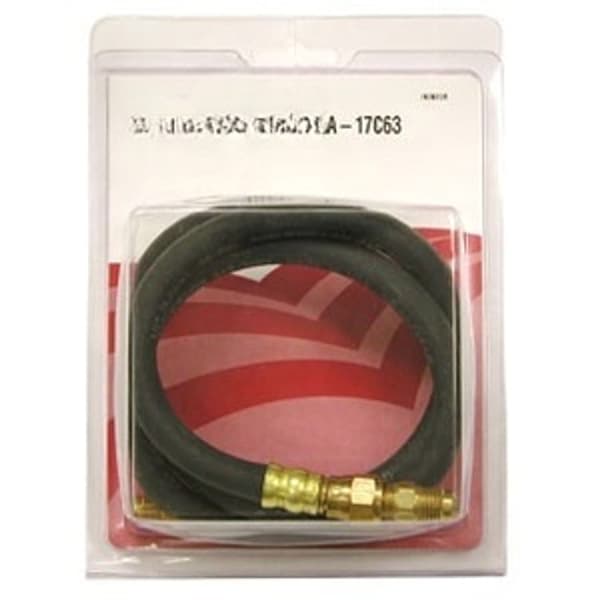
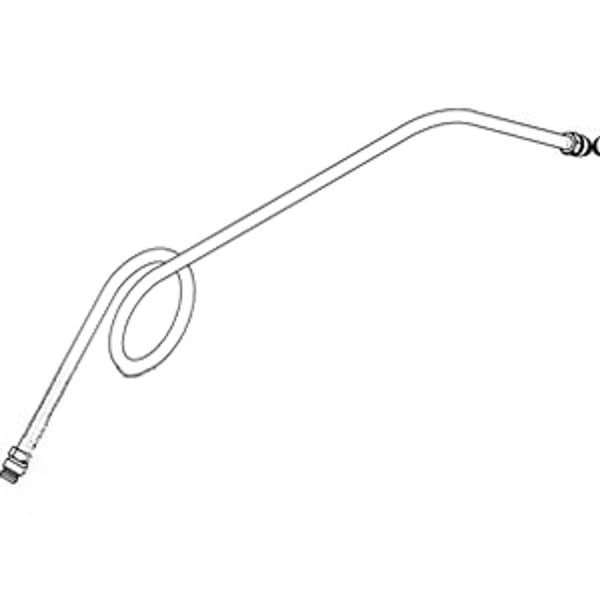
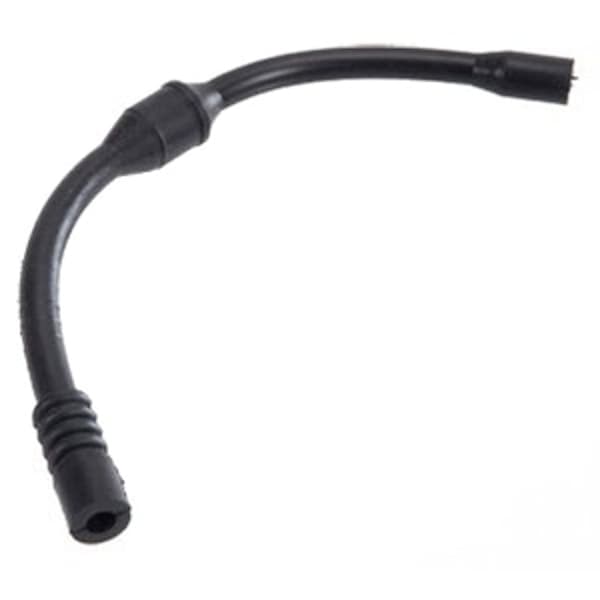
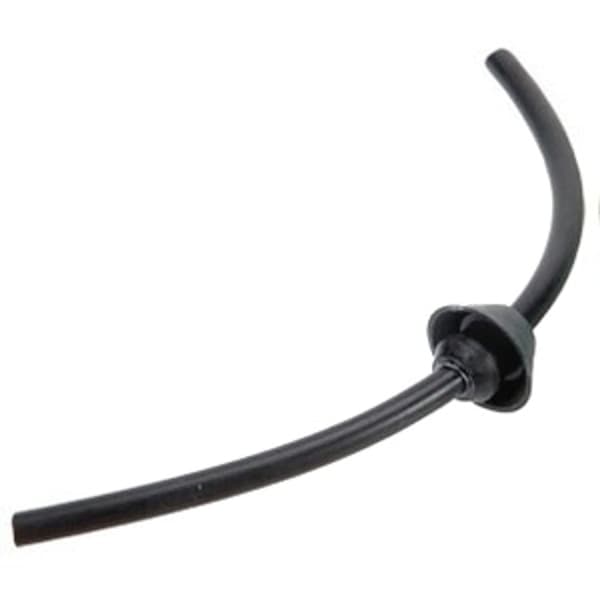
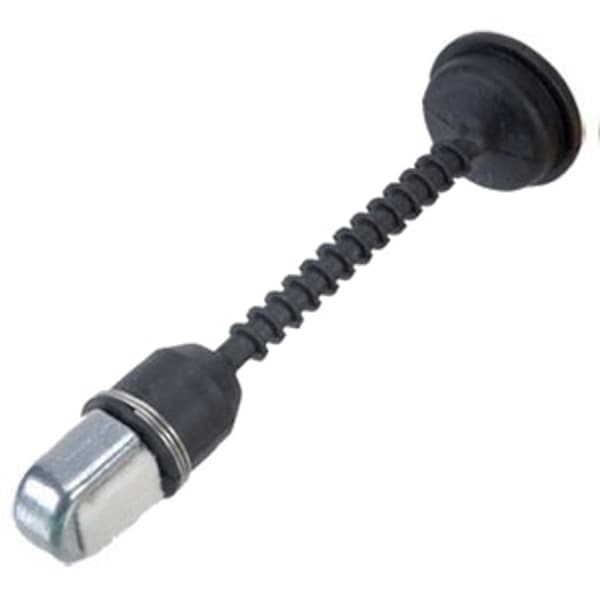
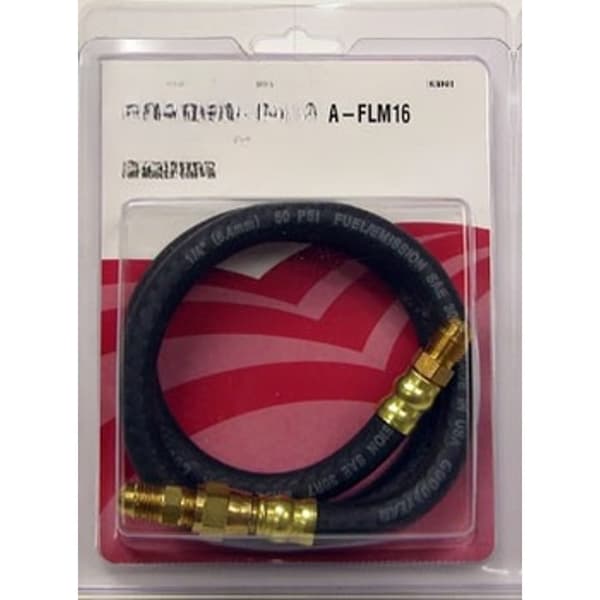
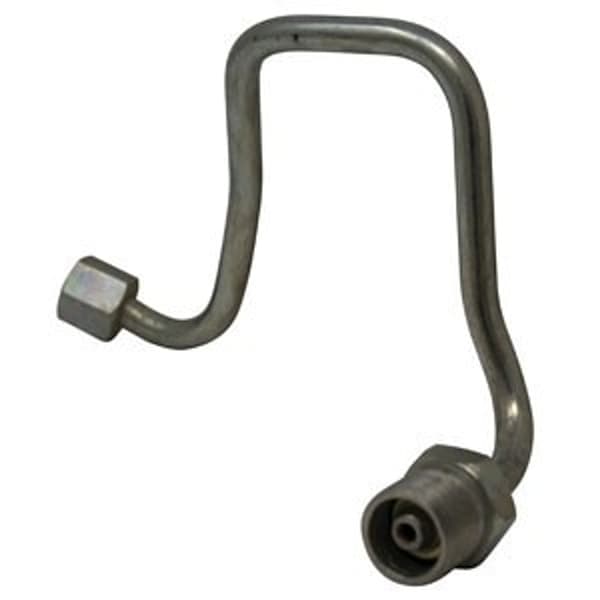
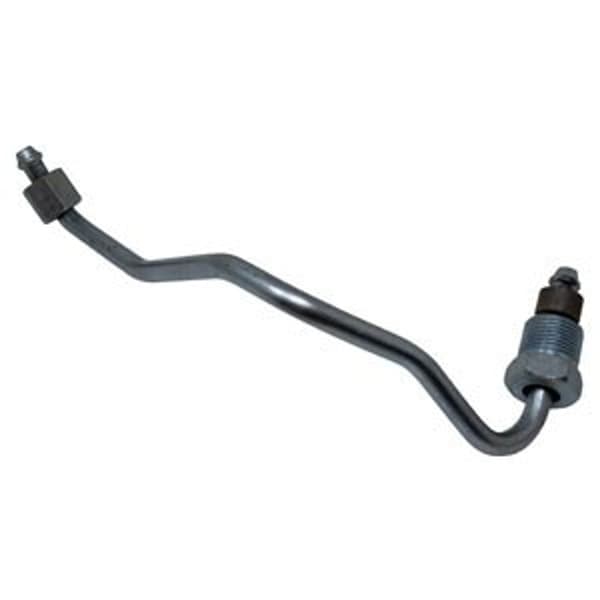
🔍 Looking for a specific part? Try our AI Part Finder — tell it your equipment and what you need, and it will find matching parts instantly.
Recognizing the Signs of a Failing Fuel Line
Before diving into replacement, it's crucial to identify if your fuel line is indeed the culprit. Here are some common symptoms:
- Visible Cracks or Leaks: This is the most obvious sign. Inspect the entire length of the fuel line for any visible damage.
- Hardened or Brittle Hose: A healthy fuel line should be flexible. If it feels stiff and cracks easily when bent, it's time for a replacement.
- Fuel Smell: A persistent gasoline odor near your snow blower, especially after refueling, could indicate a leak in the fuel line.
- Engine Stalling or Rough Running: A cracked fuel line can introduce air into the fuel system, leading to inconsistent engine performance.
- Difficulty Starting: If your snow blower is harder to start than usual, a fuel delivery issue could be to blame.
Finding the Right Fit for Your Snow Blower
Snow blower fuel lines come in various sizes, typically measured by their inner diameter (ID). Using the correct size is essential for proper fuel flow and a secure connection. Here’s how to determine the right size for your snow blower:
- Consult Your Owner's Manual: The owner's manual is your best resource. It should specify the exact fuel line size required for your snow blower model. Look for information in the specifications section or the parts list.
- Check the Existing Fuel Line: If the old fuel line is still intact, you can measure its inner diameter using calipers or a small ruler. Be as precise as possible. Common sizes include 1/4 inch, 3/16 inch, and 5/16 inch.
- Online Parts Diagrams: Many manufacturers, like Toro and Ariens, offer online parts diagrams. Locate your snow blower model and search for the fuel line part number. The diagram may specify the fuel line dimensions. See our guide to finding Ariens snowblower parts for more info.
- Consult Madison Tractor Company Experts: If you're unsure about the correct size, our knowledgeable staff can assist you. Provide your snow blower's make and model number, and we can help you identify the appropriate fuel line.
Note: Using the wrong size fuel line can lead to leaks or restricted fuel flow, so it's crucial to get it right.
Choosing the Right Fuel Line Material
Fuel lines are typically made from rubber or plastic. Both materials have their pros and cons:
- Rubber Fuel Lines: Offer good flexibility and resistance to fuel degradation. They are generally more durable than plastic lines.
- Plastic Fuel Lines: Are more resistant to certain types of fuel additives.
When selecting a replacement fuel line, consider purchasing a fuel line specifically designed for small engines and outdoor power equipment. These fuel lines are formulated to withstand the harsh conditions and fuel types commonly used in snow blowers.
Gathering Your Tools and Materials
Before you begin the replacement process, gather the necessary tools and materials:
- new fuel line (correct size and material)
- a fuel line and filter assembly (if applicable) or a standalone fuel filter (if you're replacing the fuel line, it's a good time to replace the filter as well)
- Fuel line clamps (if needed)
- Pliers
- Screwdriver (Phillips or flathead, depending on the type of clamps)
- Small container to catch fuel
- Rags or paper towels
- Safety glasses
- Gloves
Safety First: Work in a well-ventilated area, away from open flames or sparks. Disconnect the spark plug wire to prevent accidental starting. Wear safety glasses and gloves to protect yourself from fuel and debris.
Step-by-Step Fuel Line Replacement Guide
Follow these steps to safely and effectively replace your snow blower's fuel line:
- Drain the Fuel Tank: If possible, drain the fuel tank to minimize spills. You can use a siphon or a fuel drain plug, if your snow blower has one.
- Locate the Fuel Line: The fuel line typically runs from the fuel tank to the carburetor. Trace its path to identify all connection points.
- Disconnect the Old Fuel Line: Use pliers to loosen the fuel line clamps (if present). Carefully disconnect the fuel line from the fuel tank and the carburetor. Have a container ready to catch any remaining fuel in the line.
- Install the New Fuel Line: Measure and cut the new fuel line to the same length as the old one. Attach the new fuel line to the fuel tank and the carburetor, ensuring a secure connection. Use new fuel line clamps if the old ones are worn or damaged.
- Install new fuel filter: If your snow blower has a fuel filter, install a new one at this time. Make sure the filter is oriented correctly, with the arrow pointing in the direction of fuel flow.
- Secure the Connections: Tighten the fuel line clamps to ensure a leak-proof seal. Avoid over-tightening, as this can damage the fuel line.
- Reconnect the Spark Plug Wire: Once the fuel line is securely in place, reconnect the spark plug wire.
- Test for Leaks: Add a small amount of fuel to the tank and check for any leaks around the fuel line connections. If you detect any leaks, tighten the clamps or re-seat the fuel line.
Replacing snow blower shear pins, snow blower belts, and changing the oil are other common maintenance tasks.
Helpful Tips and Tricks
- Lubricate the Fuel Line: Applying a small amount of silicone grease or petroleum jelly to the fuel line fittings can make installation easier.
- Use Fuel Line Pliers: Special fuel line pliers can help you disconnect stubborn fuel lines without damaging them.
- Take Pictures: Before disconnecting the old fuel line, take pictures of the connections to help you remember how to reassemble everything.
- Regular Inspection: Inspect your fuel lines regularly for signs of wear and tear. Replace them proactively to prevent problems down the road.
Fuel Lines for Top Snow Blower Brands
Madison Tractor Company carries fuel lines for a wide range of snow blower brands, including:
- John Deere
- Craftsman (see our Craftsman snowblower parts guide)
- Cub Cadet
- Husqvarna
- Toro (see our Toro snowblower parts guide)
- Ariens
- Murray (see our Murray snowblower parts guide)
- Hustler
- Scag
- Exmark
- Ferris
- Snapper
- Simplicity
- Dixie Chopper
We also stock other essential snow blower parts, like snow blower paddles and snow blower skid shoes.
Keep Your Snow Blower Running Smoothly
Replacing your snow blower's fuel line is a simple yet essential maintenance task that can prevent costly repairs and ensure reliable performance. By following these steps and using the correct fuel line size and material, you can keep your snow blower running smoothly for years to come. Always prioritize safety and consult your owner's manual for specific instructions related to your snow blower model.
Ready to tackle your snow blower repair? Shop Madison Tractor Company for high-quality replacement fuel lines and other essential parts. We have everything you need to keep your outdoor power equipment in top condition. Browse our selection of snow blower fuel lines today! You can also use our AI-Powered Part Finder to search for parts by your specific make and model.
Part of our comprehensive guide
Snow Blower Parts Guide: Find Replacement Parts by Brand & Model