








Riding Mower Weight Set: Wheel Weights for Traction
Improve your riding mower's traction and stability with wheel weights. This guide covers everything you need to know, from choosing the right weights to safe installation, ensuring optimal performance on hills and in challenging conditions.
Understanding Riding Mower Wheel Weights
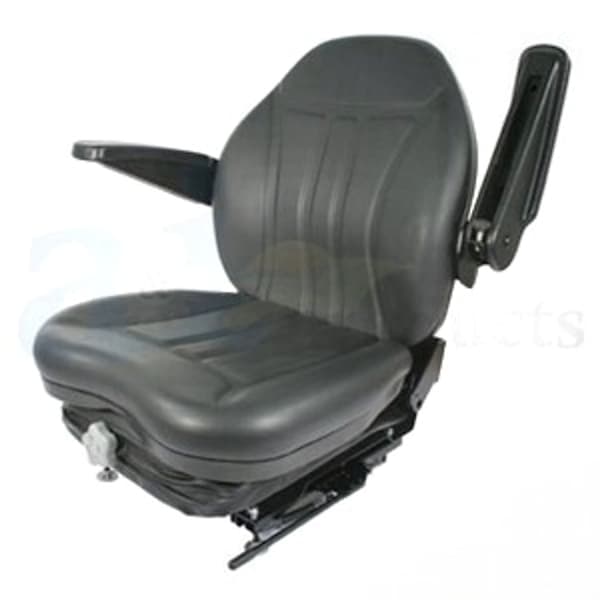
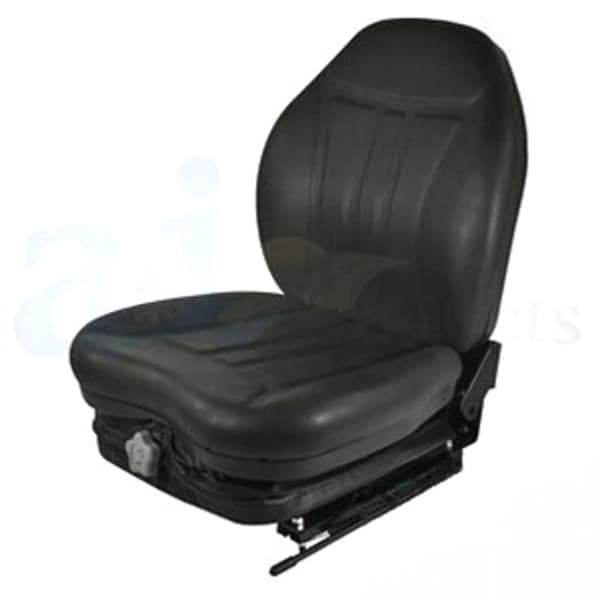
Riding mower wheel weights are exactly what they sound like: added weight to the wheels of your riding mower. Their primary purpose is to improve traction and stability, particularly on slopes, uneven terrain, or when using attachments like a riding mower bagger or a snow blade. Without adequate weight, your mower's wheels might spin, leading to inefficient mowing, potential damage to your lawn, and even dangerous situations. Adding weight transfers more of the mower’s power to the ground, minimizing wheel spin and maximizing forward motion. Consider this an upgrade similar to a riding mower seat replacement – both improve performance and user experience.
Recommended Parts for This Guide
5 parts we recommend — in stock, ships fast, one-click add to cart.
🔍 Looking for a specific part? Try our AI Part Finder — tell it your equipment and what you need, and it will find matching parts instantly.
Think of it like this: when you're trying to push a heavy object, you need to lean into it to get enough traction. Wheel weights do the same for your mower.
Why Use Wheel Weights?
Here's a breakdown of the key benefits:
- Improved Traction: The most obvious benefit. More weight pressing down on the tires means better grip, especially in wet or loose soil.
- Enhanced Stability: Reduces the risk of tipping on slopes, making mowing safer and more comfortable.
- Reduced Wheel Spin: Prevents damage to your lawn caused by spinning tires digging into the grass.
- Better Performance with Attachments: When using attachments like a riding mower bagger, snow thrower, or utility cart, wheel weights help maintain traction and control.
- Improved Fuel Efficiency: Reducing wheel spin also reduces wasted energy, potentially improving fuel economy.
Wheel weights aren't just for professional landscapers. Homeowners with hilly yards, challenging soil conditions, or who regularly use attachments can significantly benefit from them.
Types of Riding Mower Wheel Weights
There are generally two main types of wheel weights:
- Cast Iron Weights: These are the most common type, typically made of solid cast iron. They are durable, long-lasting, and provide substantial weight. They are bolted directly to the wheel.
- Plastic Shell Weights (Fillable): These weights are made of a durable plastic shell that can be filled with sand, water, or even antifreeze for added weight. They are often more affordable than cast iron weights but can be less durable. Filling with antifreeze prevents freezing and cracking in colder climates.
Consider the weight capacity of your mower's axle before adding weights. Refer to your owner's manual for specific recommendations.
Choosing the Right Wheel Weights
Selecting the correct wheel weights depends on several factors:
- Mower Model: Check your owner's manual for recommended weight limits and compatible weight types. Some mowers have specific mounting points designed for certain weights. Madison Tractor Company carries weights compatible with many brands including John Deere, Craftsman, Cub Cadet, Husqvarna, Toro, Ariens, Murray, Hustler, Scag, Exmark, Ferris, Snapper, Simplicity, and Dixie Chopper.
- Tire Size: Wheel weights are typically designed to fit specific tire sizes. Ensure you choose weights that are compatible with your mower's tires.
- Terrain: If you primarily mow on flat terrain, you might not need as much weight as someone who mows on steep hills.
- Attachments: The type and weight of attachments you use will influence the amount of weight needed. A riding mower bagger, for instance, may require more weight than a simple mulching kit.
- Weight Increments: It's often better to start with a smaller weight and add more if needed. Overloading the wheels can strain the axles and transmission.
When in doubt, consult with a qualified mechanic or contact Madison Tractor Company for expert advice. We can help you determine the optimal weight for your specific needs.
Installing Riding Mower Wheel Weights
Safety First! Always disconnect the spark plug wire and engage the parking brake before working on your mower. Wear appropriate safety gear, including gloves and eye protection.
Here's a general guide to installing wheel weights:
- Gather Your Tools: You'll likely need a wrench or socket set, depending on the type of weight and mounting hardware.
- Position the Mower: Park the mower on a level surface.
- Prepare the Wheel: Clean the wheel surface where the weight will be mounted. Remove any dirt or debris.
- Attach the Weight: Align the weight with the mounting holes on the wheel. Secure it using the provided bolts or fasteners. Ensure the weight is flush against the wheel.
- Tighten the Fasteners: Tighten the bolts or fasteners securely, but don't overtighten them. Refer to the manufacturer's instructions for torque specifications if available.
- Repeat for the Other Wheel: Install the weight on the other wheel, ensuring both sides have equal weight distribution.
- Double-Check: Before operating the mower, double-check that all fasteners are tightened securely and that the weights are properly installed.
For plastic shell weights, fill them with your chosen material (sand, water, or antifreeze) before attaching them to the wheel. Ensure the fill plug is securely tightened to prevent leaks.
Maintaining Your Wheel Weights
Wheel weights are generally low-maintenance items, but here are a few tips to keep them in good condition:
- Regularly Inspect: Check the weights and mounting hardware periodically for any signs of damage, corrosion, or looseness.
- Tighten Fasteners: Retighten the fasteners as needed to prevent the weights from coming loose.
- Clean Weights: Clean the weights with a damp cloth to remove dirt and debris.
- Protect from Rust: If you have cast iron weights, consider applying a rust-preventative coating to protect them from corrosion, especially if you live in a humid climate.
Other Ways to Improve Traction
While wheel weights are an effective solution for improving traction, there are other options to consider:
- Tire Chains: For extremely slippery conditions, such as snow or ice, tire chains can provide excellent traction.
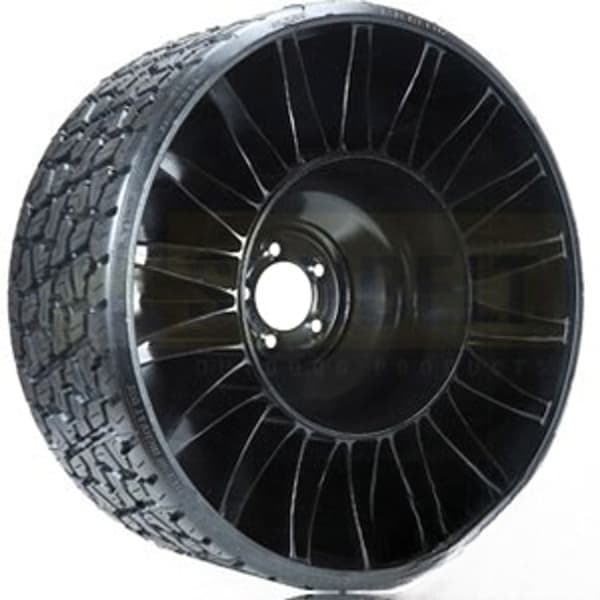
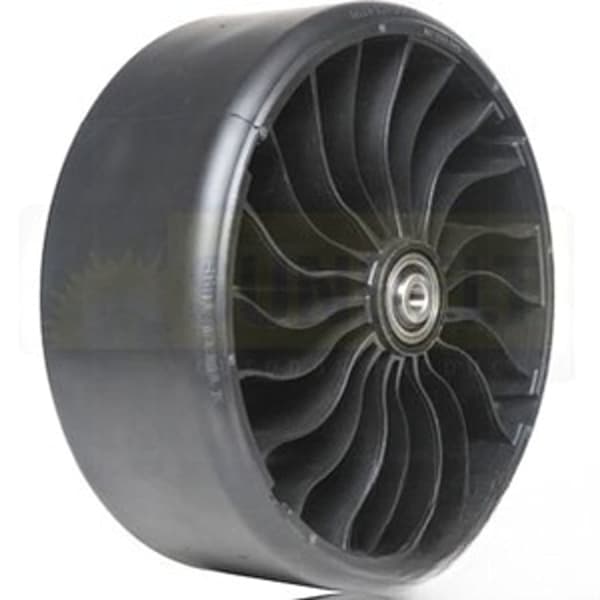
- Michelin X Tweel Turf Tires: These airless radial tires provide consistent hub height and excellent traction without the risk of flats, offering a significant upgrade for serious mowing.
- Liquid Tire Ballast: Filling your tires with liquid ballast, such as antifreeze or windshield washer fluid, adds weight directly to the tire, improving traction and stability.
Consider these alternatives based on your specific needs and operating conditions. You may also want to consider upgrading your zero turn mower seat or John Deere mower seat for increased comfort if you're spending a lot of time on your mower.
Beyond Wheel Weights: Maintaining Your Mower
Improving your mower's performance goes beyond just adding wheel weights. Regular maintenance is crucial for longevity and reliability. Be sure to check and replace essential parts as needed. This includes belts, blades, spindles, pulleys, filters, spark plugs, bearings, and shear pins. Consult your owner's manual for recommended maintenance intervals and part numbers. Preventative maintenance will help ensure your mower is always ready to tackle any job.
Shop Riding Mower Parts at Madison Tractor Company
Ready to optimize your riding mower's performance? At Madison Tractor Company, we carry a wide selection of riding mower wheel weights and other essential parts for all major brands, including John Deere, Craftsman, Cub Cadet, and more. We also stock a wide range of other components such as blades, belts, and filters. Browse our online catalog today and find the perfect parts to keep your mower running smoothly for years to come. Our knowledgeable staff is always ready to assist you with any questions you may have.
🔍 Can't Find Your Part?
Use our AI-Powered Part Finder to search by your equipment's make, model, and what you need. It's the fastest way to find the exact part for your machine.
Try the Part Finder →Part of our comprehensive guide
Mower Accessories Guide: Seats, Baggers, Mulch Kits & More