








Riding Mower Seat Spring & Mounting Hardware
A comfortable ride on your riding mower starts with a properly functioning seat spring and secure mounting hardware. This guide covers everything you need to know about selecting, maintaining, and replacing these crucial components.
Introduction
A comfortable seat is essential for enjoying your time mowing the lawn. While the riding mower seat itself plays a big role, the seat spring and mounting hardware are equally important. These components absorb bumps and vibrations, providing a smoother, more comfortable ride. Over time, seat springs can weaken or break, and mounting hardware can corrode or loosen, leading to an uncomfortable and even unsafe mowing experience. This guide will help you understand the different types of seat springs and mounting hardware available, how to choose the right ones for your mower, and how to install them properly.
Recommended Parts for This Guide
9 parts we recommend — in stock, ships fast, one-click add to cart.
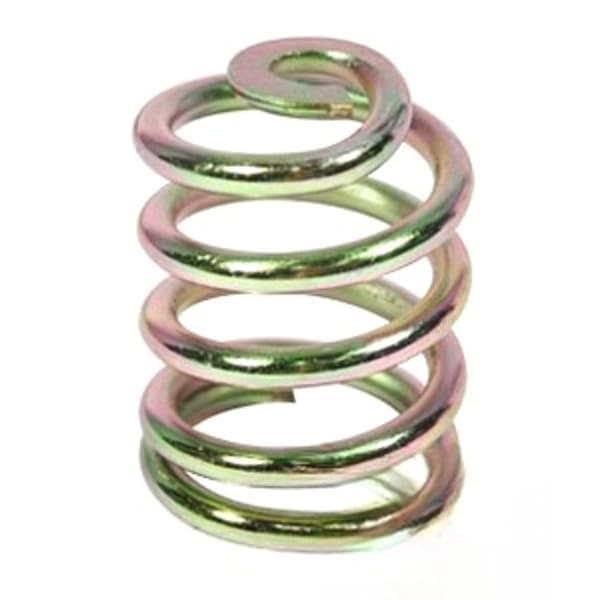
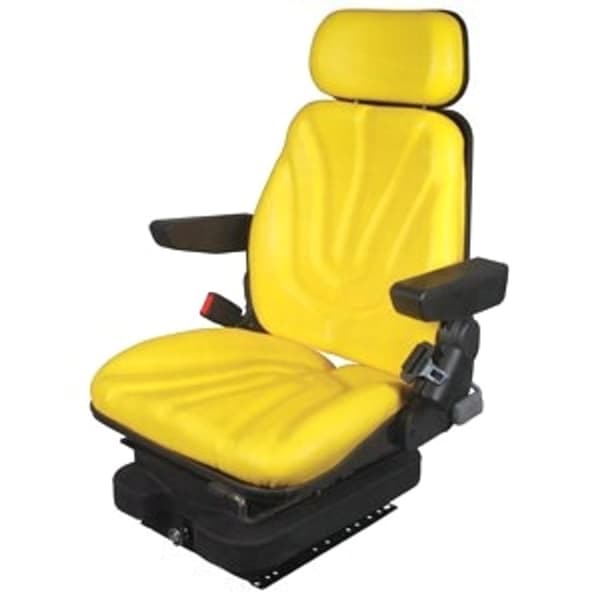
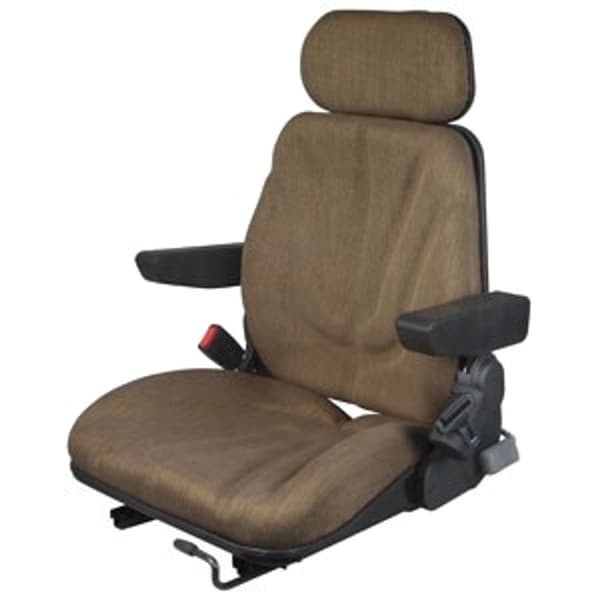
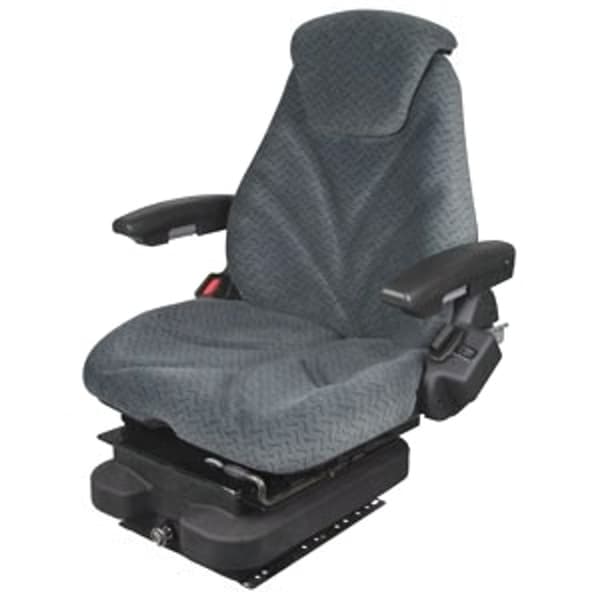
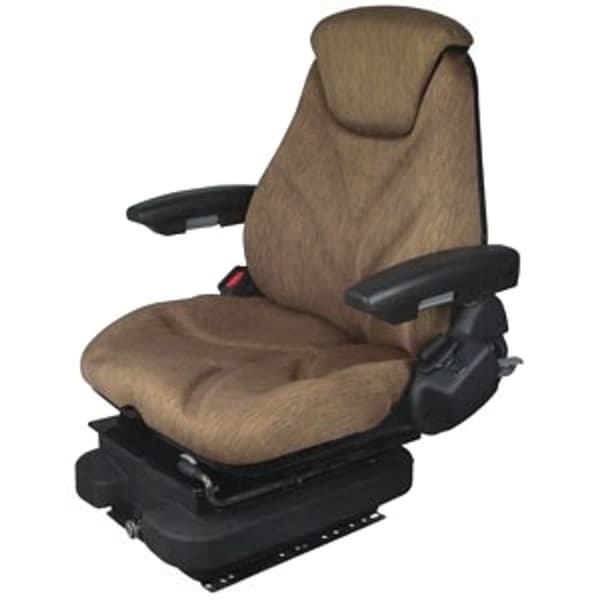
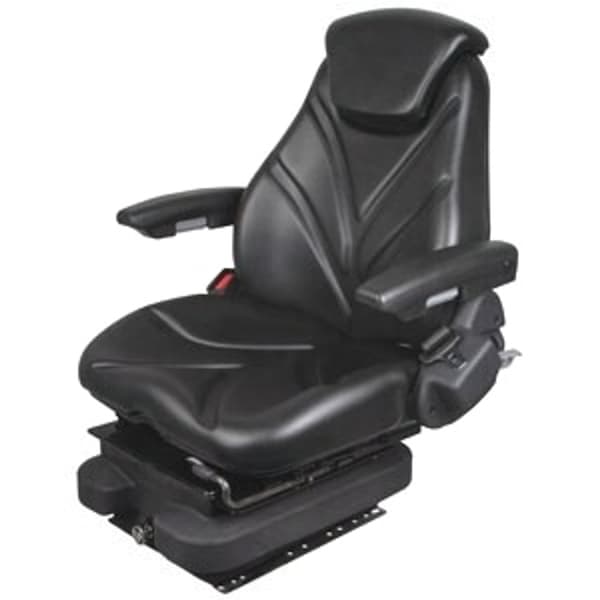
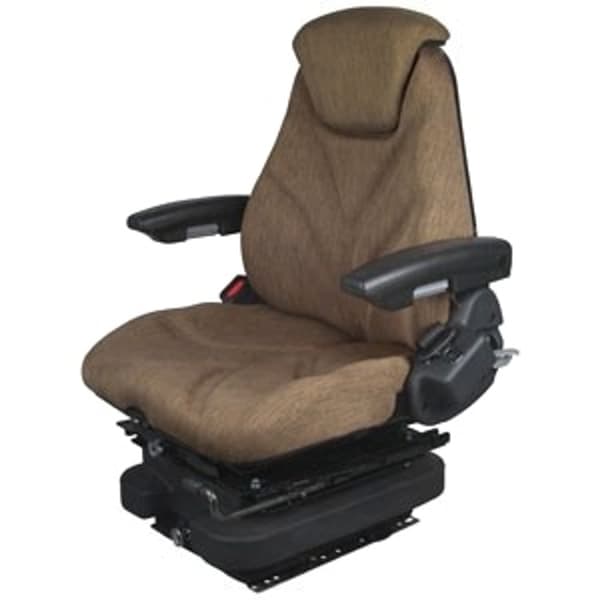
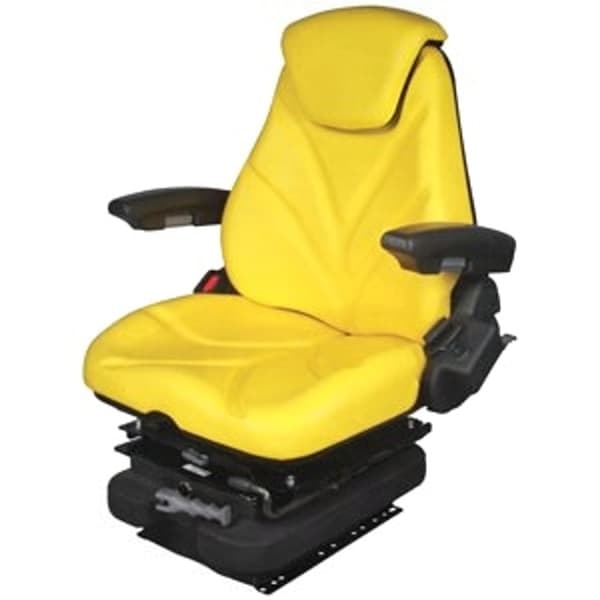
🔍 Looking for a specific part? Try our AI Part Finder — tell it your equipment and what you need, and it will find matching parts instantly.
Types of riding mower seat Springs
Riding mower seat springs come in various shapes, sizes, and strengths. Understanding the different types will help you choose the best option for your specific mower and comfort needs. Here are some common types:
- Coil Springs: These are the most common type of seat spring. They're typically made of steel and provide a simple, reliable suspension. Coil springs are often used on entry-level riding mowers.
- Leaf Springs: Leaf springs consist of multiple layers of steel stacked together. They offer greater support and can handle heavier loads. Leaf springs are often found on larger riding mowers and some zero turn mowers.
- Torsion Springs: Torsion springs are designed to twist and provide resistance. They offer a different feel compared to coil or leaf springs and can be found on some premium riding mowers.
- Rubber Isolators: Some mowers use rubber isolators instead of traditional springs. These isolators absorb vibrations and provide a smoother ride, especially on uneven terrain. They are common on zero turn mower seats.
Understanding Mounting Hardware
Proper mounting hardware is crucial for securing your seat to the mower and ensuring safe operation. Common mounting hardware includes:
- Bolts: Bolts are used to attach the seat spring to the mower frame and the seat itself.
- Nuts: Nuts secure the bolts and prevent them from loosening.
- Washers: Washers provide a larger bearing surface and help distribute the load, preventing damage to the mower frame and seat.
- Spring Retainers: These retainers keep the seat spring in place and prevent it from shifting during operation.
- Seat Brackets: Seat brackets provide a mounting platform for the seat and spring assembly.
It's important to use the correct size and type of mounting hardware for your specific mower. Using incorrect hardware can lead to damage or failure, compromising your safety.
Choosing the Right Seat Spring and Mounting Hardware
Selecting the right seat spring and mounting hardware involves considering several factors:
- Mower Brand and Model: The first step is to identify your mower's brand and model. This information is crucial for finding compatible parts. Madison Tractor carries parts for various brands, including John Deere, Craftsman, Cub Cadet, Husqvarna, Toro, Ariens, Murray, Hustler, Scag, Exmark, Ferris, Snapper, Simplicity, and Dixie Chopper.
- Original Equipment Manufacturer (OEM) vs. Aftermarket: You have the option of choosing OEM parts or aftermarket parts. OEM parts are made by the original manufacturer and are guaranteed to fit and perform correctly. Aftermarket parts are made by third-party manufacturers and can be a more cost-effective option. However, quality can vary, so it's important to choose a reputable brand.
- Spring Strength: Consider your weight and the type of terrain you typically mow. If you're heavier or frequently mow on rough terrain, you may need a stronger seat spring.
- Mounting Hole Compatibility: Ensure that the mounting holes on the seat spring and hardware align with the mounting points on your mower frame and seat.
- Material: Look for seat springs and hardware made from durable materials like steel or stainless steel. These materials are resistant to corrosion and can withstand the rigors of outdoor use.
When replacing a John Deere mower seat, for example, check to see if your machine has a specific spring requirement based on model year and seat style.
Replacing Your Riding Mower Seat Spring and Hardware: Step-by-Step Guide
Replacing your riding mower seat spring and hardware is a relatively straightforward process. Here's a step-by-step guide:
- Safety First: Disconnect the spark plug wire to prevent accidental starting. Wear safety glasses and gloves.
- Remove the Old Seat: Locate the bolts or nuts that secure the seat to the mower frame. Use a wrench or socket to remove them. Carefully lift the seat off the mower.
- Inspect the Old Spring and Hardware: Examine the old seat spring and hardware for signs of wear, corrosion, or damage. This will help you determine what needs to be replaced.
- Remove the Old Spring and Hardware: Remove the bolts or nuts that secure the seat spring to the mower frame and seat. Discard the old spring and hardware.
- Install the New Spring: Position the new seat spring onto the mower frame, aligning the mounting holes. Secure it with the new bolts, nuts, and washers. Ensure the spring is properly seated and secure.
- Install the New Hardware: If replacing any mounting hardware on the seat itself, install the new hardware now. Make sure everything is securely fastened.
- Reinstall the Seat: Carefully lower the seat onto the seat spring, aligning the mounting holes. Secure the seat with the new bolts, nuts, and washers.
- Tighten All Fasteners: Double-check all the fasteners to ensure they are properly tightened.
- Reconnect the Spark Plug Wire: Reconnect the spark plug wire.
- Test the Seat: Sit on the seat and test its stability and comfort. Ensure that the seat moves smoothly and that the spring absorbs bumps effectively.
When working on a Cub Cadet mower seat, be sure to consult your owner's manual for specific instructions and torque specifications.
Maintenance Tips for Longevity
Proper maintenance can extend the life of your riding mower seat spring and mounting hardware:
- Regular Inspection: Inspect the seat spring and hardware regularly for signs of wear, corrosion, or damage.
- Lubrication: Apply a lubricant to the seat spring and hardware to prevent corrosion and ensure smooth operation. Use a silicone-based lubricant or a light oil.
- Tighten Loose Fasteners: Regularly check and tighten any loose bolts or nuts.
- Cleanliness: Keep the seat spring and hardware clean and free of debris.
- Proper Storage: Store your mower in a dry place to prevent corrosion.
Following these tips will help keep your seat spring and mounting hardware in good condition and ensure a comfortable and safe mowing experience. Don't forget that proper maintenance also involves checking other components like blades, belts, and filters on a regular basis.
Troubleshooting Common Problems
Here are some common problems you may encounter with your riding mower seat spring and mounting hardware:
- Seat is Too Bouncy: This could be due to a broken or weakened seat spring. Replace the spring.
- Seat is Too Stiff: This could be due to a seized seat spring or overly tightened fasteners. Lubricate the spring and loosen the fasteners slightly.
- Seat is Loose or Wobbly: This is usually caused by loose or missing mounting hardware. Tighten or replace the hardware.
- Squeaking or Creaking Noises: This can be caused by friction between the seat spring and the mower frame. Lubricate the spring and hardware.
Safety Precautions
- Always disconnect the spark plug wire before working on your riding mower.
- Wear safety glasses and gloves.
- Use the correct tools for the job.
- Do not over-tighten fasteners.
- If you are not comfortable performing the repair yourself, take your mower to a qualified mechanic.
Find Your Mower Seat Spring & Mounting Hardware at Madison Tractor
Maintaining a comfortable and safe ride on your riding mower is essential for enjoying your lawn care routine. A properly functioning seat spring and secure mounting hardware are key components in achieving this. Whether you need to replace a worn-out Hustler mower seat spring or simply upgrade your mounting hardware, Madison Tractor Company has you covered. We offer a wide selection of high-quality seat springs, mounting hardware, and complete riding mower seat replacement options, including new mower seats, such as the F10 Series Low Pro Air Suspension Seat, from top brands like John Deere, Craftsman, Cub Cadet, Husqvarna, and more.
Browse our extensive inventory of mower parts today and experience the difference a comfortable ride can make. Our knowledgeable team is ready to assist you in finding the perfect fit for your specific mower model. We also carry a full range of other essential parts, including spindles, pulleys, and spark plugs. Shop with confidence at Madison Tractor – your trusted source for outdoor power equipment parts! You can also use our AI-Powered Part Finder to search for parts by your specific make and model.
Part of our comprehensive guide
Mower Accessories Guide: Seats, Baggers, Mulch Kits & More